

What Helps a Kangaroo Survive? A Comprehensive Look at Their Adaptations
Kangaroos survive in the harsh Australian outback thanks to a remarkable combination of powerful physical adaptations and behavioral strategies, including strong legs for hopping, efficient water conservation mechanisms, and complex social structures that aid in protection and resource management. What helps a kangaroo survive? Their unique adaptations allow them to thrive in an environment where others struggle.
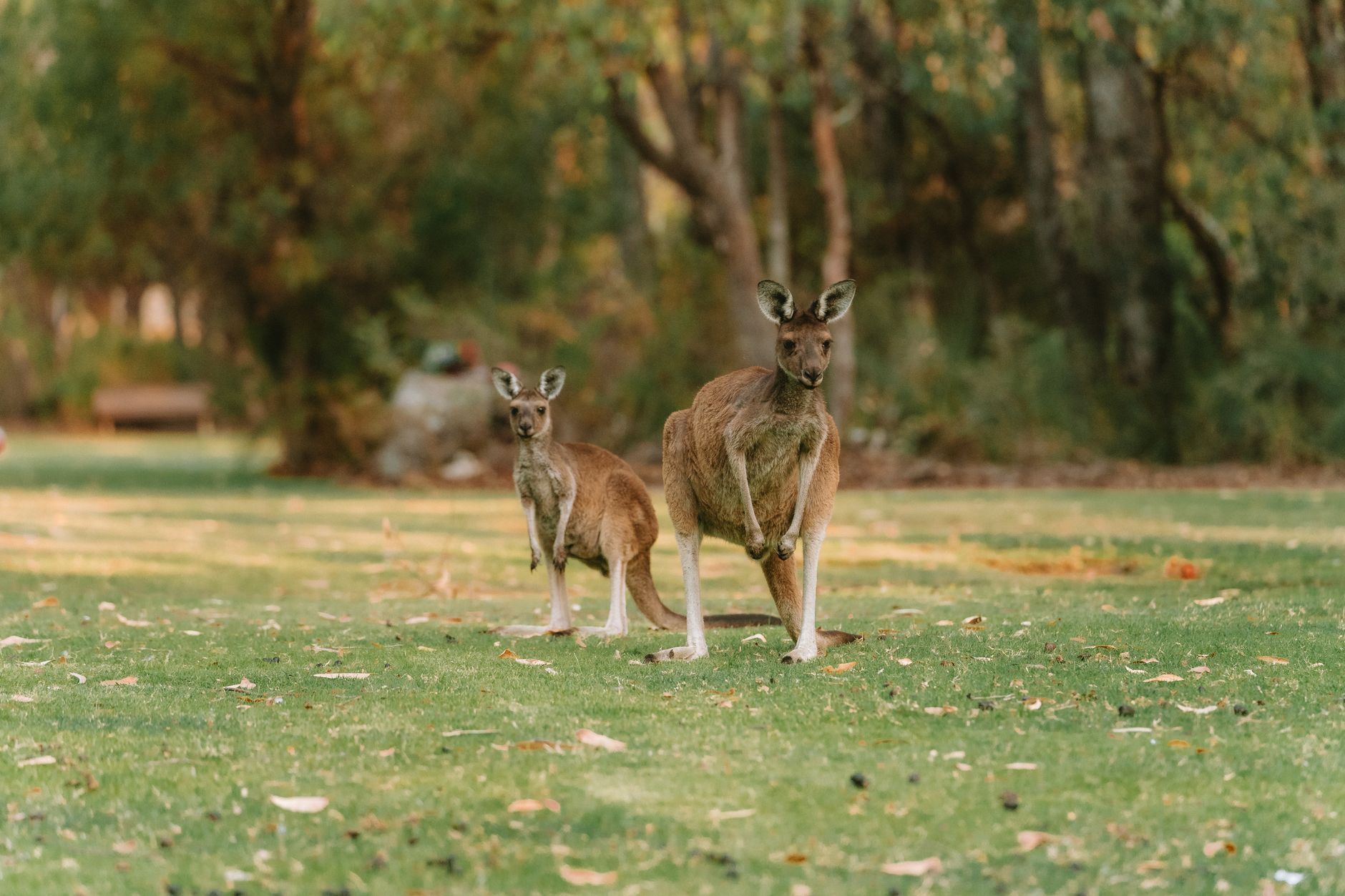
Introduction: Australia’s Hopping Icon and Survival Specialist
The kangaroo, a symbol of Australia, is far more than just an iconic marsupial. It’s a master of adaptation, perfectly sculpted by evolution to not only survive but flourish in some of the world’s most challenging environments. From arid deserts to sprawling grasslands, kangaroos have conquered diverse landscapes through a combination of physical prowess, physiological tricks, and clever behavioral strategies. Understanding these survival mechanisms reveals a fascinating story of adaptation and resilience.

What colours are fish most attracted to?
Can you put your finger in a trout's mouth?
Is methylene blue anti bacterial?
Does aquarium salt raise pH in aquarium?
Physical Adaptations: Built for the Outback

What helps a kangaroo survive? A crucial element is their physical toolkit, fine-tuned over millennia to handle the demands of the Australian environment.
- Powerful Legs and Hopping: Perhaps the most recognizable feature of the kangaroo is its powerful hind legs. Hopping is an incredibly efficient way to travel across vast distances, conserving energy and allowing them to cover ground quickly. At higher speeds, their tail acts as a counterbalance, adding stability and power.
- Strong Tail: As mentioned, the tail is much more than just an appendage. It’s a vital tool for balance, particularly when hopping at high speeds. It also acts as a “fifth limb” when the kangaroo is stationary, forming a tripod with its legs.
- Specialized Teeth and Digestive System: Kangaroos are herbivores, primarily feeding on grasses and other vegetation. Their teeth are adapted for grinding tough plant matter, and their digestive system is uniquely designed to extract maximum nutrients from low-quality forage. A multi-chambered stomach allows for bacterial fermentation, helping them break down cellulose efficiently.
- Pouch: The pouch is a defining characteristic of marsupials, and kangaroos are no exception. It provides a safe and nurturing environment for their young (joeys) to develop after birth. The joey remains in the pouch for several months, feeding and growing until it’s ready to venture out.
- Fur: Kangaroos have thick fur that provides insulation against both heat and cold.
Physiological Adaptations: Internal Mechanisms for Survival
Beyond their obvious physical traits, kangaroos possess a range of physiological adaptations that contribute to their survival, especially in arid environments.
- Water Conservation: What helps a kangaroo survive? The answer often lies in water management. Kangaroos are highly efficient at conserving water. They can obtain moisture from the plants they eat, and they also produce highly concentrated urine, minimizing water loss.
- Reduced Metabolic Rate: Compared to similar-sized mammals, kangaroos have a lower metabolic rate. This means they require less energy and, consequently, less food and water to survive.
- Thermoregulation: Kangaroos can regulate their body temperature through various mechanisms, including sweating and panting. They also seek shade during the hottest parts of the day to avoid overheating. Licking their forearms is another cooling strategy as the evaporation promotes heat loss.
Behavioral Strategies: Clever Tactics for a Harsh World
Kangaroos aren’t just physically and physiologically equipped for survival; they also employ a range of behavioral strategies to thrive in their environment.
- Social Structure: Kangaroos live in mobs, which provide several benefits. Group living offers protection from predators, allows for more efficient foraging, and facilitates social learning.
- Diurnal Rhythms: While kangaroos are primarily active during the cooler parts of the day (dawn and dusk), they often rest in the shade during the hottest hours to conserve energy and avoid overheating.
- Foraging Strategies: Kangaroos are selective feeders, choosing plants that are high in nutrients and water content. They also move frequently to avoid overgrazing and deplete local resources.
- Defense Mechanisms: In addition to their powerful legs for escaping predators, kangaroos can also use their claws and teeth for defense. Males, in particular, may engage in boxing matches to establish dominance and compete for mates.
Challenges to Kangaroo Survival
While kangaroos are remarkably well-adapted to their environment, they still face a number of challenges to their survival:
- Habitat Loss: As human populations expand and land is cleared for agriculture and development, kangaroos lose their habitat.
- Climate Change: Changing weather patterns, including prolonged droughts and heatwaves, can have a devastating impact on kangaroo populations.
- Predation: While natural predators like dingoes pose a threat, human hunting can also impact kangaroo populations, as can road accidents.
- Competition: Kangaroos compete with livestock for resources, particularly during periods of drought.
Frequently Asked Questions (FAQs)
How do kangaroos get water in the desert?
Kangaroos have several adaptations for obtaining water in arid environments. They primarily get water from the vegetation they eat, selecting plants with high water content. They can also produce highly concentrated urine, minimizing water loss.
What do kangaroos eat?
Kangaroos are herbivores, primarily feeding on a variety of grasses and other plants. They are selective feeders, choosing plants that are high in nutrients and water content.
How high can a kangaroo jump?
Kangaroos are impressive jumpers, capable of leaping several meters in height. An adult kangaroo can typically jump 1-3 meters high, and some have been recorded jumping even higher.
How fast can a kangaroo hop?
Kangaroos can reach impressive speeds when hopping. They can sustain speeds of 20-25 kilometers per hour for extended periods and can reach speeds of up to 70 kilometers per hour in short bursts.
How long do kangaroos live?
The lifespan of a kangaroo depends on the species and environmental conditions. In general, kangaroos can live for 6-20 years in the wild.
Why do kangaroos have pouches?
The pouch is a defining characteristic of marsupials, including kangaroos. It provides a safe and nurturing environment for their young (joeys) to develop after birth.
Are kangaroos dangerous to humans?
While kangaroos are generally not aggressive towards humans, they can be dangerous if provoked or threatened. Male kangaroos, in particular, can be territorial and may attack if they feel their space is being invaded.
What predators do kangaroos have?
Kangaroos have several predators, including dingoes, eagles, and, in some cases, introduced species like foxes and wild dogs. Young joeys are particularly vulnerable to predation.
What is a group of kangaroos called?
A group of kangaroos is called a mob. Living in mobs provides several benefits, including protection from predators and more efficient foraging.
How long does a joey stay in its mother’s pouch?
A joey typically stays in its mother’s pouch for several months, depending on the species. They will venture out of the pouch for short periods before eventually leaving it completely.
How can I help protect kangaroos?
You can help protect kangaroos by supporting conservation efforts, reducing your carbon footprint to mitigate climate change, and advocating for sustainable land management practices.
What makes kangaroos unique compared to other mammals?
What helps a kangaroo survive? Their unique blend of characteristics sets them apart. Kangaroos are unique due to their powerful hopping locomotion, their pouch for raising young, their specialized digestive system for processing tough plant matter, and their adaptations for conserving water in arid environments. These combined adaptations make them truly remarkable mammals.