
How Long Does Ammonia Last? Understanding Its Stability and Shelf Life
The shelf life of ammonia varies drastically depending on its form and storage conditions. Anhydrous ammonia, used in agriculture, can last indefinitely if properly stored, while household ammonia solutions gradually lose potency over time, typically lasting for at least one year unopened and several months after opening.
Introduction to Ammonia and Its Uses
Ammonia (NH3) is a versatile chemical compound with a wide range of applications. From agricultural fertilizer to household cleaning products, its properties make it an invaluable resource across various industries. Understanding its stability and longevity is crucial for both effective utilization and safe handling. How long does ammonia last? This depends on several factors, which we will explore in detail.
What colours are fish most attracted to?
Can you put your finger in a trout's mouth?
Is methylene blue anti bacterial?
Does aquarium salt raise pH in aquarium?
Different Forms of Ammonia

Ammonia exists in various forms, each with different characteristics and usage guidelines:
- Anhydrous Ammonia: This is pure ammonia in a gaseous or liquid state, primarily used in agriculture as a nitrogen fertilizer. It’s stored under pressure.
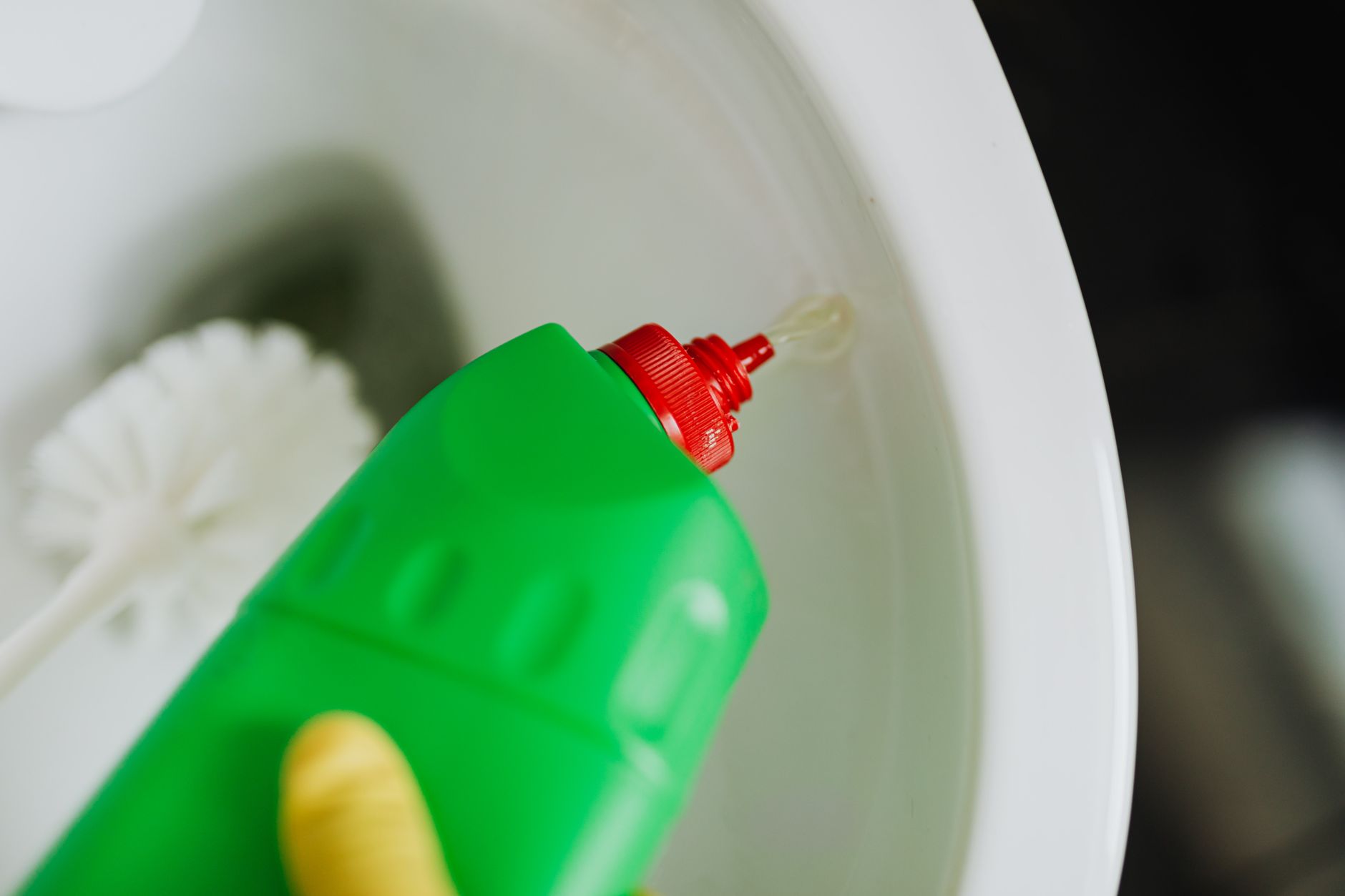
- Aqueous Ammonia: Also known as ammonium hydroxide, this is a solution of ammonia in water. It’s commonly found in household cleaners.
- Ammonium Salts: These are solid compounds formed by the reaction of ammonia with acids (e.g., ammonium chloride, ammonium sulfate).
Factors Affecting Ammonia’s Shelf Life
Several factors influence how long ammonia lasts:
- Temperature: High temperatures accelerate the decomposition of ammonium hydroxide.
- Exposure to Air: Open containers allow ammonia gas to escape, reducing the concentration of aqueous solutions.
- Container Type: Proper sealing is crucial to prevent loss of ammonia and contamination.
- Light Exposure: Sunlight can degrade some forms of ammonia.
How to Properly Store Ammonia
Proper storage is essential to maximize the shelf life of ammonia:
- Anhydrous Ammonia: Store in pressure-rated tanks designed for this purpose, following strict safety protocols.
- Aqueous Ammonia: Store in tightly sealed, opaque containers in a cool, dark place.
- Ammonium Salts: Store in a cool, dry place in a tightly sealed container.
Signs of Ammonia Degradation
While ammonia doesn’t necessarily “go bad” in the traditional sense (like food spoiling), its effectiveness can diminish over time. Here are signs of degradation:
- Weakened Odor: A significant reduction in the characteristic pungent odor indicates a loss of ammonia.
- Reduced Cleaning Power: For household ammonia, a noticeable decrease in its ability to clean or disinfect.
- Precipitation or Cloudiness: In aqueous solutions, the formation of sediment or cloudiness may indicate contamination or degradation.
Comparing the Shelf Life of Different Ammonia Forms
| Form of Ammonia | Shelf Life (Unopened) | Shelf Life (Opened) | Storage Conditions |
|---|---|---|---|
| Anhydrous Ammonia | Indefinite | Indefinite | Pressure-rated tanks, following safety protocols |
| Aqueous Ammonia | At least 1 year, may be longer | Several months, depending on storage | Tightly sealed, opaque container, cool, dark place |
| Ammonium Salts | Indefinite | Indefinite | Tightly sealed container, cool, dry place |
Safety Precautions When Handling Ammonia
- Always wear appropriate personal protective equipment (PPE), including gloves and eye protection.
- Work in a well-ventilated area to avoid inhaling ammonia fumes.
- Never mix ammonia with bleach, as this can create toxic chloramine gas.
- In case of skin or eye contact, flush with copious amounts of water and seek medical attention.
Waste Disposal of Ammonia
Improper disposal of ammonia can harm the environment. Follow these guidelines:
- Dilute small amounts of household ammonia with plenty of water before pouring it down the drain.
- For larger quantities, contact your local waste management facility for proper disposal procedures.
- Never pour undiluted ammonia directly into the environment.
Common Mistakes to Avoid When Storing Ammonia
- Storing ammonia in direct sunlight.
- Leaving containers open, allowing ammonia gas to escape.
- Storing ammonia near incompatible materials, such as bleach.
- Failing to use proper safety precautions when handling ammonia.
Frequently Asked Questions (FAQs)
How long does ammonia last unopened in its original container?
Unopened aqueous ammonia typically lasts at least one year, and potentially longer if stored correctly (cool, dark place). Anhydrous ammonia and ammonium salts have virtually indefinite shelf lives when stored properly.
Does temperature affect the shelf life of ammonia?
Yes, higher temperatures accelerate the decomposition of aqueous ammonia (ammonium hydroxide). Therefore, storing it in a cool place is crucial.
Can ammonia lose its effectiveness over time?
Yes, especially aqueous ammonia solutions. Ammonia gas can escape from the solution, reducing its concentration and effectiveness as a cleaner or disinfectant.
Is it safe to use ammonia that is past its “expiration” date?
While there’s no strict expiration date, ammonia solutions may lose potency over time. If the odor is significantly weaker or cleaning performance is reduced, it’s best to replace it.
How can I tell if my ammonia has gone bad?
Key indicators include a noticeable decrease in the characteristic pungent odor and a reduction in its cleaning or disinfecting abilities. Precipitation or cloudiness in the solution might also suggest degradation.
Does the type of container affect how long ammonia lasts?
Yes, proper sealing is critical. A tightly sealed, opaque container helps prevent the escape of ammonia gas and protects the solution from light, both of which can degrade the product.
Can I mix ammonia with other cleaning products to increase its effectiveness?
No, never mix ammonia with bleach. This combination creates toxic chloramine gas, which can be extremely dangerous. Always use ammonia separately.
What is the best way to dispose of unused ammonia?
For small amounts of household ammonia, dilute it thoroughly with water before pouring it down the drain. For larger quantities, contact your local waste management facility for guidance.
Can I store ammonia in a plastic container?
While some plastics are suitable for storing dilute ammonia solutions, it’s best to use containers specifically designed for chemical storage. Avoid storing concentrated ammonia in plastic containers not specifically designed for that purpose, as it can weaken the plastic over time.
What are the risks of inhaling ammonia fumes?
Inhaling high concentrations of ammonia fumes can cause respiratory irritation, coughing, and difficulty breathing. Prolonged exposure can lead to serious lung damage. Always work in a well-ventilated area when using ammonia.
Is anhydrous ammonia dangerous?
Yes, anhydrous ammonia is extremely dangerous. It can cause severe burns and respiratory damage upon contact. Handle it only with proper training and safety equipment.
Does humidity affect the shelf life of ammonium salts?
Yes, excessive humidity can cause ammonium salts to cake or clump together. Store them in a dry place to prevent this.