

What Happens to Hedgehogs as They Get Older?
As hedgehogs age, they experience a natural decline in physical abilities, an increased susceptibility to diseases, and behavioral changes impacting their activity and diet; however, with attentive care, their later years can still be comfortable and enriching. What happens to hedgehogs as they get older is a multifaceted process involving both physical and behavioral changes.
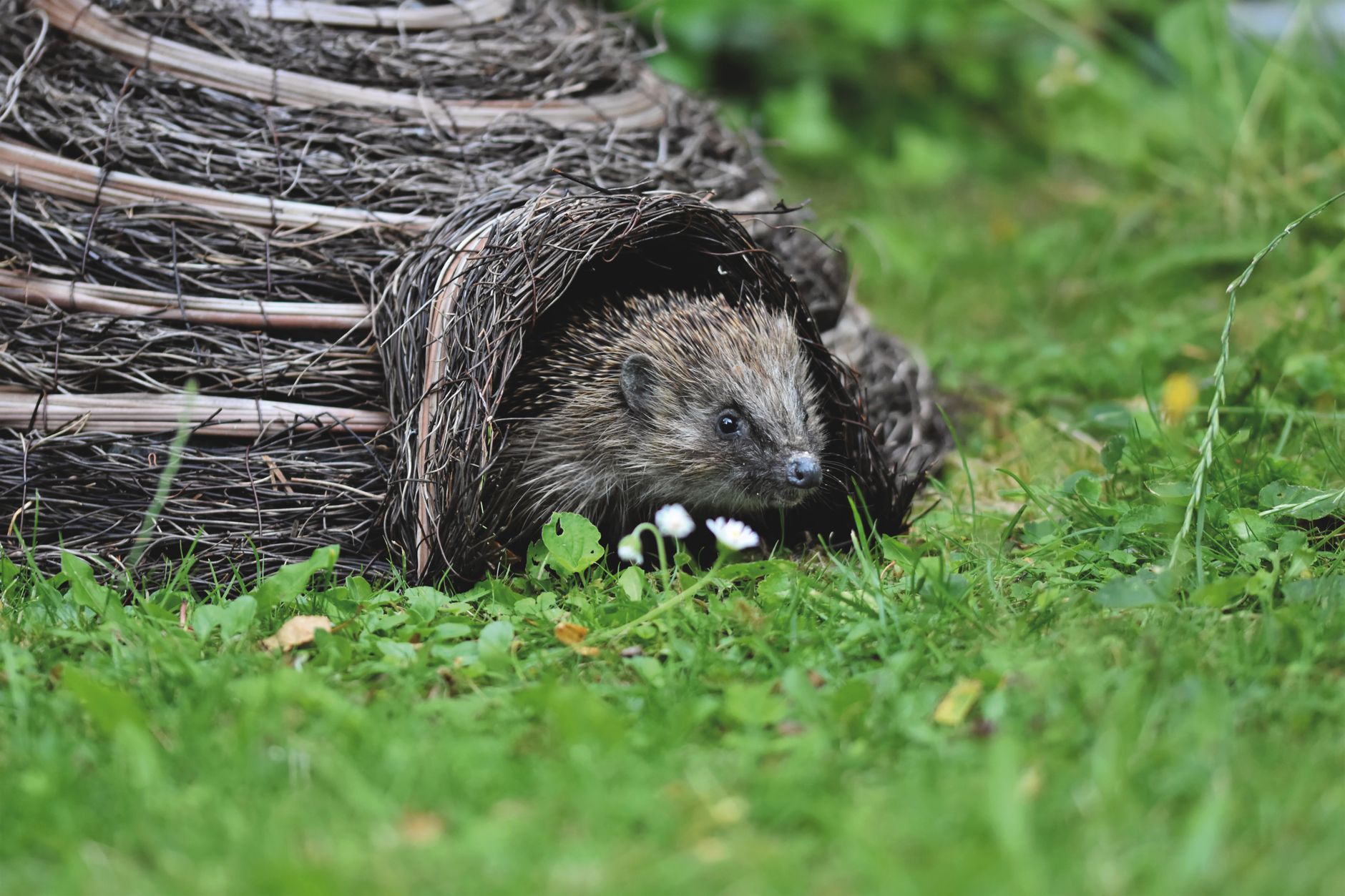
The Aging Hedgehog: A Natural Progression
Understanding the natural aging process in hedgehogs is crucial for providing them with appropriate care during their senior years. Wild hedgehogs typically live between 2 to 5 years, while pet hedgehogs, with proper care and nutrition, can live up to 8 years or even longer. What happens to hedgehogs as they get older isn’t always obvious at first, but it’s vital to pay attention to subtle shifts in their behavior and health.

Is distilled water good for goldfish?
What colours are fish most attracted to?
Can you put your finger in a trout's mouth?
Is methylene blue anti bacterial?
Physical Changes in Aging Hedgehogs

As hedgehogs age, they undergo various physical changes that impact their overall well-being. These changes are similar to those experienced by many other mammals.
- Reduced Mobility: Older hedgehogs often experience joint stiffness and a decrease in muscle mass, leading to reduced mobility. They may become less active and struggle with activities they once performed easily, such as climbing or running on a wheel.
- Dental Issues: Like other pets, hedgehogs are prone to dental problems as they age, including tooth decay, gum disease, and tooth loss. These issues can make it difficult for them to eat properly and can lead to secondary health problems.
- Sensory Decline: Aging hedgehogs may experience a decline in their sensory abilities, including vision and hearing. This can make them more cautious and less responsive to their surroundings.
- Weight Fluctuations: Older hedgehogs may experience weight fluctuations, either gaining weight due to decreased activity or losing weight due to reduced appetite or underlying health conditions.
Behavioral Changes in Aging Hedgehogs
In addition to physical changes, aging hedgehogs often exhibit behavioral changes that can impact their interactions with their environment and their owners.
- Decreased Activity: One of the most noticeable changes is a decrease in overall activity levels. Older hedgehogs may sleep more and be less interested in playing or exploring.
- Changes in Sleep Patterns: Their sleep patterns may also change, with older hedgehogs sleeping for longer periods during the day and being less active at night.
- Reduced Appetite: Some aging hedgehogs experience a reduced appetite, which can lead to weight loss and nutritional deficiencies.
- Increased Irritability: Older hedgehogs may become more irritable or defensive, particularly if they are experiencing pain or discomfort.
Common Health Problems in Senior Hedgehogs
As hedgehogs age, they become more susceptible to certain health problems. Recognizing these issues early is crucial for providing appropriate veterinary care.
- Cancer: Cancer is a common cause of death in older hedgehogs. Symptoms can vary depending on the type of cancer but may include weight loss, lethargy, and the presence of lumps or bumps.
- Cardiac Disease: Older hedgehogs are prone to cardiac problems, such as dilated cardiomyopathy, which can lead to heart failure.
- Kidney Disease: Kidney disease is another common ailment in senior hedgehogs, often resulting in increased thirst and urination, as well as weight loss.
- Arthritis: Arthritis can significantly impact mobility, making it difficult for hedgehogs to move around comfortably.
Providing Optimal Care for Aging Hedgehogs
Providing optimal care for aging hedgehogs involves making adjustments to their environment, diet, and veterinary care to meet their changing needs.
- Environmental Modifications: Make the hedgehog’s environment more accessible by providing ramps, shallow food and water dishes, and soft bedding.
- Dietary Adjustments: Consult with a veterinarian about dietary adjustments to ensure the hedgehog is getting the nutrients they need. Soft foods may be easier for hedgehogs with dental problems to eat.
- Regular Veterinary Checkups: Schedule regular veterinary checkups to monitor the hedgehog’s health and address any emerging health problems promptly.
- Pain Management: If the hedgehog is experiencing pain due to arthritis or other conditions, discuss pain management options with the veterinarian.
Table: Comparing Young and Old Hedgehog Characteristics
| Characteristic | Young Hedgehog | Old Hedgehog |
|---|---|---|
| Activity Level | High | Low |
| Appetite | Good | Reduced |
| Mobility | Agile | Stiff/Limited |
| Sensory Perception | Sharp | Declining |
| Susceptibility to Illness | Lower | Higher |
Frequently Asked Questions (FAQs) About Aging Hedgehogs
What is the average lifespan of a hedgehog?
The average lifespan of a hedgehog depends on whether it is a wild or a domestic pet. Wild hedgehogs typically live for 2 to 5 years, while pet hedgehogs can live up to 8 years or longer with proper care and attention.
How can I tell if my hedgehog is getting old?
Signs of aging in hedgehogs include decreased activity levels, changes in sleep patterns, reduced appetite, and physical signs like joint stiffness, dental problems, and sensory decline. Observe your hedgehog closely for any changes in their behavior or physical condition.
What kind of food should I feed an aging hedgehog?
Aging hedgehogs often benefit from a softer, more easily digestible diet. Talk to your veterinarian about switching to a senior hedgehog food or supplementing their diet with soft, palatable options like baby food or cooked vegetables.
How can I make my hedgehog’s cage more comfortable as they age?
Make the cage more accessible by providing ramps, shallow food and water dishes, and soft bedding. Ensure the temperature is comfortable and stable, as older hedgehogs are more sensitive to temperature fluctuations.
What are some common health problems in older hedgehogs?
Common health problems in older hedgehogs include cancer, cardiac disease, kidney disease, arthritis, and dental problems. Regular veterinary checkups are essential for detecting and managing these conditions early.
How often should I take my senior hedgehog to the vet?
Senior hedgehogs should have veterinary checkups at least twice a year, or more frequently if they have any underlying health conditions. Early detection and treatment can significantly improve their quality of life.
Can older hedgehogs still play and exercise?
While their activity levels may decrease, it’s still important for older hedgehogs to engage in gentle play and exercise. Provide them with safe toys and encourage them to move around their cage regularly.
What are some signs that my hedgehog is in pain?
Signs of pain in hedgehogs can be subtle but may include decreased appetite, lethargy, hiding, reluctance to move, and changes in posture or gait. If you suspect your hedgehog is in pain, consult with your veterinarian.
Is it normal for older hedgehogs to lose quills?
Some quill loss is normal in older hedgehogs, but excessive or patchy quill loss could indicate an underlying health problem, such as a skin infection or nutritional deficiency. Consult with your veterinarian if you’re concerned.
How can I help my hedgehog with dental problems?
Provide soft food options and schedule regular dental cleanings with your veterinarian. You can also gently brush your hedgehog’s teeth with a soft-bristled toothbrush and pet-safe toothpaste.
What is Wobbly Hedgehog Syndrome?
Wobbly Hedgehog Syndrome (WHS) is a progressive neurological disease that affects hedgehogs, often appearing in older animals. Symptoms include weakness, incoordination, and paralysis. There is no cure for WHS, but supportive care can help improve the hedgehog’s quality of life.
What happens to hedgehogs as they get older if I can no longer care for them?
If you can no longer care for your aging hedgehog, contact local hedgehog rescues or animal shelters. These organizations can provide a safe and loving home for your hedgehog or help you find a new owner who is equipped to provide appropriate care.