
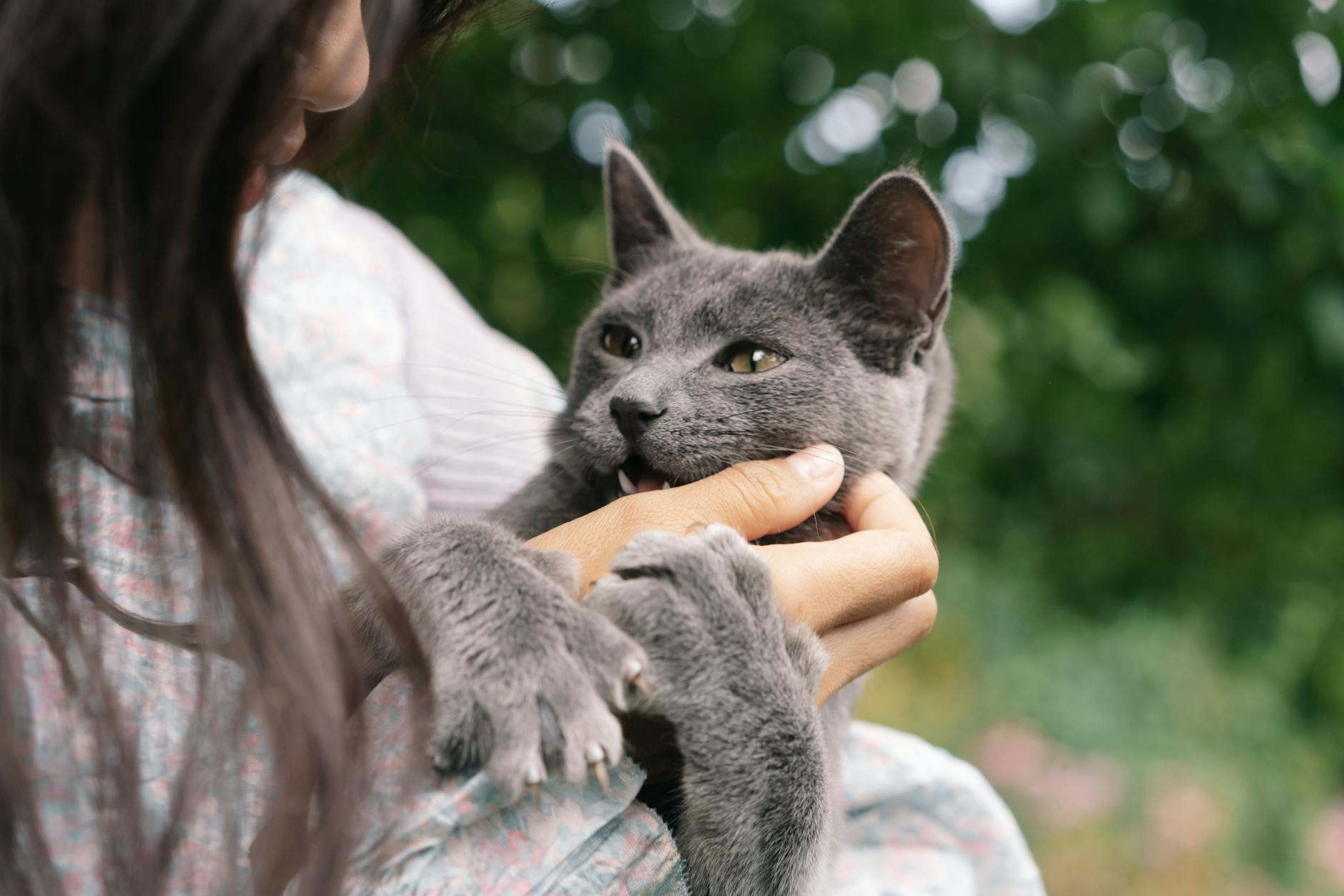
Why the Gentle Nibble? Understanding Your Cat’s Arm-Grabbing and Biting Behavior
The behavior of a cat grabbing your arm and gently biting you can be confusing. In short, cats often do this out of affection, seeking attention, or engaging in playful behavior, but it’s crucial to understand the nuances to manage this behavior effectively.

Introduction: Decoding the Feline Language of “Love Bites”
Cats, with their enigmatic nature, often communicate in ways that leave their human companions scratching their heads. One such behavior is the act of grabbing an arm and gently biting – often referred to as a “love bite.” While it might seem aggressive, this behavior is rarely intended to cause harm. Why does my cat grab my arm and gently bite me? Understanding the underlying reasons behind this common feline action is essential for building a stronger bond with your furry friend and ensuring a harmonious living environment. It’s about deciphering their unique communication style.
Understanding the Reasons Behind Arm-Grabbing and Gentle Bites

Several factors can contribute to a cat’s tendency to grab and gently bite. It’s crucial to consider the context in which the behavior occurs to accurately determine the cause.
- Affection and Attention-Seeking: Often, these gentle bites are a sign of affection, akin to a human hug or pat on the back. Your cat might be trying to express its love and bond with you, especially if it occurs during petting sessions. They could also be seeking your attention, especially if you are preoccupied with something else.
- Play and Stimulation: Grabbing and biting can be part of a playful routine. Cats have an innate hunting instinct, and even domesticated cats retain a playful desire to stalk, pounce, and bite (gently!). This behavior is often seen in kittens and younger cats.
- Overstimulation: Paradoxically, sometimes petting a cat for too long can lead to overstimulation. This can trigger a defensive response, resulting in a gentle bite as a way to say, “Enough is enough!” Observe your cat’s body language carefully – flattened ears, twitching tail, or dilated pupils – as signs of overstimulation.
- Learned Behavior: If you’ve accidentally rewarded the behavior in the past (even unintentionally, like laughing or giving attention), your cat might continue to do it. Cats learn through association, so be mindful of your reactions.
- Medical Reasons: While less common, underlying medical issues, such as skin irritations or pain, can cause a cat to become more sensitive and reactive to touch. Rule out any potential health concerns with a veterinary checkup.
Assessing the Bite’s Intent
It’s important to differentiate between a playful “love bite” and an aggressive bite. The intensity of the bite, the body language of the cat, and the overall context provide key clues.
| Feature | Playful Bite (Love Bite) | Aggressive Bite |
|---|---|---|
| Intensity | Gentle, light pressure | Firm, forceful pressure |
| Body Language | Relaxed, purring, kneading, rubbing against you | Tense, hissing, growling, flattened ears |
| Claws | Usually retracted | Usually extended |
| Context | During petting, playing, or when seeking attention | When feeling threatened, cornered, or in pain |
| Sound | No vocalization or a soft purr | Hissing, growling, or yowling |
Managing and Redirecting the Behavior
While a gentle bite might seem harmless, it’s important to manage the behavior to prevent it from escalating or becoming problematic.
- Recognize the Triggers: Identify the situations that typically lead to your cat grabbing and biting. Is it during petting, playtime, or when you’re not paying attention? Understanding the triggers helps you anticipate and redirect the behavior.
- Redirect with Toys: When your cat starts to grab your arm, immediately offer a toy instead. This provides a healthy outlet for their hunting instincts and teaches them that toys are the appropriate target for biting.
- Stop Petting Before Overstimulation: Pay attention to your cat’s body language and stop petting before they become overstimulated. A brief break can prevent the biting.
- Consistent Reprimands: If your cat bites, say a firm “No” or “Ouch” and immediately withdraw your attention. Consistency is key in teaching your cat that this behavior is unacceptable.
- Positive Reinforcement: Reward your cat for good behavior with treats or praise when they play appropriately with toys or interact gently with you. Positive reinforcement is more effective than punishment.
- Provide Environmental Enrichment: Ensure your cat has plenty of toys, scratching posts, and climbing opportunities to keep them mentally and physically stimulated. A bored cat is more likely to exhibit unwanted behaviors.
When to Seek Professional Help
If the biting becomes frequent, intense, or accompanied by other signs of aggression, it’s crucial to consult with a veterinarian or a certified feline behaviorist. They can help identify any underlying medical or behavioral issues and develop a tailored management plan. Ignoring the problem can often lead to more serious issues.
The Long-Term Benefits of Understanding Your Cat
Understanding why does my cat grab my arm and gently bite me? goes beyond simply stopping an unwanted behavior. It’s about fostering a deeper connection with your feline companion. By deciphering their unique communication style and responding appropriately, you can strengthen your bond, build trust, and create a more harmonious and loving relationship. Remember, patience and consistency are crucial for long-term success.

FAQs: Decoding the Feline Nibble
Why are cats so sensitive to petting?
Some cats are more sensitive to petting than others. This sensitivity can stem from a variety of factors, including genetics, early experiences, and individual personality. Some cats have a lower threshold for tactile stimulation and can become overstimulated more easily. Pay close attention to your cat’s body language to determine their comfort level with petting.
Is it okay to let my cat bite my hand during play?
Allowing your cat to bite your hand, even gently, can create a slippery slope. It’s best to discourage biting entirely to avoid accidental injuries or the development of more aggressive biting habits. Always redirect your cat’s biting behavior towards appropriate toys.
What if my cat’s bite is getting harder?
If your cat’s gentle bites are becoming more forceful, it’s essential to address the issue promptly. Start by reassessing the potential triggers and implementing the management strategies outlined earlier. If the behavior persists or escalates, consult with a veterinarian or feline behaviorist to rule out any underlying medical or behavioral issues.
My cat only bites me when I’m on the phone. Why?
This behavior often indicates attention-seeking. Your cat likely associates your phone use with a lack of attention and resorts to biting to get your focus. Provide alternative forms of entertainment, such as a puzzle toy or a window perch, to keep them occupied while you’re on the phone.
How can I tell if my cat is overstimulated?
Signs of overstimulation include flattened ears, twitching tail, dilated pupils, and a sudden change in mood. Your cat might also become restless or try to move away from you. If you notice these signs, stop petting immediately and give your cat some space.
Can I train my cat not to bite at all?
While you might not be able to completely eliminate biting, you can certainly reduce its frequency and intensity. Consistent training and redirection can teach your cat that biting is not an acceptable behavior.
My cat is a rescue. Could that explain the biting?
A cat’s past experiences, especially if they are a rescue, can significantly impact their behavior. Cats with traumatic histories might be more fearful or anxious, which can manifest as biting. Patience and understanding are crucial when working with rescue cats.
Does age affect biting behavior?
Kittens are more likely to engage in playful biting as they explore their environment and learn their boundaries. Senior cats, on the other hand, might bite due to age-related pain or cognitive decline. Consider your cat’s age and adjust your approach accordingly.
What are some good toys to redirect biting?
Good toys for redirecting biting include interactive toys, puzzle feeders, and chew toys. Experiment to find what your cat enjoys most. Wand toys can also be helpful for directing their energy away from your hands.
Is it possible my cat doesn’t like being petted?
It is entirely possible. Not all cats enjoy being petted in the same way or in the same locations. Observe your cat’s body language to understand their preferences. Some cats might prefer brief petting sessions or prefer to be scratched under the chin rather than on their back.
How do I create a safe and enriching environment for my cat?
Providing a safe and enriching environment involves offering plenty of opportunities for play, exploration, and rest. This includes providing scratching posts, climbing structures, interactive toys, and comfortable resting spots.
What if my cat is only biting one specific person?
If your cat only bites one specific person, it suggests that there is a specific trigger or association with that individual. This could be related to the person’s scent, their approach, or past interactions. Try to identify the trigger and work with the person to create positive interactions with the cat, such as offering treats or engaging in gentle play.