
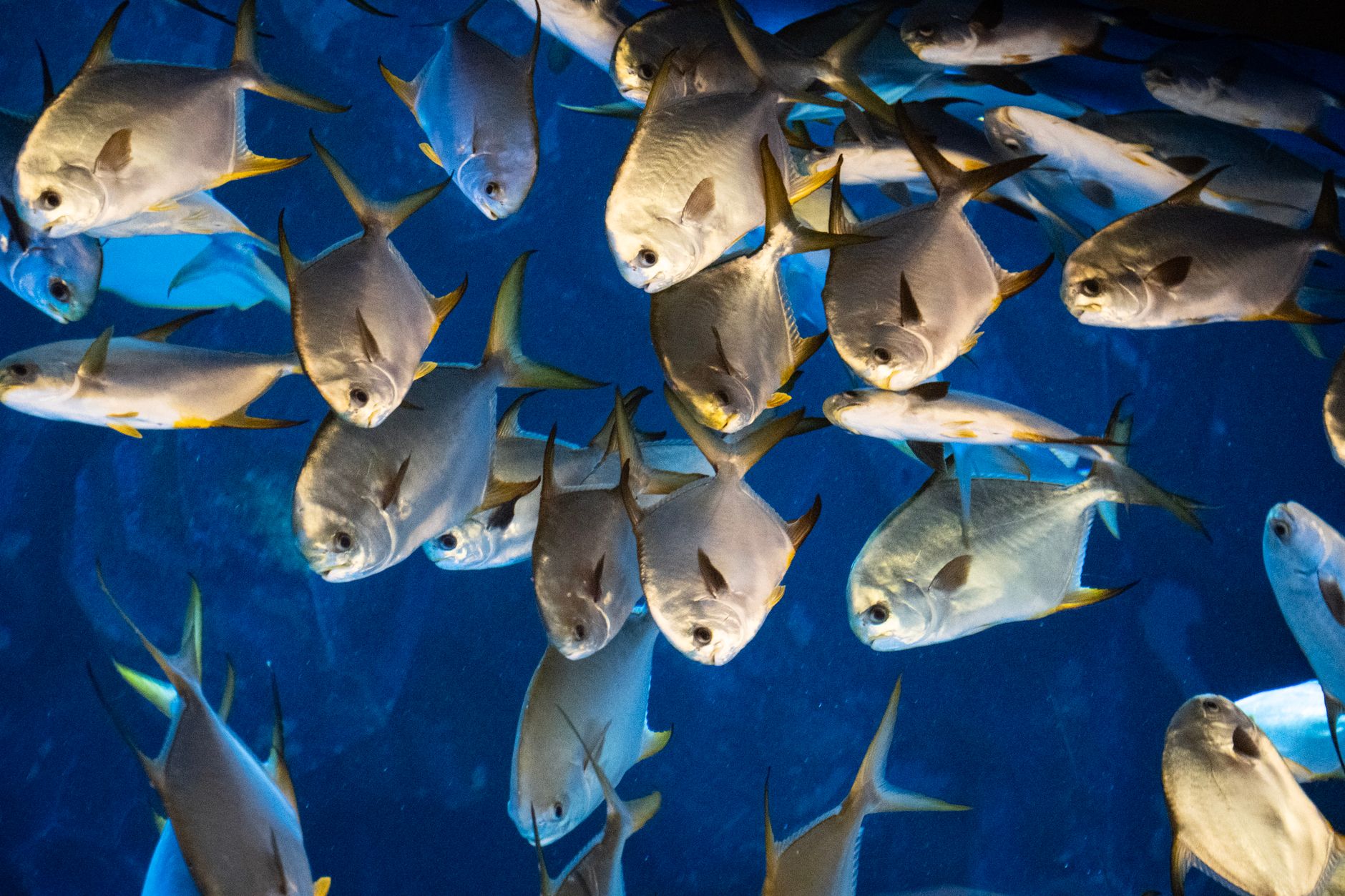
What Happens to Fish If pH Is Too Low? The Perils of Acidic Water
What happens to fish if pH is too low? If the pH of water becomes too low, turning acidic, fish experience a range of detrimental effects, from stress and weakened immune systems to gill damage and, ultimately, death.

Understanding pH and Its Significance for Aquatic Life
pH, or potential of hydrogen, measures the acidity or alkalinity of a solution. It’s a logarithmic scale ranging from 0 to 14, with 7 being neutral. Values below 7 indicate acidity, and values above 7 indicate alkalinity. For most freshwater fish, the optimal pH range is between 6.5 and 8.5. However, this range can vary slightly depending on the species. Maintaining a stable pH within the appropriate range is crucial for the health and survival of aquatic organisms.
Are fish heads good for the garden?
Can fish hear water?
What is cotton rot in fish?
What colours are fish most attracted to?
The Devastating Effects of Acidic Water on Fish Physiology
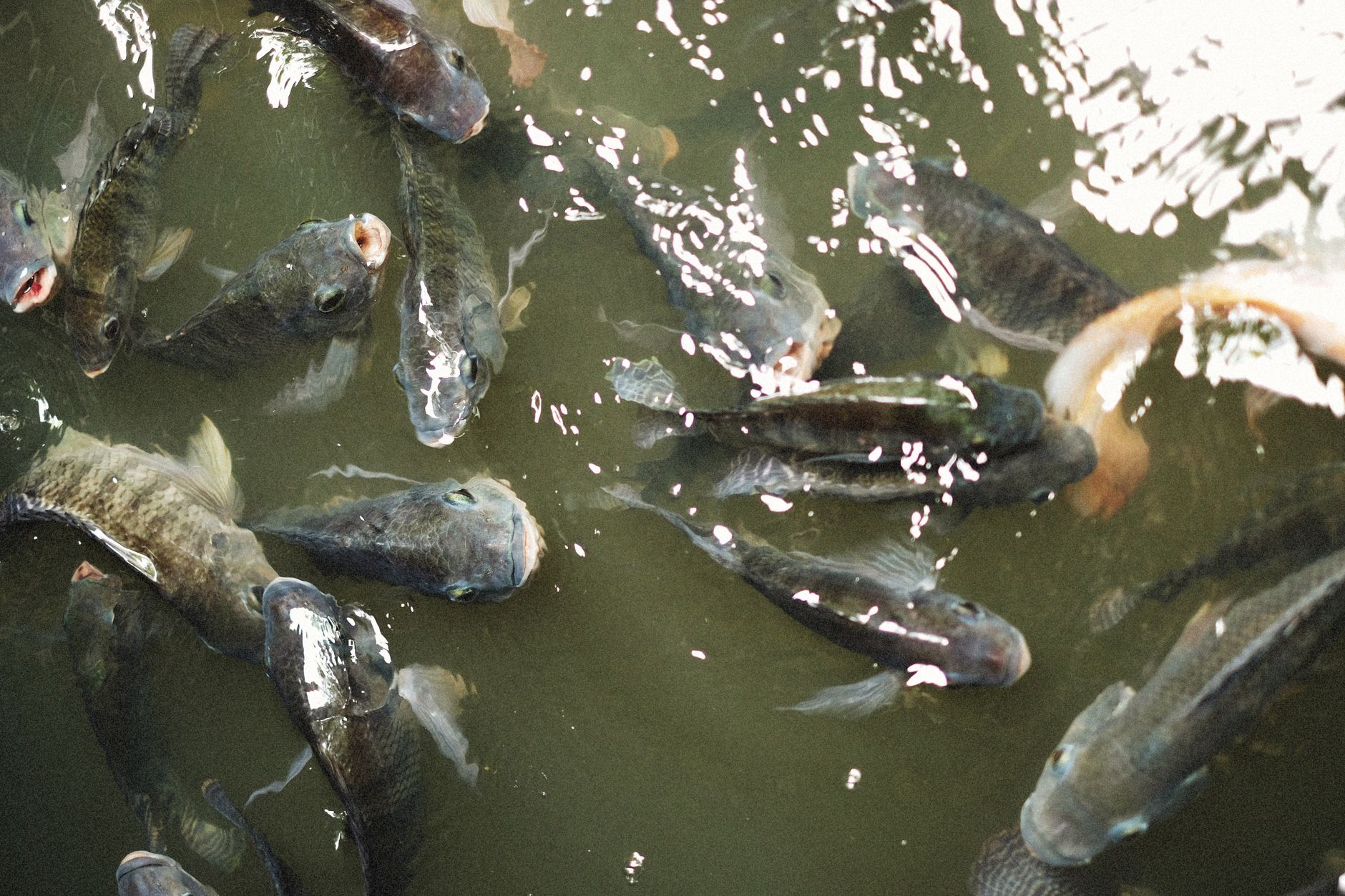
What happens to fish if pH is too low? Acidic water can severely disrupt a fish’s internal environment and physiological processes. Here’s a breakdown of the key impacts:
- Gill Damage: Low pH causes the breakdown of the delicate gill tissues, making it difficult for fish to extract oxygen from the water. This can lead to suffocation, even if the water is otherwise well-oxygenated. The gills are absolutely vital to the survival of fish, which makes them susceptible to damage from low pH.
- Impaired Ion Regulation: Fish maintain a delicate balance of ions (like sodium and chloride) in their blood. Acidic water disrupts this balance, leading to ion loss and osmotic stress. This stress can weaken the fish and make it more susceptible to disease.
- Heavy Metal Toxicity: Low pH increases the solubility of heavy metals, such as aluminum, in the water. These metals can then accumulate in the fish’s gills, causing further damage and toxicity. Aluminum, in particular, is known to interfere with gill function.
- Reproductive Problems: Low pH can interfere with egg development and hatching. It can also reduce sperm viability in males, leading to decreased reproductive success. The reproductive cycle of the fish can be significantly affected.
- Weakened Immune System: The stress caused by low pH weakens the fish’s immune system, making them more vulnerable to infections from bacteria, parasites, and fungi.
- Increased Mucus Production: To protect themselves from the irritating effects of acidic water, fish often produce excessive mucus. This mucus can clog the gills, further impairing oxygen uptake.
The Role of Aluminum in Acidification’s Impact
Aluminum is a naturally occurring metal, bound to soil and sediment. However, when water becomes acidic, the aluminum is released in a soluble form. This soluble aluminum is extremely toxic to fish.
- It binds to the gills, causing physical damage and interfering with oxygen uptake.
- It disrupts ion regulation, leading to ion loss and osmotic stress.
- It can accumulate in the fish’s tissues, causing further health problems.
Causes of Low pH in Aquatic Environments
Understanding the causes of low pH is critical for preventing and mitigating its harmful effects on fish populations.
- Acid Rain: Acid rain is caused by atmospheric pollution from industrial emissions. When it falls into lakes and rivers, it lowers the pH.
- Mine Drainage: Acid mine drainage occurs when water flows through abandoned or active mines, dissolving sulfide minerals and releasing sulfuric acid. This acidic runoff can severely pollute nearby water bodies.
- Decomposition of Organic Matter: The decomposition of large amounts of organic matter, such as leaf litter or algae blooms, can release organic acids into the water, lowering the pH.
- Geological Factors: Certain geological formations can leach acidic compounds into water bodies. For example, areas with high levels of sulfur-containing minerals are prone to acidification.
- Nitrogen Pollution: Excess nitrogen from fertilizers and sewage can lead to nitrification, a process that releases hydrogen ions and lowers pH.
Mitigation and Prevention Strategies
Addressing low pH requires a multi-faceted approach.
- Liming: Adding lime (calcium carbonate) to water can neutralize acidity and raise the pH.
- Watershed Management: Implementing best management practices in watersheds to reduce pollution and prevent acid rain.
- Reforestation: Planting trees can help to absorb atmospheric pollutants and reduce acid rain.
- Regulation of Industrial Emissions: Enforcing stricter regulations on industrial emissions to reduce the release of pollutants that cause acid rain.
- Treatment of Acid Mine Drainage: Implementing treatment systems to neutralize acidic water from mine drainage before it enters water bodies.
- Careful Aquarium Management: Ensuring proper buffering capacity and water changes in aquariums to maintain a stable pH.
Monitoring and Testing
Regular monitoring of pH levels is essential for protecting fish populations.
- Use pH Meters: Electronic pH meters provide accurate and real-time measurements of pH.
- Use pH Test Kits: Chemical test kits can be used to measure pH in the field.
- Establish Baseline Data: Collect baseline pH data to track changes over time.
- Monitor Sensitive Species: Pay close attention to the health of fish species that are known to be sensitive to low pH.
Frequently Asked Questions
What is the ideal pH range for most freshwater fish?
The ideal pH range for most freshwater fish is between 6.5 and 8.5. However, some species may tolerate slightly more acidic or alkaline conditions. It is important to research the specific needs of the fish species being kept.
How quickly can low pH affect fish?
The speed at which low pH affects fish depends on the severity of the acidification. In extreme cases, fish can die within hours of exposure to very acidic water. In less severe cases, the effects may be more gradual, but chronic exposure can still lead to health problems and death.
What are some visual signs that fish are suffering from low pH?
Visual signs that fish are suffering from low pH can include increased mucus production, rapid gill movement, erratic swimming, loss of appetite, and lethargy. In severe cases, fish may exhibit convulsions or die suddenly.
Can fish recover from low pH exposure?
Fish can sometimes recover from low pH exposure if the water chemistry is corrected quickly. However, the extent of recovery depends on the severity and duration of the exposure, as well as the overall health of the fish. Fish that have suffered severe gill damage may not fully recover.
What type of fish are most susceptible to low pH?
Fish that are native to alkaline or neutral waters are typically more susceptible to low pH. These include many species of tropical fish and some types of trout. Some species, like certain types of catfish, are more tolerant of acidic conditions.
How can I raise the pH in my aquarium?
To raise the pH in an aquarium, you can use commercially available pH buffers, add crushed coral or limestone to the substrate, or increase aeration. It’s crucial to make gradual changes to avoid shocking the fish.
What is buffering capacity, and why is it important?
Buffering capacity refers to the ability of water to resist changes in pH. Water with high buffering capacity can absorb acids without experiencing a significant drop in pH. Maintaining adequate buffering capacity is essential for preventing pH fluctuations that can harm fish.
Are wild fish populations affected by low pH?
Yes, wild fish populations are significantly affected by low pH in many areas of the world, particularly in regions with acid rain or acid mine drainage. Acidification can lead to declines in fish populations and disruptions of aquatic ecosystems.
What impact does low pH have on other aquatic life besides fish?
Low pH can also harm other aquatic organisms, including amphibians, invertebrates, and aquatic plants. Many invertebrates, such as snails and crustaceans, are very sensitive to low pH and can be eliminated from acidified waters.
How does climate change affect pH in aquatic environments?
Climate change can exacerbate acidification in aquatic environments through several mechanisms, including increased atmospheric carbon dioxide levels, changes in rainfall patterns, and increased runoff from melting glaciers. Higher carbon dioxide levels lead to ocean acidification, and changes in runoff can carry more pollutants into freshwater bodies.
What should I do if I suspect my fish are suffering from low pH?
If you suspect your fish are suffering from low pH, you should immediately test the water pH using a reliable test kit or meter. If the pH is below the optimal range for your fish species, take steps to gradually raise the pH and monitor the fish closely for signs of improvement. You should also investigate the cause of the low pH and address any underlying issues.
Can some fish species adapt to low pH over time?
While some adaptation to low pH is possible, it’s generally limited. Some fish populations have shown genetic adaptations to acidic conditions, but these adaptations typically involve trade-offs that can affect other aspects of their physiology. Significant and rapid changes in pH rarely provide enough time for adaptation and can lead to population declines.