

Can You Handle a Musk Turtle? A Comprehensive Guide to Responsible Ownership
Handling a musk turtle requires careful consideration and specific techniques to ensure both the turtle’s well-being and your safety. It’s crucial to prioritize responsible observation over frequent handling.

Musk turtles, known for their small size and relatively docile nature, are increasingly popular pets. However, the question, “Can you handle a musk turtle?,” is not as simple as a yes or no. Responsible musk turtle ownership hinges on understanding their needs and interacting with them in a way that minimizes stress and potential harm. This guide delves into the intricacies of musk turtle handling, providing you with the knowledge to make informed decisions and ensure the health and happiness of your shelled companion.
Understanding Musk Turtles
Musk turtles, belonging to the genus Sternotherus, are native to North America. They are primarily aquatic and spend most of their lives in the water. Their small size, typically reaching only 4-5 inches in shell length, makes them appealing to hobbyists with limited space. However, don’t let their size fool you; they still require specific care and attention.
Reasons to Handle Your Musk Turtle (And Reasons Not To)
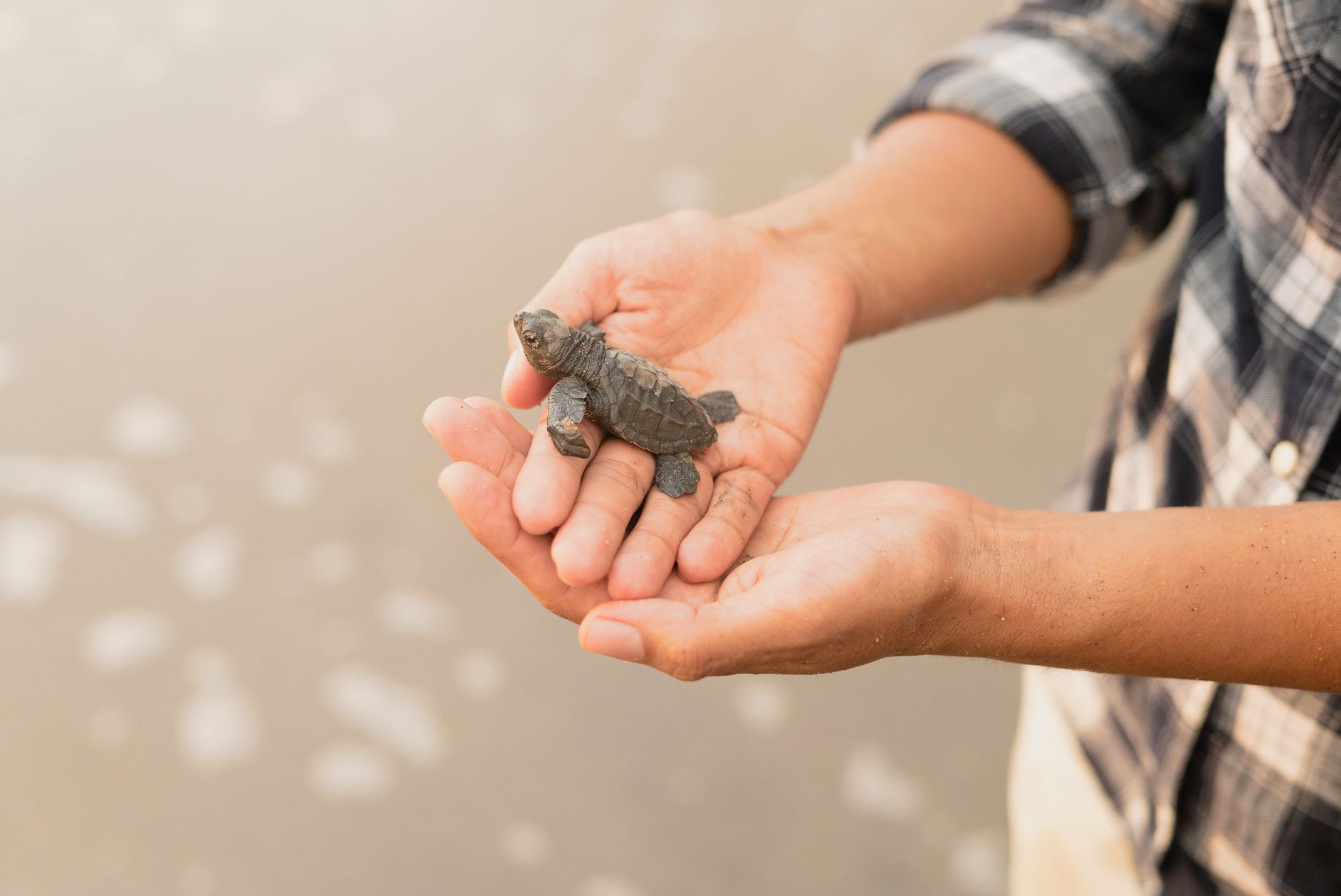
While minimal handling is generally recommended, there are instances where it becomes necessary:
- Health Checks: Regular visual inspections are crucial for detecting signs of illness or injury. Handling is sometimes necessary for a closer examination.
- Tank Cleaning: Moving the turtle temporarily during thorough tank cleaning is often required.
- Relocation: If you need to move the turtle to a new enclosure or to a veterinarian’s office.
However, frequent or unnecessary handling should be avoided because:
- Stress: Handling can be incredibly stressful for musk turtles, leading to suppressed immune systems and increased vulnerability to illness.
- Biting: While generally docile, musk turtles can bite if they feel threatened.
- Shedding: Handling during shedding can damage the new, sensitive skin underneath.
Safe Handling Techniques
If handling is unavoidable, these techniques will minimize stress and risk:
- Wash Your Hands: Always wash your hands thoroughly before and after handling your musk turtle. This prevents the spread of bacteria and germs in both directions.
- Gentle Approach: Approach the turtle slowly and calmly. Avoid sudden movements that might startle it.
- Support the Body: Pick up the turtle by supporting its entire body, not just the shell. Use both hands, one supporting the plastron (bottom shell) and the other supporting the carapace (top shell).
- Minimize Handling Time: Keep handling periods as short as possible. Return the turtle to its enclosure as soon as the necessary task is complete.
- Avoid Squeezing: Never squeeze or grip the turtle tightly.
The Musk Turtle “Musk” and How to Avoid It
Musk turtles get their name from their ability to release a foul-smelling musk from glands located near their legs when they feel threatened. This is a defense mechanism. To minimize the risk of being musked:
- Handle Gently: A gentle approach reduces the likelihood of the turtle feeling threatened.
- Avoid Sudden Movements: Startling the turtle is a sure way to trigger the musk release.
- Stay Calm: Your own anxiety can translate to the turtle. Remain calm and composed.
- Wash Immediately: If you do get musked, wash the affected area thoroughly with soap and water.
Understanding Your Musk Turtle’s Behavior
Observing your musk turtle’s behavior is key to understanding its needs and recognizing signs of stress. A healthy and happy musk turtle will:
- Be active and alert.
- Eat regularly.
- Swim freely.
- Bask occasionally.
Signs of stress or illness may include:
- Lethargy.
- Loss of appetite.
- Difficulty swimming.
- Abnormal shell or skin appearance.
Alternatives to Handling
Whenever possible, opt for alternatives to handling.
- Observation: Use a good quality camera or simply observe from a distance to monitor your turtle’s health and behavior.
- Trained Feeding: Offer food using tongs to avoid direct contact and build trust.
- Enrichment: Provide ample hiding places and stimulating environments to keep your turtle happy and healthy, reducing the need for handling.
Dietary Considerations
A healthy diet is essential for your musk turtle.
- Variety: Provide a balanced diet consisting of commercial turtle pellets, insects, small fish, and leafy greens.
- Supplements: Consider supplementing with calcium and vitamin D3, especially for young turtles.
- Frequency: Feed young turtles daily, while adult turtles can be fed every other day.
Enclosure Setup for Minimal Handling
A well-designed enclosure minimizes the need for frequent handling.
- Size: A 20-gallon aquarium is suitable for a single adult musk turtle.
- Filtration: A powerful filter is essential for maintaining water quality.
- Basking Area: Provide a basking area with a heat lamp and UVB lighting.
- Hiding Places: Include rocks, driftwood, and plants to provide hiding places and reduce stress.
Legal Considerations
Research local and federal regulations regarding musk turtle ownership. Some species may be protected, and permits may be required.
Ethical Considerations
Consider the ethical implications of keeping a musk turtle as a pet. Ensure that you can provide the necessary care and commitment before bringing one home.
Conclusion: Responsible Musk Turtle Ownership
The answer to “Can you handle a musk turtle?” is nuanced. While occasional handling may be necessary, prioritizing observation, minimizing stress, and providing a suitable environment are paramount. Responsible musk turtle ownership is about understanding their needs and adapting your approach to ensure their well-being. By following the guidelines outlined in this article, you can provide a fulfilling and enriching life for your shelled companion while respecting its natural instincts.

Frequently Asked Questions (FAQs)
What exactly does it mean when a musk turtle releases its “musk”?
When a musk turtle feels threatened, it releases a pungent, foul-smelling liquid from glands near its legs. This is a defense mechanism designed to deter predators. It’s a sign that the turtle is stressed, so avoid triggering this response whenever possible.
How often should I handle my musk turtle?
Ideally, you should handle your musk turtle as infrequently as possible. Only handle them when absolutely necessary for health checks, tank cleaning, or relocation.
Is it safe to let children handle musk turtles?
It’s generally not recommended to let young children handle musk turtles without very close supervision. Children may not understand the importance of gentle handling and could accidentally injure the turtle or be bitten. Furthermore, there are salmonella risks associated with reptiles that young children might not understand.
What are the signs that my musk turtle is stressed?
Signs of stress in musk turtles include: lethargy, loss of appetite, hiding excessively, and aggressive behavior (such as biting or musk release).
What do I do if my musk turtle bites me?
Wash the bite wound thoroughly with soap and water. Monitor for signs of infection, such as redness, swelling, or pus. Consult a doctor if you have any concerns. Musk turtle bites are unlikely to be serious but should be treated with care.
Can musk turtles carry diseases that can affect humans?
Yes, musk turtles, like other reptiles, can carry Salmonella bacteria, which can cause illness in humans. Always wash your hands thoroughly after handling your turtle or anything in its enclosure.
How long do musk turtles typically live?
With proper care, musk turtles can live for 30-50 years in captivity. This is a long-term commitment, so be sure you’re prepared to provide for their needs for many years.
What is the best way to clean my musk turtle’s tank to minimize stress?
Remove the turtle from the tank before cleaning. Use a separate container with some of the old tank water to keep the turtle comfortable during the cleaning process. Clean the tank with reptile-safe cleaning products and rinse thoroughly before returning the turtle.
Do musk turtles need UVB and heat lamps?
Yes, musk turtles need both UVB and heat lamps to thrive. UVB lighting helps them synthesize vitamin D3, which is essential for calcium absorption and bone health. A heat lamp provides a basking area where they can regulate their body temperature.
What kind of substrate is best for a musk turtle’s tank?
Bare-bottom tanks are the easiest to clean and are often recommended. Alternatively, you can use large, smooth river rocks or sand substrate that is safe for turtles to ingest in small quantities. Avoid small gravel, which can be accidentally eaten and cause impaction.
How often should I change the water in my musk turtle’s tank?
The frequency of water changes depends on the size of the tank and the efficiency of the filter. Generally, you should perform partial water changes (25-50%) once a week and a complete water change every month or two.
What should I do if I think my musk turtle is sick?
If you suspect your musk turtle is sick, consult a reptile veterinarian as soon as possible. Early diagnosis and treatment can significantly improve the turtle’s chances of recovery. Finding a qualified reptile veterinarian should be a priority before acquiring a musk turtle.