

What Happens to Dogs That Get Lost?
What happens to dogs that get lost? The fate of a lost dog is complex, influenced by factors like temperament, location, and whether they are microchipped, but generally, they face risks of starvation, injury, and interaction with wildlife, while the best-case scenario involves quick reunion through identification and community support. Ultimately, prevention through secure containment and visible identification is paramount.
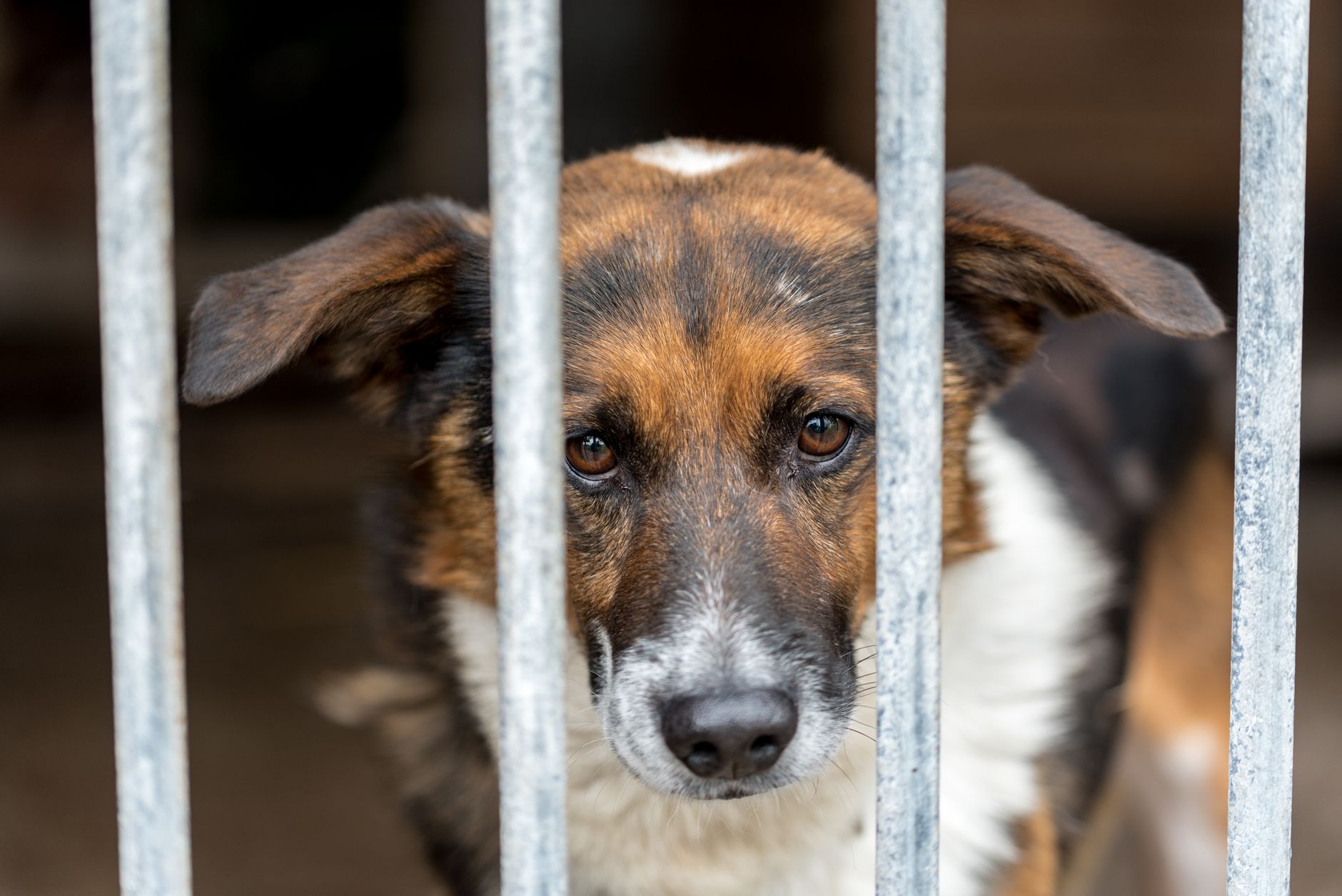
Understanding the Plight of Lost Dogs
Losing a dog is a terrifying experience for both pet and owner. The fear of the unknown, the worry about their safety, and the sheer helplessness can be overwhelming. But what happens to dogs that get lost? Understanding the common scenarios helps us to better prepare, protect, and, if necessary, recover our beloved companions. This article delves into the realities faced by lost dogs, offering insights and advice from a veterinary behaviorist’s perspective.

Is distilled water good for goldfish?
What colours are fish most attracted to?
Can you put your finger in a trout's mouth?
Is methylene blue anti bacterial?
Factors Influencing a Lost Dog’s Fate

Several factors significantly impact the survival and eventual outcome for a lost dog:
- Temperament: A friendly, outgoing dog is more likely to approach people for help, increasing its chances of being found. Conversely, a fearful or aggressive dog may hide, making rescue efforts more challenging.
- Location: Urban environments present different dangers (traffic, crowded shelters) than rural areas (wildlife, vast territories). Proximity to roads, water sources, and other hazards plays a critical role.
- Identification: A microchip and visible ID tag are essential for a quick reunion. Without identification, the dog’s chances of being reunited with its owner drastically decrease.
- Time Lost: The longer a dog is lost, the higher the risk of starvation, dehydration, injury, and behavioral changes due to stress and fear.
- Weather: Extreme temperatures, storms, and other adverse weather conditions can quickly endanger a lost dog’s life.
Common Scenarios for Lost Dogs
The journey of a lost dog can unfold in various ways:
- Immediate Recapture: A lucky dog might only be gone for a short time before being found nearby by its owner or a neighbor. This is often the case if the dog escapes from the yard but remains in the immediate vicinity.
- Shelter System Intake: Many lost dogs are picked up by animal control or good Samaritans and taken to local animal shelters. These facilities hold the dogs for a set period, allowing owners to claim them.
- Foster Care/Rescue: If a dog is found in poor condition or its owner cannot be located, a rescue organization might take it in for rehabilitation and eventual adoption.
- Survival in the Wild: Unfortunately, some dogs are lost for extended periods and attempt to survive on their own. This can lead to feralization, hunting for food, and exposure to various dangers.
- Tragic Outcomes: Regrettably, some lost dogs are never found, succumbing to accidents, starvation, or other fatal circumstances.
The Crucial Role of Identification
Identification is the most important factor in reuniting a lost dog with its owner.
- Microchips: Microchips are permanent, providing a unique identification number that can be scanned at shelters and veterinary clinics. Ensure your contact information is always up-to-date in the microchip registry.
- ID Tags: Visible ID tags on the dog’s collar should include the dog’s name, your phone number, and address. Consider adding information about any medical conditions or special needs.
| Identification Method | Advantages | Disadvantages |
|---|---|---|
| :——————— | :——————————————– | :————————————————- |
| Microchip | Permanent, reliable identification | Requires a scanner to read, not immediately visible |
| ID Tag | Immediately visible, provides contact info | Can be lost or damaged |
| GPS Collar | Real-time tracking, immediate location | Requires battery, can be expensive |
Preventing Loss: A Proactive Approach
The best way to ensure your dog’s safety is to prevent them from getting lost in the first place. Here are some preventive measures:
- Secure Fencing: Inspect your fence regularly for gaps or weaknesses. Ensure gates are securely latched.
- Leash Training: Train your dog to walk nicely on a leash and always keep them leashed in unfamiliar or potentially dangerous areas.
- Recall Training: Teach your dog a reliable recall command (come!). Practice regularly in various environments.
- Supervision: Never leave your dog unattended in public places, especially near busy roads.
- Fear-Free Handling: Be mindful of your dog’s anxieties and stressors. Avoid situations that might cause them to bolt or panic.
Resources for Finding a Lost Dog
If your dog does go missing, take immediate action:
- Search the Area: Thoroughly search your neighborhood, calling your dog’s name and shaking a treat bag.
- Contact Local Shelters: Call and visit local animal shelters and rescue organizations to report your missing dog.
- Online Resources: Post your dog’s picture and information on social media, lost pet websites (e.g., PetFBI, Lost Dogs of America), and community forums.
- Flyers and Posters: Create eye-catching flyers with a clear photo of your dog and your contact information. Post them in high-traffic areas.
- Offer a Reward: Offering a reward can incentivize people to actively search for your dog.
Emotional Impact on Owners
The experience of losing a dog can be emotionally devastating, leading to anxiety, guilt, and grief. Seeking support from friends, family, or a therapist can be helpful during this difficult time.
Frequently Asked Questions (FAQs)
What are the most common reasons dogs get lost?
Dogs get lost for various reasons, but common culprits include escaping through unsecured fences, being spooked by loud noises (fireworks, thunderstorms), slipping their leash, or wandering away during walks. Human error, like leaving a door open unintentionally, also contributes.
How long can a dog survive on its own?
A dog’s survival time depends on many factors, including access to water and food, the climate, and its overall health. Generally, a healthy dog can survive several days without food but only a few days without water, especially in hot weather.
Does a microchip guarantee my dog will be returned if lost?
While a microchip significantly increases the chances of reunion, it’s not a guarantee. The microchip information must be kept up-to-date, and the dog must be taken to a shelter or vet clinic with a scanner.
What should I do immediately after realizing my dog is missing?
Act immediately. Search your house and yard thoroughly, then expand your search to the immediate neighborhood. Contact local shelters and post on social media as soon as possible.
Are certain dog breeds more prone to getting lost?
Some breeds, particularly those with a strong hunting instinct or a high energy level, may be more prone to wandering. However, any dog can get lost, regardless of breed, if the circumstances allow.
Is it better to search for my dog during the day or at night?
Searching during both day and night is recommended. At night, quieter conditions may allow you to hear your dog’s barks or whimpers. Use a flashlight and call your dog’s name frequently.
How far can a dog travel when lost?
The distance a lost dog can travel varies greatly. Some dogs stay close to home, while others can roam miles away, especially if they are scared or chasing something. Don’t underestimate how far a determined dog can travel.
What are the signs that a lost dog is trying to survive in the wild?
Signs include noticeable weight loss, matted fur, increased wariness of humans, and scavenging for food. The dog might also become more nocturnal in its habits.
What is the best way to attract a lost dog back home?
Place familiar items like their bed, toys, and your clothing outside your door to create a scent trail. You can also leave out food and water, but be mindful of attracting other animals.
Should I offer a reward for finding my lost dog?
Offering a reward can motivate people to actively search for your dog. Be clear about the reward amount and the conditions for receiving it.
How does animal control handle lost dogs?
Animal control typically picks up stray dogs and brings them to the local animal shelter. They will scan for a microchip and attempt to contact the owner. If the owner cannot be found, the dog may be put up for adoption after a mandatory holding period.
What are the long-term psychological effects on a dog that has been lost?
A lost dog can experience significant stress and anxiety, leading to behavioral changes such as increased fearfulness, aggression, or separation anxiety. Professional behavioral training might be necessary to help the dog readjust.
What happens to dogs that get lost? It’s a stressful situation that hopefully, with preventative measures and quick action, can have a happy ending. Remember, being proactive is always the best approach.