

Can Coyotes Be Nice to Humans?
While interactions between humans and coyotes are frequently portrayed negatively, the question of can coyotes be nice to humans? is complex and depends heavily on context, habituation, and individual animal behavior; generally, coyotes are wild animals that prioritize their own survival and the well-being of their families, and direct, friendly interactions are extremely rare.
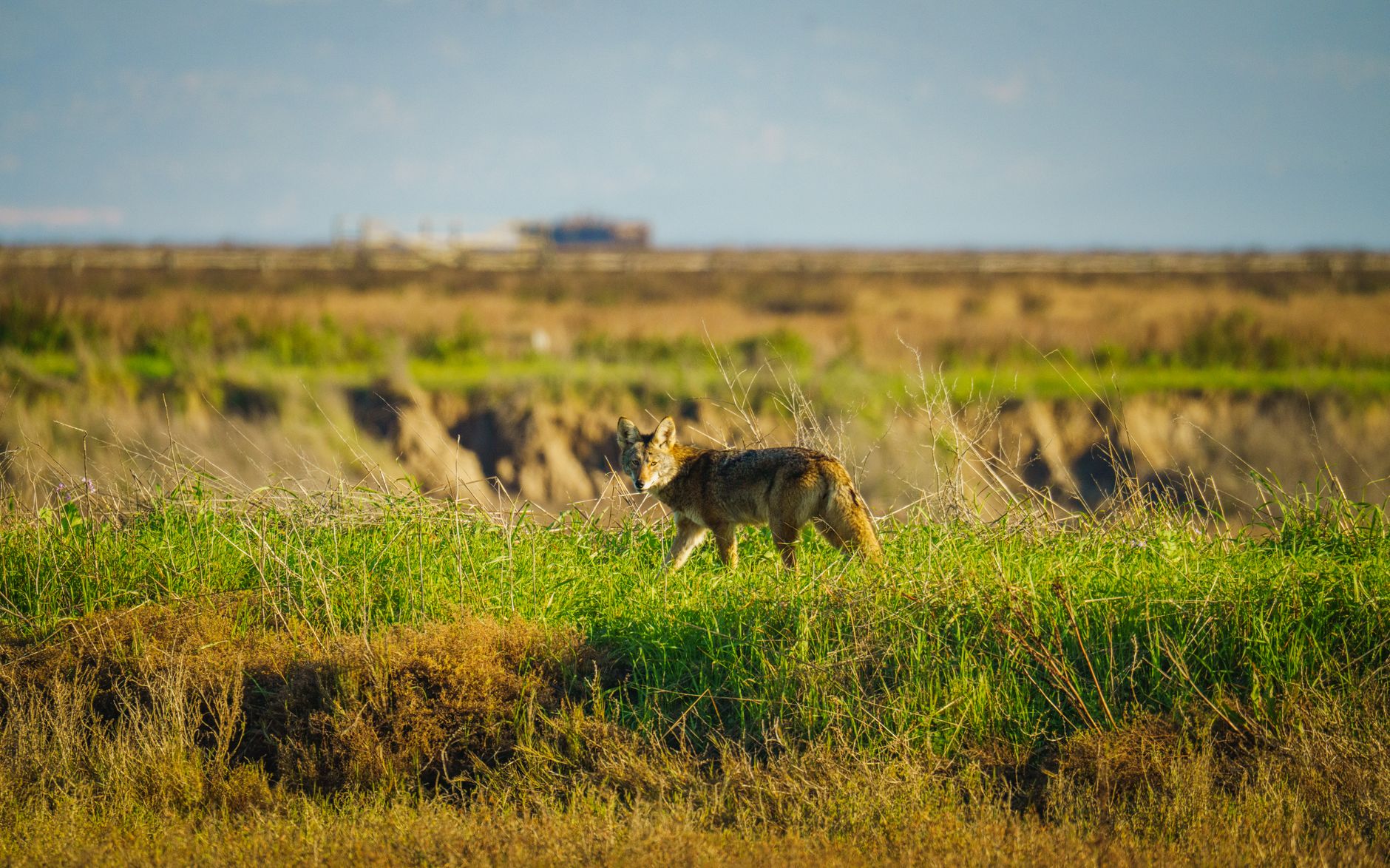
Understanding Coyote Behavior
Coyotes ( Canis latrans ) are highly adaptable canids found throughout North America. Understanding their behavior is crucial before considering the possibility of positive interactions. They are primarily predators, feeding on small mammals, birds, and occasionally fruits and vegetables. Their behavior is driven by survival instincts, including hunting, avoiding threats, and raising their young.
- Territoriality: Coyotes are territorial and will defend their hunting grounds against intruders, including other coyotes and sometimes even domestic dogs.
- Pack Structure: While often seen alone, coyotes can live in family groups or packs, particularly during breeding season. The pack structure influences their social interactions and hunting strategies.
- Habituation: Coyotes can become habituated to human presence, especially in areas where they are regularly exposed to humans without negative consequences or are unintentionally fed. This habituation can lead to bolder behavior.

What colours are fish most attracted to?
Can you put your finger in a trout's mouth?
Is methylene blue anti bacterial?
Does aquarium salt raise pH in aquarium?
The Factors Influencing Interactions

Several factors determine whether interactions between coyotes and humans are positive, neutral, or negative.
- Human Behavior: How humans behave in the presence of coyotes is critical. Approaching them, attempting to feed them, or acting aggressively can provoke negative responses.
- Food Availability: When natural prey is scarce, coyotes may be attracted to human settlements in search of food, increasing the likelihood of encounters.
- Habitat Changes: Urbanization and habitat fragmentation force coyotes to adapt and live closer to humans, increasing the frequency of interactions.
- Time of Year: Coyote behavior changes throughout the year. During breeding season (typically January to March), they are more territorial and protective. When pups are present (April to August), mothers are highly protective and may perceive threats even from non-threatening humans.
Debunking Myths: Coyotes as Villains
The perception of coyotes as villains is often fueled by media portrayals and isolated incidents. While coyotes can pose a threat to small pets and livestock, they are not inherently malicious.
- Predatory Nature: Coyotes are predators, and their natural instincts drive them to hunt. Attacks on pets are often mistaken as evidence of aggression towards humans, but are actually instances of predation.
- Exaggerated Reports: Media reports often sensationalize coyote encounters, creating a distorted picture of their behavior. It’s important to rely on scientific data and expert opinions.
- Benefits of Coyotes: Coyotes play a vital role in controlling rodent populations and maintaining ecological balance. Eliminating them can lead to an increase in other pest species.
Instances of Apparent “Friendliness”
While direct friendliness in the way humans understand it is unlikely, there are instances where coyote behavior might be interpreted as such.
- Curiosity: Coyotes are naturally curious animals. They may approach humans out of curiosity, but this should not be mistaken for friendliness.
- Lack of Fear: Habituated coyotes may exhibit a lack of fear towards humans, leading to closer encounters.
- Isolated Cases of Playful Behavior: Anecdotal reports exist of coyotes engaging in what appears to be playful behavior with humans, but these are rare and require careful interpretation. These behaviours are more likely to be seen as opportunistic resource guarding or territorial behaviour.
Safe Coexistence Strategies
Promoting safe coexistence is crucial for minimizing conflict and ensuring the well-being of both humans and coyotes.
- Do Not Feed Coyotes: Feeding coyotes habituates them to humans and encourages them to approach homes and businesses in search of food.
- Secure Garbage: Store garbage in tightly sealed containers to prevent coyotes from scavenging.
- Protect Pets: Keep pets indoors, especially at night, or supervise them closely when they are outside.
- Haze Coyotes: If you encounter a coyote that is not afraid of humans, haze it by making loud noises, throwing objects, or spraying it with a hose.
- Educate Others: Share information about coyote behavior and safe coexistence strategies with your community.
The Role of Conservation
Conservation efforts play a vital role in managing coyote populations and mitigating human-wildlife conflict.
- Habitat Preservation: Protecting natural habitats provides coyotes with ample space to roam and hunt, reducing the need to venture into human settlements.
- Responsible Wildlife Management: Implementing responsible wildlife management practices, such as regulated hunting and trapping, can help control coyote populations and minimize conflict.
- Public Education: Educating the public about coyote behavior and the importance of conservation promotes a better understanding and appreciation for these animals.
Frequently Asked Questions About Coyote Interactions
Can coyotes be dangerous to humans?
While coyote attacks on humans are rare, they can occur, especially if coyotes are habituated to humans or feel threatened. Most attacks involve pets. It is crucial to take precautions, such as keeping pets supervised and avoiding feeding coyotes.
Are coyotes more aggressive during certain times of the year?
Yes, coyotes tend to be more territorial and protective during breeding season (January to March) and when they have pups (April to August). It is especially important to be cautious during these times and avoid approaching coyote dens.
What should I do if I encounter a coyote?
If you encounter a coyote, remain calm and do not run. Make yourself look large by raising your arms and yelling. If the coyote approaches, haze it by making loud noises, throwing objects, or spraying it with a hose. Back away slowly while maintaining eye contact.
Can I feed coyotes?
No, you should never feed coyotes. Feeding them habituates them to humans and encourages them to approach homes and businesses in search of food. This can lead to increased conflict and potentially dangerous situations.
What is the best way to protect my pets from coyotes?
Keep pets indoors, especially at night, or supervise them closely when they are outside. Use leashes when walking pets and avoid areas known to be frequented by coyotes. Consider installing fencing around your yard to deter coyotes.
Are coyotes more likely to attack small dogs or cats?
Coyotes are more likely to prey on smaller animals, including small dogs and cats. These animals are often seen as easy targets, especially if they are left unsupervised.
How can I tell if a coyote is sick or rabid?
Signs of rabies in coyotes include erratic behavior, excessive drooling, aggression, and a lack of fear of humans. If you observe a coyote exhibiting these signs, contact your local animal control or health department immediately.
Do coyotes attack livestock?
Yes, coyotes can attack livestock, particularly sheep, goats, and poultry. Farmers and ranchers should implement preventative measures, such as using guard animals, fencing, and removing attractants.
Are coyotes protected by law?
Coyote protection laws vary by state and region. In some areas, coyotes are classified as non-game animals and are protected by hunting regulations. In others, they are considered predators and can be hunted without restrictions.
What is the role of coyotes in the ecosystem?
Coyotes play a crucial role in controlling rodent populations and maintaining ecological balance. They help prevent overpopulation of certain species and contribute to the overall health of the ecosystem.
How can I learn more about coyotes and coyote behavior?
Consult with local wildlife agencies, conservation organizations, and universities that conduct research on coyotes. These resources can provide valuable information and help you understand coyote behavior in your area.
What should I do if a coyote becomes aggressive towards me?
If a coyote becomes aggressive and attacks you, fight back. Use any available objects as weapons, such as rocks, sticks, or your fists. Report the incident to your local animal control or law enforcement agency immediately. Seek medical attention as soon as possible.