

What Happens If a Tick Is Never Removed? Unveiling the Risks
A tick left embedded in the skin can lead to serious localized infections and significantly increase the risk of contracting debilitating systemic diseases like Lyme disease and Rocky Mountain Spotted Fever. Simply put, what happens if a tick is never removed? You are setting yourself up for potential long-term health consequences.
The Tick’s Grasp: A Detailed Introduction
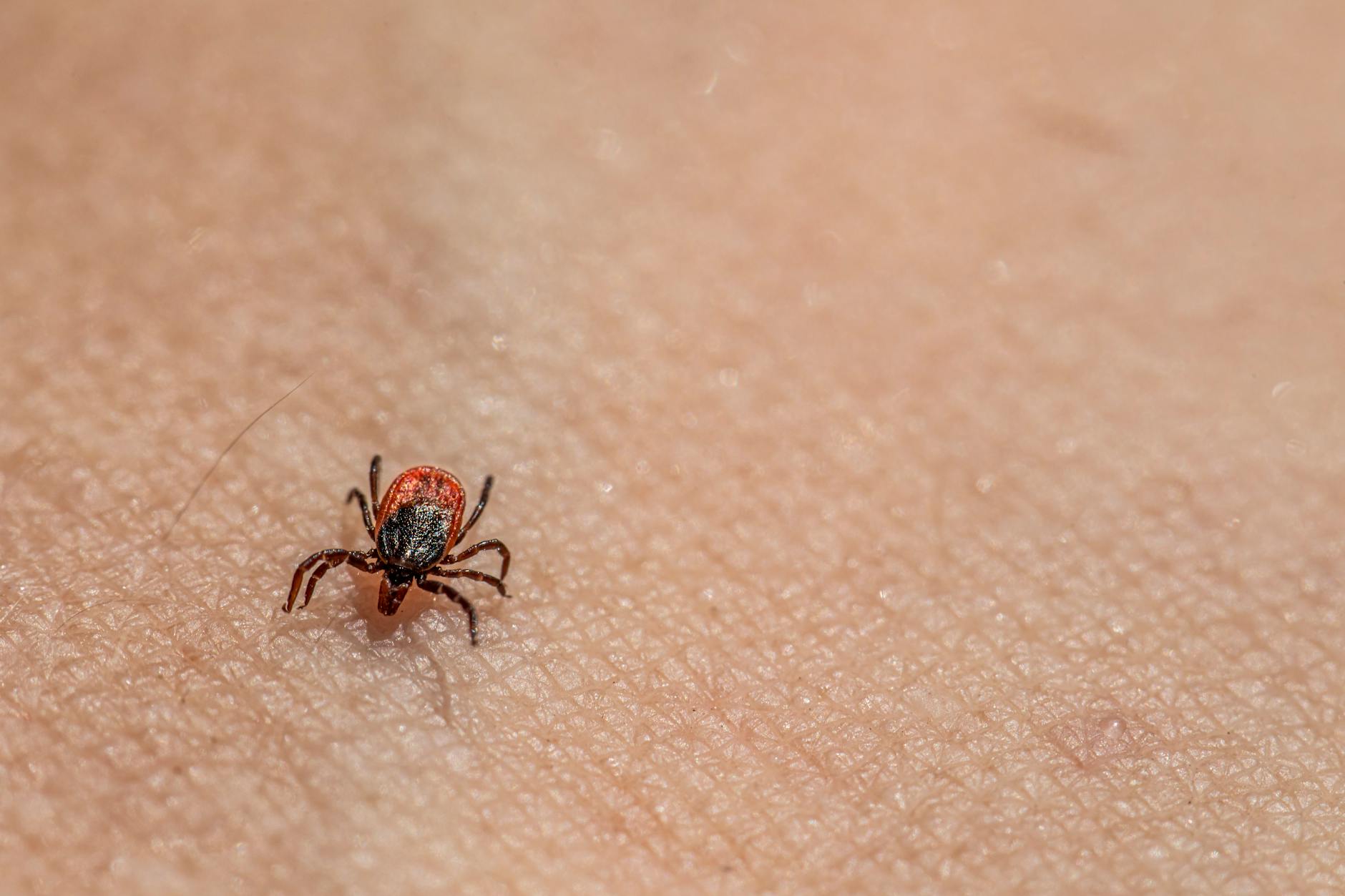
Ticks are tiny but tenacious arachnids that survive by feeding on the blood of various animals, including humans. These parasites are notorious for their ability to transmit a range of diseases. Understanding the implications of leaving a tick attached is crucial for protecting your health. A tick’s life cycle typically involves several stages – larva, nymph, and adult – each requiring a blood meal to progress. During this feeding process, they can transmit pathogens.
What colours are fish most attracted to?
Can you put your finger in a trout's mouth?
Is methylene blue anti bacterial?
Does aquarium salt raise pH in aquarium?
Why Prompt Removal is Essential

The longer a tick remains attached, the higher the risk of disease transmission. This is because disease-causing organisms reside in the tick’s saliva and are injected into the host during feeding. The risk escalates significantly after 24-48 hours of attachment, particularly for diseases like Lyme disease.
Here’s a breakdown of the increasing risk timeline:
- First 24 hours: Relatively low risk of most diseases.
- 24-48 hours: Risk of Lyme disease starts to increase noticeably.
- After 48 hours: Substantially increased risk of Lyme disease and other tick-borne illnesses.
- Multiple Days: Risk continues to rise, and localized skin reactions become more severe.
Localized Reactions: Immediate Consequences
Even without disease transmission, a tick bite can cause several localized reactions:
- Itching and Irritation: The initial bite often causes itching and redness.
- Granuloma Formation: The body might form a granuloma, a small nodule around the site, as an immune response to the tick’s mouthparts.
- Secondary Infections: If the bite area is scratched excessively, bacteria can enter, leading to a secondary bacterial infection.
- Tick Paralysis: In rare cases, certain tick species can secrete a neurotoxin that causes tick paralysis, a temporary ascending paralysis that resolves after tick removal.
Systemic Diseases: Long-Term Health Risks
The most significant danger of leaving a tick attached is the potential transmission of systemic diseases. These diseases can have long-lasting and debilitating effects if left untreated. Some of the most common tick-borne illnesses include:
- Lyme Disease: Characterized by a “bullseye” rash (erythema migrans), fever, fatigue, and joint pain. If untreated, it can lead to neurological and cardiac complications.
- Rocky Mountain Spotted Fever (RMSF): Presents with fever, headache, and a characteristic spotted rash. Can be fatal if not treated promptly with antibiotics.
- Ehrlichiosis: Causes fever, chills, headache, and muscle aches. In severe cases, it can lead to organ failure.
- Anaplasmosis: Similar symptoms to ehrlichiosis, including fever, headache, and muscle aches.
- Babesiosis: A malaria-like illness that causes fever, chills, and fatigue. It can be particularly severe in individuals with weakened immune systems.
What Happens If a Tick Is Never Removed? A Grim Scenario
Let’s imagine what happens if a tick is never removed and it remains attached for an extended period, even weeks. The consequences can be severe. The likelihood of contracting Lyme disease or another tick-borne illness is significantly higher. The local reaction around the bite area will worsen, potentially leading to a chronic, painful ulceration or infection. The tick itself will eventually detach after feeding, but the risk of disease transmission remains if it has already infected the host. Furthermore, locating and identifying the causative agent becomes much more challenging, complicating diagnosis and treatment.
Prevention Strategies: Minimizing Tick Encounters
Preventing tick bites is the best way to avoid the risks associated with tick attachment. Here are some effective prevention strategies:
- Wear protective clothing: When in tick-prone areas, wear long sleeves, long pants tucked into socks, and a hat.
- Use insect repellent: Apply insect repellent containing DEET, picaridin, or permethrin according to the product label.
- Stay on trails: Avoid walking through tall grass and brush.
- Perform tick checks: After spending time outdoors, thoroughly check yourself, your children, and your pets for ticks.
- Shower soon after being outdoors: Showering within two hours of coming indoors can help wash off unattached ticks and may reduce your risk of getting Lyme disease.
- Maintain your yard: Keep your lawn mowed and clear brush and leaf litter to reduce tick habitats.
Proper Tick Removal: A Step-by-Step Guide
If you find a tick attached to your skin, remove it promptly and correctly:
- Use fine-tipped tweezers: Grasp the tick as close to the skin’s surface as possible.
- Pull upward with steady, even pressure: Avoid twisting or jerking the tick, as this can cause the mouthparts to break off and remain in the skin.
- Clean the bite area: After removing the tick, thoroughly clean the bite area with soap and water or an antiseptic.
- Monitor for symptoms: Watch for signs of infection or illness, such as rash, fever, or flu-like symptoms, and consult a doctor if they develop.
What to Avoid During Tick Removal: Common Mistakes
Many incorrect methods circulate online, promising easy removal, but these are often ineffective and can even increase the risk of disease transmission. Avoid these methods:
- Applying heat: Burning the tick does not effectively remove it and can damage the skin.
- Using petroleum jelly, nail polish, or other substances: These methods may suffocate the tick but do not guarantee removal and can actually cause the tick to regurgitate its saliva, increasing the risk of disease transmission.
- Twisting or jerking: As mentioned earlier, this can cause the mouthparts to break off and remain in the skin.
Long-Term Monitoring and Medical Advice
Following tick removal, it’s vital to monitor for any signs of illness. If symptoms develop, consult a healthcare professional. Early diagnosis and treatment are crucial for preventing long-term complications of tick-borne diseases.
Frequently Asked Questions (FAQs)
What are the telltale signs that a tick has bitten you?
A tick bite often appears as a small, red bump, similar to a mosquito bite. Itching is common, and a small red ring may develop around the bite site. The appearance can vary, and some people may not notice the bite at all. Look for a dark, small object attached to the skin.
How long does a tick typically stay attached to a human?
A tick will remain attached as long as it needs to feed, which can range from a few hours to several days. The duration depends on the tick’s life stage, species, and how much blood it needs.
If the tick’s head breaks off in the skin, should I be concerned?
If the tick’s mouthparts break off in the skin, try to remove them carefully with clean tweezers. If you can’t remove them, clean the area and let it heal. The body will usually expel the fragments over time. However, monitor for signs of infection.
Can a tick bite cause permanent damage?
Yes, a tick bite can cause permanent damage if it results in a systemic disease that goes untreated. Diseases like Lyme disease can lead to chronic arthritis, neurological problems, and cardiac issues if not addressed promptly.
What is the incubation period for Lyme disease after a tick bite?
The incubation period for Lyme disease typically ranges from 3 to 30 days. The erythema migrans (bullseye rash) usually appears within 7 to 14 days after the tick bite.
Are some people more susceptible to tick-borne illnesses than others?
Yes, individuals with weakened immune systems are generally more susceptible to tick-borne illnesses. Factors like age, underlying health conditions, and medications can affect susceptibility.
Can pets get the same tick-borne diseases as humans?
Yes, pets can contract several of the same tick-borne diseases as humans, including Lyme disease, ehrlichiosis, and anaplasmosis. Protect your pets with tick prevention products and perform regular tick checks.
How accurate are the tests for Lyme disease?
Tests for Lyme disease can be accurate, but they are not perfect. The standard testing protocol involves a two-tiered approach: an ELISA test followed by a Western blot if the ELISA is positive or equivocal. False negatives can occur, especially early in the infection.
Are there any natural remedies for tick bites?
There are no scientifically proven natural remedies to prevent or treat tick-borne illnesses. Prompt tick removal and medical evaluation are crucial. Using essential oils or other home remedies instead of proper medical care can be dangerous.
What kind of doctor should I see if I suspect a tick-borne illness?
If you suspect a tick-borne illness, consult your primary care physician or an infectious disease specialist. Early diagnosis and treatment are essential for preventing long-term complications.
Can a tick bite transmit multiple diseases at once?
Yes, it is possible for a tick to transmit multiple diseases in a single bite. Ticks can carry multiple pathogens, and co-infections can complicate diagnosis and treatment.
Is it possible to be allergic to tick bites?
Yes, some people can develop allergic reactions to tick bites. These reactions can range from mild itching and swelling to severe anaphylaxis. Seek immediate medical attention if you experience difficulty breathing, hives, or swelling of the face or throat.