
Does My Dog Know I Saved His Life? Unveiling the Canine Gratitude
While definitive “proof” is elusive, mounting evidence suggests that dogs can recognize and appreciate life-saving actions, strengthening their bond and displaying gratitude. Understanding the nuances of canine cognition allows us to explore this profound connection.

Introduction: A Tale of Rescue and Recognition
The bond between humans and dogs is ancient and profound. Stories abound of canine loyalty and unwavering affection, but can dogs truly grasp the concept of being saved? Does my dog know I saved his life? While we can’t definitively climb into a dog’s mind, understanding canine cognition, behavior, and the power of positive reinforcement provides valuable insight. This article explores the scientific and anecdotal evidence that suggests dogs do possess the capacity to recognize and appreciate life-saving actions. We will delve into the mechanisms behind this recognition, the observable behaviors that signal gratitude, and address common questions about the canine understanding of danger and rescue.
Canine Cognition: More Than Just Tricks

Understanding whether a dog can comprehend being saved starts with grasping the basics of canine cognition. Dogs are not simply furry robots responding to commands. They possess sophisticated cognitive abilities, including:
- Associative Learning: Dogs excel at associating actions, words, and objects with specific outcomes. This is the basis of most dog training.
- Emotional Recognition: Dogs can recognize and respond to human emotions, often mirroring our feelings and displaying empathy.
- Problem Solving: While not on par with human problem-solving skills, dogs can navigate complex situations and learn to overcome obstacles.
- Memory: Dogs have excellent memories, particularly when it comes to experiences linked to strong emotions or survival.
This complex cognitive landscape allows them to form attachments, learn from experiences, and potentially understand when they are in danger and who is helping them.
Decoding the Signals: How Dogs Show Gratitude
If your dog understands that you saved his or her life, how might they show it? While dogs can’t verbally express their gratitude, they communicate through a range of behaviors:
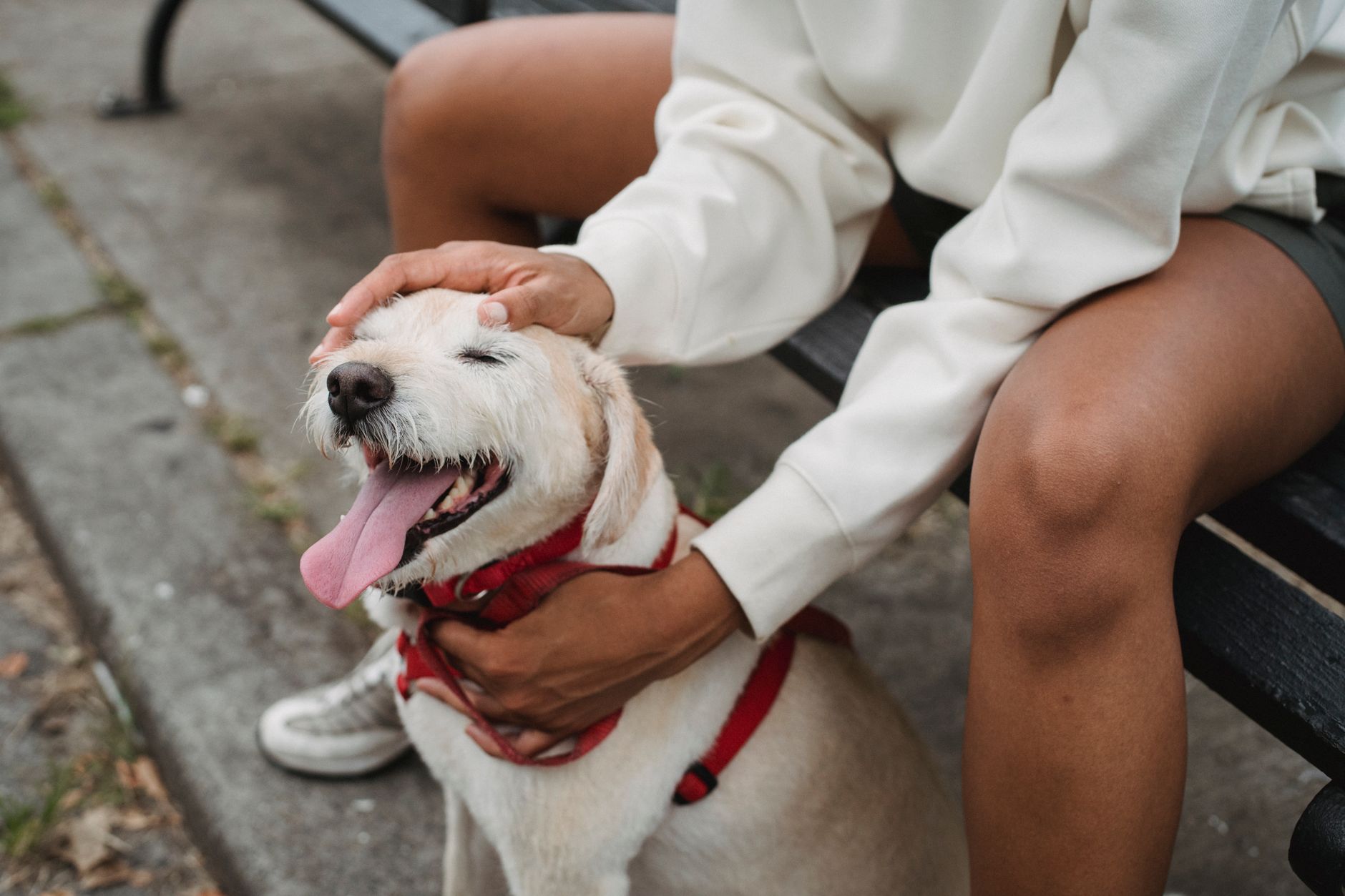
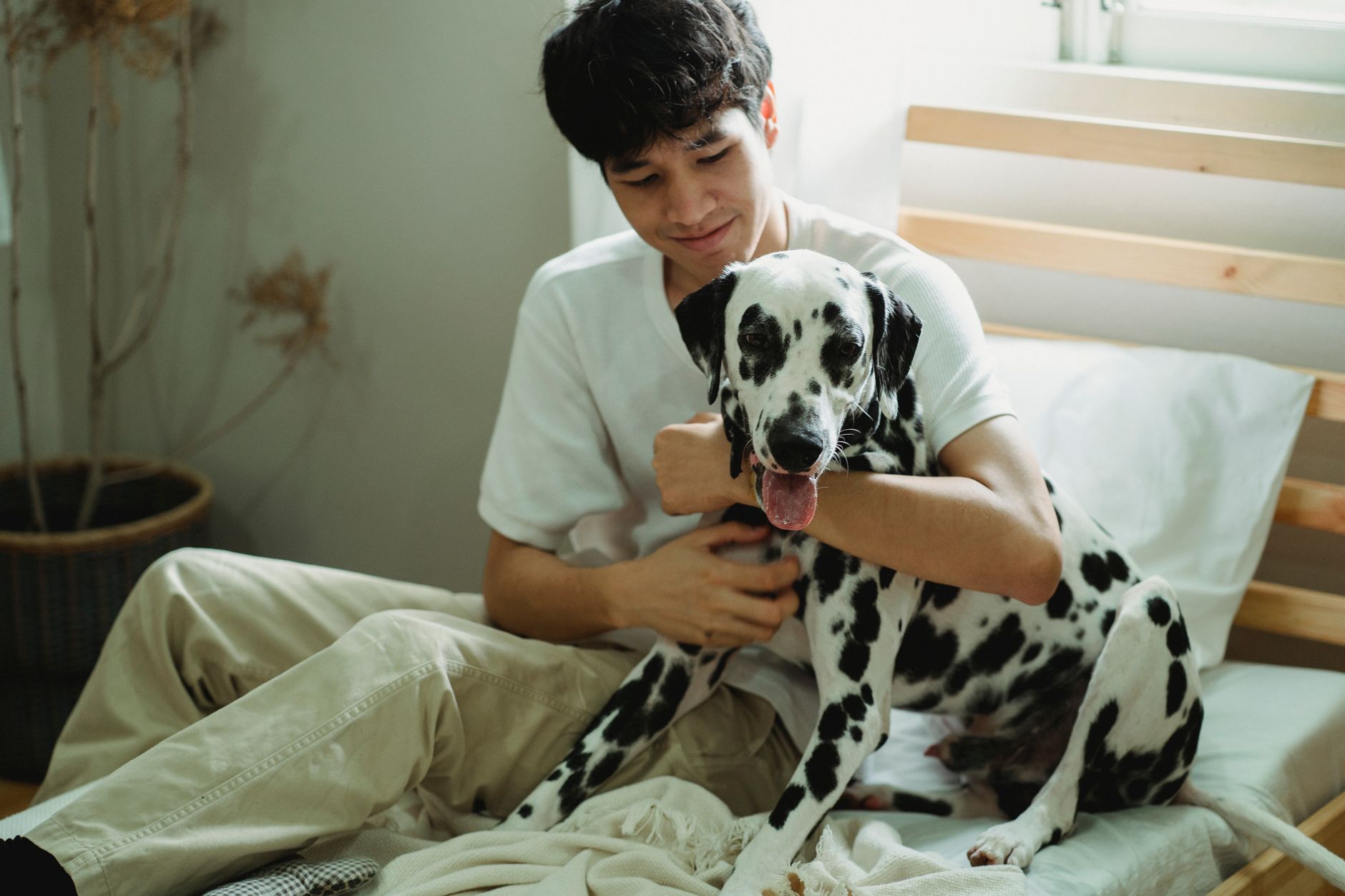
- Increased Affection: Dogs may become more clingy, seeking physical contact and displaying heightened affection like licking, nudging, and leaning.
- Elevated Obedience: A rescued dog may become more eager to please, responding more readily to commands and exhibiting increased attentiveness.
- Reduced Anxiety: If the rescue involved a traumatic event, the dog may show a reduction in anxiety and fear-related behaviors, feeling safer and more secure in your presence.
- Protective Behavior: Some dogs may develop a protective instinct towards their rescuer, acting as a guardian and exhibiting territorial behaviors.
- Playfulness: Increased playfulness can indicate a feeling of well-being and security, suggesting the dog associates you with positive experiences and safety.
The key is to look for changes in behavior that indicate an increased level of trust, affection, and security. The specific expressions of gratitude will vary depending on the dog’s personality and the nature of the rescue.
The Role of Positive Reinforcement
Even if a dog doesn’t consciously understand the full implications of being rescued, the positive reinforcement that typically follows a rescue can strengthen the bond and create positive associations. Providing comfort, food, and reassurance after a stressful event reinforces the connection between you and the dog, leading to feelings of safety and trust.
Consider this hypothetical example:
| Scenario | Action | Positive Reinforcement | Outcome |
|---|---|---|---|
| Dog lost in woods | Owner finds and brings dog home safely | Warm bath, favorite food, lots of cuddles | Stronger bond, increased trust, positive association with owner |
| Dog hit by car | Owner rushes dog to vet for treatment | Pain relief, comfort, care | Deeper attachment, feeling of safety, reduced fear |
| Dog choking | Owner performs Heimlich maneuver | Relief, comfort, immediate reward | Enhanced trust, gratitude through positive association |
The Caveats: Avoiding Anthropomorphism
It is crucial to avoid anthropomorphism – attributing human emotions and thought processes to animals. While it’s tempting to believe your dog understands the full implications of your actions, their understanding is likely based on association, emotional response, and instinct rather than a complex understanding of mortality and rescue. Appreciate the bond you share without projecting human-like thought onto your canine companion.
Frequently Asked Questions (FAQs)
Do dogs understand the concept of danger?
Yes, dogs have an instinctive understanding of danger. They can sense threats through visual cues, smells, and sounds. Their flight-or-fight response is a primal instinct designed to protect them from harm. However, their understanding of danger is often instinctual rather than intellectual.
Can dogs recognize their rescuers if they are found later?
Dogs have excellent memories and can often recognize people who have helped them, even after a significant amount of time. This recognition is based on a combination of factors, including scent, appearance, and voice. The strength of the initial bond also plays a significant role.
Does my dog know I saved his life even if he was unconscious at the time?
Even if your dog was unconscious during the rescue, they might still recognize your actions later through your presence, care, and the overall feeling of safety you provide. The initial scent and comfort you provide, even unconsciously, can still create a positive association that leads to recognition later.
Are some dog breeds more likely to show gratitude than others?
While breed-specific traits can influence behavior, gratitude is more about individual personality and the strength of the bond with the rescuer. Any breed is capable of showing gratitude, given the right circumstances.
How can I strengthen the bond with my rescued dog?
Consistent positive reinforcement is key. Provide a safe and loving environment, engage in regular play and exercise, and offer plenty of affection and attention. Building trust and creating positive associations will deepen your bond.
Is it possible for a dog to develop PTSD after a near-death experience?
Yes, dogs can develop PTSD after experiencing a traumatic event. Symptoms can include anxiety, fear, aggression, and avoidance behaviors. Consult a veterinarian or certified canine behaviorist for diagnosis and treatment.
What is the best way to comfort a dog after a traumatic event?
Create a calm and safe environment. Provide reassurance through gentle touch and soothing words. Avoid overwhelming the dog with attention. Allow them to recover at their own pace.
Can dogs understand that humans are different from them?
Yes, dogs are capable of distinguishing humans from other animals. They recognize differences in appearance, scent, and behavior. They also understand that humans are their caregivers and providers.
What are some signs that my dog is feeling insecure or anxious?
Signs of anxiety in dogs can include excessive barking, pacing, panting, trembling, destructive behavior, and changes in appetite. Consult a veterinarian if you notice any concerning behavioral changes.
Can my dog form a stronger bond with me after I saved his life?
Absolutely. The experience of being rescued can significantly strengthen the bond between a dog and its rescuer. The feeling of safety and security you provide will deepen their trust and affection.
How can I tell if my dog is just being obedient or actually grateful?
Obedience is often driven by training and the desire to please, while gratitude is a deeper emotional response. Look for signs of increased affection, attentiveness, and a general sense of well-being. Combine these behaviors with increased obedience to assess a genuine expression of gratitude.
If I adopt a rescued dog, will they eventually understand that I saved them from the shelter?
While they may not understand the specific circumstances of their rescue from a shelter, they will likely sense your care and commitment. Over time, they will develop a strong bond with you based on the love and security you provide. This, in itself, is a form of gratitude and recognition.