

What Happens if a Hummingbird Drinks Fermented Nectar?
If a hummingbird drinks fermented nectar, it will likely experience symptoms similar to alcohol intoxication, ranging from loss of coordination to, in extreme cases, coma or death. This is due to the alcohol content in the nectar, which, even in small quantities, can be detrimental to these tiny birds.
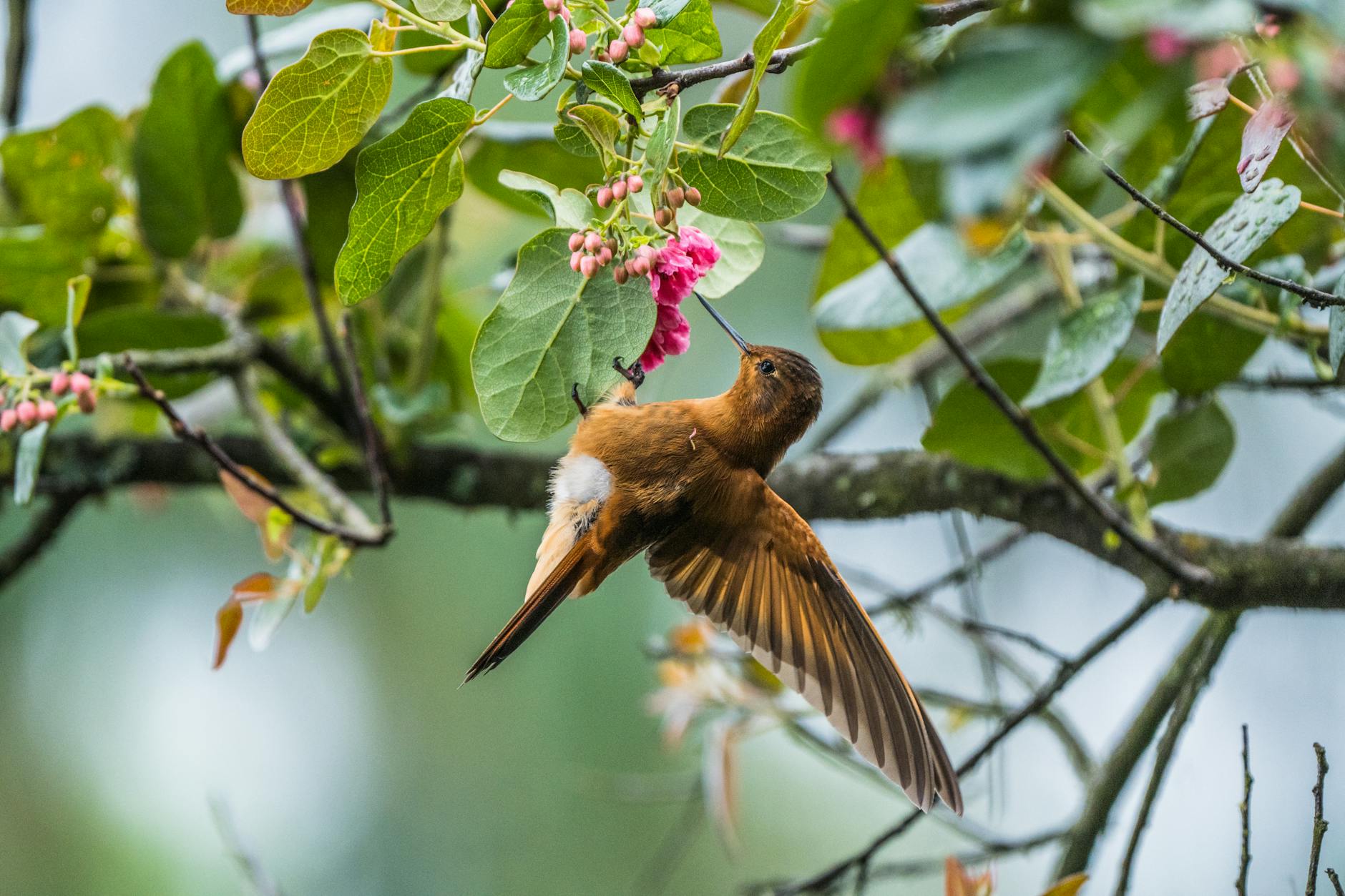
Introduction: The Sweet and Sour Reality of Fermented Nectar
Hummingbirds are celebrated for their dazzling speed, delicate beauty, and crucial role in pollination. Their primary food source, nectar, is a sweet reward provided by flowering plants. However, this vital energy source can sometimes turn treacherous. When nectar ferments, it produces alcohol, posing a serious threat to these diminutive creatures. This article explores what happens if a hummingbird drinks fermented nectar, the potential consequences, and how to prevent this dangerous situation.
What colours are fish most attracted to?
Can you put your finger in a trout's mouth?
Is methylene blue anti bacterial?
Does aquarium salt raise pH in aquarium?
Understanding Nectar Fermentation

Nectar, a sugary liquid, is an ideal breeding ground for yeast. Under specific conditions, such as warm temperatures and the presence of yeast spores, fermentation occurs.
-
Process of Fermentation: Yeast converts the sugars in nectar (primarily sucrose, glucose, and fructose) into ethanol (alcohol) and carbon dioxide.
-
Factors Influencing Fermentation:
- Temperature: Warmer temperatures accelerate fermentation.
- Yeast Presence: Yeast spores are naturally present in the environment.
- Cleanliness: Dirty feeders are more prone to fermentation.
- Nectar Composition: Higher sugar concentrations can initially inhibit yeast, but eventually provide more substrate for fermentation.
The alcohol content in fermented nectar can vary, but even low concentrations can be dangerous to hummingbirds.
The Physiological Effects of Alcohol on Hummingbirds
Hummingbirds have a remarkably high metabolism, which allows them to hover and perform aerial acrobatics. However, this high metabolism also means they are extremely sensitive to toxins, including alcohol. What happens if a hummingbird drinks fermented nectar? The effects can be devastating.
-
Neurological Impairment: Alcohol affects the hummingbird’s nervous system, leading to:
- Loss of coordination: Difficulty hovering, flying straight, or landing.
- Disorientation: Confusion about location and direction.
- Slowed reflexes: Reduced ability to react to danger.
-
Metabolic Strain: Hummingbirds’ livers are not equipped to process significant amounts of alcohol. This can lead to:
- Liver damage: In severe cases, alcohol toxicity can damage the liver.
- Dehydration: Alcohol can have a diuretic effect, leading to dehydration.
- Hypothermia: Alcohol can impair the body’s ability to regulate temperature, leading to hypothermia, especially at night.
-
Increased Vulnerability: An intoxicated hummingbird is more vulnerable to predators, accidents, and starvation.
Signs of Intoxication in Hummingbirds
Recognizing the signs of alcohol intoxication in hummingbirds is crucial for intervention. Symptoms may include:
- Erratic flight patterns.
- Difficulty landing on feeders or perches.
- Lethargy and lack of activity.
- Falling off branches or feeders.
- Appearing disoriented or confused.
If you observe these signs, take immediate action (described in the next section).
Prevention and Mitigation Strategies
Preventing nectar fermentation is the best way to protect hummingbirds. What happens if a hummingbird drinks fermented nectar? Avoiding that scenario entirely is the goal.
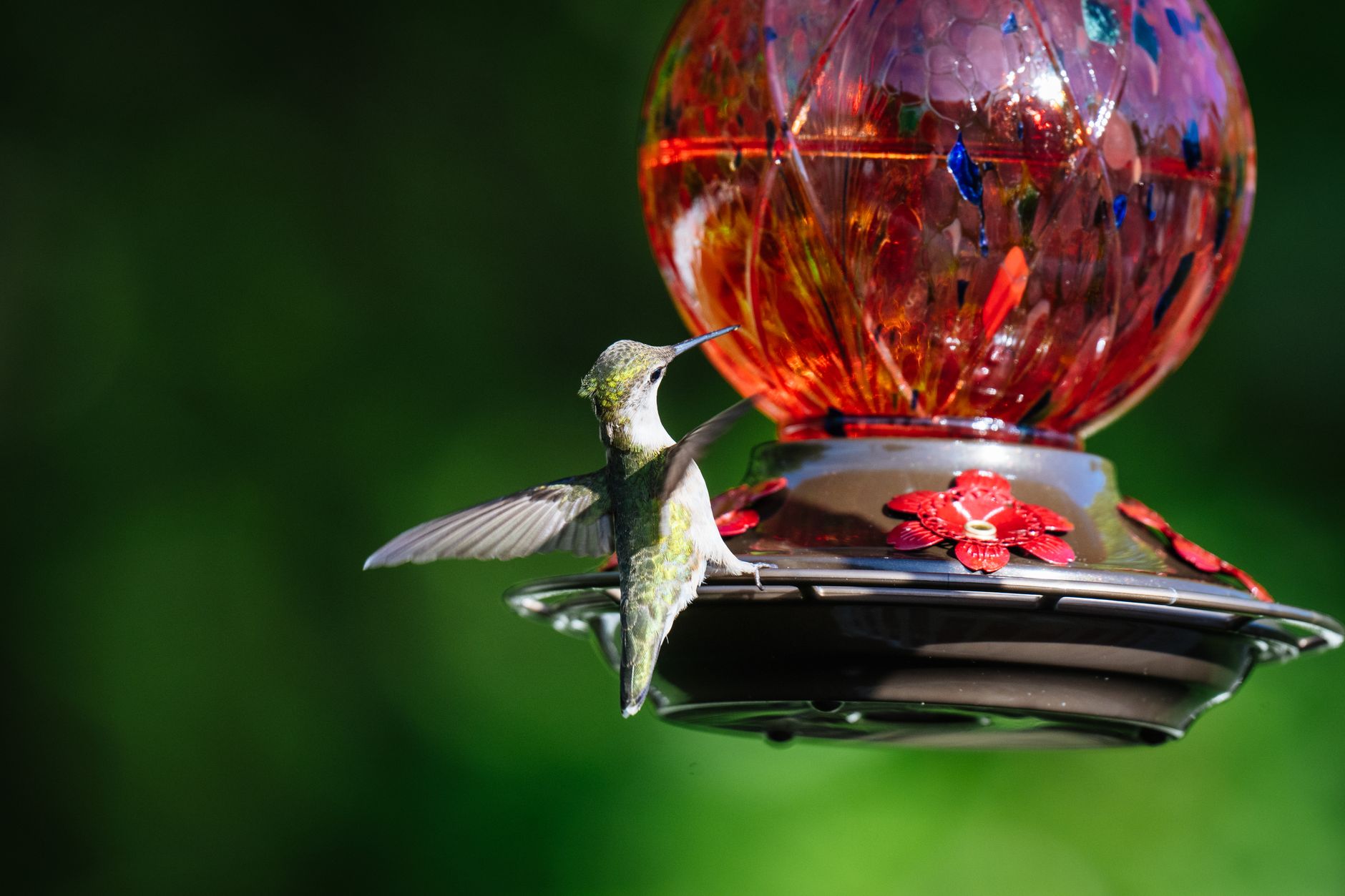
- Regular Cleaning: Clean hummingbird feeders at least twice a week during warm weather and once a week during cooler weather. Use hot soapy water and a bottle brush. Rinse thoroughly.
- Nectar Preparation: Prepare fresh nectar using the correct ratio of water to sugar (usually 4:1). Avoid using honey or artificial sweeteners.
- Proper Storage: Store prepared nectar in the refrigerator for no more than two weeks.
- Feeder Placement: Place feeders in shaded areas to minimize sun exposure, which can accelerate fermentation.
- Feeder Type: Consider using feeders that are designed to minimize nectar exposure to air.
If you suspect a hummingbird has consumed fermented nectar, provide it with fresh water and a safe place to rest. Contact a wildlife rehabilitator if the bird appears severely impaired.
The Bigger Picture: Threats to Hummingbird Populations
While fermented nectar is a specific threat, it is important to understand the broader context of hummingbird conservation.
- Habitat Loss: Destruction of natural habitats is a major threat.
- Pesticide Use: Pesticides can kill insects that hummingbirds rely on for protein.
- Climate Change: Shifts in flowering patterns can disrupt hummingbird migration and breeding.
- Human Interference: Direct harm, such as trapping or poisoning, can also impact populations.
Table: Comparing Fresh and Fermented Nectar
| Feature | Fresh Nectar | Fermented Nectar |
|---|---|---|
| Appearance | Clear, transparent | Cloudy, sometimes with bubbles |
| Smell | Sweet, faint floral scent | Sour, yeasty, or alcoholic smell |
| Taste | Sweet | Sour, bitter, or alcoholic taste |
| Alcohol Content | None | Varies, but present (even in low amounts) |
| Risk to Birds | Safe and beneficial | Harmful and potentially fatal |
Frequently Asked Questions (FAQs)
What is the ideal sugar-to-water ratio for hummingbird nectar?
The recommended sugar-to-water ratio for hummingbird nectar is 4 parts water to 1 part refined white sugar. Do not use honey, brown sugar, or artificial sweeteners, as these can be harmful.
How often should I change the nectar in my hummingbird feeder?
During hot weather (above 80°F), change the nectar every 1-2 days. In cooler weather, change it every 3-5 days. This prevents fermentation and mold growth.
Can hummingbirds get addicted to fermented nectar?
While not scientifically proven in hummingbirds, it’s plausible that they can develop a preference for the sugary-alcoholic mix. It’s crucial to provide only fresh, non-fermented nectar to prevent this.
Is it safe to add food coloring to hummingbird nectar?
No, it is not safe to add food coloring to hummingbird nectar. The red dye used in some food colorings can be harmful to hummingbirds. Feeders with red accents are sufficient to attract the birds.
What should I do if I find a hummingbird that appears to be intoxicated?
Place the bird in a safe, quiet place away from predators. Provide a shallow dish of fresh water. If the bird does not recover within a few hours, contact a local wildlife rehabilitator.
Can other animals be affected by fermented nectar?
Yes, other animals, such as bees, butterflies, and even squirrels, can be affected by fermented nectar. It is important to keep feeders clean to protect all wildlife.
Does the type of feeder affect the rate of fermentation?
Some feeders are more prone to fermentation than others. Feeders with open reservoirs or those that are difficult to clean can encourage the growth of yeast and bacteria. Dish-shaped feeders tend to be better, because the hummingbirds tongue acts as a wiper that keeps the holes clean.
How can I tell if my hummingbird nectar has fermented?
Fermented nectar will often appear cloudy and may have a sour or yeasty smell. Taste a small amount (if you dare) – it will taste sour or alcoholic rather than sweet.
Are there any natural alternatives to sugar for hummingbird nectar?
There are no safe natural alternatives to refined white sugar for hummingbird nectar. Honey and other sweeteners can contain harmful substances and nutrients that can harm hummingbirds.
Does fermented nectar provide any nutritional value to hummingbirds?
No, fermented nectar provides minimal to no nutritional value to hummingbirds. The alcohol content can actually be harmful, negating any potential benefits from the remaining sugars.
What are the long-term consequences of a hummingbird regularly drinking fermented nectar?
Regular consumption of fermented nectar can lead to liver damage, neurological problems, and a weakened immune system in hummingbirds, ultimately shortening their lifespan.
Is it possible for a hummingbird to die from drinking fermented nectar?
Yes, it is possible for a hummingbird to die from drinking fermented nectar, especially if the nectar has a high alcohol content or if the bird is small or already weakened. Overdosing can cause coma and death.