
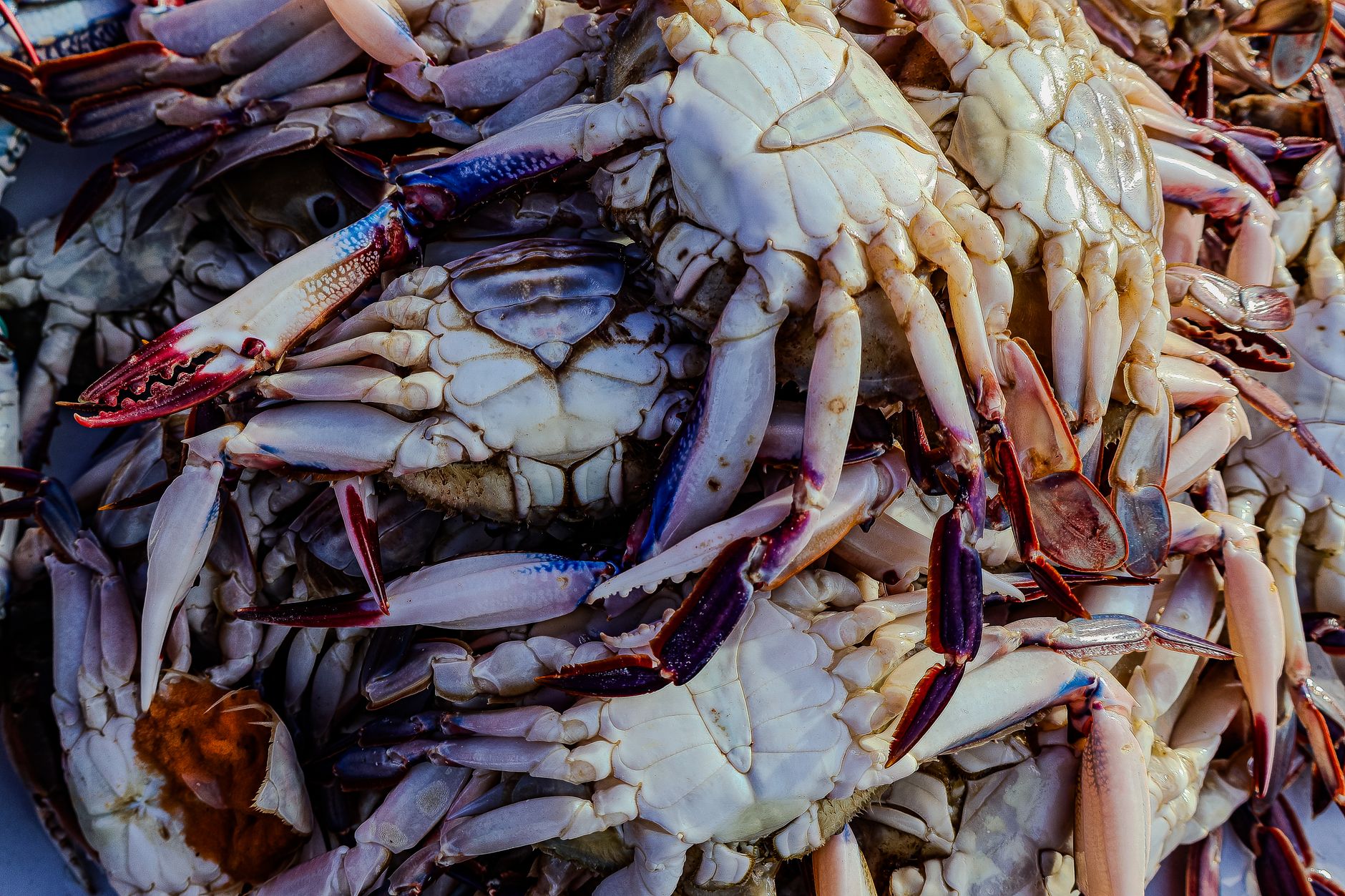
Can You Eat The Brown Stuff in a Crab? The Definitive Guide
The brown stuff found inside a cooked crab, also known as the tomalley, is a subject of much debate. While some consider it a delicacy, others avoid it due to potential health concerns. In short, the answer is complicated and depends on factors like crab origin and individual health conditions.

What is Tomalley? Understanding the “Brown Stuff”
The tomalley is the crab’s hepatopancreas, essentially functioning as the liver and pancreas in vertebrates. It filters toxins from the crab’s blood and plays a crucial role in digestion. This dual function is precisely why some people are wary of consuming it. Can you eat the brown stuff in a crab? That depends on what the crab has been eating and exposed to.
The Allure of Tomalley: Flavor and Cultural Significance

For many, the tomalley is the most prized part of the crab. Its rich, creamy texture and intensely savory flavor are often described as a concentrated essence of the sea. In some cultures, it’s considered a delicacy and is used in various culinary applications, such as sauces, soups, and spreads. Its unique umami flavor is a significant draw for adventurous eaters.
The Concerns: Potential Toxins and Contaminants
The main reason people hesitate when asked “Can you eat the brown stuff in a crab?” stems from potential contamination. Because the tomalley is the crab’s filtering organ, it can accumulate pollutants and toxins from the crab’s environment. These can include heavy metals, pesticides, and other harmful substances. The level of contamination varies greatly depending on the crab’s habitat and feeding habits.
Geographical Variations: Risk Factors by Location
The safety of consuming tomalley varies significantly based on the crab’s origin. Crabs harvested from polluted waters are more likely to contain higher levels of contaminants. Coastal areas near industrial plants or agricultural runoff zones are particularly susceptible. Always check with local health advisories and regulations regarding seafood consumption in your area. Knowing where your crab comes from is critical in determining whether can you eat the brown stuff in a crab.
Health Considerations: Who Should Avoid Tomalley?
While some individuals can consume tomalley without apparent adverse effects, certain groups should avoid it altogether. These include:
- Pregnant women: Potential toxins can harm fetal development.
- Children: Children are more susceptible to the effects of contaminants due to their smaller body size.
- Individuals with pre-existing health conditions: Those with liver or kidney problems may be more vulnerable to the effects of accumulated toxins.
- People with shellfish allergies: While not directly related to the tomalley, shellfish allergies are a serious concern with any crab consumption.
Minimizing Risk: Tips for Safer Consumption
If you choose to consume tomalley, there are steps you can take to minimize potential risks:
- Source your crabs from reputable suppliers who can verify their origin and water quality.
- Check local health advisories for warnings about seafood contamination in your area.
- Limit your consumption of tomalley.
- Thoroughly cook the crab to kill any potential bacteria or parasites.
Alternatives: Enjoying Crab Safely
If you are concerned about the risks associated with tomalley, you can still enjoy the rest of the crab meat. The body meat and claw meat are generally considered safe to eat, as they do not accumulate toxins to the same extent as the tomalley. Focus on these parts of the crab and discard the tomalley if you have any doubts.
A Summary of the Decision
Ultimately, the decision of whether or not to eat the brown stuff in a crab is a personal one. Weigh the potential risks against the potential benefits, considering your own health status, the crab’s origin, and your comfort level. If you are unsure, it’s always best to err on the side of caution.

Frequently Asked Questions (FAQs)
Is tomalley considered safe to eat in all crabs?
No, it is not considered safe in all crabs. The safety depends heavily on the crab’s origin and the potential for environmental contamination in that location. Areas with industrial runoff or heavy agricultural activity may pose a higher risk.
What does tomalley taste like?
Tomalley has a very distinctive flavor: rich, intensely savory, and often described as a concentrated essence of the sea. It possesses a strong umami flavor that many find highly appealing. The texture is creamy and somewhat grainy.
Does cooking the crab make the tomalley safer to eat?
While cooking kills bacteria and parasites, it does not eliminate heavy metals or other chemical contaminants that may be present in the tomalley. Cooking is essential for food safety but does not address the primary risk associated with the tomalley.
How can I tell if a crab is from a safe source?
The best way to ensure a crab is from a safe source is to purchase it from a reputable supplier who can provide information about the crab’s origin and harvesting practices. Look for certifications or labels that indicate sustainable and responsible sourcing.
Are there any health benefits to eating tomalley?
Tomalley contains some nutrients, such as vitamins and minerals, but these are outweighed by the potential risks associated with toxins and contaminants. Therefore, it’s generally not recommended as a source of nutrition.
What happens if I eat contaminated tomalley?
The effects of eating contaminated tomalley can vary depending on the type and amount of contaminant present. Possible symptoms include nausea, vomiting, diarrhea, and in more severe cases, long-term health problems. Seek medical advice if you experience any adverse symptoms after consuming tomalley.
Can I remove the contaminants from tomalley by processing it?
No, there is no practical way to remove contaminants from tomalley once they are present. Cooking, washing, or other processing methods will not eliminate heavy metals or other persistent pollutants.
Is the tomalley the same thing as crab fat?
Tomalley is often referred to as crab fat, but this is a misnomer. The tomalley is the crab’s hepatopancreas, an organ with digestive and filtering functions, while fat is a distinct type of tissue.
Are certain crab species safer to eat the tomalley from than others?
Generally, the safety of eating tomalley depends more on the crab’s environment than its species. However, larger, older crabs may accumulate more toxins over their lifespan.
What should I do if I accidentally eat tomalley from a crab of unknown origin?
If you accidentally consume tomalley from a crab of unknown origin, monitor yourself for any adverse symptoms. Stay hydrated and consult a doctor if you experience any unusual health issues.
Is it legal to sell crabs with potentially contaminated tomalley?
Regulations regarding the sale of seafood vary by location. In many areas, there are regulations and monitoring programs in place to ensure that seafood sold to consumers is safe. However, it’s still crucial to be an informed consumer and exercise caution.
Does all tomalley look the same?
The appearance of tomalley can vary depending on the crab species, its diet, and its health. The color can range from greenish-brown to yellowish-orange. The texture should be creamy and slightly grainy. Significant variations in color or texture could indicate a problem, but are not definitive indicators of safety. The best rule of thumb is if you’re unsure if can you eat the brown stuff in a crab, it’s always better to err on the side of caution.