

What Happened to Bali Tigers? A Story of Extinction
The Bali tiger (Panthera tigris balica) is extinct, driven to oblivion primarily by habitat loss and relentless hunting, with the last confirmed sighting occurring in 1937, marking a tragic chapter in conservation history.

The Shadow of Extinction: Understanding the Bali Tiger’s Fate
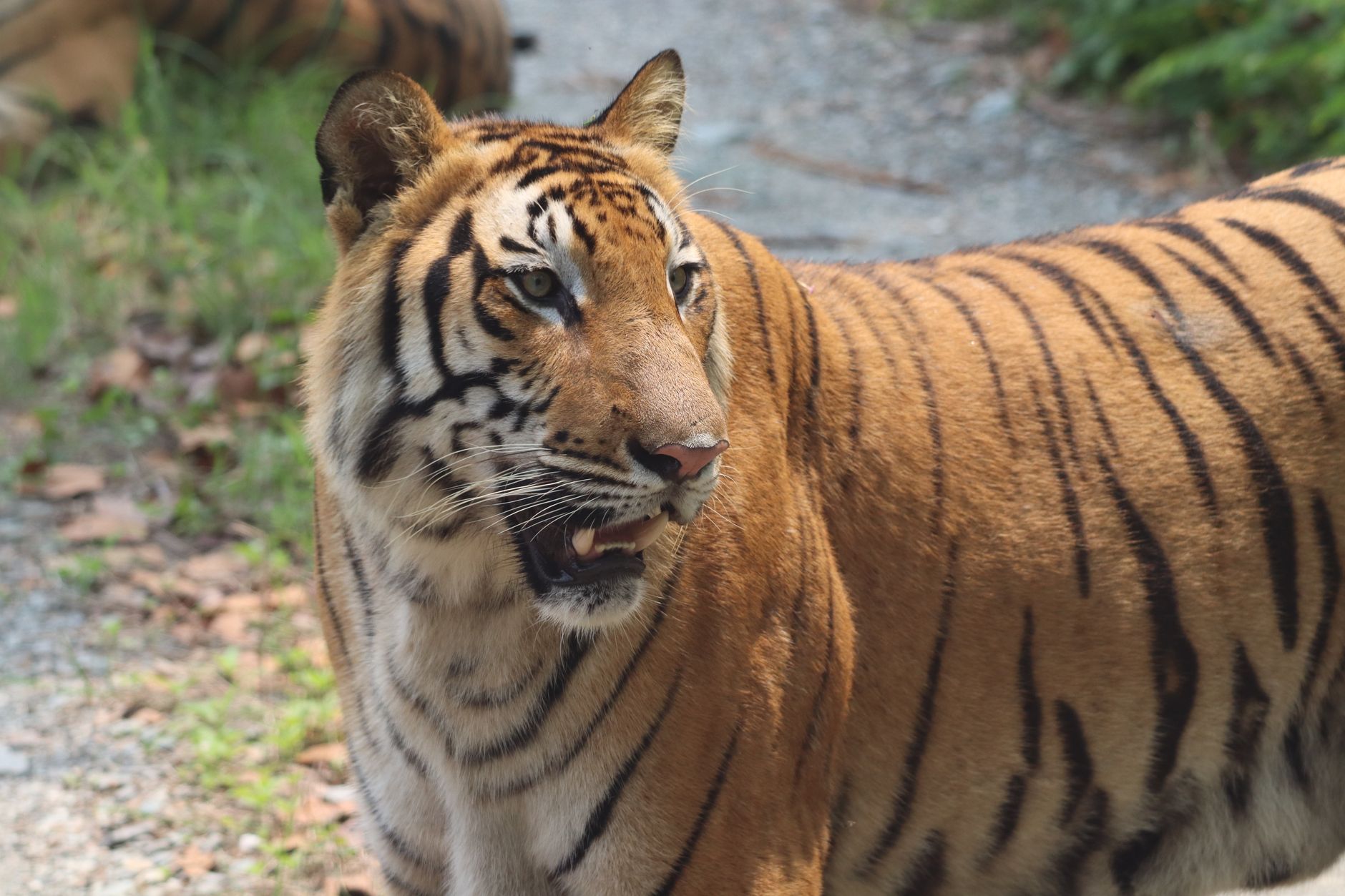
The Bali tiger, the smallest of the tiger subspecies, once roamed the Indonesian island of Bali. Its demise is a stark reminder of the devastating impact of human activity on fragile ecosystems. Understanding what happened to Bali Tigers requires delving into the specific historical context and ecological pressures that led to their extinction. This isn’t just a historical footnote; it’s a critical lesson for modern conservation efforts aimed at protecting other endangered species.
Is distilled water good for goldfish?
What colours are fish most attracted to?
Can you put your finger in a trout's mouth?
Is methylene blue anti bacterial?
A Glimpse into the Past: The Bali Tiger’s Natural Habitat

Before its extinction, the Bali tiger inhabited the island’s diverse landscapes, including mangrove forests, rainforests, and savannahs. Smaller than its relatives, the Sumatran and Javan tigers, the Bali tiger adapted to the unique ecological niche of its isolated island home. Its diet consisted primarily of wild pigs, deer, and monkeys. The dense vegetation provided cover, allowing the tigers to ambush prey effectively. Their existence was intrinsically linked to the health and preservation of these habitats, a crucial element in understanding what happened to Bali Tigers.
The Deadly Combination: Habitat Loss and Hunting
Two primary factors contributed to the extinction of the Bali tiger:
-
Habitat Loss: As the human population of Bali grew, forests were cleared for agriculture and settlements, drastically reducing the tiger’s hunting grounds and forcing them into ever-smaller pockets of suitable habitat. This fragmentation made it difficult for tigers to find mates and sustain viable populations.
-
Hunting: The Bali tiger was actively hunted, both as a perceived threat to livestock and as a target for trophy hunting. The Balinese also held the tiger in high regard, using parts of the animal for traditional medicine and rituals, further contributing to the hunting pressure. This relentless persecution, coupled with dwindling habitat, proved fatal.
The Final Decline: The Last Confirmed Sighting
By the early 20th century, the Bali tiger population was already in sharp decline. Despite anecdotal reports, the last confirmed sighting of a Bali tiger was in 1937, near Sumber Kima in West Bali. Subsequent surveys failed to find any evidence of their continued existence, leading to their official declaration of extinction in 2003 by the IUCN. Understanding the timeline of what happened to Bali Tigers underscores the rapid pace of their disappearance.
Lessons Learned: Preventing Future Extinctions
The story of the Bali tiger serves as a crucial lesson in conservation. It highlights the need for:
- Habitat Preservation: Protecting and restoring natural habitats is paramount to ensuring the survival of endangered species.
- Anti-Poaching Efforts: Combating illegal hunting and trafficking is essential for preventing population declines.
- Community Engagement: Involving local communities in conservation efforts can foster a sense of stewardship and promote sustainable practices.
- Scientific Monitoring: Continuous monitoring of endangered species populations is necessary to track their progress and identify potential threats.
The extinction of the Bali tiger is a tragedy that should inspire us to redouble our efforts to protect the world’s remaining tiger populations and other endangered species. Understanding what happened to Bali Tigers is a first step in preventing similar fates for other vulnerable animals.
Comparison of Tiger Subspecies
| Subspecies | Current Status | Estimated Population | Habitat | Key Threats |
|---|---|---|---|---|
| Bengal Tiger | Endangered | ~2,500 | India, Bangladesh, Nepal | Poaching, Habitat Loss, Human-Wildlife Conflict |
| Amur Tiger | Endangered | ~500 | Russia, China | Poaching, Habitat Loss |
| Sumatran Tiger | Critically Endangered | ~400 | Sumatra, Indonesia | Poaching, Habitat Loss |
| Malayan Tiger | Critically Endangered | ~150 | Malaysia | Poaching, Habitat Loss |
| Indochinese Tiger | Endangered | ~350 | Southeast Asia | Poaching, Habitat Loss |
| South China Tiger | Critically Endangered | Functionally Extinct | China | Habitat Loss, Overhunting |
| Bali Tiger | Extinct | 0 | Bali, Indonesia | Habitat Loss, Hunting |
| Javan Tiger | Extinct | 0 | Java, Indonesia | Habitat Loss, Hunting |
| Caspian Tiger | Extinct | 0 | Central Asia | Habitat Loss, Hunting |
Frequently Asked Questions (FAQs)
What specifically led to the rapid decline of the Bali tiger population?
The rapid deforestation of Bali for agriculture and settlements drastically reduced the tiger’s habitat. Coupled with unregulated hunting, this combination proved devastating, leading to their swift extinction.
Is there any possibility that Bali tigers could still exist in remote areas?
Despite numerous surveys and expeditions, no credible evidence has emerged to suggest the continued existence of Bali tigers. Experts widely believe they are extinct.
Were any conservation efforts attempted before the Bali tiger went extinct?
Unfortunately, significant conservation efforts were not implemented in time to save the Bali tiger. Awareness of the severity of the situation came too late in the face of relentless habitat loss and hunting.
How does the extinction of the Bali tiger compare to that of the Javan tiger?
Both the Bali and Javan tigers suffered similar fates, primarily due to habitat destruction and hunting. However, the Javan tiger persisted slightly longer, with the last confirmed sighting in the 1970s.
What lessons can be learned from the Bali tiger’s extinction that are relevant today?
The Bali tiger’s demise highlights the critical importance of proactive conservation measures, including habitat protection, anti-poaching efforts, and community engagement, before a species reaches the brink of extinction.
What role did traditional Balinese culture play in the extinction of the Bali tiger?
While tigers were revered in Balinese culture, they were also hunted for traditional medicine and ritualistic purposes. This, combined with the perceived threat to livestock, contributed to the hunting pressure on the already dwindling population.
Could cloning technology potentially bring back the Bali tiger from extinction?
While theoretically possible, cloning the Bali tiger would be extremely challenging due to the lack of viable genetic material. Moreover, even if successful, introducing a cloned tiger into an altered ecosystem presents significant ethical and ecological challenges.
What is the current focus of tiger conservation efforts in Indonesia?
The primary focus is now on protecting the critically endangered Sumatran tiger. Conservation efforts include habitat preservation, anti-poaching patrols, and community-based conservation programs.
How can individuals contribute to tiger conservation efforts worldwide?
Individuals can support tiger conservation by donating to reputable organizations, advocating for stronger environmental protection laws, and making sustainable consumer choices that reduce habitat destruction.
What are some specific examples of successful tiger conservation initiatives?
Successful initiatives include the creation of protected areas and wildlife corridors, anti-poaching patrols using advanced technology, and community-based conservation programs that incentivize local participation.
What is the biggest threat facing tiger populations today?
The biggest threat remains habitat loss due to deforestation, agricultural expansion, and infrastructure development, followed closely by poaching for the illegal wildlife trade.
How does climate change impact tiger populations?
Climate change exacerbates habitat loss through rising sea levels, increased frequency of extreme weather events, and shifts in vegetation patterns, further threatening tiger populations and their prey.