
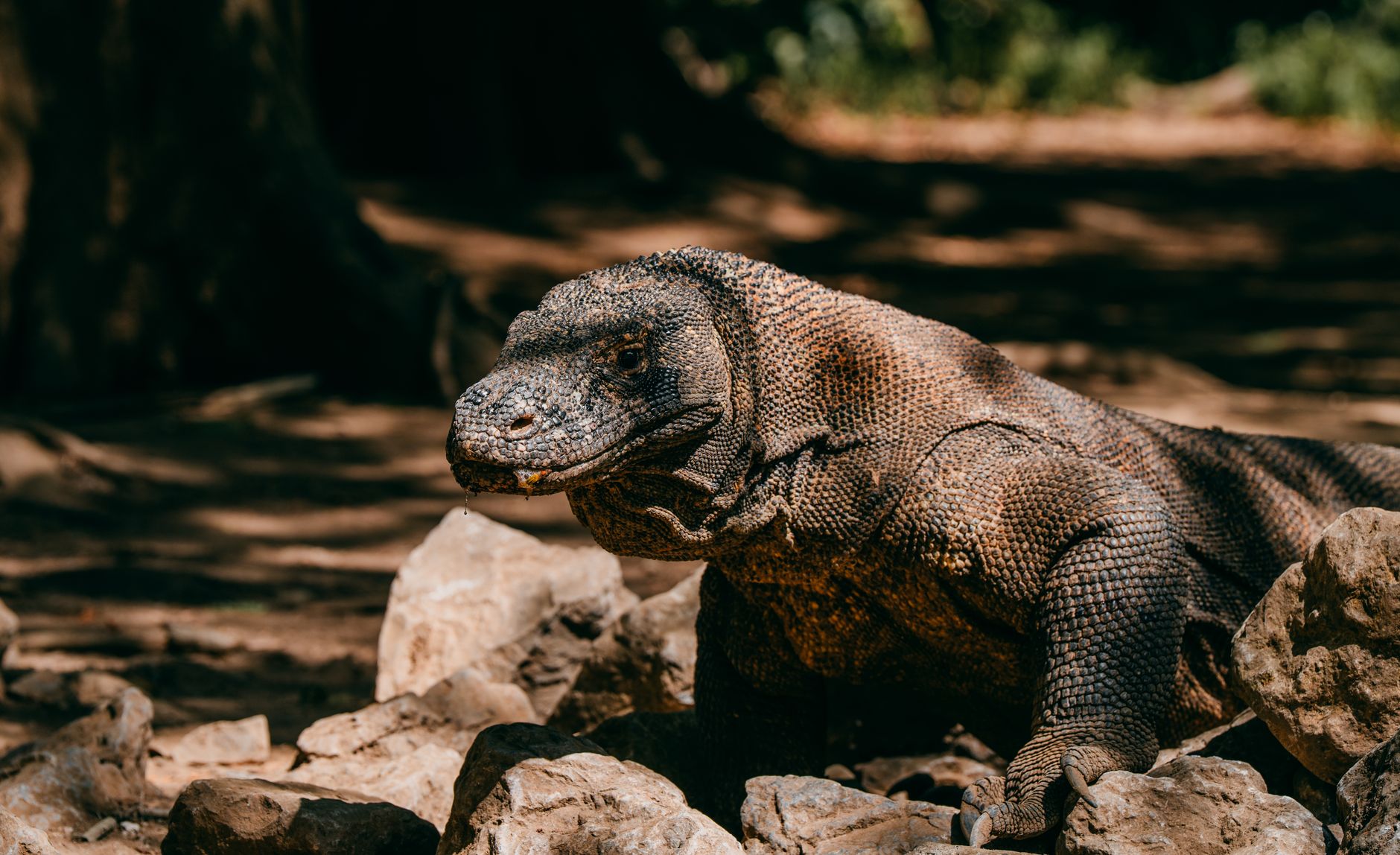
Are Komodo Dragons in Bali? A Definitive Answer
The answer is a resounding no. Komodo dragons are not naturally found in Bali.

Understanding the Komodo Dragon’s Natural Habitat
The Komodo dragon (Varanus komodoensis), the world’s largest lizard, is a fascinating and formidable predator. Its natural habitat, however, is limited to a specific region of Indonesia, and Bali is not part of it. Understanding this limited range is crucial to answering the question, “Are Komodo dragons in Bali?”
-
Geographic Restriction: Komodo dragons are endemic to only a few Indonesian islands. These include:
- Komodo Island (the namesake)
- Rinca Island
- Flores Island
- Gili Motang
- Gili Dasami
-
Ecological Considerations: The ecosystems on these islands support the Komodo dragon’s specific needs, including prey availability, suitable climate, and appropriate nesting sites. These factors do not consistently exist in Bali.
-
Conservation Efforts: The Komodo dragon’s restricted range makes it vulnerable, and conservation efforts are focused on protecting its existing habitat within the Komodo National Park and Flores. Introducing them elsewhere could disrupt existing ecosystems.

Is distilled water good for goldfish?
What colours are fish most attracted to?
Can you put your finger in a trout's mouth?
Is methylene blue anti bacterial?
Why Bali Is Unsuitable for Wild Komodo Dragons
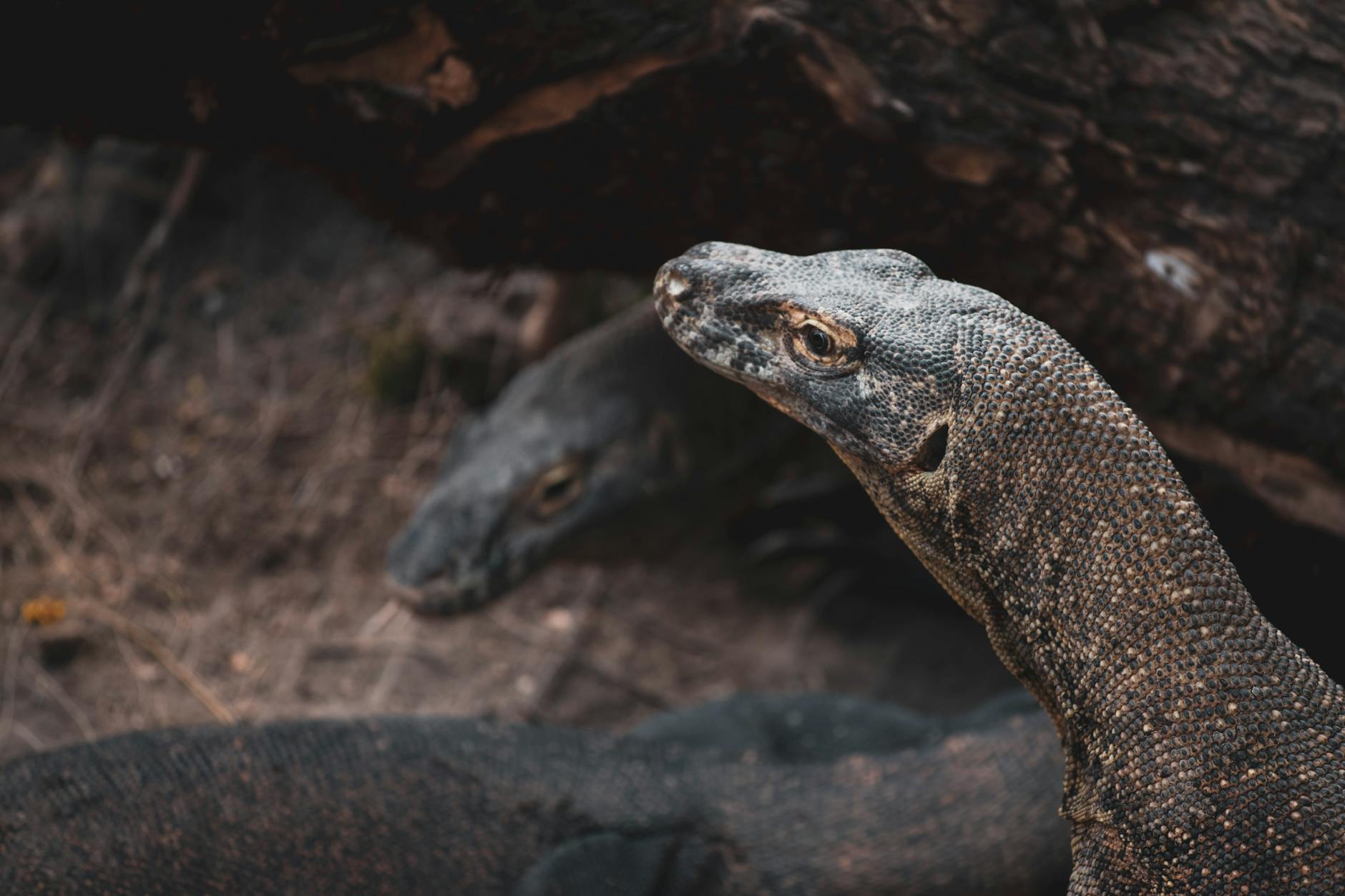
Several factors contribute to Bali being an unsuitable habitat for wild Komodo dragons:
-
Different Ecosystems: Bali’s ecosystems differ significantly from those of the Komodo dragon’s native islands. Bali’s volcanic soil and lush vegetation support a different array of flora and fauna.
-
Prey Availability: The typical prey base for Komodo dragons (deer, wild boar, water buffalo) may not be sufficiently abundant in Bali, especially considering the existing human population and land use.
-
Human Population Density: Bali has a much higher population density compared to the islands where Komodo dragons naturally reside. This increases the potential for human-animal conflict.
-
Lack of Natural Adaptation: Komodo dragons have evolved to thrive in the specific environment of their native islands. They lack the natural adaptations necessary to compete effectively in Bali’s ecosystem.
Komodo Dragons in Captivity in Bali
While wild Komodo dragons are not found in Bali, they may exist in captivity within zoos or research facilities. However, these are not native populations and are carefully managed.
-
Controlled Environments: Any Komodo dragons in Bali would be kept in controlled environments, adhering to strict standards of animal welfare and safety.
-
Educational Purposes: Their presence would likely be for educational and conservation awareness, allowing visitors to learn about these magnificent creatures without posing a threat to the local ecosystem or human population.
-
Strict Regulations: Transporting and housing Komodo dragons is strictly regulated internationally to prevent illegal trade and ensure proper care.
The Impact of Introducing Komodo Dragons to Bali
Introducing Komodo dragons to Bali would have potentially devastating consequences.
-
Ecological Disruption: They could disrupt the existing food web, potentially decimating native species that are not adapted to their predatory behavior.
-
Human-Wildlife Conflict: Bali’s high population density increases the risk of dangerous encounters between Komodo dragons and humans, leading to potential injuries or fatalities.
-
Economic Impact: Attacks on livestock or even tourists could have a significant negative impact on Bali’s tourism industry.
Distinguishing Facts from Misconceptions
Rumors and misinformation about Komodo dragons in Bali persist. It’s important to distinguish facts from fiction.
-
Tourist Myths: Some tourist stories may exaggerate or misrepresent encounters with other large lizards (like monitor lizards) as Komodo dragons.
-
Media Sensationalism: Media reports sometimes sensationalize wildlife sightings, leading to inaccurate claims. Always verify information from reputable sources.
-
Monitor Lizard Confusion: Large monitor lizards do exist in Bali. These are often mistaken for Komodo dragons due to their size and similar appearance, but they are distinct species.
Frequently Asked Questions About Komodo Dragons in Bali
Are Komodo dragons in Bali considered invasive species?
No, Komodo dragons are not considered invasive in Bali because they are not present in the wild. An invasive species is defined as a non-native species that causes harm to the environment, economy, or human health. Since Komodo dragons are not native to Bali and do not exist there naturally, the term doesn’t apply.
What is the likelihood of Komodo dragons being introduced to Bali accidentally?
The likelihood of Komodo dragons being introduced to Bali accidentally is extremely low. The Komodo dragon is a protected species, and strict regulations govern their transport and handling. Accidental escapes from zoos or research facilities are rare due to stringent safety protocols.
Could climate change cause Komodo dragons to migrate to Bali in the future?
While climate change could potentially alter habitat suitability for many species, it’s unlikely to cause Komodo dragons to migrate to Bali. Their dispersal ability is limited, and significant geographical barriers exist between their current range and Bali. Furthermore, the ecological differences between the islands remain a primary factor.
If a Komodo dragon were found in Bali, what should you do?
If you were to find a Komodo dragon in Bali (which is highly improbable), you should immediately contact local authorities, such as the forestry department (Balai Konservasi Sumber Daya Alam) or the police. Maintain a safe distance and do not attempt to approach or capture the animal.
What kind of monitor lizards are found in Bali, and how do they differ from Komodo dragons?
Several species of monitor lizards, such as the water monitor (Varanus salvator), are found in Bali. While they share a similar reptilian appearance, they differ from Komodo dragons in several key aspects. Monitor lizards are generally smaller, have different scale patterns, and lack the venom glands found in Komodo dragons.
What is the Komodo National Park, and where is it located?
The Komodo National Park is a UNESCO World Heritage Site located in the Lesser Sunda Islands of Indonesia. It was established in 1980 to protect the Komodo dragon and its habitat. The park encompasses the islands of Komodo, Rinca, Padar, and numerous smaller islands.
How dangerous are Komodo dragons to humans?
Komodo dragons are potentially dangerous to humans. They are powerful predators with sharp teeth, strong jaws, and venomous saliva. While attacks on humans are rare, they can occur, particularly if the dragon feels threatened or is attracted by the scent of blood. Always maintain a respectful distance and follow the instructions of experienced guides.
What are the main threats to Komodo dragons in their natural habitat?
The main threats to Komodo dragons in their natural habitat include habitat loss, poaching (primarily of their prey), human encroachment, and climate change. Volcanic activity and natural disasters can also pose risks to their populations.
What is the role of the Komodo dragon’s venom?
Komodo dragon venom contains anticoagulant properties that disrupt blood clotting, causing their prey to bleed profusely. This venom, combined with bacteria in their saliva, weakens their prey, making it easier for the dragon to hunt and kill.
Are there any efforts to relocate Komodo dragons to new islands?
There are no plans to relocate Komodo dragons to new islands such as Bali. Conservation efforts focus on protecting and managing their existing populations within their natural habitat. Introducing them to new ecosystems would be highly risky and potentially damaging.
How long do Komodo dragons live?
Komodo dragons can live for up to 30 years in the wild and even longer in captivity.
What is the average size of a Komodo dragon?
The average size of a Komodo dragon is about 2 to 3 meters (6.6 to 9.8 feet) in length and they can weigh up to 70 kilograms (154 pounds). Females are generally smaller than males.