

Do Alpacas Spit When Angry? Decoding Alpaca Behavior
Yes, alpacas do spit, but it’s more complex than simple anger. Spitting is usually a defense mechanism or a way to establish dominance within their herd hierarchy, not necessarily a sign of rage.

Understanding Alpaca Behavior: Beyond the Spit
The reputation of alpacas often hinges on their notorious spitting habit. However, understanding the nuances of alpaca behavior reveals that spitting is just one aspect of their complex social interactions. It’s crucial to move beyond the simplified view and explore the reasons behind this behavior, fostering a more informed appreciation of these gentle creatures. The question “Do alpacas spit when angry?” isn’t always the right one to ask.

What colours are fish most attracted to?
Can you put your finger in a trout's mouth?
Is methylene blue anti bacterial?
Does aquarium salt raise pH in aquarium?
The Social Hierarchy and Spitting
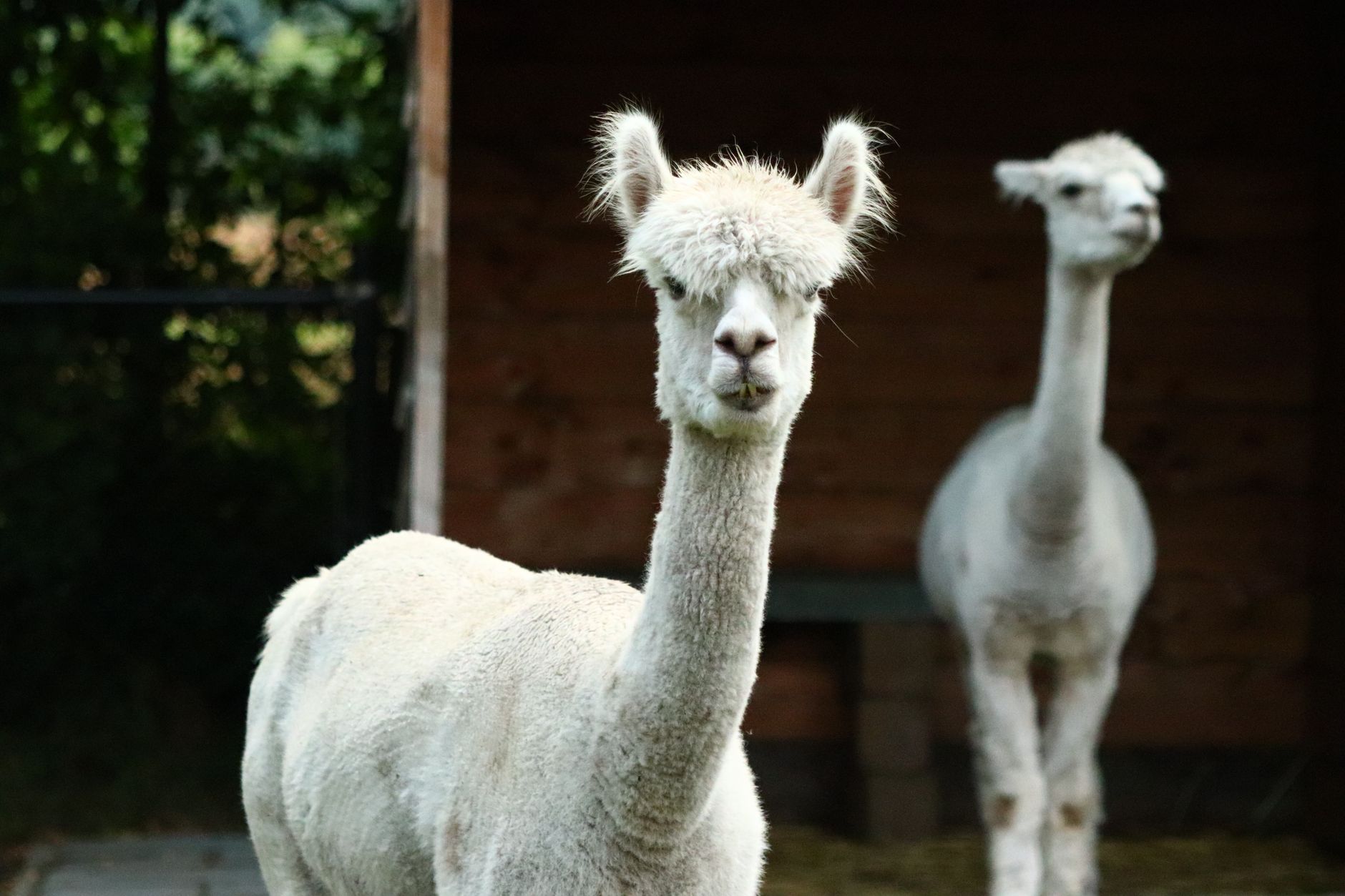
Alpacas live in herds and establish a clear social hierarchy. Spitting plays a crucial role in maintaining this order. Think of it as their way of asserting dominance or resolving conflicts over food and territory. Subordinate alpacas will often receive the brunt of the spitting.
- Dominance Displays: Higher-ranking alpacas may spit to remind others of their position.
- Food Disputes: Competition over the best grazing spots can lead to spitting matches.
- Territorial Boundaries: Alpacas might spit to ward off intruders or protect their space.
The Composition of Alpaca Spit
It’s not just saliva that alpacas launch. Their spit is a revolting concoction, often containing partially digested food from their stomach. This makes it a highly effective deterrent. The projectile can travel several feet and the smell is far from pleasant.
- Regurgitated Food: A key component, adding to the unpleasantness.
- Saliva: A carrier for the other ingredients.
- Stomach Contents: The real kicker – smelly and acidic.
Types of Alpaca Spit
There are varying degrees of spitting among alpacas. The most common is a short, dry warning spit, while the worst is a full-blown regurgitation.
- Air Spit: A warning puff of air, usually a precursor to something more potent.
- Dry Spit: A small amount of saliva, often used in minor disagreements.
- Full Spit: The dreaded regurgitated stomach contents – reserved for serious conflicts.
Factors Influencing Spitting Behavior
Several factors can influence how often an alpaca spits. These include their age, sex, social status, and environment.
- Age: Younger alpacas are less likely to spit as much as adults.
- Sex: Females are more likely to spit when pregnant or protecting their young.
- Social Status: Dominant alpacas spit more frequently to maintain their position.
- Environment: Overcrowding and limited resources can increase spitting frequency.
Minimizing Spitting Behavior
While you can’t completely eliminate spitting, you can minimize it by understanding and addressing the underlying causes.
- Adequate Space: Ensure alpacas have enough room to avoid crowding and competition.
- Sufficient Food: Provide enough food to prevent disputes over resources.
- Proper Handling: Handle alpacas gently and avoid sudden movements that could startle them.
- Observe Social Dynamics: Understanding the herd hierarchy can help you anticipate and prevent potential conflicts.
| Factor | Mitigation Strategy |
|---|---|
| Overcrowding | Provide more space or reduce herd size. |
| Food Scarcity | Increase food supply and ensure even distribution. |
| Stress | Reduce stressors in the environment. |
| Poor Handling | Use gentle and consistent handling techniques. |
Conclusion: Do Alpacas Spit When Angry and Understanding Spitting
The perception that Do alpacas spit when angry? is an oversimplification. Spitting is a communication tool, used to express dominance, defend territory, and protect themselves. Understanding the nuances of their spitting behavior allows us to better appreciate these fascinating animals and improve their welfare. By providing adequate space, sufficient food, and gentle handling, we can minimize spitting and foster a more harmonious environment for alpacas.
Frequently Asked Questions (FAQs)
Why do alpacas spit at each other?
Alpacas spit at each other primarily to establish and maintain their place in the herd hierarchy. This behavior is a key component of their social dynamics. It’s a communication tool, not just a display of anger. They may spit when competing for food, territory, or mates.
Is alpaca spit dangerous to humans?
While alpaca spit is unlikely to cause serious harm, it is unpleasant and can be potentially unhygienic. It often contains regurgitated stomach contents. It is best to avoid getting spit on, particularly in the eyes, nose, or mouth, as it could cause mild irritation or infection.
Can you train an alpaca not to spit?
You can’t entirely eliminate spitting, as it’s a natural behavior, but you can reduce its frequency by providing a stress-free environment and proper handling. Consistent, gentle interaction can help build trust and minimize the likelihood of spitting. Focusing on positive reinforcement for calm behavior is key.
Do all alpacas spit?
Yes, all alpacas are capable of spitting, but not all of them do it frequently. Some alpacas are naturally more docile and less prone to spitting than others. The frequency depends on individual temperament and the circumstances.
What does alpaca spit smell like?
Alpaca spit is known for its foul odor due to the presence of regurgitated stomach contents. The smell can be described as sour, acidic, and generally unpleasant. This is precisely what makes it an effective deterrent.
How far can an alpaca spit?
An alpaca can spit several feet, with the distance ranging from 3 to 10 feet. The range depends on the alpaca’s size, strength, and the type of spit (air spit vs. full spit).
Why do alpacas sometimes spit air?
An air spit is a warning sign. It’s like the alpaca saying, “Back off!”. This preliminary warning shot is a way to signal displeasure or discomfort without resorting to the full force of regurgitated stomach contents.
What is the difference between alpaca and llama spit?
Both alpacas and llamas spit, but llama spit is generally considered more potent. Llamas tend to be more assertive and less tolerant than alpacas. Llama spit is often projected with greater force and volume.
How do you protect yourself from alpaca spit?
The best way to protect yourself is to be mindful of their body language and give them space. Avoid sudden movements, loud noises, and direct eye contact, especially if they seem agitated. If you must approach, do so slowly and calmly.
Do baby alpacas (crias) spit?
Crias are less likely to spit than adult alpacas, but they can and will spit if they feel threatened or uncomfortable. Their spitting behavior is usually less potent and less frequent than that of adults.
Are some alpaca breeds more prone to spitting than others?
While there’s not conclusive evidence that one breed is inherently more prone to spitting, individual temperament plays a more significant role. However, Huacaya alpacas, known for their denser fleece, might feel more stressed in hot weather, leading to increased irritability and spitting.
If an alpaca spits on me, what should I do?
The best thing to do is wash the affected area thoroughly with soap and water. If the spit gets in your eyes, rinse them with plenty of water. If you experience any irritation or signs of infection, consult a medical professional. Try to avoid future encounters by understanding their behavior and providing a comfortable environment.