
What Foods Grind Down Rabbits Teeth?
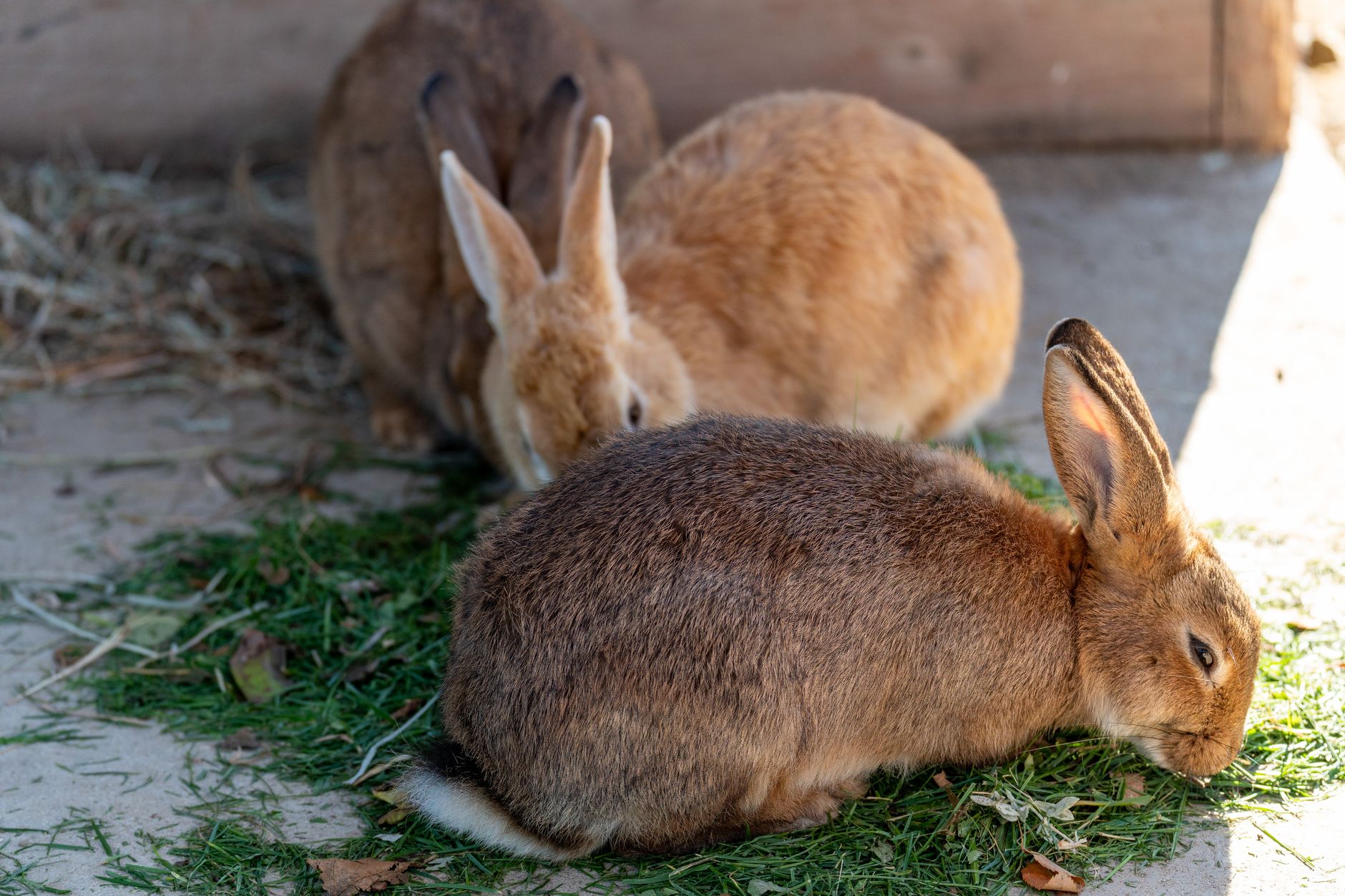
The primary foods that effectively grind down rabbits’ teeth are high-fiber sources, specifically hay and grass. These provide the necessary abrasive action for proper dental wear.
The Importance of Dental Health in Rabbits
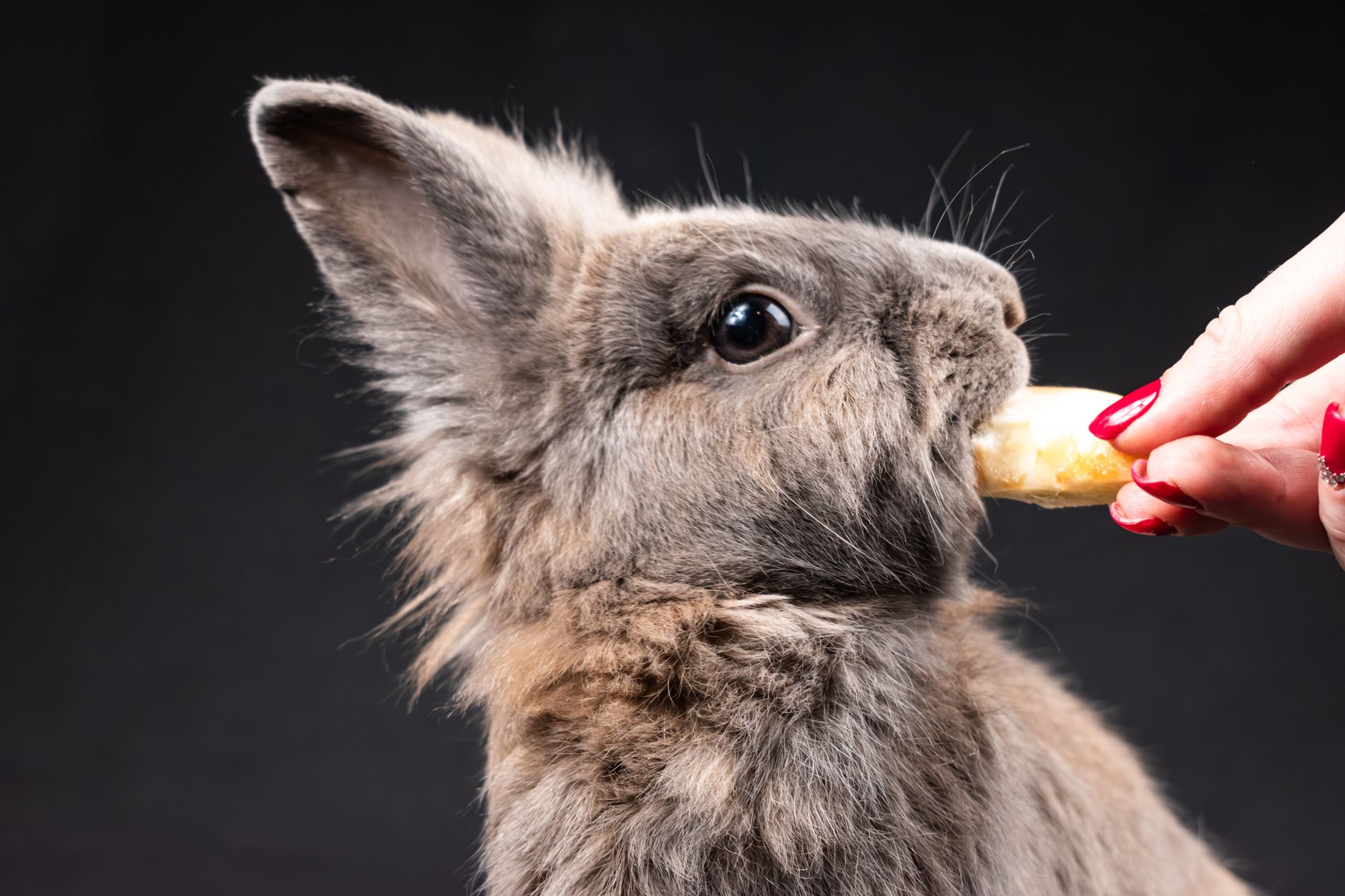
Rabbits possess open-rooted teeth, meaning they continuously grow throughout their lives. Unlike humans whose teeth stop growing, a rabbit’s teeth can grow up to 1/8 of an inch per month. Without proper wear, this continuous growth can lead to significant dental problems, including malocclusion (misalignment of teeth), overgrown spurs, abscesses, and even difficulty eating. These issues can dramatically impact a rabbit’s health and well-being. Proper diet is therefore crucial for maintaining optimal dental health.
What colours are fish most attracted to?
Can you put your finger in a trout's mouth?
Is methylene blue anti bacterial?
Does aquarium salt raise pH in aquarium?
Hay: The Cornerstone of a Rabbit’s Diet

Hay should comprise approximately 80-90% of a rabbit’s daily diet. The long-strand fiber in hay requires rabbits to chew extensively, which naturally grinds down their teeth. Different types of hay offer varying nutritional profiles and textures:
- Timothy Hay: The most commonly recommended hay for adult rabbits. It’s readily available, affordable, and provides a good balance of fiber and nutrients.
- Orchard Grass Hay: A softer alternative to Timothy hay, suitable for picky eaters or rabbits with dental sensitivities.
- Oat Hay: Higher in fiber and a bit coarser than Timothy hay, offering good abrasive action for teeth.
- Alfalfa Hay: Higher in calcium and protein, primarily recommended for young, growing rabbits or pregnant/nursing does. Due to its rich nutrient content, it should be offered in limited quantities to adult rabbits to prevent obesity and urinary issues.
Grass: A Natural Dental Aid
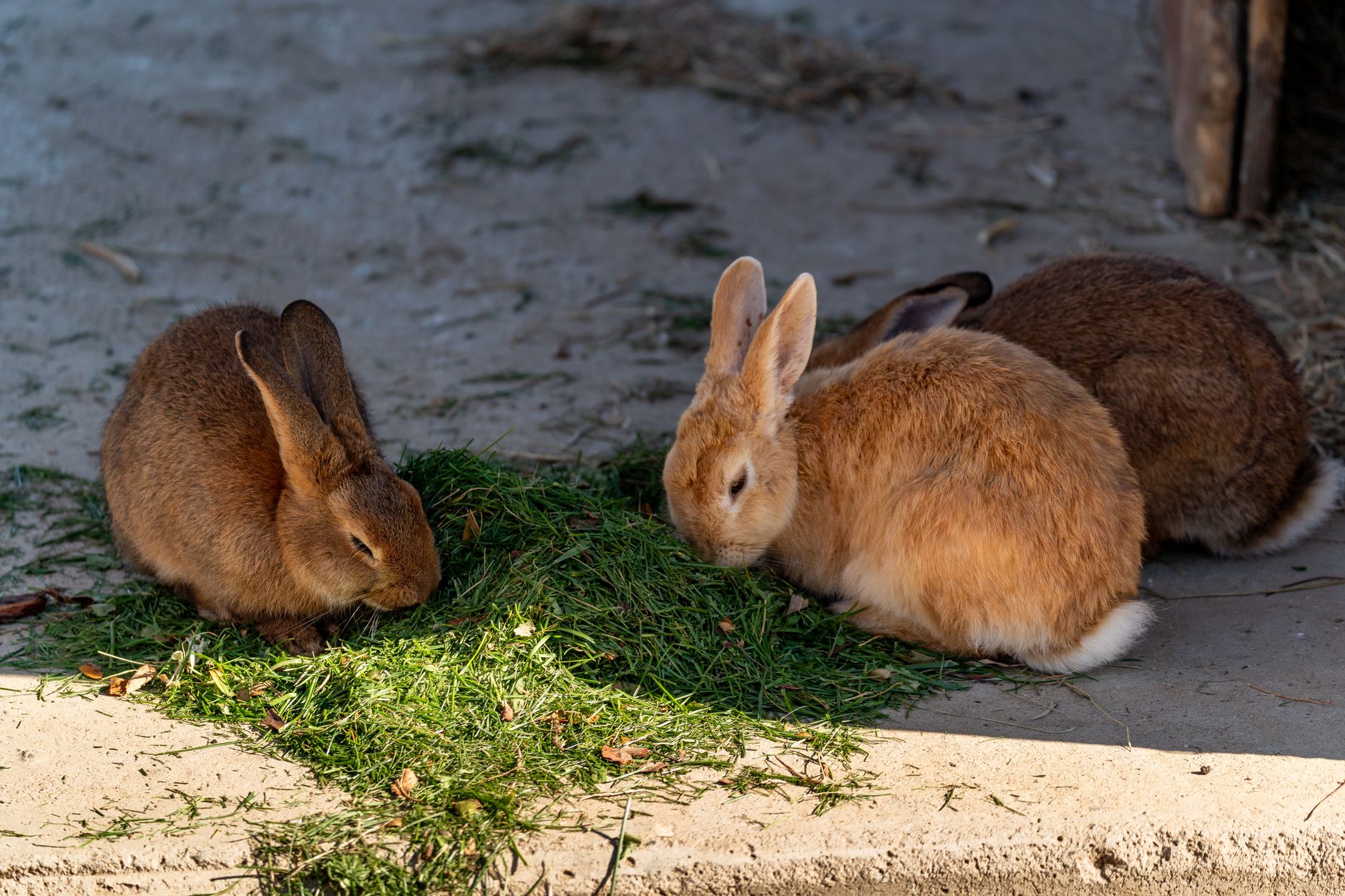
Fresh grass provides similar benefits to hay, offering high fiber content and requiring extensive chewing. Allowing your rabbit access to fresh grass (in a safe, pesticide-free environment) is an excellent way to support their dental health.
- Ensure the grass is free from pesticides or herbicides.
- Gradually introduce grass to avoid digestive upset.
- Avoid grass clippings from lawnmowers as they can ferment and cause bloating.
Vegetables: A Supplementary Source of Fiber
While not as effective as hay or grass, certain vegetables can contribute to dental wear. Leafy greens and fibrous vegetables require some chewing, although the effect is less pronounced. Examples of good choices include:
- Dark leafy greens: Romaine lettuce, kale, parsley, cilantro (in moderation).
- Fibrous vegetables: Broccoli stalks, carrot tops, Brussels sprouts.
Foods to Limit or Avoid
Certain foods can actually hinder proper dental wear and contribute to dental problems:
- Pellets: While pellets can provide essential nutrients, overfeeding them can discourage hay consumption, leading to insufficient dental wear. Limit pellet intake to a small portion of the daily diet, typically 1/8 cup per 5 lbs of body weight.
- Fruits: High in sugar and low in fiber, fruits should be offered as occasional treats only.
- Treats: Commercially available rabbit treats are often high in sugar and can be detrimental to dental health. Opt for healthy alternatives like small pieces of fresh herbs or vegetables.
- Hard Pellets Only: Relying solely on hard pellets does not provide the same chewing action as long-strand fiber, meaning that what foods grind down rabbits teeth? is not solved by hard pellets alone.
Recognizing Signs of Dental Problems
Regularly monitoring your rabbit for signs of dental problems is crucial. These signs can include:
- Reduced appetite or difficulty eating.
- Drooling or excessive salivation.
- Weight loss.
- Swelling or abscesses on the face.
- Eye discharge.
- Grinding teeth (bruxism).
- Changes in fecal pellet size or consistency.
If you observe any of these signs, consult a veterinarian experienced in rabbit dental care immediately.
Creating a Dental-Friendly Diet
Transitioning your rabbit to a more hay-based diet can take time and patience. Here are some tips to encourage hay consumption:
- Offer a variety of hay types to find your rabbit’s preference.
- Ensure hay is always readily available in a clean, easily accessible location.
- Limit pellet and treat intake.
- Make hay more appealing by hiding small amounts of pellets or herbs within it.
- Consider offering hay in different formats, such as hay racks, hay balls, or stuffed into cardboard tubes.
The Role of Chew Toys
While not a substitute for proper diet, chew toys can provide supplemental dental stimulation. Choose safe, rabbit-friendly chew toys made from natural materials, such as:
- Wood chews (untreated wood, willow, apple branches).
- Cardboard boxes (plain, unprinted cardboard).
- Hay-based chews.
- Loofah.
Avoid plastic or chemically treated chews, as they can be harmful if ingested.
Frequently Asked Questions (FAQs)
What specific type of hay is best for grinding down rabbit teeth?
- While Timothy hay is generally recommended for adult rabbits, other grass hays like orchard grass and oat hay also effectively promote dental wear. The key is to ensure it’s high-quality, long-strand hay that requires extensive chewing.
Can rabbits eat too much hay?
- No, rabbits cannot generally eat too much hay. Hay should make up the bulk of their diet, and it’s crucial for both dental health and digestive function. However, very young rabbits (under 7 months) should have limited access to alfalfa hay.
How often should I be taking my rabbit to the vet for dental checks?
- A yearly checkup with a rabbit-savvy vet is vital to ensure dental issues are caught early. Senior rabbits or those with a history of dental problems may need more frequent checkups.
Is it safe to give my rabbit cardboard to chew on?
- Yes, plain, unprinted cardboard is generally safe for rabbits to chew on. Avoid cardboard with excessive tape, glue, or ink, as these can be harmful if ingested.
Are fruit trees safe for rabbits to chew?
- Apple and willow branches are generally safe and beneficial for rabbits to chew on. However, avoid fruit tree branches that have been sprayed with pesticides or herbicides. Always confirm the wood is safe before providing it.
Can dental problems in rabbits lead to other health issues?
- Yes, dental problems can lead to a cascade of other health issues, including anorexia, gut stasis, abscesses, and even organ damage. Addressing dental problems promptly is crucial for overall health.
What are the signs of malocclusion in rabbits?
- Signs of malocclusion include difficulty eating, drooling, weight loss, overgrown incisors, and changes in fecal pellet size or consistency.
If my rabbit has dental spurs, what is the treatment?
- Dental spurs require professional treatment by a veterinarian experienced in rabbit dental care. This typically involves filing down the spurs under anesthesia and addressing any underlying causes of malocclusion.
Can pellets alone provide enough dental wear for rabbits?
- No, pellets alone are not sufficient for providing adequate dental wear. The long-strand fiber in hay and grass is essential for the necessary abrasive action.
What should I do if my rabbit refuses to eat hay?
- If your rabbit refuses to eat hay, try offering different types of hay, limiting pellet intake, and making hay more appealing by hiding small amounts of pellets or herbs within it. If the problem persists, consult a veterinarian to rule out underlying medical issues.
Is there a specific type of chew toy that is better for dental health?
- Harder, natural chew toys, such as untreated wood and apple branches, tend to provide better dental stimulation than softer toys.
Besides hay, what other types of roughage can help wear down my rabbit’s teeth?
- In addition to hay, fresh grass (pesticide-free) and certain fibrous vegetables like broccoli stalks and carrot tops can contribute to dental wear. Remember that what foods grind down rabbits teeth? primarily refers to tough, high-fiber foods.