
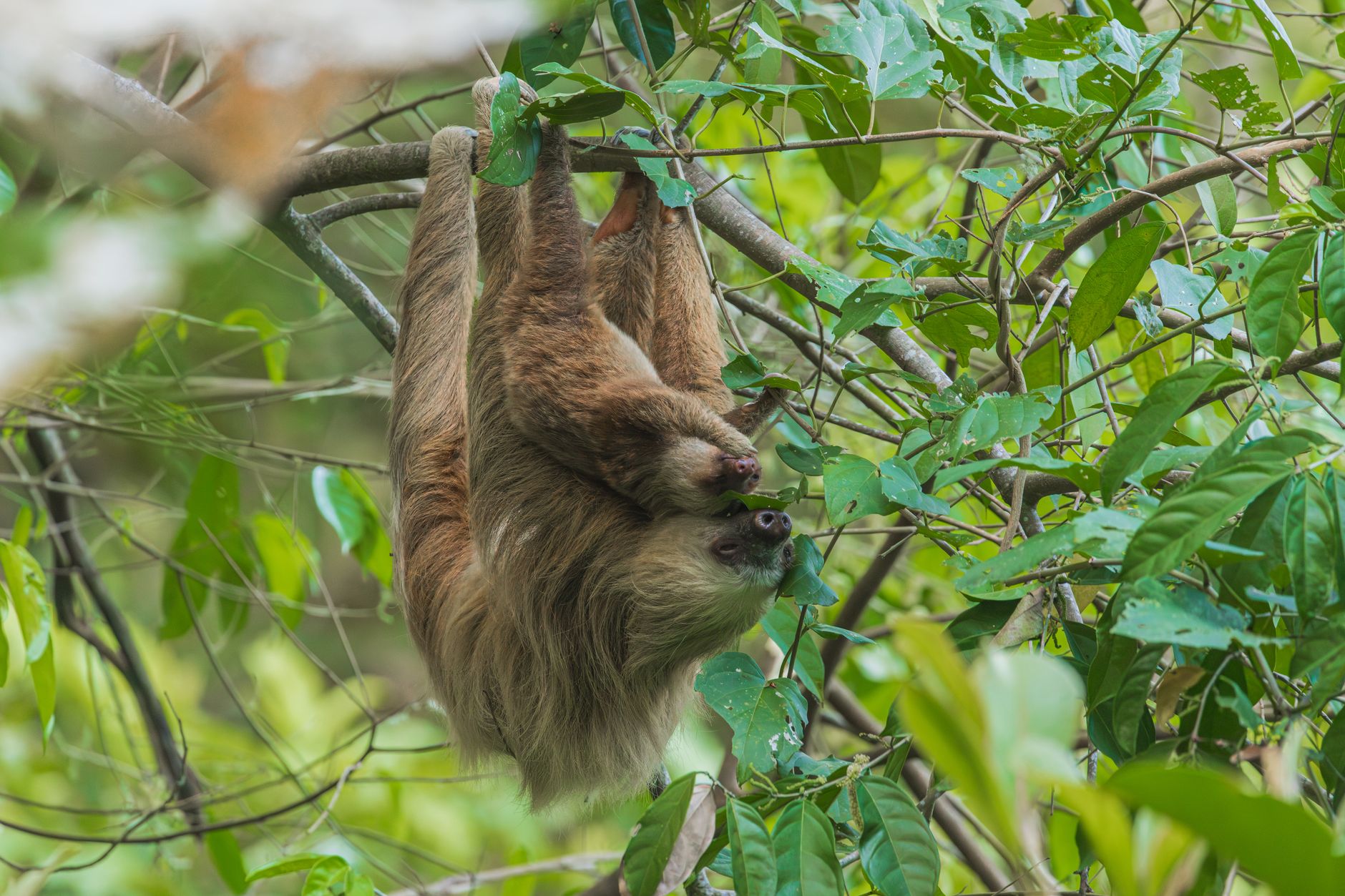
What Endangers Sloths?
The future of sloths is precarious due to a confluence of factors, primarily habitat destruction and illegal wildlife trade, both significantly jeopardizing their survival in the wild. This article explores what endangers sloths and delves into the intricate web of threats these gentle creatures face.
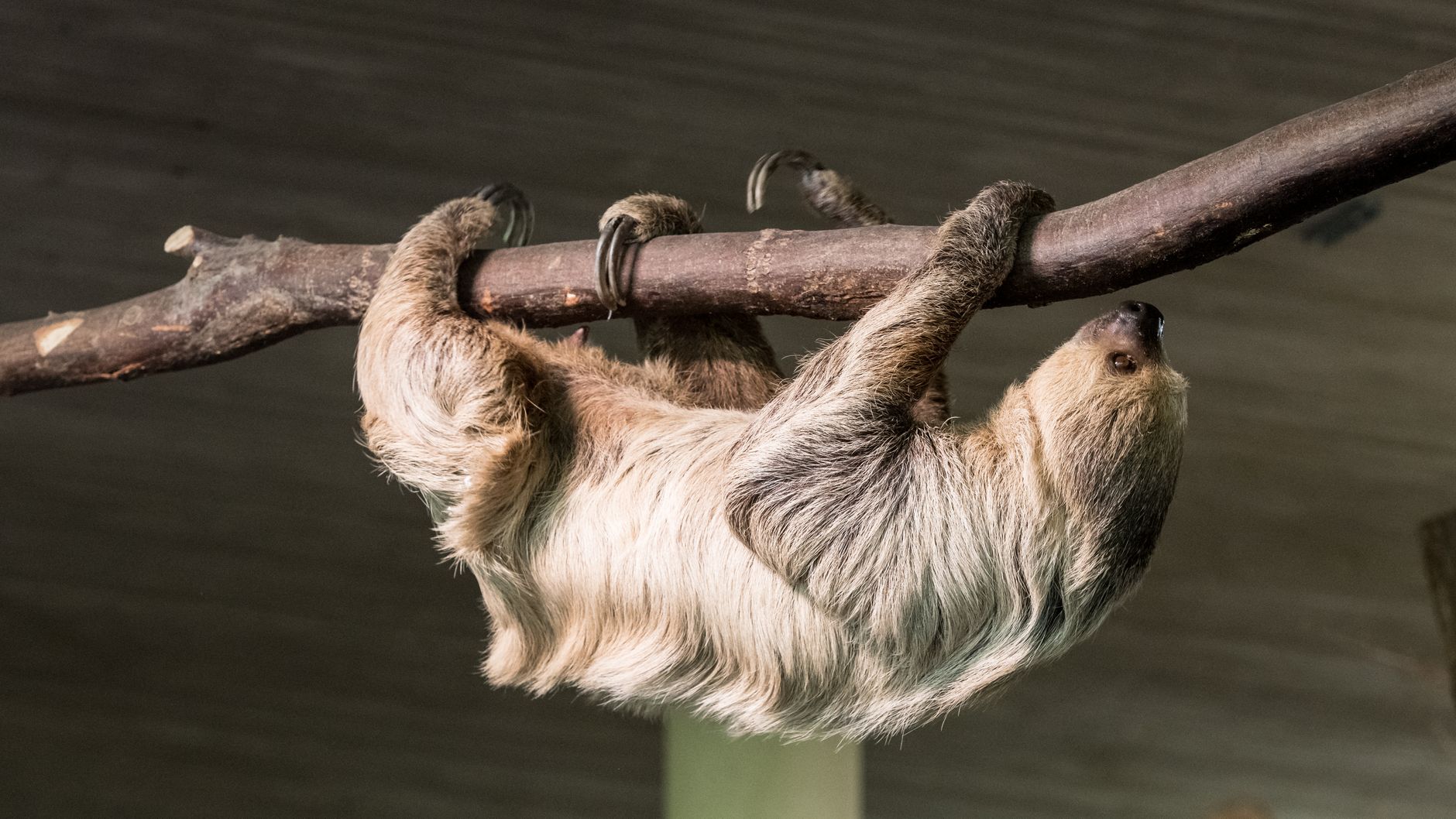
Introduction: The Plight of the Slow-Moving
Sloths, those famously slow and endearing mammals of Central and South America, face a growing number of challenges that threaten their populations. Their specialized adaptations, while perfectly suited for their arboreal lifestyle, render them particularly vulnerable to environmental changes and human activities. Understanding what endangers sloths is crucial for implementing effective conservation strategies. From deforestation to the pet trade, their very existence hangs in the balance. We must unravel these threats to ensure sloths continue to grace our planet for generations to come.

What colours are fish most attracted to?
Can you put your finger in a trout's mouth?
Is methylene blue anti bacterial?
Does aquarium salt raise pH in aquarium?
Habitat Destruction: The Shrinking Forest Canopy

Deforestation poses perhaps the most significant threat to sloth populations. As forests are cleared for agriculture, cattle ranching, mining, and urban development, sloths lose their homes, food sources, and connectivity to other sloth populations. This fragmentation leads to genetic bottlenecks, increased vulnerability to predation, and difficulty in finding mates.
- Agriculture: Vast tracts of forest are converted into plantations for crops like bananas, coffee, and palm oil.
- Cattle Ranching: Land clearing for pasture is a major driver of deforestation in many sloth habitats.
- Mining: Both legal and illegal mining operations contribute to forest destruction and habitat degradation.
- Urban Development: The expansion of cities and towns encroaches on sloth habitats, leading to habitat loss and fragmentation.
The Illegal Wildlife Trade: Captivity’s Cruel Cost
The demand for sloths as pets and tourist attractions fuels the illegal wildlife trade, often subjecting these sensitive animals to horrific conditions. Sloths are poorly suited to captivity and often suffer from malnutrition, stress, and disease. Furthermore, capturing sloths from the wild disrupts social structures and can decimate local populations.
- Pet Trade: Sloths are often sold as pets online or in markets, despite the fact that they require specialized care and often die prematurely in captivity.
- Tourist Attractions: Sloths are sometimes used as props for tourist photos, subjecting them to constant handling and stress.
- Trafficking: Organized criminal networks are involved in the illegal wildlife trade, trafficking sloths across borders.
Infrastructure Development: Roads and Power Lines
The construction of roads, power lines, and other infrastructure projects poses significant risks to sloths. Roads fragment habitats, making it difficult for sloths to move between forest patches and increasing their risk of being hit by vehicles. Power lines pose a direct threat, as sloths are prone to electrocution when attempting to cross them.
- Road Mortality: Sloths are slow-moving and struggle to cross roads safely, making them vulnerable to being hit by cars and trucks.
- Electrocution: Sloths often use power lines as bridges, leading to electrocution and death.
- Habitat Fragmentation: Infrastructure projects can create barriers that isolate sloth populations and limit their access to resources.
Climate Change: A Warming World
Climate change is an increasingly serious threat to sloths, disrupting their ecosystems and affecting their food sources. Changes in rainfall patterns and temperature can alter the availability of leaves, fruits, and other foods that sloths rely on. Extreme weather events, such as hurricanes and droughts, can also devastate sloth populations. What endangers sloths also includes these global changes beyond any one locality.
- Changes in Rainfall: Altered rainfall patterns can affect the growth of trees and other vegetation that sloths depend on.
- Rising Temperatures: Increased temperatures can stress sloths and make them more susceptible to disease.
- Extreme Weather Events: Hurricanes, droughts, and other extreme weather events can destroy sloth habitats and lead to population declines.
Predation: Natural and Introduced Threats
While sloths have evolved adaptations to avoid predation, they are still vulnerable to attacks from jaguars, eagles, snakes, and other predators. The introduction of non-native predators, such as domestic dogs, can further exacerbate the threat of predation.
- Jaguars and Ocelots: These large cats are natural predators of sloths.
- Eagles and Hawks: Birds of prey can target juvenile sloths.
- Snakes: Snakes, such as boas and anacondas, can occasionally prey on sloths.
- Domestic Dogs: Feral and free-ranging dogs can pose a significant threat to sloths, particularly in areas where their habitat is fragmented.
Pollution: Contamination of the Environment
Pollution, including pesticide runoff, industrial waste, and plastic pollution, can contaminate sloth habitats and harm their health. Sloths can be exposed to toxins through their food, water, and air, leading to a range of health problems.
- Pesticide Runoff: Pesticides used in agriculture can contaminate water sources and poison sloths.
- Industrial Waste: Industrial pollutants can accumulate in sloth tissues and cause health problems.
- Plastic Pollution: Sloths can ingest plastic debris, which can cause digestive problems and even death.
Understanding the Complex Threats: A Summary
The threats what endangers sloths are multifaceted and interconnected. Habitat destruction, the illegal wildlife trade, infrastructure development, climate change, predation, and pollution all contribute to the decline of sloth populations. Addressing these threats requires a comprehensive and collaborative approach involving governments, conservation organizations, local communities, and individuals.
Frequently Asked Questions (FAQs) About Threats to Sloths
What is the biggest threat to sloths?
The single biggest threat to sloths is habitat destruction, primarily deforestation for agriculture, cattle ranching, and urban development. This leads to loss of food sources, shelter, and connectivity, making it difficult for sloths to survive.
Are all sloth species equally endangered?
No, different sloth species face varying levels of threat. Some species, like the pygmy three-toed sloth, are critically endangered due to their limited range and specific habitat requirements, while others are considered less vulnerable.
How does deforestation specifically impact sloths?
Deforestation reduces the availability of food and shelter, as sloths are arboreal animals dependent on trees. It also fragments populations, leading to genetic bottlenecks and increased vulnerability to predation.
What role does the illegal wildlife trade play in endangering sloths?
The illegal wildlife trade fuels the capture of sloths from the wild, often for use as pets or tourist attractions. Sloths are poorly suited to captivity and often suffer from malnutrition, stress, and disease.
How do roads and power lines affect sloth populations?
Roads fragment habitats, increasing the risk of road mortality, while power lines pose a risk of electrocution. Both contribute to habitat fragmentation and limit the ability of sloths to move between forest patches.
Is climate change really a significant threat to sloths?
Yes, climate change is an increasing threat, as it disrupts ecosystems, alters food availability, and increases the frequency of extreme weather events that can devastate sloth habitats.
What kind of predators do sloths have?
Sloths are preyed upon by jaguars, ocelots, eagles, snakes, and, increasingly, domestic dogs in fragmented habitats.
How does pollution harm sloths?
Pollution, including pesticide runoff and industrial waste, can contaminate sloth habitats and lead to a range of health problems.
What can be done to protect sloth habitats?
Protecting sloth habitats requires a multifaceted approach, including establishing protected areas, promoting sustainable land-use practices, and combating illegal deforestation.
How can I help reduce the demand for sloths as pets?
Raising awareness about the ethical issues of keeping sloths as pets is crucial. Avoid supporting businesses that exploit sloths for tourist photos and report any suspected illegal wildlife trade activity.
Are there any successful sloth conservation programs?
Yes, several organizations are working to protect sloths through research, habitat restoration, and community education. Supporting these organizations can make a significant difference.
What is the long-term outlook for sloth populations if current threats continue?
If current threats continue unabated, many sloth populations will face severe declines and potential extinction. Urgent action is needed to protect these gentle creatures and their habitats.