

What Fish Can Be In A 2 Gallon Tank?
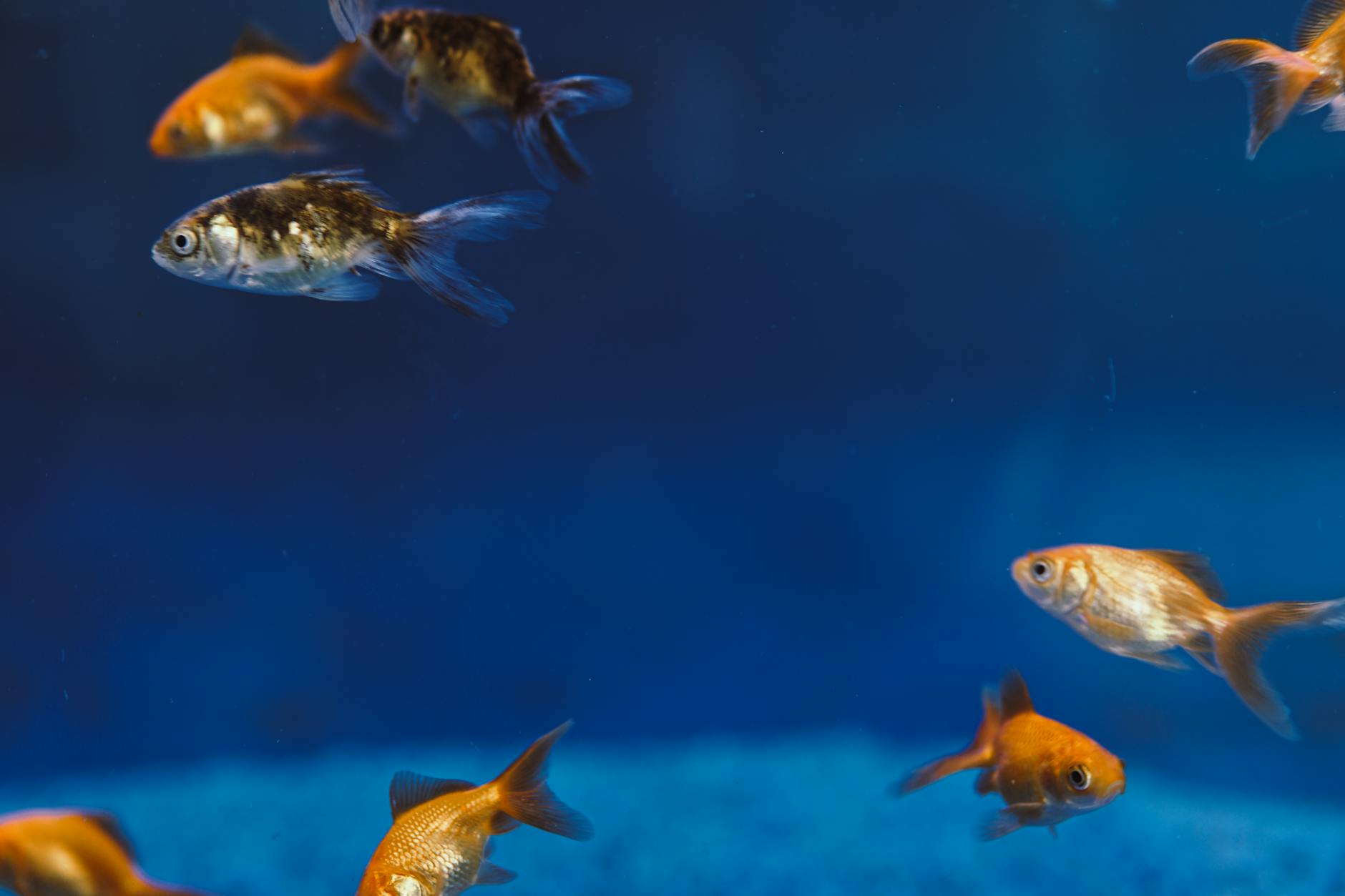
A 2-gallon tank is extremely limited in its capacity, making it unsuitable for most fish. While technically some tiny invertebrates or very small fish might survive, no fish truly thrive in such a small enclosure.
Understanding the Limitations of a 2-Gallon Tank
Keeping fish requires providing them with an environment that meets their physical and behavioral needs. A 2-gallon tank presents significant challenges. It’s crucial to understand these limitations before considering any aquatic life.
- Limited Swimming Space: Most fish need ample room to swim and exercise. A 2-gallon tank severely restricts their movement, leading to stress and potential health problems.
- Water Quality Issues: Smaller tanks are more prone to rapid fluctuations in water parameters like ammonia, nitrite, and nitrate levels. These fluctuations can be toxic to fish. Maintaining stable water quality in a 2-gallon tank requires very frequent water changes and careful monitoring.
- Lack of Enrichment: A 2-gallon tank offers limited opportunities for environmental enrichment, which is essential for stimulating fish mentally and preventing boredom.
What fish do not need a filtered tank?
Can I put pink Himalayan salt in a fish tank?
What fish is Flo?
How intelligent are fish?
Ideal Inhabitants (If Any) for a 2-Gallon Tank
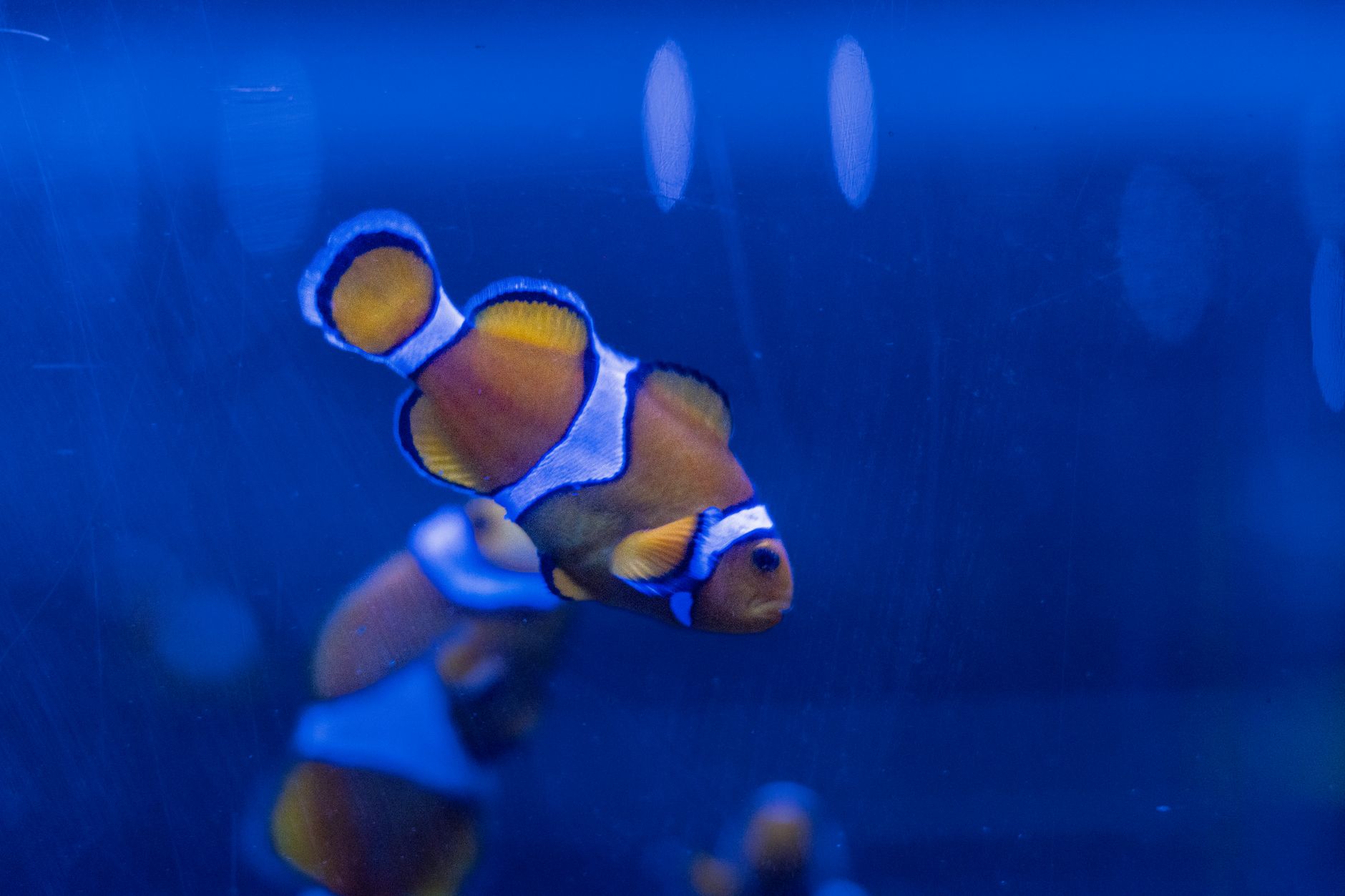
Given the severe limitations, it’s generally not recommended to keep any fish in a 2-gallon tank. Ethical fishkeeping prioritizes the well-being of the animals, and a 2-gallon tank rarely provides adequate welfare.
However, if you’re determined to keep something aquatic in a 2-gallon tank, invertebrates are a more ethical choice than fish. Here are some possibilities, keeping in mind the need for careful research and maintenance:
- Snails: Certain small snail species, like dwarf ramshorn snails or bladder snails, can survive in a 2-gallon tank, provided you maintain excellent water quality and control their population through careful feeding.
- Shrimp: Dwarf shrimp, such as cherry shrimp or ghost shrimp, are another option. They are small and have a lower bioload than most fish. However, they still require stable water parameters and a planted environment.
- Plants: Instead of living creatures, consider a planted tank. Aquatic plants can be beautiful and beneficial, helping to improve water quality and provide a calming aesthetic.
The Importance of Filtration and Maintenance
Even with invertebrates, maintaining a healthy 2-gallon tank requires diligence.
- Filtration: A small sponge filter is recommended to provide biological filtration and water circulation.
- Water Changes: Frequent water changes are essential to remove accumulated waste and maintain water quality. Aim for at least 25-50% water changes every week.
- Monitoring: Regularly test the water parameters (ammonia, nitrite, nitrate, pH) using a test kit to ensure they are within safe ranges.
Alternatives to a 2-Gallon Tank
If you’re interested in keeping fish, consider investing in a larger tank. A 10-gallon tank is a much more suitable starting point for beginners. It offers more space for fish to swim, is easier to maintain, and provides a more stable environment.
Consider this comparison:
| Feature | 2-Gallon Tank | 10-Gallon Tank |
|---|---|---|
| Swimming Space | Very Limited | More Ample |
| Water Stability | Unstable | More Stable |
| Fish Options | Very Limited | More Options |
| Maintenance | High | Moderate |
Frequently Asked Questions
What are the absolute smallest fish that could potentially survive in a 2-gallon tank?
While ethically questionable, some keepers may consider least killifish (Heterandria formosa). They are one of the smallest fish in the world, but even these tiny creatures benefit from more space. Remember, survival is not the same as thriving.
Why is a larger tank better for fish?
Larger tanks offer more swimming space, more stable water parameters, and more opportunities for environmental enrichment. This creates a healthier and less stressful environment for fish to live in. More volume dilutes waste and minimizes the impact of fluctuations.
What are some signs of stress in fish kept in small tanks?
Signs of stress can include clamped fins, erratic swimming, loss of appetite, increased susceptibility to disease, and rubbing against objects in the tank. These indicate the fish is not thriving in its environment. Prolonged stress can significantly shorten a fish’s lifespan.
Can I keep a Betta fish in a 2-gallon tank?
While some people keep Betta fish in small tanks, it is not recommended. Bettas require at least 5 gallons of water to thrive and exhibit their natural behaviors. Anything smaller is considered inadequate and potentially cruel.
What about using a 2-gallon tank as a quarantine tank?
A 2-gallon tank can be used as a temporary quarantine tank for very small fish, but it should only be used for short periods. Larger quarantine tanks are preferable to ensure adequate space and water quality. It’s best to medicate in separate containers for accurate dosing and prevent killing the biological filter.
Is it possible to over-filter a 2-gallon tank?
While it’s difficult to over-filter in the sense of removing too much, a powerful filter can create too much current in a small tank. Choose a filter that is appropriately sized and adjust the output if necessary. A sponge filter is often the best choice for small tanks.
How often should I perform water changes in a 2-gallon tank with shrimp?
With shrimp, aim for 25-50% water changes at least once a week. Monitor water parameters closely and adjust the frequency as needed. Err on the side of more frequent water changes to maintain optimal water quality.
What kind of substrate is best for a 2-gallon tank?
For a planted tank, use an aquatic substrate that provides nutrients for the plants. For shrimp tanks, inert substrates like sand or gravel are suitable. Avoid substrates that alter the water pH unless you have experience managing water chemistry.
How can I cycle a 2-gallon tank?
Cycling a 2-gallon tank involves establishing a beneficial bacteria colony to convert harmful ammonia and nitrite into less harmful nitrate. This process typically takes several weeks and requires regular testing of water parameters. You can “seed” the filter with media from an established tank to speed up the process.
What kind of lighting do I need for a 2-gallon planted tank?
Choose a low-intensity LED light specifically designed for planted aquariums. Avoid lights that produce excessive heat. The specific light requirements will depend on the type of plants you choose.
What temperature should I maintain in a 2-gallon tank with shrimp?
Most dwarf shrimp species thrive in temperatures between 72-78°F (22-26°C). Use a small heater to maintain a stable temperature. Avoid temperature fluctuations, as they can stress the shrimp.
What are the long-term consequences of keeping fish in a too-small tank?
Keeping fish in a too-small tank can lead to stunted growth, weakened immune system, increased susceptibility to disease, behavioral problems, and a significantly shortened lifespan. It is cruel and unethical to keep fish in conditions that do not meet their basic needs. Prioritize the well-being of the animals above all else. Addressing the question What fish can be in a 2 gallon tank? with realistic and helpful considerations for the user is crucial for promoting responsible aquarium keeping.