

What Eats the Heads Off Fish?
The creatures responsible for disembodied fish heads are varied, ranging from scavenging invertebrates to larger predators; the most common culprits are crabs, seabirds, seals, and larger fish that selectively prey on the nutrient-rich head. Understanding what eats the heads off fish? requires exploring the diverse marine ecosystem and the complex feeding behaviors within it.

The Mysterious Case of the Missing Fish Heads
The sight of a fish carcass, meticulously stripped of its head, is a common yet unsettling occurrence in marine environments. From beaches and fishing nets to the depths of the ocean, these decapitated remains spark curiosity and, sometimes, concern. What eats the heads off fish? is a question that leads us to investigate the intricate food web and scavenging processes of aquatic ecosystems. While gruesome, this phenomenon plays a vital role in nutrient cycling and maintaining ecological balance.

How intelligent are fish?
Can fish hear water?
What is cotton rot in fish?
What colours are fish most attracted to?
Primary Suspects: Scavengers of the Sea
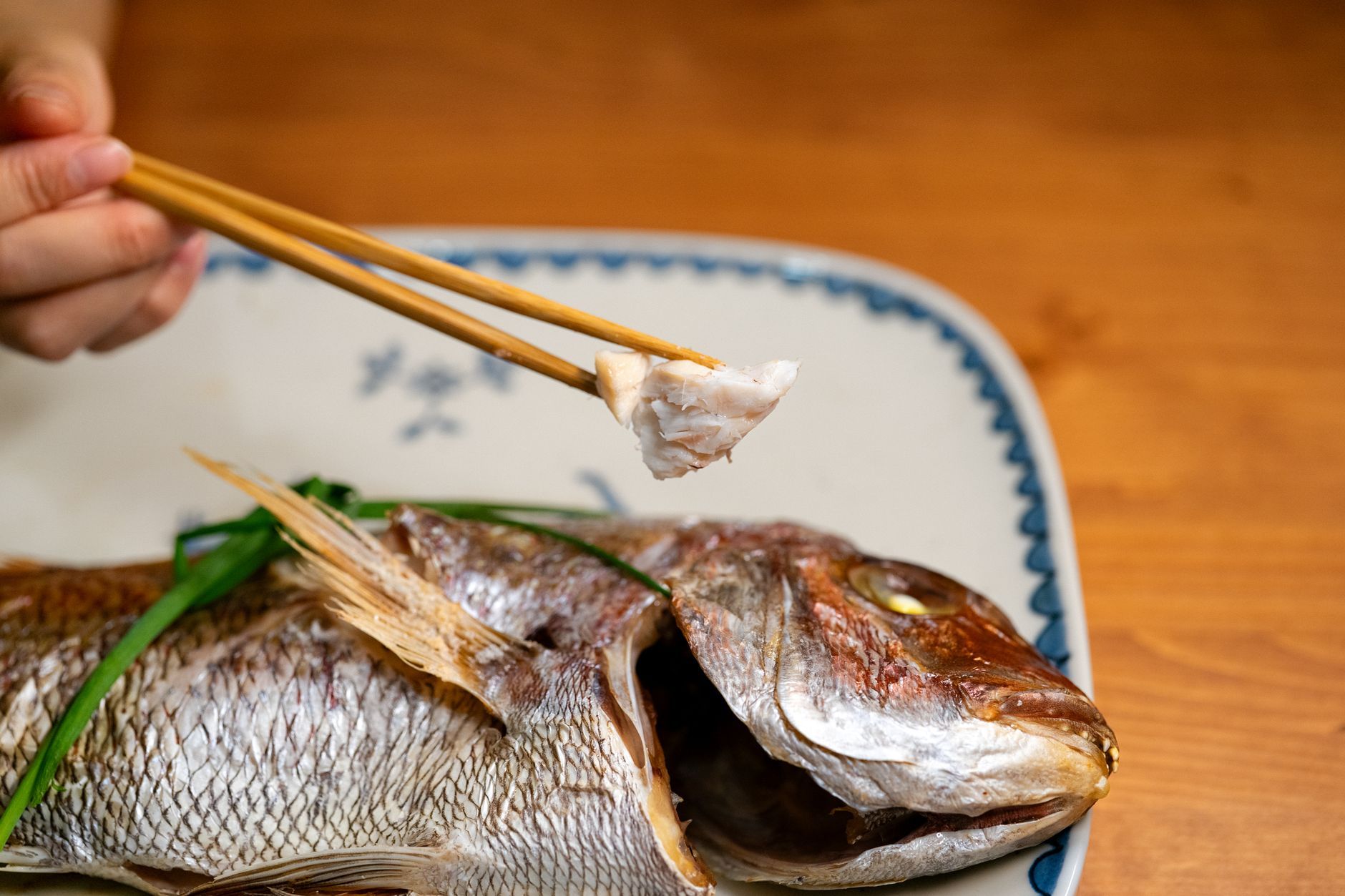
A host of creatures are capable of, and indeed often specialize in, consuming the heads of fish. These consumers can be broadly categorized:
- Invertebrates: Crabs, lobsters, and other crustaceans are opportunistic feeders. They are often the first to arrive at a carcass, utilizing their powerful claws to tear off the head and extract the nutrient-rich brain and other tissues.
- Fish: Larger predatory fish like sharks, groupers, and eels often target the head first, as it’s a concentrated source of energy. Even smaller fish can contribute to scavenging on fish heads, particularly if the fish is already injured or deceased.
- Seabirds: Gulls, terns, and other seabirds are adept at scavenging fish from the surface. They are capable of tearing off the head, especially if the fish is already weakened or dead.
- Marine Mammals: Seals, sea lions, and even dolphins may consume fish heads, either by selectively preying on the head or scavenging the remains of other predators’ meals.
Why the Head? The Nutritious Appeal
Why the head, specifically? The answer lies in its high nutritional value. A fish head is a concentrated source of vital nutrients:
- Brain: Rich in omega-3 fatty acids, essential for brain function and overall health.
- Eyes: Provide a significant source of protein and other nutrients.
- Organs: The internal organs located in the head region are packed with vitamins and minerals.
- Cartilage & Bone: Contain calcium, phosphorus, and other essential minerals.
The concentration of these nutrients makes the head a prized target for scavengers and predators alike.
Selective Predation vs. Scavenging
It’s important to distinguish between selective predation and scavenging. Selective predation refers to predators that actively target the head of a live fish, often as a means of quickly disabling or killing their prey. Scavenging, on the other hand, involves consuming the remains of a dead fish, including the head, which may have been left behind by another predator.
The method by which the fish loses its head significantly impacts the type of predator or scavenger involved. A clean, surgical removal often indicates a skilled predator like a shark or a large grouper, while a ragged or torn head suggests scavenging by crabs or seabirds.
Human Impact and Fish Head Predation
Human activities can inadvertently influence what eats the heads off fish?. Fishing practices, such as discarding unwanted catches or leaving injured fish behind, create scavenging opportunities. Pollution and habitat degradation can also weaken fish populations, making them more vulnerable to predation. Furthermore, the introduction of invasive species can disrupt the natural food web and alter the dynamics of predation and scavenging.
For example, some invasive crab species are particularly adept at scavenging fish heads, potentially impacting native scavenger populations and altering nutrient cycling in the ecosystem. The increased availability of discarded fish from commercial fishing also creates an artificial food source, attracting larger populations of scavengers and potentially altering their behavior.
Identifying the Culprit: Clues to Consider
While it can be challenging to definitively determine what eats the heads off fish?, several clues can provide insights:
- Location: The location where the headless fish is found can indicate the likely predators or scavengers in the area. For example, headless fish found near a seabird colony may suggest avian predation.
- Bite Marks: The presence and nature of bite marks can provide clues about the size and type of predator involved.
- Extent of Consumption: The degree to which the fish is consumed, beyond just the head, can indicate the feeding behavior of the scavenger.
- Time of Day: Some predators are more active at night, while others are diurnal, providing clues about when the predation or scavenging occurred.
- Environmental Factors: Water temperature, salinity, and other environmental factors can influence the distribution and behavior of predators and scavengers.
These clues, when considered together, can help unravel the mystery of the missing fish heads.
Examples of Specific Predators/Scavengers
| Predator/Scavenger | Habitat | Method of Head Removal | Other Notes |
|---|---|---|---|
| :—————– | :————— | :——————————————————- | :—————————————————————————— |
| Sharks | Marine | Clean, surgical bite | Often target larger fish; powerful jaws |
| Groupers | Marine, Coastal | Clean bite, may swallow head whole | Ambush predators; opportunistic feeders |
| Crabs | Marine, Coastal | Tearing and picking with claws; ragged edges | Opportunistic scavengers; consume any available carcass |
| Seabirds | Coastal | Tearing with beak; may leave behind some body flesh | Often target smaller fish; abundant near nesting colonies |
| Seals | Marine, Coastal | Bite and tear; often consume entire fish, including head | Powerful swimmers; hunt a variety of fish species |
Frequently Asked Questions (FAQs)
What is the ecological role of scavenging, and why is it important?
Scavenging plays a critical role in nutrient cycling within aquatic ecosystems. By consuming dead organisms, scavengers prevent the build-up of organic matter and return vital nutrients back into the food web. This process supports the growth of primary producers, such as algae and phytoplankton, which form the base of the food chain.
Are headless fish a sign of pollution or environmental problems?
While the presence of headless fish is not necessarily indicative of pollution, it can sometimes be a symptom of a stressed ecosystem. Pollution, habitat destruction, and overfishing can weaken fish populations, making them more vulnerable to predation and scavenging. However, it’s essential to consider other factors before attributing headless fish solely to environmental problems.
Can smaller fish eat the heads off larger fish?
Yes, it is possible, especially in situations involving scavenging. While a single small fish is unlikely to remove the head of a large, healthy fish, swarms of smaller fish can contribute to the scavenging process, particularly if the fish is already dead or injured.
Do all types of crabs eat fish heads?
Not all crab species are equally adept at scavenging fish heads. Some crabs have specialized claws and feeding behaviors that make them more efficient at tearing apart carcasses, while others prefer other food sources. However, most crab species are opportunistic feeders and will consume fish heads if they are readily available.
Are fish heads a common food source for marine mammals?
The extent to which fish heads contribute to the diet of marine mammals varies depending on the species. Some marine mammals, such as seals and sea lions, are known to consume fish heads, either by selectively preying on the head or scavenging the remains of other predators’ meals. Other marine mammals, such as dolphins, may occasionally consume fish heads but typically prefer other parts of the fish.
How can I tell if a fish head was removed by a predator or a scavenger?
The cleanness of the cut is a good indicator. A clean, surgical bite often suggests a predator with powerful jaws, such as a shark. A ragged or torn head suggests scavenging by crabs or seabirds.
What types of fish are most likely to be found headless?
Fish species that are commonly preyed upon by larger predators or are susceptible to injury are more likely to be found headless. Additionally, fish species that are abundant in areas with high scavenger populations are also more likely to be targeted.
Is it safe to eat fish that have been found headless?
It is not advisable to consume fish found headless unless you are absolutely certain of the cause and the fish’s condition. There is a risk of contamination or spoilage, especially if the fish has been exposed to the elements for an extended period.
Do tides or currents affect where headless fish are found?
Yes, tides and currents play a significant role in the distribution of fish carcasses and, therefore, the location where headless fish are found. Tides can carry carcasses onto beaches or into estuaries, while currents can transport them over long distances.
How quickly can a fish carcass be consumed by scavengers?
The rate at which a fish carcass is consumed by scavengers depends on a variety of factors, including the size of the carcass, the abundance of scavengers in the area, and the water temperature. In warm waters with high scavenger populations, a small fish carcass can be completely consumed within a matter of hours.
Does what eats the heads off fish? vary by geographic location?
Yes, the specific predators and scavengers responsible for removing fish heads vary depending on the geographic location and the local marine ecosystem. For example, different shark species may be prevalent in different regions, and the abundance of seabird colonies can vary significantly.
How does climate change impact this process?
Climate change can indirectly affect the scavenging process. Rising ocean temperatures can alter the distribution and abundance of both predators and scavengers. Additionally, changes in ocean currents and increased frequency of extreme weather events can disrupt the natural food web and influence the availability of fish carcasses. These climate-related alterations could have significant impacts on what eats the heads off fish? and, therefore, the nutrient cycling processes within marine ecosystems.