

How Lions Choose Their Mate: The Complex Dance of Pride and Procreation
Lions select their mates based on a complex interplay of factors including fitness, social status within the pride, availability, and genetic diversity, ultimately impacting the health and survival of future generations. Understanding how do lions choose their mate is key to understanding lion behavior and conservation.

The Lion’s Social Landscape: Pride and Position
The social structure of a lion pride plays a fundamental role in the mating process. Lions live in complex social groups called prides, typically consisting of related females, their offspring, and a coalition of one to seven males. This dynamic significantly impacts mating opportunities.
- Pride Dynamics: Understanding the hierarchy within the pride is essential. Lionesses often exhibit a degree of social ranking, which can influence their access to mating opportunities.
- Male Coalitions: Male lions, particularly young ones, often form coalitions to challenge existing dominant males and take over prides. These coalitions are crucial for securing mating rights.
- Territory Defense: The strength and effectiveness of the males in defending the pride’s territory directly impact the females’ security and, therefore, their reproductive success.

What colours are fish most attracted to?
Can you put your finger in a trout's mouth?
Is methylene blue anti bacterial?
Does aquarium salt raise pH in aquarium?
Fitness and Fertility: Key Considerations
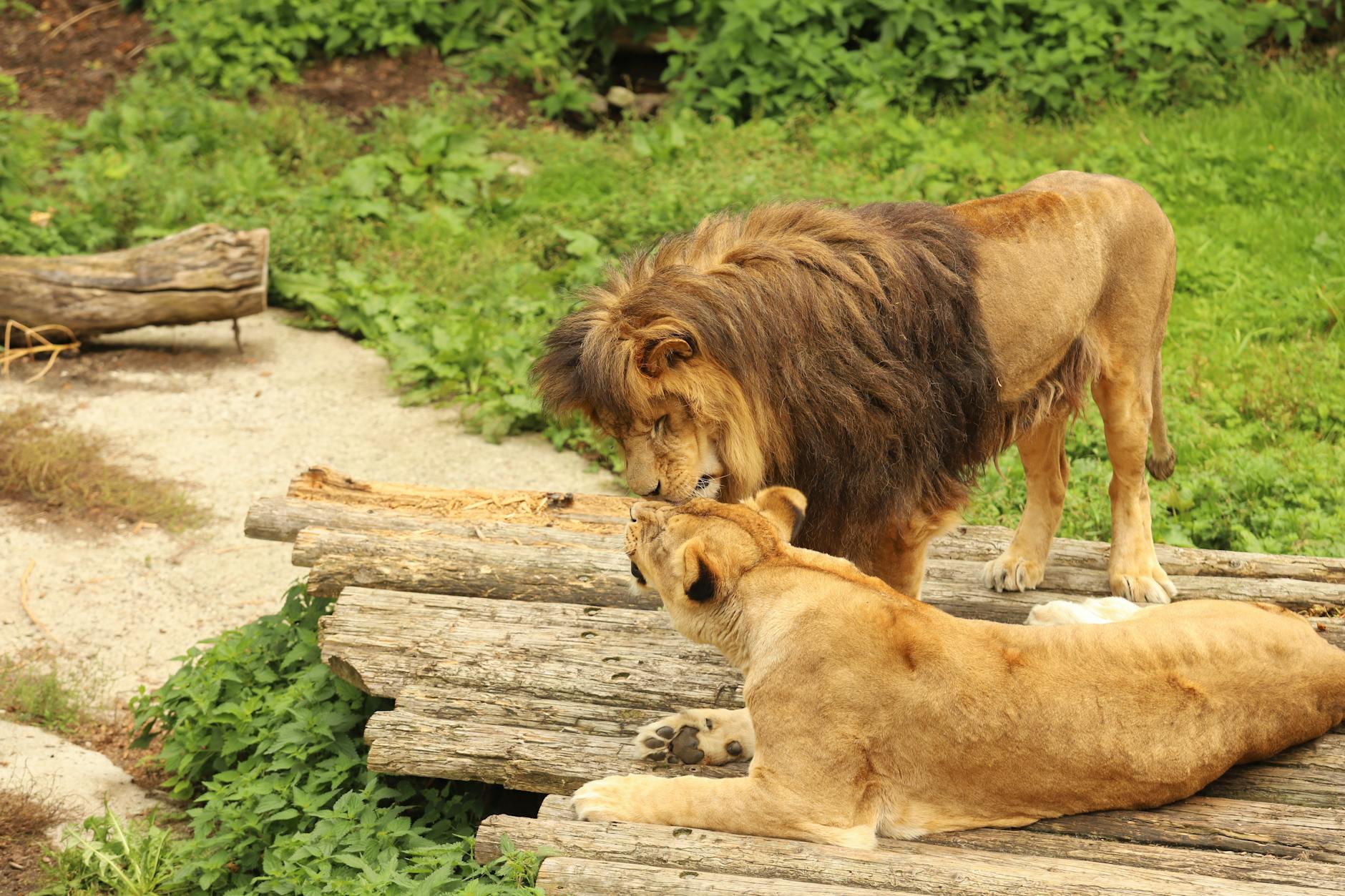
For both male and female lions, physical fitness and signs of fertility are critical signals in attracting a mate. Lions are finely tuned to recognize these indicators, ensuring the continuation of healthy bloodlines.
- Male Attributes: A male lion’s mane size, darkness, and overall physical condition are indicators of health and fighting ability. A darker, thicker mane often signals higher testosterone levels.
- Female Attributes: Female lions exhibit signs of estrus, including increased vocalization, restlessness, and receptivity to male advances. Their physical condition is also a strong indicator of their ability to successfully carry and raise cubs.
- The Flehmen Response: Males will often use the flehmen response (lip curl) to detect pheromones in the urine of females, signaling their readiness to mate.
The Mating Process: A Battle for Succession
How do lions choose their mate unfolds as a competitive and often violent process. Dominant males actively guard their mating rights, leading to frequent conflicts and challenges from rival males.
- Challenging the Status Quo: Young male lions often form coalitions to challenge established dominant males.
- Winning the Pride: Success in ousting the incumbent males grants the new coalition mating rights within the pride.
- Courtship Rituals: Lions engage in courtship behaviors such as rubbing, licking, and vocalizations.
- The Act of Mating: Lions may mate multiple times a day for several days, increasing the chances of conception.
Avoiding Inbreeding: A Genetic Imperative
While not always strictly adhered to, lions possess inherent mechanisms to reduce the likelihood of inbreeding. This helps maintain genetic diversity within the pride and minimizes the risks associated with closely related individuals reproducing.
- Female Dispersal: Young female lions may sometimes leave their natal pride to join another, reducing the risk of mating with related males.
- Male Takeovers: Coalitions of males frequently challenge existing prides, introducing new genetic material into the population.
Table Comparing Mating Strategies
| Feature | Female Lion | Male Lion |
|---|---|---|
| Primary Goal | Secure a strong, healthy male to father healthy cubs | Secure mating rights within the pride to pass on genes |
| Key Considerations | Physical fitness of the male, ability to protect the pride, genetic diversity | Physical fitness, ability to defeat rivals, signs of fertility in the female |
| Mating Strategies | Exhibiting signs of estrus, choosing the strongest male available, potentially leaving the pride to avoid inbreeding | Competing with rivals, displaying strength and dominance, performing courtship rituals to win over females |
Frequently Asked Questions (FAQs)
Do lionesses always mate with the dominant male in the pride?
While dominant males typically have the most mating opportunities, lionesses can sometimes mate with subordinate males if they are strong enough or if the dominant male is preoccupied. The power dynamic within the pride influences who gets to mate.
How often do lions mate?
When a lioness is in estrus, lions may mate multiple times a day for several days, sometimes even up to a week. This intense mating behavior increases the likelihood of conception.
How long is a lion’s gestation period?
The gestation period for lions is approximately 110 days, or about three and a half months. Lionesses typically give birth to a litter of one to four cubs.
What role do lion cubs play in the mating process?
Lion cubs do not directly play a role in the mating process. However, their presence influences the behavior of both male and female lions, particularly when new males take over a pride and may kill existing cubs to bring the females into estrus more quickly.
Do lions form lasting pair bonds?
No, lions do not form lasting pair bonds. The relationship between male and female lions is largely dictated by the social hierarchy of the pride and the female’s estrus cycle.
How do lions assess genetic compatibility?
Lions primarily assess genetic compatibility through physical indicators of health and fitness, as well as behavioral cues. The avoidance of inbreeding also plays a crucial role in ensuring genetic diversity.
What happens when a new male lion takes over a pride?
When a new male lion or coalition of males takes over a pride, they often kill existing cubs. This triggers the lionesses to come into estrus sooner, allowing the new males to father their own offspring.
Can subordinate male lions mate with lionesses?
Yes, subordinate male lions can mate with lionesses, particularly if the dominant male is absent, injured, or otherwise occupied. The opportunity to mate depends on the social dynamics within the pride.
How does the environment affect lion mating behavior?
Environmental factors, such as food availability and the presence of other prides, can influence lion mating behavior. Scarcity of resources can lead to increased competition and conflict.
Do lionesses have a preference for certain male traits?
Lionesses are often drawn to males with darker manes, which are indicators of higher testosterone levels and overall health. They also prefer males who are strong and capable of protecting the pride.
What is the estrus cycle of a lioness?
The estrus cycle of a lioness lasts for several days, during which time she is receptive to mating. This cycle can occur multiple times a year.
How does poaching and habitat loss affect lion mating patterns?
Poaching and habitat loss significantly disrupt lion mating patterns by reducing the overall lion population and fragmenting their habitats. This can lead to increased inbreeding and reduced genetic diversity, threatening the long-term survival of lion populations. How do lions choose their mate is becoming increasingly important as their populations dwindle and the need for conservation efforts intensifies.