

What Does Ringworm on a Horse Look Like?
Ringworm on a horse typically presents as circular patches of raised, crusty skin with hair loss. This highly contagious fungal infection is characterized by its distinctive appearance and can spread rapidly among equines.

Understanding Ringworm in Horses
Ringworm, despite its name, is not caused by a worm but by a group of fungi called dermatophytes. These fungi thrive on keratin, the protein that makes up skin, hair, and nails. Ringworm is highly contagious and can affect horses of all ages, breeds, and disciplines. Understanding the disease, what ringworm on a horse looks like, and how it spreads is crucial for prevention and effective treatment.

What colours are fish most attracted to?
Can you put your finger in a trout's mouth?
Is methylene blue anti bacterial?
Does aquarium salt raise pH in aquarium?
Recognizing the Signs: What Does Ringworm on a Horse Look Like?
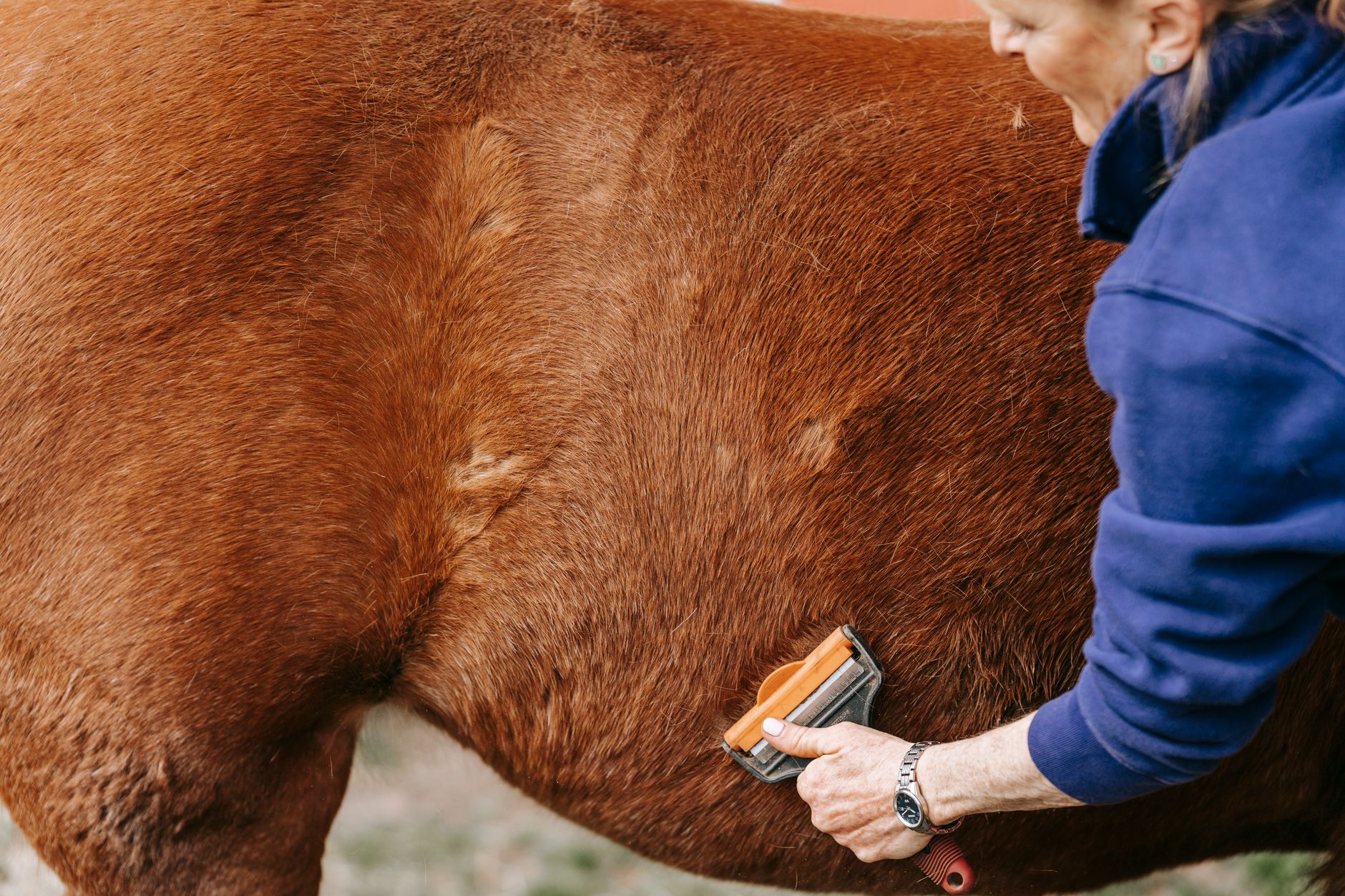
Identifying ringworm early is essential to prevent its spread. The appearance of ringworm can vary slightly depending on the individual horse and the severity of the infection, but certain characteristics are common:
- Circular Lesions: The most typical sign is the presence of circular or oval patches of hair loss.
- Crusty Skin: The affected skin is often raised, scaly, and crusty. This crust can be easily removed, revealing raw, pink skin underneath.
- Hair Loss: Hair loss is a hallmark symptom. The hair may break off near the skin, leaving short, stubby hairs.
- Location: Lesions can appear anywhere on the horse’s body, but they are most common on the head, neck, girth area, and saddle area.
- Itchiness: While not always present, some horses experience itching in the affected areas, leading to further skin damage from rubbing and scratching.
How Ringworm Spreads
Ringworm is extremely contagious and spreads through:
- Direct Contact: Direct contact with an infected horse is the most common way ringworm spreads.
- Indirect Contact: Sharing grooming equipment, saddles, blankets, and other tack can also transmit the fungus.
- Environmental Contamination: Fungi can survive for months in the environment, contaminating stalls, fences, and trailers.
Diagnosis and Treatment
A veterinarian can confirm a ringworm diagnosis through several methods:
- Visual Examination: Sometimes, the distinctive appearance is enough for a preliminary diagnosis.
- Fungal Culture: A fungal culture involves taking a sample of hair and skin and allowing it to grow in a laboratory to identify the specific dermatophyte.
- Microscopic Examination: Direct microscopic examination of hair and skin scrapings can also reveal the presence of fungal spores.
Treatment typically involves:
- Topical Antifungal Medications: Antifungal shampoos, creams, and dips are commonly used to treat ringworm.
- Systemic Antifungal Medications: In severe or widespread cases, oral antifungal medications may be necessary.
- Environmental Disinfection: Thorough cleaning and disinfection of the horse’s environment are crucial to prevent reinfection.
Prevention Strategies
Preventing ringworm involves:
- Good Hygiene: Regular grooming and cleaning of tack can help prevent the spread of fungi.
- Avoid Sharing Equipment: Do not share grooming tools, saddle pads, or blankets between horses.
- Quarantine New Horses: Quarantine new horses for at least 2-3 weeks to monitor for signs of ringworm.
- Disinfect Stalls: Regularly disinfect stalls and other areas where horses congregate.
Ringworm and Humans
Ringworm is a zoonotic disease, meaning it can be transmitted from animals to humans. If you suspect your horse has ringworm, take precautions to avoid contracting the infection yourself:
- Wear Gloves: Wear gloves when handling infected horses or cleaning contaminated equipment.
- Wash Hands Thoroughly: Wash your hands thoroughly with soap and water after contact with infected horses or equipment.
- Seek Medical Attention: If you develop circular, itchy patches of skin, see a doctor for diagnosis and treatment.
Ringworm’s Impact on Horse Health
Ringworm’s impact on a horse’s health is mainly related to skin irritation and potential secondary infections. Though usually not life-threatening, it can cause:
- Discomfort: Itchiness and skin irritation can cause discomfort and distress for the horse.
- Secondary Infections: Open sores from scratching can become infected with bacteria.
- Cosmetic Issues: Ringworm can cause temporary hair loss and scarring, which may be a concern for show horses.
| Feature | Description |
|---|---|
| Appearance | Circular, crusty lesions with hair loss |
| Contagiousness | Highly contagious via direct and indirect contact |
| Treatment | Topical and/or systemic antifungal medications, disinfection |
| Prevention | Good hygiene, quarantine, avoiding shared equipment |
| Human Risk | Zoonotic – transmissible to humans |
Frequently Asked Questions
What is the incubation period for ringworm in horses?
The incubation period for ringworm in horses, the time between exposure to the fungus and the development of symptoms, is typically 1-4 weeks. This means that a horse can be infected and contagious for several weeks before any visible signs appear.
Can ringworm be prevented entirely in horses?
While it is challenging to guarantee complete prevention, practicing good hygiene and implementing preventative measures can significantly reduce the risk of ringworm outbreaks. Consistent disinfection and avoiding shared equipment are crucial.
How long does it take for ringworm to clear up in horses with treatment?
With proper treatment, ringworm in horses typically clears up within 3-6 weeks. However, the duration can vary depending on the severity of the infection and the horse’s individual immune response. Consistent application of antifungal medications and thorough environmental disinfection are key to a successful recovery.
Is ringworm more common in certain horse breeds or ages?
Ringworm can affect horses of all breeds and ages. However, younger horses and those with compromised immune systems are often more susceptible. This is because their immune systems may not be fully developed or functioning optimally.
Can ringworm cause permanent scarring or hair loss in horses?
In most cases, ringworm resolves without causing permanent scarring or hair loss. However, severe or untreated infections can sometimes lead to scarring. Prompt treatment and prevention of secondary infections are crucial for minimizing the risk of long-term damage.
Is it safe to ride a horse with ringworm?
Riding a horse with ringworm is generally not recommended. The saddle and tack can further irritate the affected areas and potentially spread the infection to other horses or people. It is best to allow the horse to fully recover before resuming riding.
How often should I disinfect my horse’s environment to prevent ringworm?
The frequency of disinfection depends on the risk of exposure. In high-risk environments, such as boarding stables or show facilities, disinfecting frequently touched surfaces (e.g., stall walls, fences, grooming tools) at least once a week is recommended. In lower-risk environments, monthly disinfection may suffice.
What are some effective disinfectants for ringworm?
Effective disinfectants for ringworm include bleach solutions (diluted according to the manufacturer’s instructions), chlorhexidine solutions, and commercial antifungal disinfectants. Always follow the manufacturer’s instructions and ensure proper ventilation when using disinfectants.
What are the early signs of ringworm in horses that might be easily missed?
The earliest signs of ringworm might be subtle, such as a small patch of slightly raised or scaly skin, or a few broken hairs. These early signs can be easily missed, so it is important to regularly inspect your horse’s skin for any abnormalities.
Can ringworm be confused with other skin conditions in horses?
Yes, ringworm can sometimes be confused with other skin conditions, such as rain rot, sweet itch, or insect bite hypersensitivity. A veterinarian can perform a fungal culture or other diagnostic tests to confirm the diagnosis.
Are there natural remedies for treating ringworm in horses?
Some natural remedies, such as tea tree oil and apple cider vinegar, have antifungal properties and may provide some relief. However, their effectiveness is not scientifically proven, and they should not be used as a substitute for conventional veterinary treatment. Always consult with a veterinarian before using any alternative therapies.
Is ringworm a reportable disease?
Ringworm is not typically a reportable disease in most jurisdictions. However, it is important to consult with your local veterinarian or animal health authorities to determine if there are any specific reporting requirements in your area, particularly in cases of widespread outbreaks.
Understanding what ringworm on a horse looks like is the first step in protecting your equine companion.