

What is a Double Merle Dog? Understanding the Risks and Responsibilities
A double merle dog is the result of breeding two merle dogs together, often leading to severe health problems, particularly deafness and blindness, due to a double dose of the merle gene. Understanding the genetic risks is crucial before considering breeding merle dogs.

The Genetics of Merle
The merle gene is a dominant gene that affects the pigment in a dog’s coat, creating mottled patches of color. It’s responsible for the beautiful and unique patterns seen in breeds like Australian Shepherds, Collies, and Great Danes. However, the merle gene isn’t entirely harmless. When a dog inherits one copy of the merle gene (Mm), it exhibits the merle pattern and is generally healthy. The problems arise when a dog inherits two copies of the merle gene (MM), resulting in a double merle dog.
The Perils of Double Merle
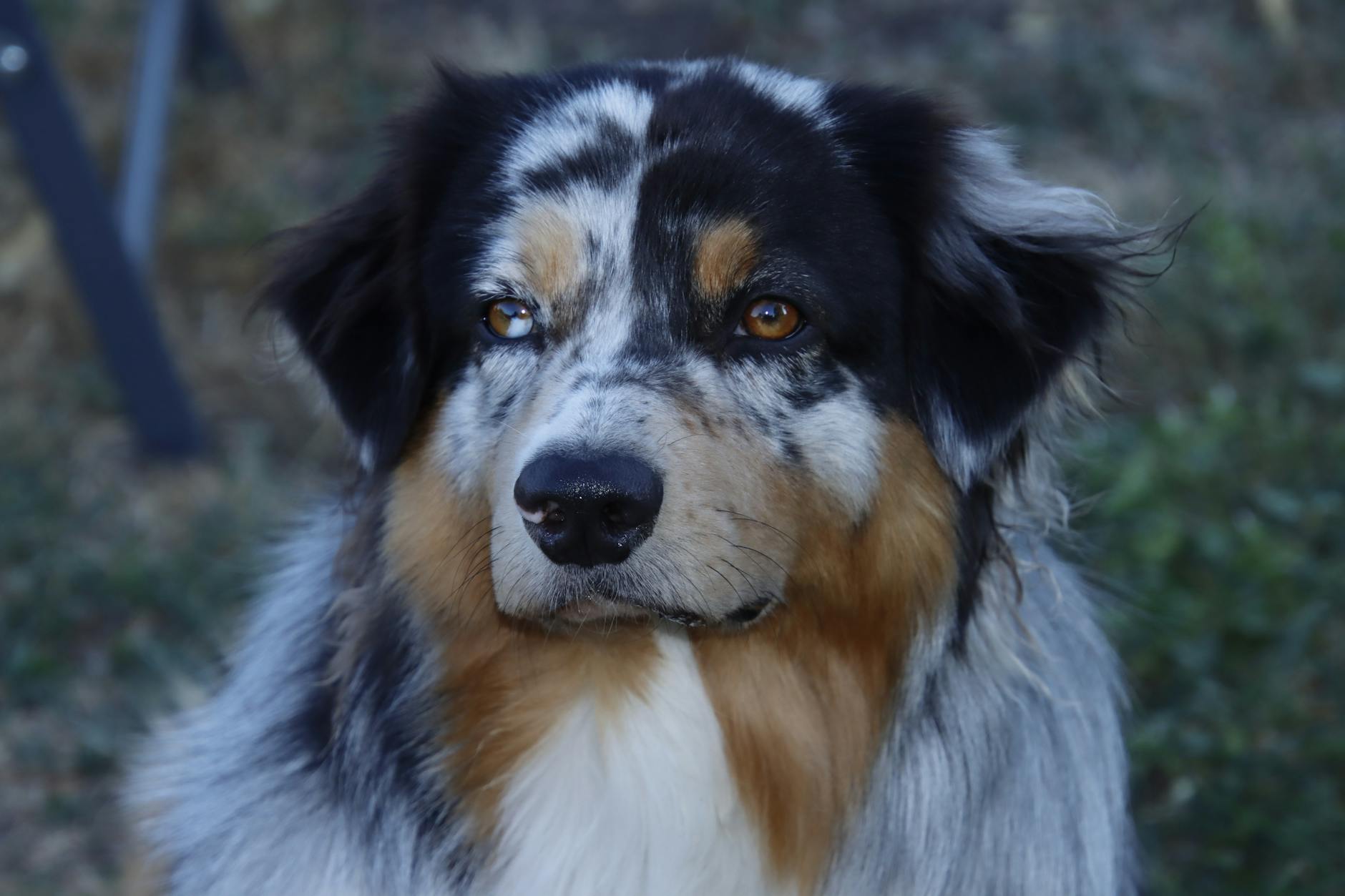
The double merle combination significantly increases the risk of developmental abnormalities, particularly affecting the ears and eyes. These issues stem from the way the merle gene affects melanocytes, the cells responsible for producing pigment.
- Deafness: Melanocytes play a crucial role in the development of the inner ear. In double merle dogs, the lack or malformation of melanocytes in the inner ear frequently leads to congenital deafness.
- Blindness: Similarly, melanocytes are essential for the proper development of the eyes. The double dose of the merle gene can cause a range of eye defects, including microphthalmia (abnormally small eyes), colobomas (gaps in the eye structure), and increased intraocular pressure leading to blindness.
- Other Health Issues: While deafness and blindness are the most common and devastating effects, double merle dogs can also experience other health problems. These may include skin sensitivities, weakened immune systems, and even skeletal abnormalities, although these are less frequent.
Identifying a Double Merle Dog
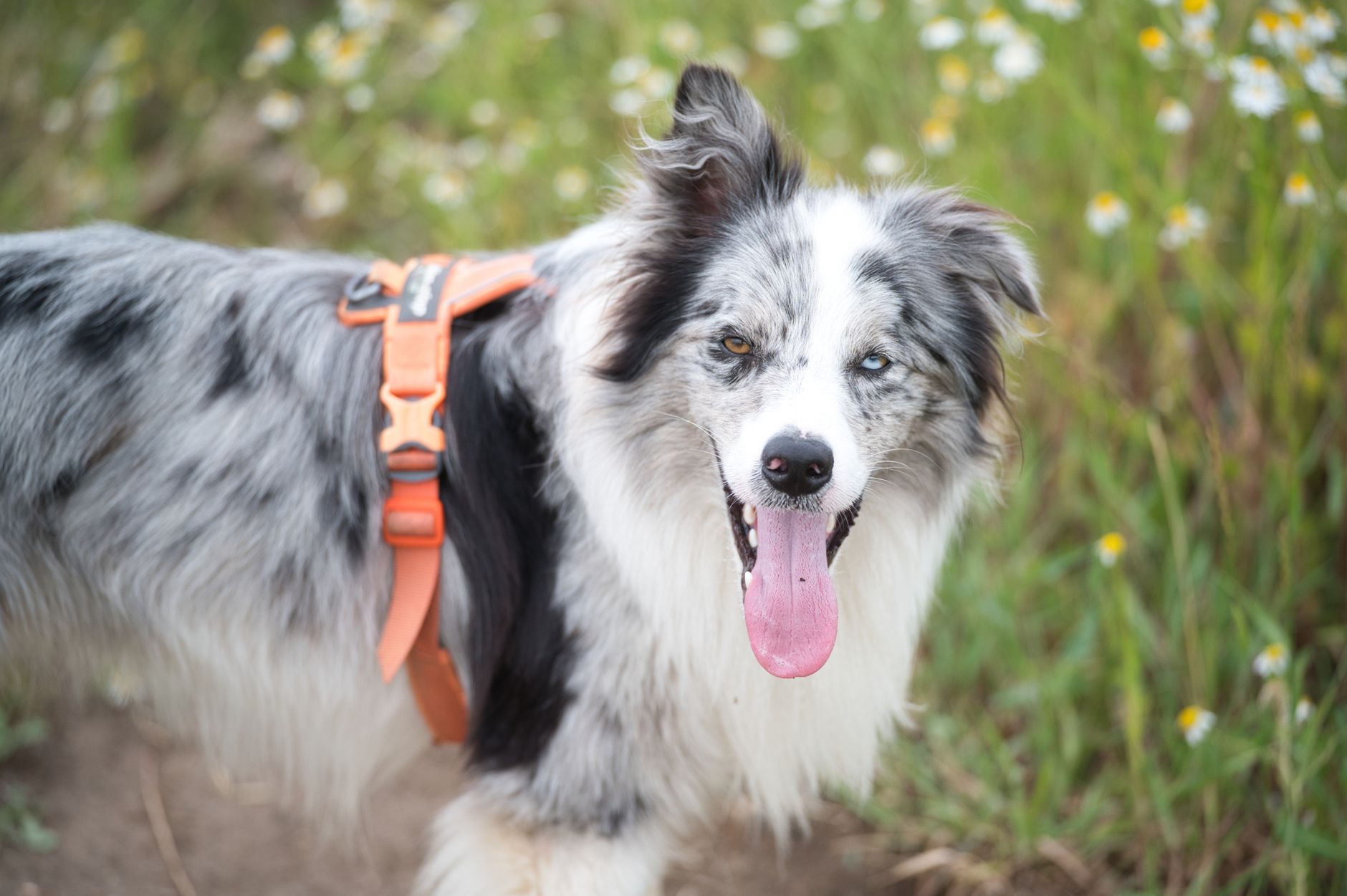
Identifying a double merle dog can sometimes be challenging, especially at a young age. While many double merles have predominantly white coats and pink noses (indicating a lack of pigment), this isn’t always the case. Some can have more color, making it harder to distinguish them visually. Genetic testing is the most reliable way to determine if a dog is a double merle. However, physical indicators include:
- Excessive white markings
- Blue or mismatched eyes
- Small or misshapen eyes
- Deafness
- Sensitivity to sunlight (due to lack of pigment in the skin)
Ethical Considerations of Breeding Merle Dogs
Breeding merle dogs requires careful consideration and a deep understanding of genetics. Irresponsible breeding practices can lead to the birth of suffering animals.
- Genetic Testing: Before breeding any dog with the merle gene, genetic testing is essential to determine its genotype (Mm or mm).
- Avoid Merle-to-Merle Breeding: Never breed two merle dogs together. This is the only way to ensure that double merle dogs are not produced.
- Educate Yourself: Understand the risks and responsibilities associated with merle breeding.
- Support Responsible Breeders: Choose breeders who prioritize the health and well-being of their dogs.
Supporting a Double Merle Dog
Caring for a double merle dog requires patience, understanding, and a commitment to providing a fulfilling life despite their disabilities. Here’s how you can support a double merle:
- Training: Develop alternative communication methods for deaf dogs, such as hand signals or vibrations.
- Environment: Create a safe and predictable environment to help the dog navigate their surroundings.
- Veterinary Care: Regular check-ups with a veterinarian experienced in dealing with deaf and blind dogs are crucial.
- Advocacy: Raise awareness about the risks of double merle breeding and the importance of responsible breeding practices.
- Love and Patience: Provide a loving and supportive home where the dog feels safe and secure.
Prevention is Key
The best way to address the issue of double merle dogs is through prevention. By educating breeders and potential dog owners about the risks of merle-to-merle breeding, we can significantly reduce the number of these dogs born with debilitating health problems. Responsible breeding practices and informed decision-making are essential for ensuring the well-being of all dogs.
Summary Table: Merle Genetics
| Genotype | Phenotype (Appearance) | Health Risks | Breeding Recommendations |
|---|---|---|---|
| Mm | Merle | Generally healthy | Breed to a non-merle (mm) dog only. |
| mm | Non-merle | Healthy | Can be bred to either merle (Mm) or non-merle (mm) dogs. |
| MM | Double Merle | High risk of defects | Should not exist. Result of irresponsible breeding. |
Frequently Asked Questions (FAQs)
What causes a double merle dog to be born?
A double merle dog is born when two merle dogs are bred together. Each parent contributes a copy of the merle gene (M), resulting in a dog with two copies (MM). This double dose of the merle gene is what causes the health problems associated with double merles.
Are all double merle dogs deaf and blind?
While deafness and blindness are extremely common in double merle dogs, not all will experience both conditions. Some may only be deaf, blind, or experience other less severe health problems. However, the risk of significant health issues is dramatically increased compared to dogs with only one copy of the merle gene or no merle gene at all.
Can you tell if a puppy is a double merle just by looking at it?
While excessive white markings and blue or mismatched eyes are common indicators, it’s not always possible to definitively identify a double merle puppy based solely on appearance. Genetic testing is the most accurate method for confirming whether a puppy has two copies of the merle gene.
What breeds are most likely to produce double merle dogs?
Breeds in which the merle gene is common are at higher risk of producing double merle dogs if breeders are not careful. These breeds include Australian Shepherds, Collies, Great Danes, Catahoula Leopard Dogs, and Shetland Sheepdogs.
Is it ethical to breed merle dogs?
Breeding merle dogs can be ethical if done responsibly. Responsible breeding involves genetic testing to ensure that merle dogs are only bred to non-merle dogs. This prevents the possibility of producing double merle dogs with severe health problems.
What is the lifespan of a double merle dog?
The lifespan of a double merle dog can vary depending on the severity of their health problems and the quality of care they receive. With proper management of their health issues, double merles can live fulfilling lives, although they may require more specialized care.
Are there any health benefits to having the merle gene?
No, there are no known health benefits associated with the merle gene. The merle gene is solely responsible for coat pattern and can increase the risk of health issues, especially when present in two copies (double merle).
Can a double merle dog have any other health issues besides deafness and blindness?
Yes, while deafness and blindness are the most common and well-known issues, double merle dogs can also experience other health problems, including skin sensitivities, weakened immune systems, and potentially skeletal abnormalities, although these are less frequent.
How can I find a reputable breeder who breeds merle dogs responsibly?
Look for breeders who:
- Provide genetic testing results for their dogs.
- Breed merle dogs only to non-merle dogs.
- Are transparent about the risks associated with merle breeding.
- Prioritize the health and well-being of their dogs.
- Allow you to meet the parent dogs and see their living conditions.
What resources are available for people who own double merle dogs?
Many resources are available, including:
- Deaf dog training guides and support groups.
- Blind dog resources and assistive devices.
- Veterinarians specializing in treating deaf and blind animals.
- Online communities and forums for double merle dog owners.
What should I do if I suspect a breeder is irresponsibly breeding merle dogs?
Report the breeder to the appropriate authorities. This could include animal control, breed-specific organizations, or local humane societies. Document any evidence of irresponsible breeding practices, such as breeding two merle dogs together or selling puppies without health screenings.
What is the difference between a merle dog and a piebald dog?
Merle and piebald are distinct genetic traits. Merle affects the distribution of pigment within the coat, creating mottled patches. Piebald, on the other hand, causes large areas of white spotting due to a lack of pigment in those areas. Both traits affect coat color, but they are caused by different genes and have different visual effects.