

What Does F Mean in Horse Racing? Decoding Track Abbreviations
The letter F in horse racing typically signifies that a horse finished a particular race distance over a fast track surface. It’s a crucial abbreviation for understanding race conditions and evaluating a horse’s performance.
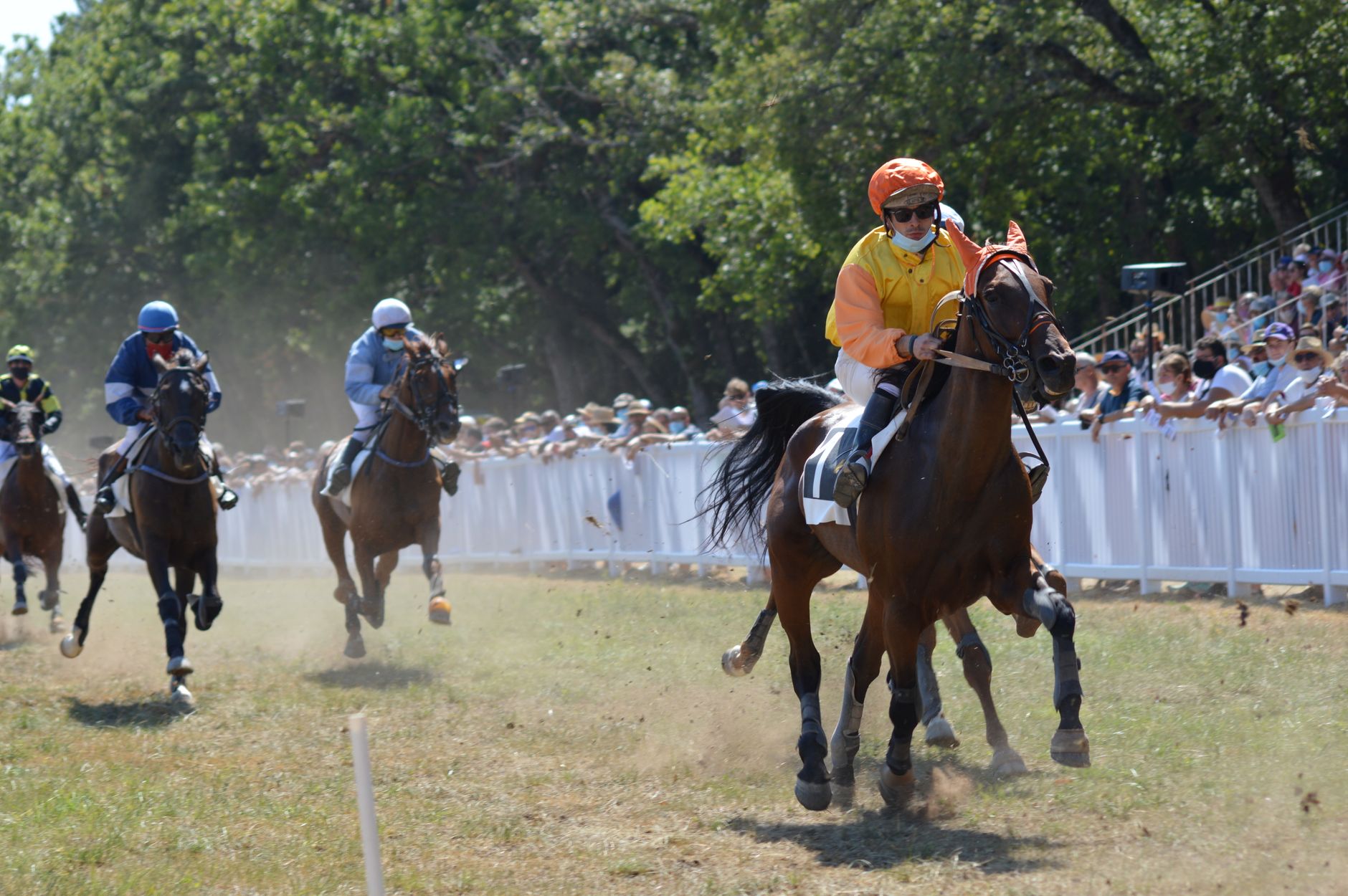
Horse racing, a sport steeped in tradition and complex terminology, often relies on abbreviated descriptions to convey vital information concisely. One such abbreviation, “F,” frequently appears in race results and past performance charts. Understanding what “F” means in horse racing is essential for handicappers, owners, and racing enthusiasts alike. This article will delve into the nuances of track abbreviations, focusing on the meaning of “F” and its implications for understanding race conditions and horse performance.
Understanding Track Conditions: The Foundation
Before deciphering “F,” it’s crucial to grasp the concept of track conditions. The surface of a racetrack plays a significant role in a horse’s performance. Tracks are rated based on their moisture content and composition, which affect the speed and footing. These ratings are determined by track officials before each race.
- Fast (F): A dry, even, resilient surface, considered the standard for optimal racing conditions.
- Good (Gd): Slightly wetter than a fast track, often resulting in slower times.
- Muddy (My): A wet, heavy track, resulting from significant rainfall.
- Sloppy (Sl): A water-saturated surface with standing water, often slower than a muddy track.
- Heavy (Hy): A deeply saturated track with very poor footing.
- Firm (Fm): Used primarily for turf courses and indicates a dry, hard surface.
- Good (G): Used primarily for turf courses and indicates a surface with some give.
- Yielding (Y): Used primarily for turf courses and indicates a soft, wet surface.
- Soft (S): Used primarily for turf courses and indicates a very wet, spongy surface.
These ratings are often combined with other abbreviations to provide a comprehensive description of the track condition at the time of the race.

What colours are fish most attracted to?
Can you put your finger in a trout's mouth?
Is methylene blue anti bacterial?
Does aquarium salt raise pH in aquarium?
What Does “F” Specifically Signify?
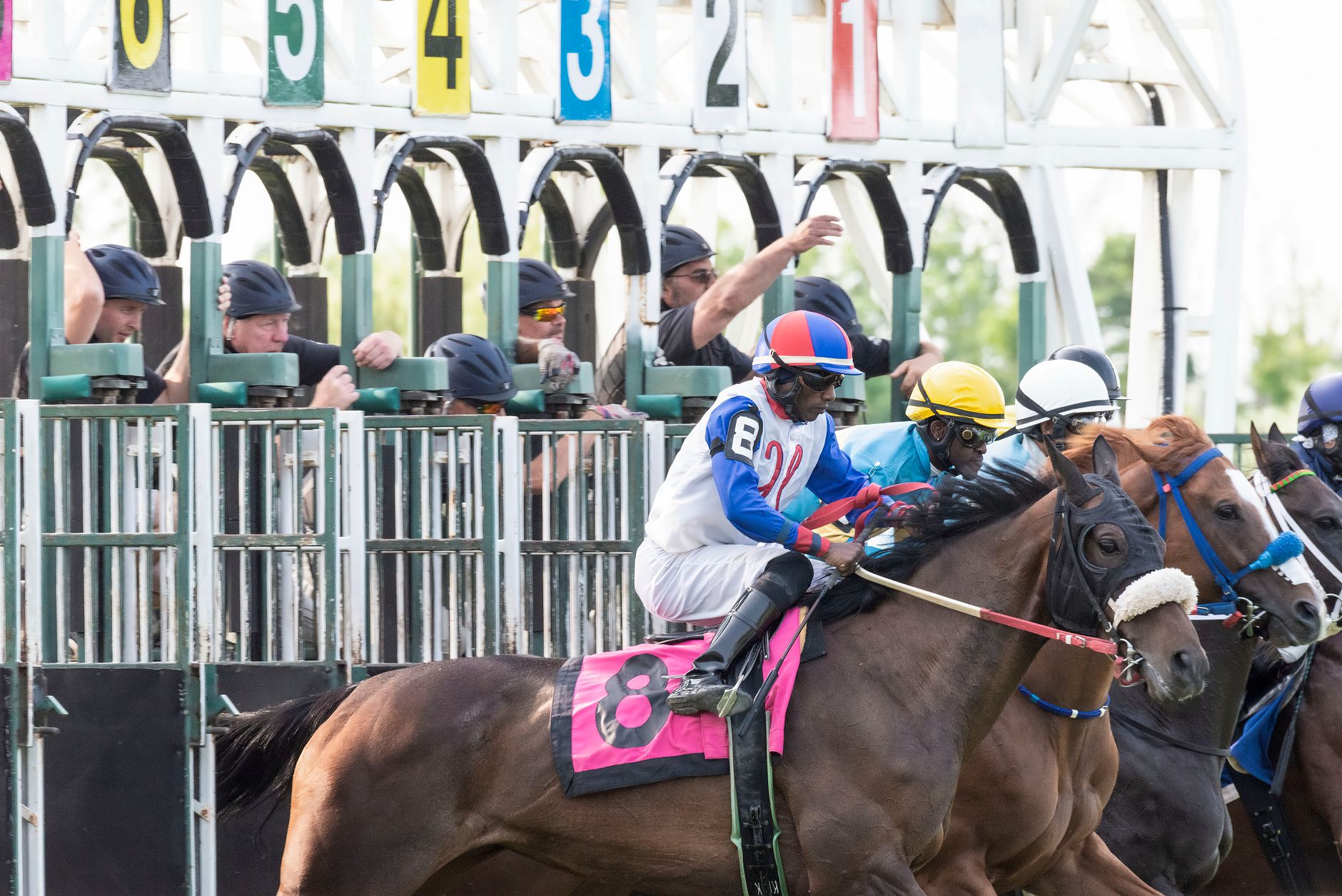
As mentioned earlier, “F” in horse racing most commonly stands for fast__. When you see “F” next to a race result, it means that the race was run on a fast track. A fast track is generally considered the fairest condition for all horses, as it provides a consistent and predictable surface.
Interpreting Race Results with Track Conditions in Mind
Understanding track conditions is critical when analyzing race results. A horse that performs exceptionally well on a fast track might struggle on a muddy or sloppy track, and vice versa. Therefore, it’s important to consider the track condition when evaluating a horse’s past performances.
Here’s a table illustrating how track conditions can impact race times:
| Track Condition | Typical Impact on Race Time |
|---|---|
| Fast (F) | Generally the fastest times |
| Good (Gd) | Slightly slower than fast |
| Muddy (My) | Significantly slower than fast |
| Sloppy (Sl) | Slower than muddy, highly variable |
Beyond Speed: The Influence of Track Condition on Horse Preference
Some horses possess a preference for certain track conditions. This preference can be influenced by various factors, including:
- Breeding: Certain bloodlines may be predisposed to perform better on specific track surfaces.
- Conformation: A horse’s physical build can affect its ability to handle different track conditions.
- Training: Some horses are specifically trained to handle wet or muddy tracks.
- Experience: Horses gain experience over time which helps them better adapt to different track conditions.
Analyzing a horse’s past performances on different track conditions can reveal valuable insights into its preferences and potential for success. A horse that consistently performs well on fast tracks may be a strong contender in races run under similar conditions. Conversely, a horse that excels on sloppy tracks might be a good bet in rainy weather.
Common Mistakes in Interpreting Track Abbreviations
- Ignoring the Condition: Assuming all “F” tracks are the same is a common mistake. Even on a fast track, slight variations in moisture or surface composition can influence race times.
- Overlooking Other Factors: Track condition is just one of many factors that affect race results. Other considerations include the horse’s class, distance, jockey, and post position.
- Focusing Solely on Winning: Don’t just look at wins. Consider a horse’s entire race history, including its performances on different track conditions, to get a more comprehensive picture of its abilities.
The Importance of Checking for Track Variant
The track variant is a numerical value that indicates how fast or slow a particular racetrack is playing on a given day. It compares the average winning time of all races run on that track to a standard time. A positive track variant indicates a faster track, while a negative track variant indicates a slower track. The track variant is a valuable tool for adjusting race times and comparing performances across different racetracks.
Practical Applications for Bettors and Handicappers
Understanding what “F” means in horse racing__ and track conditions is vital when trying to pick a winner. Consider the following:
- Review past performances: Analyze how a horse has performed on different track conditions.
- Check the weather forecast: If rain is predicted, consider horses that excel on wet tracks.
- Use track variant: Adjust race times to account for differences in track speed.
Frequently Asked Questions
What is the difference between a “fast” track and a “firm” track?
A fast track (often abbreviated as “F”) is generally used to describe dirt tracks and indicates a dry, even, and resilient surface. A firm track (often abbreviated as “Fm”) is used specifically for turf courses and signifies a dry and hard surface. The terms are not interchangeable.
Why is a “fast” track considered ideal for racing?
A fast track is considered ideal because it provides a consistent and predictable surface, minimizing the impact of track conditions on a horse’s performance. This allows for a fairer comparison of horses’ abilities.
Can track conditions change during a race day?
Yes, track conditions can change during a race day__, especially if there is rain. Track officials regularly monitor the track and adjust the rating as needed.
How do track officials determine the track rating?
Track officials assess the track rating visually and by walking the surface__. They consider factors such as moisture content, surface consistency, and footing. Sometimes specialized equipment like penetrometers are used for objective measurement.
Does a horse’s post position affect its performance on a fast track?
While a fast track generally provides a fairer racing surface__, post position can still play a role. Inside posts can be advantageous on some tracks, while outside posts can be disadvantageous on others.
What is “sealed track,” and how does it relate to “fast”?
A sealed track refers to a process where track maintenance crews compact the surface to prevent water from penetrating and creating a muddy or sloppy condition. A sealed track may be rated as “fast” if it is dry and resilient after being sealed.
How can I find out the track condition for a specific race?
Track conditions are typically listed in the race program__, on racing websites, and on television broadcasts. They are also announced at the racetrack.
Does a horse’s weight affect its performance differently on a fast track compared to a muddy track?
Yes, weight can have a different impact__ on different track conditions. On a fast track, a horse’s weight is a less significant factor, while on a muddy track, the added weight can be more detrimental.
What does it mean if a horse is described as a “mudder”?
A “mudder” is a term used to describe a horse that performs well on muddy or sloppy tracks__. These horses often have a natural ability to handle wet and heavy surfaces.
Are there any other abbreviations related to track conditions I should know?
Besides “F,” “Gd,” “My,” and “Sl,” it’s also useful to know “Hy” (Heavy), “Fm” (Firm – turf), “G” (Good – turf), “Y” (Yielding – turf), and “S” (Soft – turf). Knowing these abbreviations is crucial for decoding race results.
Does the distance of a race influence the importance of track conditions?
Yes, the distance of a race can influence the importance of track conditions__. In shorter sprints, a horse’s speed is often the dominant factor. In longer races, stamina and the ability to handle varying track conditions become more critical.
How can I use track condition information to improve my betting strategy?
To improve your betting strategy, analyze each horse’s past performances on various track conditions and consider the current weather forecast. Look for horses that have shown a consistent ability to perform well on the expected track surface. Also consider the track variant to get a full understanding of how fast the track is playing that day.