

Where to Plant Elephant Ears: Cultivating Tropical Splendor
The best place to plant elephant ears is in a location offering partial shade, rich, well-draining soil, and consistent moisture, mimicking their native tropical habitat. Choosing the right location ensures these striking plants thrive, showcasing their impressive foliage.
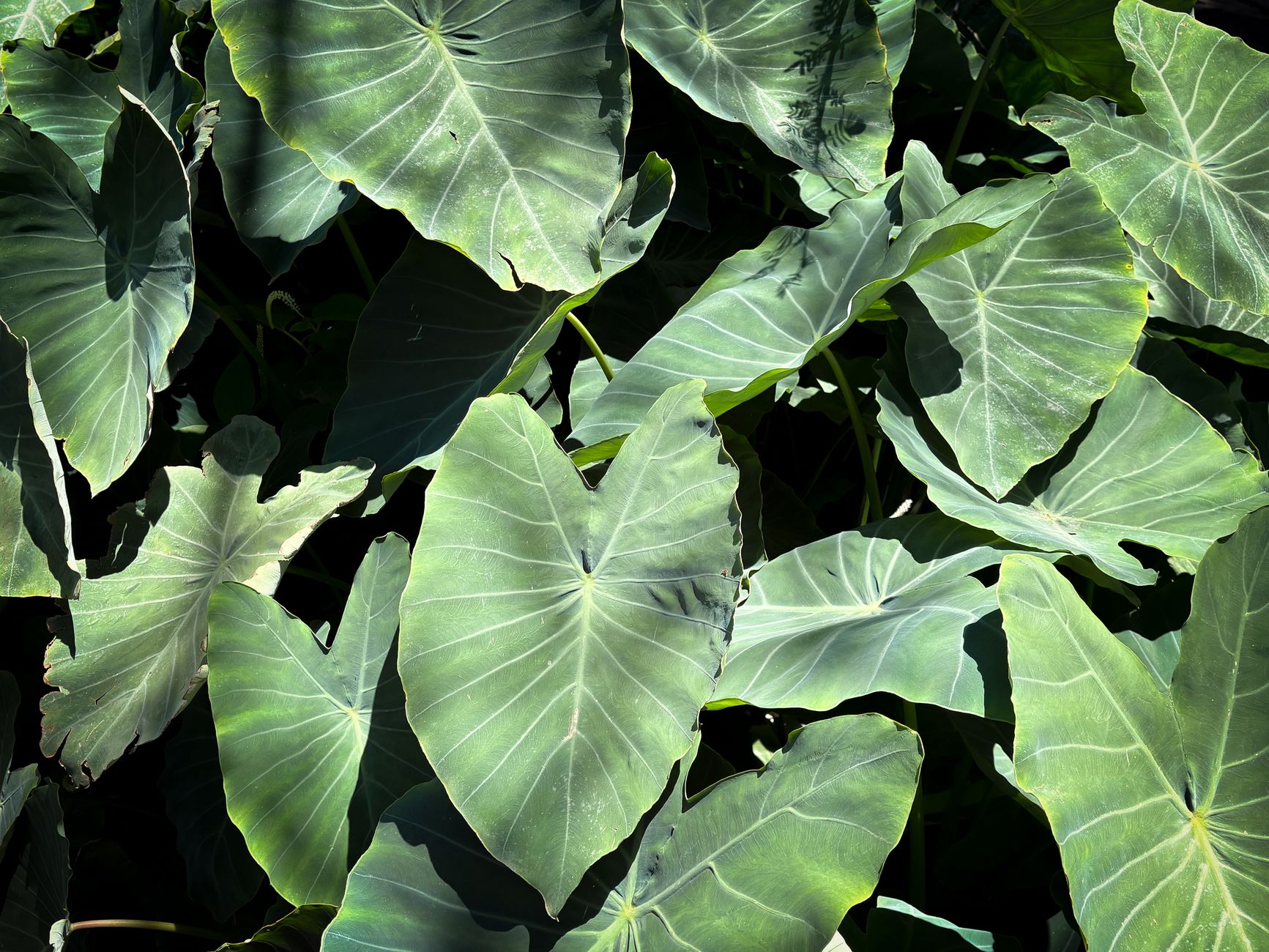
Understanding Elephant Ears: More Than Just a Plant
Elephant ears, scientifically belonging to the genera Colocasia, Alocasia, and Xanthosoma, are celebrated for their massive, heart-shaped or shield-shaped leaves, capable of transforming any garden into a tropical paradise. But these plants are more than just aesthetically pleasing; they are relatively easy to grow when their specific needs are met. Understanding their requirements is crucial for success, especially when determining where is the best place to plant elephant ears.

Is distilled water good for goldfish?
What colours are fish most attracted to?
Can you put your finger in a trout's mouth?
Is methylene blue anti bacterial?
Ideal Planting Conditions: Sunlight, Soil, and Water

The key to thriving elephant ears lies in replicating their natural environment. This boils down to three primary factors:
- Sunlight: While they appreciate sunlight, especially in the morning, direct, harsh afternoon sun can scorch their delicate leaves. Partial shade or dappled sunlight is ideal. Certain varieties, like those with darker foliage, tolerate more sun.
- Soil: Elephant ears demand rich, well-draining soil that is consistently moist. Amend your soil with compost, well-rotted manure, or peat moss to improve its fertility and drainage. Poorly draining soil leads to root rot, a common problem with these plants.
- Water: Consistent moisture is non-negotiable. Elephant ears are water-loving plants and thrive in consistently moist soil. Regular watering is essential, especially during hot and dry periods. Consider installing a soaker hose or drip irrigation system for consistent hydration.
Determining the Best Location: A Practical Guide
The practical application of the above requirements is in selecting the best place to plant elephant ears in your garden or container. Here’s a step-by-step guide:
- Observe Sunlight Patterns: Monitor your garden throughout the day to identify areas that receive partial shade.
- Assess Soil Drainage: Dig a small hole and fill it with water. Observe how quickly the water drains. If it takes longer than an hour, the soil is poorly draining and needs amendment.
- Consider Existing Vegetation: Observe your current vegetation. Taller plants and trees that provide shade may create suitable environments for your elephant ears.
- Plan for Future Growth: Elephant ears can grow quite large, so ensure they have enough space to mature without overcrowding other plants.
Planting Elephant Ears in Containers: Flexibility and Control
For those with limited garden space or challenging soil conditions, containers offer an excellent alternative. When planting in containers:
- Choose a Large Container: Select a pot that is at least 24 inches in diameter to accommodate their extensive root system.
- Use a High-Quality Potting Mix: A peat-based potting mix amended with compost works well.
- Ensure Drainage: The container must have drainage holes to prevent waterlogging.
- Fertilize Regularly: Container-grown plants require more frequent fertilization than those in the ground.
Potential Challenges and Solutions
Growing elephant ears isn’t without its potential pitfalls. Here are some common issues and how to address them:
- Yellowing Leaves: Often a sign of overwatering or poor drainage. Improve drainage or reduce watering frequency.
- Leaf Scorch: Indicates too much direct sunlight. Move the plant to a shadier location.
- Pest Infestations: Watch out for spider mites, aphids, and mealybugs. Treat with insecticidal soap or neem oil.
- Root Rot: Caused by overly wet soil. Ensure the soil is well-draining and avoid overwatering.
Comparing Varieties: Sunlight Tolerance
| Variety | Sunlight Tolerance | Description |
|---|---|---|
| Colocasia esculenta | Partial Shade | Classic green elephant ears. Tolerates morning sun, but needs afternoon shade. |
| Alocasia macrorrhizos | Partial Shade/Dappled | Upright growth habit; prefers bright, indirect light. |
| Colocasia ‘Black Magic’ | More Sun | Dark purple foliage; can tolerate more direct sunlight than green varieties. |
| Xanthosoma violaceum | Partial Shade | Bluish-green foliage; prefers moist, well-drained soil. |
Where Not to Plant Elephant Ears
Avoid planting elephant ears in locations that:
- Receive direct, intense sunlight for extended periods.
- Have compacted, poorly draining soil.
- Are consistently dry.
- Are susceptible to frost, unless you plan to lift the tubers in the fall.
A Final Word on Elephant Ear Placement
Ultimately, where is the best place to plant elephant ears will depend on your specific microclimate and the variety of elephant ear you choose. However, by prioritizing partial shade, rich, well-draining soil, and consistent moisture, you can significantly increase your chances of success and enjoy the dramatic beauty of these tropical wonders.
FAQs: Unveiling Elephant Ear Secrets
What is the best time of year to plant elephant ears?
The best time to plant elephant ears is in the spring, after the last frost. This allows them ample time to establish their root systems before the heat of summer arrives. In warmer climates, you can plant them earlier in the spring or even in the fall.
How deep should I plant elephant ear bulbs (tubers)?
Plant the tubers approximately 4-6 inches deep, with the growing tip facing upwards. Cover them with soil and water thoroughly. If planting multiple tubers, space them about 2-3 feet apart.
Do elephant ears need fertilizer?
Yes, elephant ears are heavy feeders and benefit from regular fertilization. Use a balanced fertilizer (e.g., 20-20-20) every 2-4 weeks during the growing season. Alternatively, you can use a slow-release fertilizer at planting time.
How often should I water elephant ears?
Water elephant ears frequently, keeping the soil consistently moist but not waterlogged. Check the soil moisture regularly, especially during hot weather, and water when the top inch feels dry to the touch.
Can I grow elephant ears indoors?
Yes, elephant ears can be grown indoors, but they require bright, indirect light and high humidity. Place them near a sunny window and consider using a humidifier to increase humidity levels.
Are elephant ears poisonous to pets?
Yes, all parts of the elephant ear plant are poisonous to pets and humans if ingested. They contain calcium oxalate crystals, which can cause irritation and swelling of the mouth and throat. Keep them out of reach of children and pets.
Do elephant ears die back in the winter?
In colder climates, elephant ears are not winter hardy and will die back in the winter. You can either treat them as annuals or dig up the tubers in the fall and store them indoors over the winter.
How do I store elephant ear tubers over the winter?
After digging up the tubers, allow them to dry for a few days. Then, store them in a cool, dry place, such as a basement or garage, in a paper bag or box filled with peat moss or sawdust.
Can I propagate elephant ears?
Yes, elephant ears can be propagated by dividing the tubers in the spring. Carefully separate the tubers, ensuring that each section has at least one growing point, and plant them as usual.
What are common pests that affect elephant ears?
Common pests that affect elephant ears include spider mites, aphids, and mealybugs. These can be controlled with insecticidal soap, neem oil, or by physically removing them from the plant.
Why are my elephant ear leaves turning yellow?
Yellowing leaves can be caused by several factors, including overwatering, underwatering, nutrient deficiencies, or pest infestations. Evaluate your watering habits, soil conditions, and pest control measures to identify and address the problem.
How big do elephant ears get?
The size of elephant ears varies depending on the variety, but they can range from 2 to 8 feet tall and wide. Choose a location that can accommodate their mature size. Therefore, understanding where is the best place to plant elephant ears will vary depending on the specific species.