

What Does a Carpet Beetle Bite Look Like?
The effects often mistaken for carpet beetle bites are usually allergic reactions to the beetle larvae’s hairs, causing itchy, red bumps or a rash; true bites from carpet beetles are extremely rare. Distinguishing these reactions from other insect bites requires careful observation and sometimes professional consultation.

Introduction: The Misunderstood “Bite”
The term “carpet beetle bite” is a common misnomer. While many people experience itchy, red welts and immediately assume they’ve been bitten, the reality is often far more complex. What does a carpet beetle bite look like? The truth is, carpet beetles themselves rarely bite humans. The skin reactions attributed to them are almost always the result of an allergic reaction to the larvae’s bristly hairs, known as setae. Understanding this distinction is crucial for proper identification and treatment.

What colours are fish most attracted to?
Can you put your finger in a trout's mouth?
Is methylene blue anti bacterial?
Does aquarium salt raise pH in aquarium?
Carpet Beetles: The Culprits
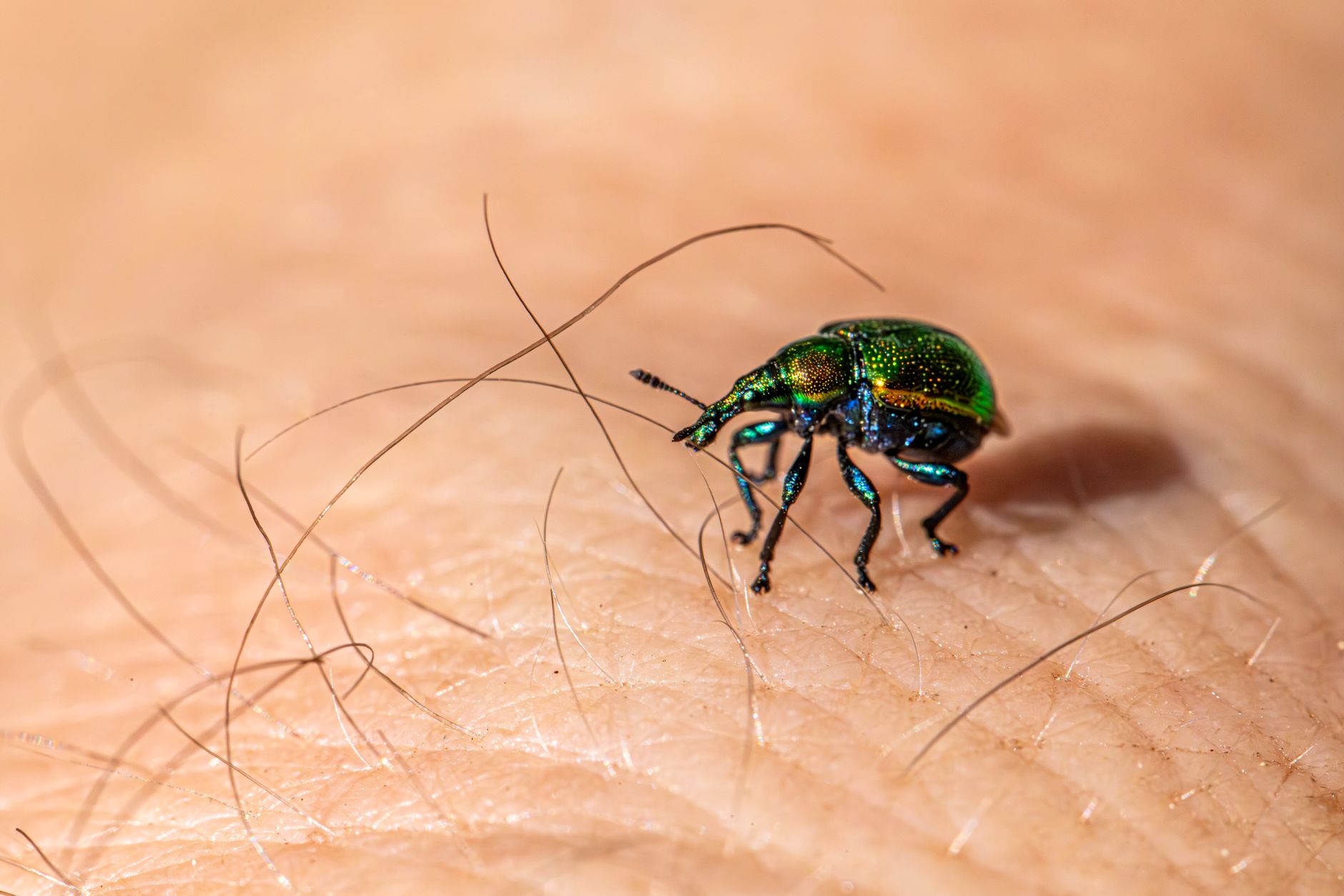
Carpet beetles are small, oval-shaped insects belonging to the family Dermestidae. They are common household pests that can cause significant damage to natural fibers, such as wool, silk, and leather. The adult beetles feed on pollen and nectar outdoors, but it’s the larvae that are the primary source of concern indoors.
- Appearance: Adult carpet beetles are typically small, ranging from 1/8 to 1/4 inch in length. They can be black, brown, or mottled in appearance.
- Larvae: Carpet beetle larvae are longer and more worm-like than the adults. They are covered in bristly hairs (setae) that can irritate the skin.
- Habitat: Carpet beetles thrive in dark, undisturbed areas, such as closets, attics, and under furniture. They are often found near sources of food, such as carpets, clothing, and upholstery.
The “Bite” That Isn’t: Allergic Reactions
The skin irritation often attributed to carpet beetle bites is typically a form of dermatitis caused by contact with the larval hairs. These hairs can easily become airborne and settle on surfaces, including bedding and clothing. When skin comes into contact with these hairs, some individuals experience an allergic reaction.
- Symptoms: The reaction typically manifests as small, red bumps or welts that are often intensely itchy. A rash may also develop.
- Location: These reactions often occur on areas of the body that are exposed while sleeping, such as the arms, legs, and torso.
- Misdiagnosis: Because the symptoms resemble those of bed bug bites or mosquito bites, carpet beetle infestations are often misdiagnosed.
Differentiating Carpet Beetle Reactions from Other Bites
Distinguishing between carpet beetle-related skin reactions and actual insect bites can be challenging. Here’s a comparison:
| Feature | Carpet Beetle Reaction | Bed Bug Bite | Mosquito Bite |
|---|---|---|---|
| Appearance | Small, red bumps or rash, often intensely itchy. | Small, red, raised welts, often in a line or cluster. | Raised, itchy bump with a central puncture mark. |
| Timing | Reactions may appear several days after contact with larvae. | Bites typically occur at night while sleeping. | Bites occur when mosquitoes are active, often at dusk and dawn. |
| Pattern | May be scattered or grouped, but rarely in a distinct pattern. | Often in a line or cluster, reflecting the bug’s feeding pattern. | Typically a single bite. |
| Itch Level | Generally very itchy. | Generally very itchy. | Generally itchy. |
| Other signs | Presence of carpet beetles or larvae, damaged fabrics. | Blood stains on bedding, shed skins, fecal spots. | Presence of mosquitoes. |
| True Bite | Extremely rare | Common | Common |
Treatment and Prevention
If you suspect that you are experiencing an allergic reaction to carpet beetle larvae, several steps can be taken:
- Wash thoroughly: Wash the affected area with soap and water to remove any lingering hairs.
- Apply anti-itch cream: Use an over-the-counter anti-itch cream, such as hydrocortisone, to relieve itching.
- Take antihistamines: Antihistamines can help to reduce inflammation and itching.
- Consult a doctor: If the symptoms are severe or persist, consult a doctor.
- Vacuum frequently: Regular vacuuming, especially in areas where carpet beetles are likely to be present, can help to remove larvae and their hairs.
- Wash bedding and clothing: Wash bedding and clothing in hot water to kill any larvae or eggs.
- Store items properly: Store clothing and other items in airtight containers to prevent carpet beetles from infesting them.
- Professional pest control: If the infestation is severe, consider hiring a professional pest control service.
Conclusion: Understanding the Reality of Carpet Beetle “Bites”
While the term “What does a carpet beetle bite look like?” suggests a direct bite, the reality is that these insects rarely bite humans. The skin reactions are almost always allergic reactions to the larval hairs. By understanding the difference between these reactions and actual insect bites, you can take appropriate steps to identify and treat the problem effectively. Remember to focus on eliminating the carpet beetles and their larvae from your home to prevent future reactions.
FAQs: Frequently Asked Questions About Carpet Beetle “Bites”
What are the primary signs of a carpet beetle infestation in my home?
The most common signs include finding actual beetles (adults or larvae), damaged fabrics with irregular holes, shed larval skins, and fecal pellets in dark, undisturbed areas like closets, under furniture, and along baseboards. Regular inspection of susceptible materials is crucial.
Are carpet beetle larvae dangerous to humans?
Carpet beetle larvae themselves aren’t directly dangerous in terms of transmitting diseases. However, their hairs can cause allergic reactions and skin irritation. For individuals with asthma or allergies, the dust and debris from infestations can exacerbate respiratory issues.
How do I effectively eliminate carpet beetles from my carpets and upholstery?
Effective elimination involves thorough and frequent vacuuming, especially along edges and under furniture. Consider using a steam cleaner on carpets and upholstery to kill larvae and eggs. Professional cleaning services may be necessary for severe infestations.
Can carpet beetles infest food products in my pantry?
Yes, some species of carpet beetles, like the warehouse beetle, can infest stored food products such as grains, cereals, and pet food. Properly storing food in airtight containers is essential to prevent infestations.
What types of fabrics are most susceptible to carpet beetle damage?
Carpet beetles are particularly attracted to natural fibers like wool, silk, leather, fur, and feathers. Synthetic fabrics are generally less susceptible, but blends containing natural fibers can still be targeted.
Are there any natural remedies to repel carpet beetles?
Some natural remedies include using cedar chips or oil, lavender, and cloves. These have insect-repelling properties. However, they may not be sufficient for severe infestations and should be used as preventive measures. Always test essential oils on a small area before applying them to larger surfaces to avoid staining.
How can I prevent carpet beetles from entering my home in the first place?
Preventive measures include sealing cracks and crevices in your home’s foundation and around windows and doors, ensuring screens are intact, and regularly cleaning and vacuuming to remove potential food sources. Promptly address any spills or messes that could attract pests.
What is the lifecycle of a carpet beetle?
The carpet beetle lifecycle consists of four stages: egg, larva, pupa, and adult. The larval stage is the most destructive and can last for several months to over a year, depending on environmental conditions and food availability. Understanding the lifecycle helps in targeting the most vulnerable stage for effective control.
Do carpet beetle infestations indicate unsanitary living conditions?
While unsanitary conditions can contribute to infestations by providing a food source, carpet beetles can also infest clean homes if they find suitable materials like wool rugs or stored clothing. Regular cleaning can help prevent infestations, but even the cleanest homes can be susceptible.
What are the best methods for storing clothing to prevent carpet beetle damage?
The best method is to store clothing in airtight containers or garment bags, especially items made of natural fibers like wool or silk. Dry cleaning or washing clothing before storing it helps to remove any potential food sources. Adding cedar chips or mothballs (though the latter has safety concerns) can also provide added protection.
How do professional pest control services treat carpet beetle infestations?
Professional pest control services typically use a combination of insecticide sprays or dusts to target larvae and adults. They may also recommend vacuuming and cleaning to remove food sources and dead insects. Integrated pest management (IPM) approaches that combine chemical and non-chemical methods are often the most effective.
How long does it take to get rid of a carpet beetle infestation completely?
The time it takes to eliminate a carpet beetle infestation can vary depending on the severity of the infestation, the methods used, and the environmental conditions. It can take several weeks to several months to completely eradicate the beetles. Persistence and a combination of cleaning, prevention, and professional treatment, if necessary, are essential.