

Where Do Jaguars Live?: Unveiling the Realm of Panthera onca
Jaguars, magnificent apex predators, primarily reside in the Americas, from southern parts of the United States to Argentina, showcasing their adaptability across diverse ecosystems.
Introduction: A Glimpse into the Jaguar’s World
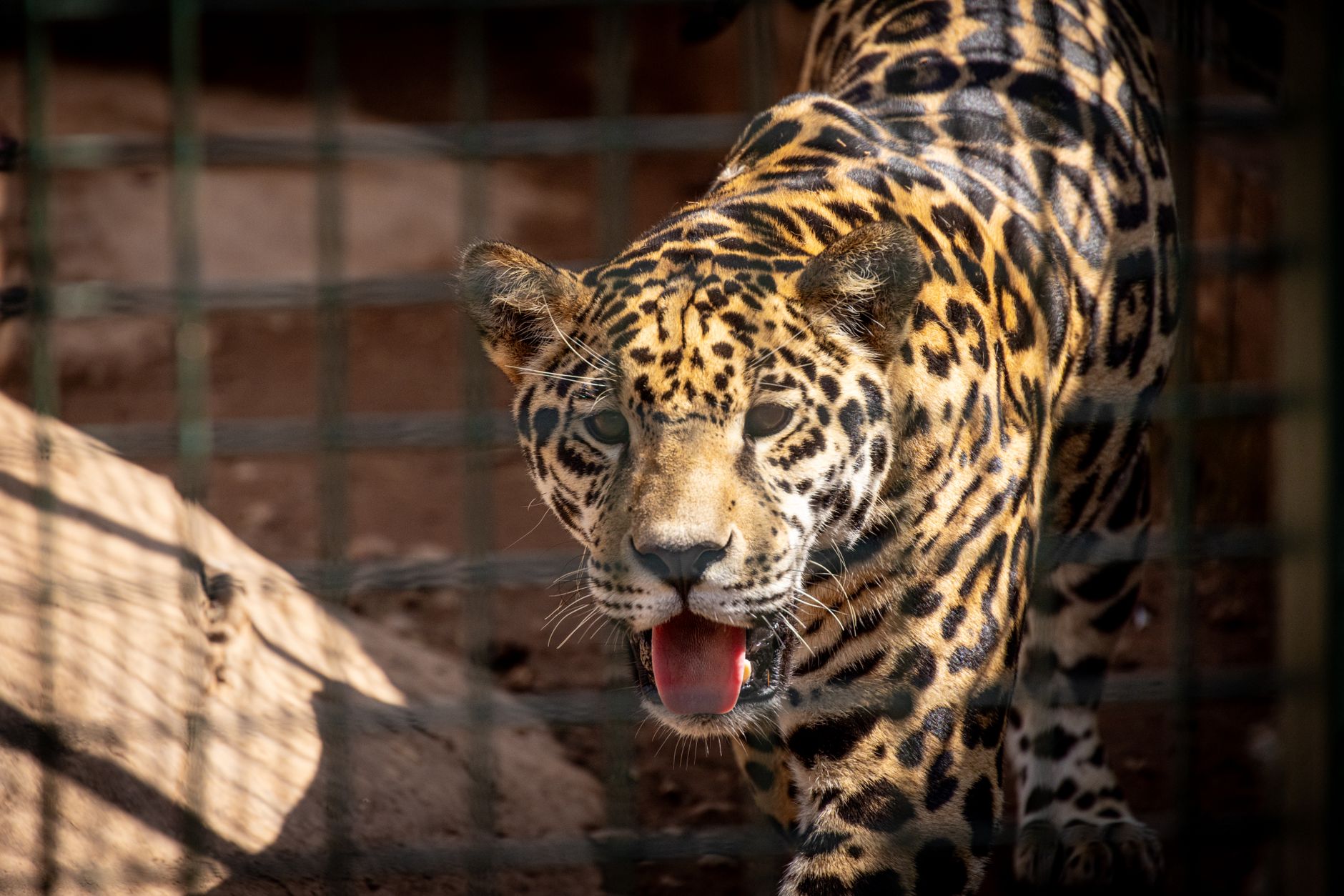
The jaguar (Panthera onca), an iconic symbol of the Americas, is a creature of immense power and grace. Understanding where do jaguars live is crucial for effective conservation efforts. These spotted cats, often confused with leopards, hold a vital role in maintaining the delicate balance of their ecosystems. Sadly, their populations are threatened by habitat loss, fragmentation, and human-wildlife conflict. Protecting their current range and restoring connectivity between isolated populations are paramount to ensuring their survival.

What is the GREY African clawed frog?
Is distilled water good for goldfish?
What colours are fish most attracted to?
Can you put your finger in a trout's mouth?
Jaguar Habitat Preferences: A Landscape of Diversity

Jaguars are remarkably adaptable, occupying a wide range of habitats. Their distribution reflects their ability to thrive in various environments, each presenting unique challenges and opportunities.
- Tropical Rainforests: These lush environments, characterized by high rainfall and dense vegetation, are the jaguar’s stronghold. The Amazon rainforest, in particular, supports a significant portion of the global jaguar population.
- Swamps and Wetlands: The Pantanal, the world’s largest tropical wetland, is another crucial jaguar habitat. This area provides ample prey and abundant water sources.
- Dry Deciduous Forests: Jaguars also inhabit drier regions, although usually near water sources, relying on their hunting skills to secure food.
- Grasslands and Scrublands: In some areas, jaguars can be found in open habitats, demonstrating their adaptability to varying prey densities and vegetation cover.
- Riparian Environments: Regardless of the broader landscape, jaguars often frequent areas along rivers and streams, which serve as crucial travel corridors and hunting grounds.
Historical Range vs. Current Distribution: A Shrinking Realm
Historically, the jaguar’s range extended much further north, reaching parts of the southwestern United States. However, due to hunting and habitat loss, their northern distribution has significantly contracted. Today, a small, fragmented population persists in Arizona, New Mexico, and potentially Texas. The majority of jaguars are now concentrated in Central and South America, with the Amazon basin serving as a critical refuge. Understanding the differences between the historical and current distributions is critical for informing restoration and reintroduction efforts.
The Importance of Connectivity: Linking Fragmented Habitats
Habitat fragmentation poses a significant threat to jaguar populations. When habitats are broken into smaller, isolated patches, jaguars struggle to find mates, access sufficient prey, and maintain genetic diversity. Establishing wildlife corridors, which are protected areas that connect fragmented habitats, is crucial for ensuring the long-term viability of jaguar populations. These corridors allow jaguars to move freely between different areas, promoting genetic exchange and reducing the risk of inbreeding.
Threats to Jaguar Habitat: The Challenges They Face
Several factors contribute to the loss and degradation of jaguar habitat, impacting the species’ long-term survival:
- Deforestation: Driven by agriculture, logging, and mining, deforestation is a primary threat to jaguar habitat.
- Habitat Fragmentation: Road construction, urbanization, and agricultural expansion fragment jaguar habitats, isolating populations and limiting their access to resources.
- Human-Wildlife Conflict: Jaguars occasionally prey on livestock, leading to retaliatory killings by ranchers. This conflict intensifies as human settlements encroach on jaguar habitat.
- Poaching: Although illegal, jaguars are sometimes poached for their skins and body parts.
Conservation Efforts: Protecting the Jaguar’s Future
Numerous organizations and governments are working to conserve jaguars and their habitats. These efforts include:
- Protected Areas: Establishing and managing national parks and reserves is crucial for safeguarding jaguar habitat.
- Anti-Poaching Patrols: Enforcing laws against poaching and illegal wildlife trade is essential for protecting jaguars from direct persecution.
- Community Engagement: Working with local communities to reduce human-wildlife conflict and promote sustainable land-use practices is key to long-term conservation success.
- Habitat Restoration: Reforesting degraded areas and creating wildlife corridors can help reconnect fragmented habitats.
- Research and Monitoring: Studying jaguar populations and their movements provides valuable information for conservation planning.
| Conservation Action | Description |
|---|---|
| Protected Area Creation | Establishing national parks and reserves to safeguard jaguar habitat from development. |
| Anti-Poaching Patrols | Deploying rangers to prevent illegal hunting and wildlife trade. |
| Community Engagement | Partnering with local communities to reduce conflict and promote sustainable practices. |
| Habitat Restoration | Reforesting degraded areas to reconnect fragmented habitats and improve prey availability. |
Frequently Asked Questions About Jaguar Habitats
Where do jaguars live in the United States?
While historically present in parts of the southwestern U.S., today, jaguar sightings are rare and primarily limited to southern Arizona and New Mexico. They are not considered to have an established breeding population in the U.S. anymore.
Are jaguars found in Africa?
No, jaguars are exclusively found in the Americas. Their range extends from parts of the southwestern United States through Central and South America as far south as Argentina. The similarly spotted leopard is a distinct species found in Africa and Asia.
Do jaguars live in the Amazon rainforest?
Yes, the Amazon rainforest is one of the most important habitats for jaguars. The dense vegetation, abundant water, and diverse prey make it an ideal environment for these apex predators.
Can jaguars survive in cold climates?
Jaguars are not well-adapted to cold climates. They are primarily found in tropical and subtropical regions. Their lack of thick fur makes them susceptible to hypothermia in freezing temperatures.
What type of vegetation do jaguars prefer?
Jaguars prefer areas with dense vegetation, which provides cover for hunting and protection from predators. This can include tropical rainforests, swamps, and riparian environments.
What is the highest altitude where jaguars have been found?
While they primarily inhabit lowland areas, jaguars have been recorded at altitudes of up to 2,700 meters (8,900 feet) in some parts of their range.
Why are jaguars important to their ecosystems?
As apex predators, jaguars play a crucial role in regulating prey populations and maintaining the health of their ecosystems. By controlling the numbers of herbivores, they prevent overgrazing and help maintain biodiversity.
What are wildlife corridors and why are they important for jaguars?
Wildlife corridors are protected areas that connect fragmented habitats. They are important for jaguars because they allow them to move freely between different areas, promoting genetic exchange and reducing the risk of inbreeding. This enables long-term population health.
What is the biggest threat to jaguar habitat?
The biggest threat to jaguar habitat is deforestation, driven by agriculture, logging, and mining. This destroys their habitat and reduces their access to prey.
Are jaguars endangered?
Jaguars are currently classified as Near Threatened by the International Union for Conservation of Nature (IUCN). However, some subpopulations are considered Endangered due to habitat loss and fragmentation.
How can I help protect jaguars?
You can help protect jaguars by supporting organizations that are working to conserve their habitats, reducing your consumption of products that contribute to deforestation, and advocating for policies that protect wildlife. Educating others is also crucial.
What is the Pantanal and why is it important for jaguars?
The Pantanal is the world’s largest tropical wetland, located primarily in Brazil. It is an important habitat for jaguars because it provides ample prey, abundant water sources, and dense vegetation. The Pantanal’s high biodiversity supports a significant jaguar population.