

What Do Poachers Want From Pandas? Unveiling the Dark Side of Panda Conservation
Poachers don’t target pandas for their meat or fur, but rather for the high black market value of their rare body parts and cubs, driven by traditional medicine, exotic pet trades, and status symbols. This makes panda poaching a grave threat to their survival.
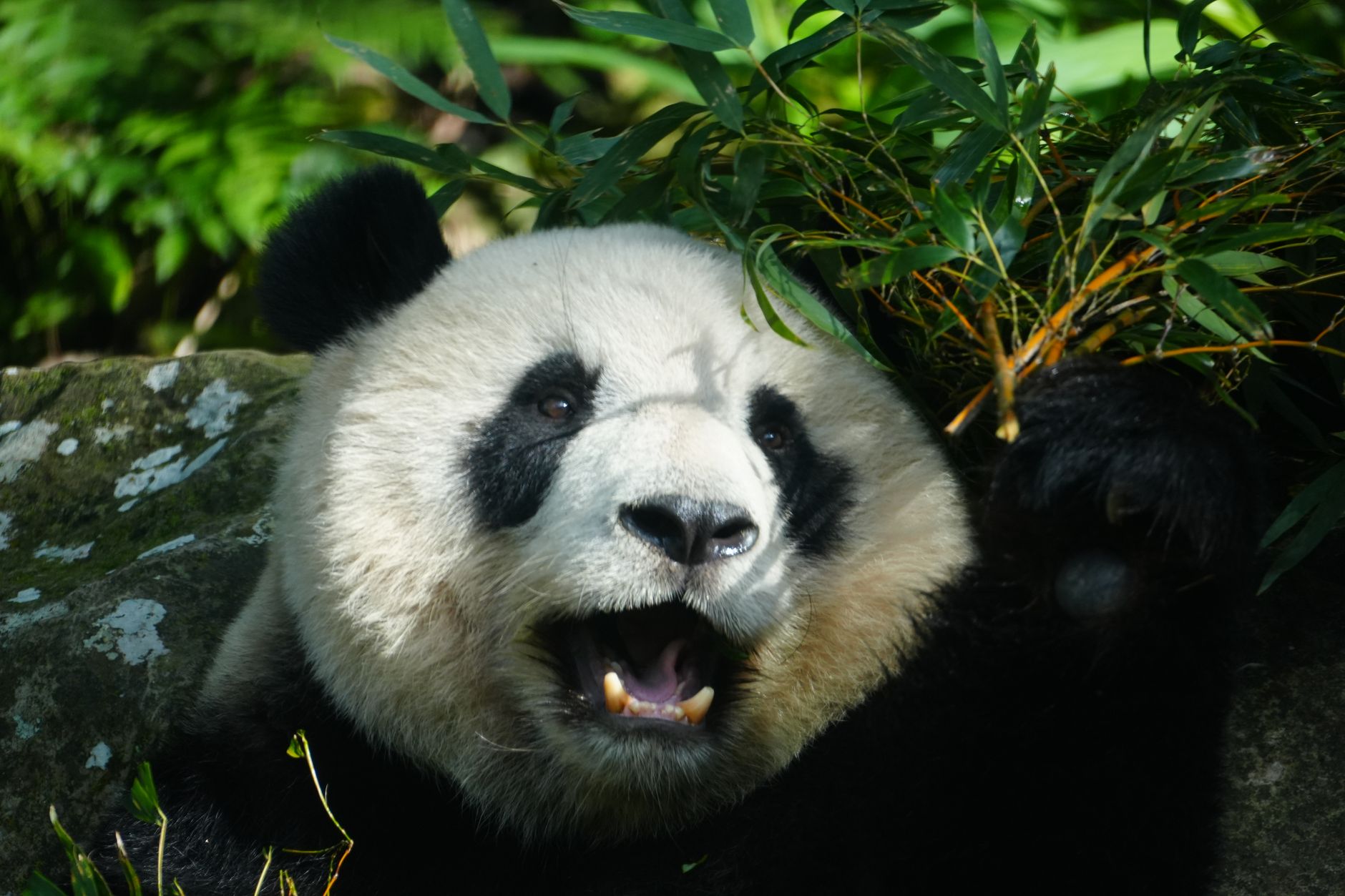
Understanding the Peril: A Glimpse into Panda Poaching
The allure of the giant panda, with its iconic black and white coat, belies a dark reality: these gentle giants are not immune to the dangers of poaching. While seemingly counterintuitive – after all, panda fur isn’t particularly fashionable, and panda meat isn’t known as a delicacy – the motivations behind poaching are complex and disturbing. Understanding what do poachers want from pandas? requires delving into the realms of traditional medicine, exotic pet ownership, and the disturbing allure of status symbols.
Is distilled water good for goldfish?
What colours are fish most attracted to?
Can you put your finger in a trout's mouth?
Is methylene blue anti bacterial?
The Dubious Demand of Traditional Medicine

One of the primary drivers of panda poaching stems from the persistent, albeit scientifically unfounded, belief in the medicinal properties of panda body parts in traditional medicine.
- Bones: Certain traditional practices ascribe medicinal value to panda bones, believing they can cure ailments or enhance virility.
- Organs: Similarly, some internal organs are sought after for their purported therapeutic benefits, despite lacking any proven efficacy.
- Blood: Even panda blood has been rumored to possess magical or healing properties.
The demand, though based on superstition rather than science, fuels a lucrative black market where panda remains can fetch exorbitant prices.
The Allure of the Exotic Pet Trade: Capturing Cubs
While adult pandas are difficult and dangerous to capture, panda cubs are a particularly vulnerable target. The demand for exotic pets, fueled by wealthy individuals seeking to own a rare and prestigious animal, unfortunately extends to these endangered bears.
- High Market Value: Panda cubs represent an unparalleled status symbol, commanding staggering prices on the black market.
- Easier Smuggling: Compared to adult pandas, cubs are smaller and easier to transport discreetly, making them appealing to poachers.
- Reduced Lifespan: Sadly, cubs captured from the wild often have reduced lifespans due to the stress of capture, inadequate care, and unfamiliar environments.
Panda Skins and Other Parts
While less common than the demand for cubs or bones, there is a market for panda skins and other body parts, particularly for collectors seeking rare artifacts.
- Status Symbol: Owning a panda skin or bone is seen as a display of wealth and power.
- Illegal Trade: The trade is strictly illegal, yet it persists due to the high prices offered by collectors.
The Impact of Panda Poaching
The impact of poaching on panda populations is devastating.
- Population Decline: Even the loss of a single panda can significantly impact the gene pool and overall population.
- Habitat Loss: Poachers often operate in areas where panda habitats are already threatened, further exacerbating the problem.
- Ecosystem Imbalance: The removal of pandas from their natural environment can have far-reaching consequences on the ecosystem.
Conservation Efforts: A Glimmer of Hope
Despite the challenges, significant progress has been made in panda conservation.
- Anti-Poaching Patrols: Dedicated patrols work to deter poachers and protect panda habitats.
- Community Involvement: Engaging local communities in conservation efforts is crucial for long-term success.
- Strict Laws and Penalties: Laws prohibiting panda poaching are enforced, and penalties are designed to deter future offenses.
- Captive Breeding Programs: Captive breeding programs aim to increase panda populations and reintroduce them into the wild.
Table: Comparing Reasons for Panda Poaching
| Motivation | Target | Black Market Value | Impact on Panda Population |
|---|---|---|---|
| Traditional Medicine | Bones, Organs | High | Population Decline |
| Exotic Pet Trade | Cubs | Very High | Severe Decline, Cub Mortality |
| Status Symbol / Collections | Skins, Bones | High | Localized Impact |
Frequently Asked Questions About Panda Poaching
What is the current population of giant pandas in the wild?
While exact numbers fluctuate, estimates suggest that there are around 1,800 giant pandas living in the wild, primarily in the mountainous regions of central China. This makes them a vulnerable species, highly susceptible to threats like poaching.
Is panda poaching still a problem today?
While significantly reduced compared to historical levels, panda poaching remains a threat. Increased conservation efforts and stricter law enforcement have helped to curb the practice, but the demand for panda parts persists.
Which countries are the primary markets for poached panda parts?
While the exact destinations are difficult to pinpoint due to the clandestine nature of the trade, it’s believed that China, Southeast Asia, and parts of East Asia are the primary markets for poached panda parts, fueled by demand for traditional medicine and exotic pets.
What are the penalties for poaching pandas?
Penalties for poaching pandas are severe, reflecting the critical importance of protecting this endangered species. In China, poachers can face lengthy prison sentences, including life imprisonment, and substantial fines.
How does habitat loss contribute to panda poaching?
Habitat loss exacerbates the problem of poaching by concentrating panda populations into smaller areas, making them more vulnerable to poachers. When pandas are forced to compete for limited resources, they may venture into areas where they are at greater risk of encountering poachers.
What role do local communities play in panda conservation?
Local communities play a crucial role in panda conservation. When communities are involved in and benefit from conservation efforts, they are more likely to support anti-poaching measures and protect panda habitats. This includes sustainable tourism and economic opportunities linked to panda conservation.
How can I help protect pandas from poaching?
Supporting organizations dedicated to panda conservation, raising awareness about the issue, and avoiding products that may be derived from endangered species are all effective ways to help protect pandas from poaching.
What are the main challenges in preventing panda poaching?
Some of the main challenges include the difficulty of monitoring vast and remote panda habitats, the persistence of traditional beliefs that drive demand for panda parts, and the lucrative nature of the illegal trade.
Why is it so important to protect giant pandas?
Giant pandas are not only an iconic species but also play a crucial role in their ecosystem. As keystone species, they help maintain the health and balance of their habitat, which benefits other plant and animal species. Protecting pandas also protects biodiversity in general.
Are there any international treaties that protect pandas?
Yes, the Convention on International Trade in Endangered Species (CITES) lists giant pandas as an Appendix I species, meaning that international trade in pandas or their parts is strictly prohibited.
How does climate change affect panda poaching?
Climate change can exacerbate the problem of panda poaching by degrading panda habitats, making it harder for them to find food and shelter. This can force pandas to move into areas where they are more vulnerable to poachers.
Is there any scientific evidence to support the medicinal uses of panda parts?
No, there is absolutely no scientific evidence to support the medicinal uses of panda parts. The belief in their therapeutic properties is based on superstition and lacks any medical basis.