

Are Human Beings a Threat to Animals?
Yes, human beings are undeniably a significant threat to animals. Our activities, from habitat destruction to pollution and direct exploitation, contribute significantly to the decline and extinction of countless species.
Introduction: The Immeasurable Impact of Humanity
The relationship between human beings and the animal kingdom is complex and, increasingly, imbalanced. While humans have historically coexisted with animals, utilizing them for sustenance and companionship, the scale and intensity of human activity in the modern era has rendered Are human beings a threat to animals? a question tragically answered in the affirmative. The impact spans across diverse ecosystems and taxonomic groups, leaving an indelible mark on the planet’s biodiversity. Our burgeoning population, coupled with unsustainable consumption patterns, is driving an unprecedented wave of extinction, threatening the intricate web of life that sustains us all.

What colours are fish most attracted to?
Can you put your finger in a trout's mouth?
Is methylene blue anti bacterial?
Does aquarium salt raise pH in aquarium?
Habitat Destruction: A Key Driver of Decline
One of the most significant ways human beings pose a threat to animals is through habitat destruction. As human populations expand and demand for resources increases, natural habitats are cleared for agriculture, urban development, logging, and mining.
- Deforestation: Vast swaths of forests are cleared for timber, agriculture, and cattle ranching, destroying the homes of countless species.
- Urban Sprawl: Expanding cities encroach upon natural habitats, fragmenting ecosystems and isolating animal populations.
- Agricultural Expansion: Conversion of grasslands and wetlands into farmland destroys critical feeding and breeding grounds.
- Mining and Resource Extraction: Destroys habitats directly through excavation and indirectly through pollution.
Pollution: Poisoning the Planet
Pollution, in its various forms, is another significant threat to animal life.
- Air Pollution: Contaminants in the air can damage the respiratory systems of animals and contribute to acid rain, which harms aquatic ecosystems.
- Water Pollution: Industrial waste, agricultural runoff, and sewage contaminate waterways, poisoning aquatic life and disrupting ecosystems.
- Plastic Pollution: Plastic waste accumulates in oceans and other environments, entangling animals, choking them, and releasing harmful chemicals.
- Noise Pollution: Excessive noise from human activities, such as shipping and construction, can disrupt animal communication and behavior.
Direct Exploitation: Hunting, Fishing, and Trade
Direct exploitation of animals through hunting, fishing, and trade also contributes to their decline.
- Overhunting: Unsustainable hunting practices can decimate animal populations, driving some species to extinction.
- Overfishing: Overfishing depletes fish stocks and disrupts marine ecosystems, threatening the survival of marine animals.
- Wildlife Trade: The illegal trade in wildlife and their body parts threatens numerous species, particularly those with high commercial value.
Climate Change: An Exacerbating Factor
Climate change, driven by human activities, exacerbates all of the above threats. Rising temperatures, changing precipitation patterns, and more frequent extreme weather events are disrupting ecosystems and pushing animals to their limits. Many species are unable to adapt quickly enough to these rapid changes, leading to population declines and extinctions.
The Ethical Considerations
Beyond the ecological consequences, the impact human beings have on animals raises profound ethical questions. Do we have a moral obligation to protect animals and their habitats? Is it justifiable to prioritize human needs over the well-being of other species? These are complex questions with no easy answers, but they are crucial to consider as we grapple with the environmental challenges of the 21st century.
What Can Be Done? Mitigation Strategies
Addressing the threats posed by humans to animals requires a multifaceted approach. Some key strategies include:
- Habitat Conservation: Protecting and restoring natural habitats is crucial for preserving biodiversity.
- Sustainable Practices: Adopting sustainable practices in agriculture, forestry, and fisheries can reduce our impact on the environment.
- Pollution Reduction: Implementing policies and technologies to reduce pollution can protect animals from harmful contaminants.
- Climate Action: Reducing greenhouse gas emissions is essential for mitigating the impacts of climate change on animals.
- Education and Awareness: Raising awareness about the threats facing animals and the importance of conservation can inspire action.
Comparing Human Impacts on Different Animal Groups
The impact of human activities varies across different animal groups. Some examples include:
| Animal Group | Primary Threats | Examples |
|---|---|---|
| Mammals | Habitat loss, hunting, poaching, climate change | Tigers, elephants, rhinos, primates |
| Birds | Habitat loss, pollution, climate change, hunting | Songbirds, raptors, migratory birds |
| Fish | Overfishing, pollution, habitat destruction, climate change | Sharks, tuna, coral reef fish |
| Amphibians | Habitat loss, pollution, climate change, disease | Frogs, salamanders, newts |
| Reptiles | Habitat loss, hunting, climate change, wildlife trade | Sea turtles, snakes, lizards, crocodiles |
Frequently Asked Questions (FAQs)
Is it only human beings in industrialized nations who are a threat to animals?
No, the threat is widespread. While industrialized nations often have a greater per capita impact due to higher consumption rates, human beings across all nations contribute to the overall threat through activities such as deforestation, agriculture, and unsustainable resource use. The scale and global interconnectedness of these activities mean that the impact is felt worldwide.
What is the single most significant threat to animal life today?
While multiple threats contribute, many scientists consider habitat destruction to be the single most significant threat to animal life today. Without suitable habitats, animals cannot survive, reproduce, or maintain healthy populations.
Can individual actions really make a difference in protecting animals?
Absolutely! While systemic change is essential, individual actions can collectively have a significant impact. Reducing your carbon footprint, supporting sustainable products, avoiding single-use plastics, and advocating for conservation policies are all ways individuals can contribute to protecting animals.
How does agriculture contribute to the threat to animals?
Agriculture contributes to the threat through habitat destruction (clearing land for farms), pollution (pesticides and fertilizers), and climate change (greenhouse gas emissions from livestock and land clearing). Sustainable agriculture practices are crucial for minimizing these impacts.
What is the role of zoos and aquariums in animal conservation?
Modern zoos and aquariums often play a vital role in animal conservation through captive breeding programs, research, education, and support for in situ (in the wild) conservation efforts. However, it is crucial that these institutions prioritize animal welfare and ethical practices.
How does the pet trade impact animal populations?
The pet trade, particularly the illegal wildlife trade, can have a devastating impact on animal populations. Many animals are captured from the wild, often illegally, and subjected to inhumane conditions during transport and captivity. Supporting responsible pet ownership and avoiding the purchase of exotic animals is essential.
Are any animal populations actually benefiting from human activity?
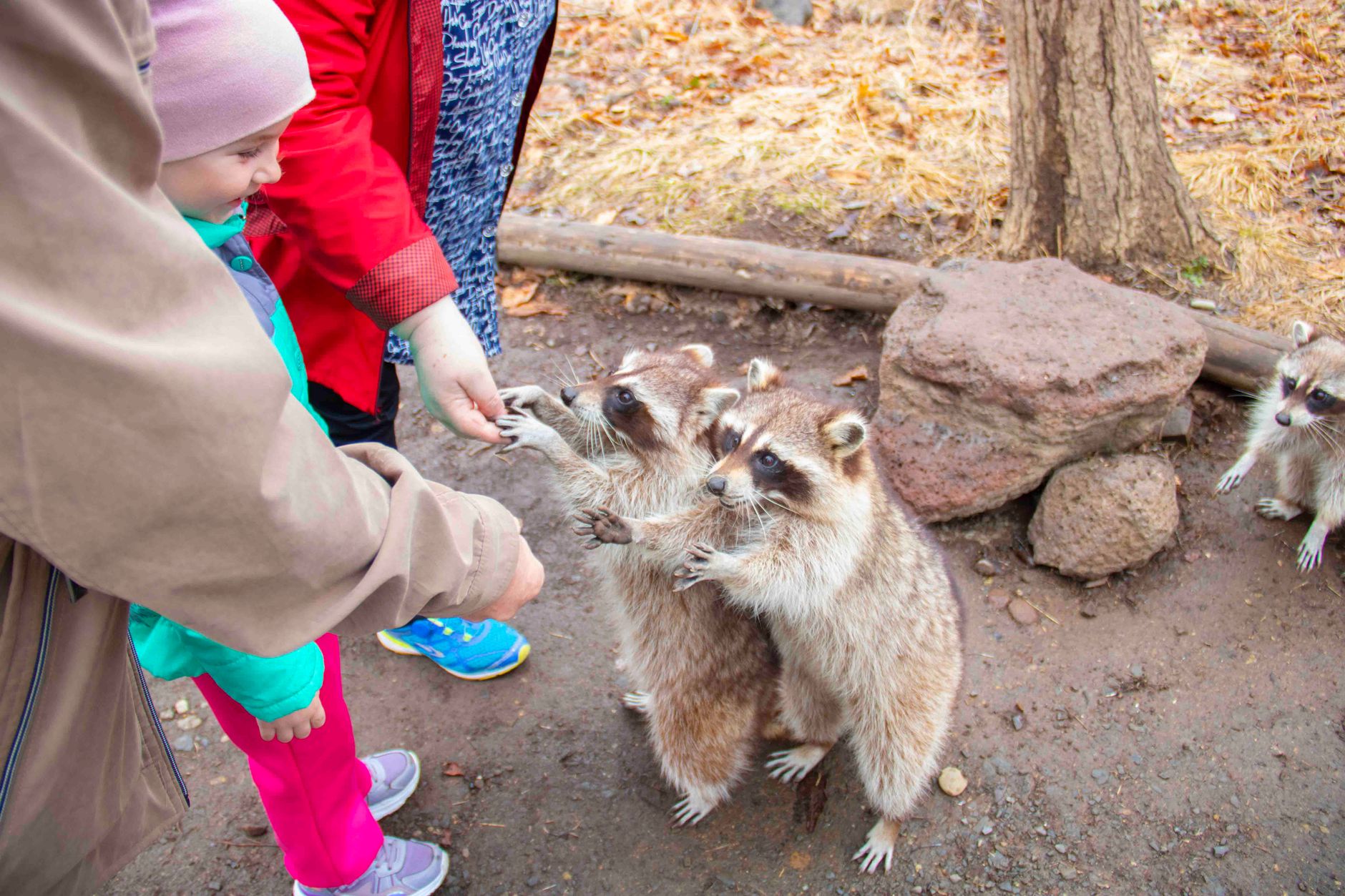
Yes, some animal populations, such as certain urban-adapted species like raccoons and pigeons, have benefited from human activity. However, these benefits are often at the expense of other species and can create imbalances in ecosystems.
What are the main differences between conservation and preservation?
Conservation focuses on the sustainable use of natural resources, while preservation aims to protect natural resources in their pristine state, without human intervention. Both approaches are important for protecting animals and their habitats.
How does ecotourism contribute to animal conservation?
When done responsibly, ecotourism can generate revenue for local communities, incentivize conservation efforts, and raise awareness about the importance of protecting animals and their habitats. However, it is crucial to minimize the negative impacts of tourism on the environment and wildlife.
What is the Endangered Species Act, and why is it important?
The Endangered Species Act (ESA) is a U.S. law that provides protection for threatened and endangered species and their habitats. It is one of the most powerful tools for preventing extinction and promoting the recovery of vulnerable species. Similar legislation exists in other countries as well.
Is it possible to reverse the damage that humans have already done to animal populations?
While some damage is irreversible, it is possible to reverse some of the negative impacts of human activity on animal populations. Through habitat restoration, conservation efforts, and sustainable practices, we can help recover endangered species and protect biodiversity. The question of “Are human beings a threat to animals?” can be changed to “Are human beings the protectors of animals?“
What are some resources for learning more about animal conservation?
There are numerous resources available for learning more about animal conservation, including:
- The World Wildlife Fund (WWF)
- The Nature Conservancy
- The Wildlife Conservation Society
- The International Union for Conservation of Nature (IUCN)
- Your local zoo or aquarium