

Can Wolves Have Blue Eyes?: Unveiling the Truth Behind Canine Irises
While extremely rare, the answer is yes, a wolf can have blue eyes due to genetic mutations affecting pigmentation. Discover the science, rarity, and implications of blue eyes in wolves.

Introduction: The Alluring Mystery of Blue-Eyed Wolves
The image of a wolf often conjures up visions of piercing gold, amber, or brown eyes, reflecting the untamed spirit of the wild. However, the question, Can a wolf have blue eyes?, sparks a unique curiosity. While not the norm, blue eyes do occasionally appear in wolves, making them even more captivating and enigmatic creatures. This article delves into the fascinating world of wolf genetics and explains the circumstances under which this rare phenomenon occurs. We’ll explore the science behind eye color, the specific mutations involved, and the potential implications of having blue eyes for these majestic animals.

Does Perth Zoo have turtles?
Can you have a pet giant tortoise?
Do all amphibians have eyelids?
Do all snakes have poison in them?
The Science of Eye Color in Canines
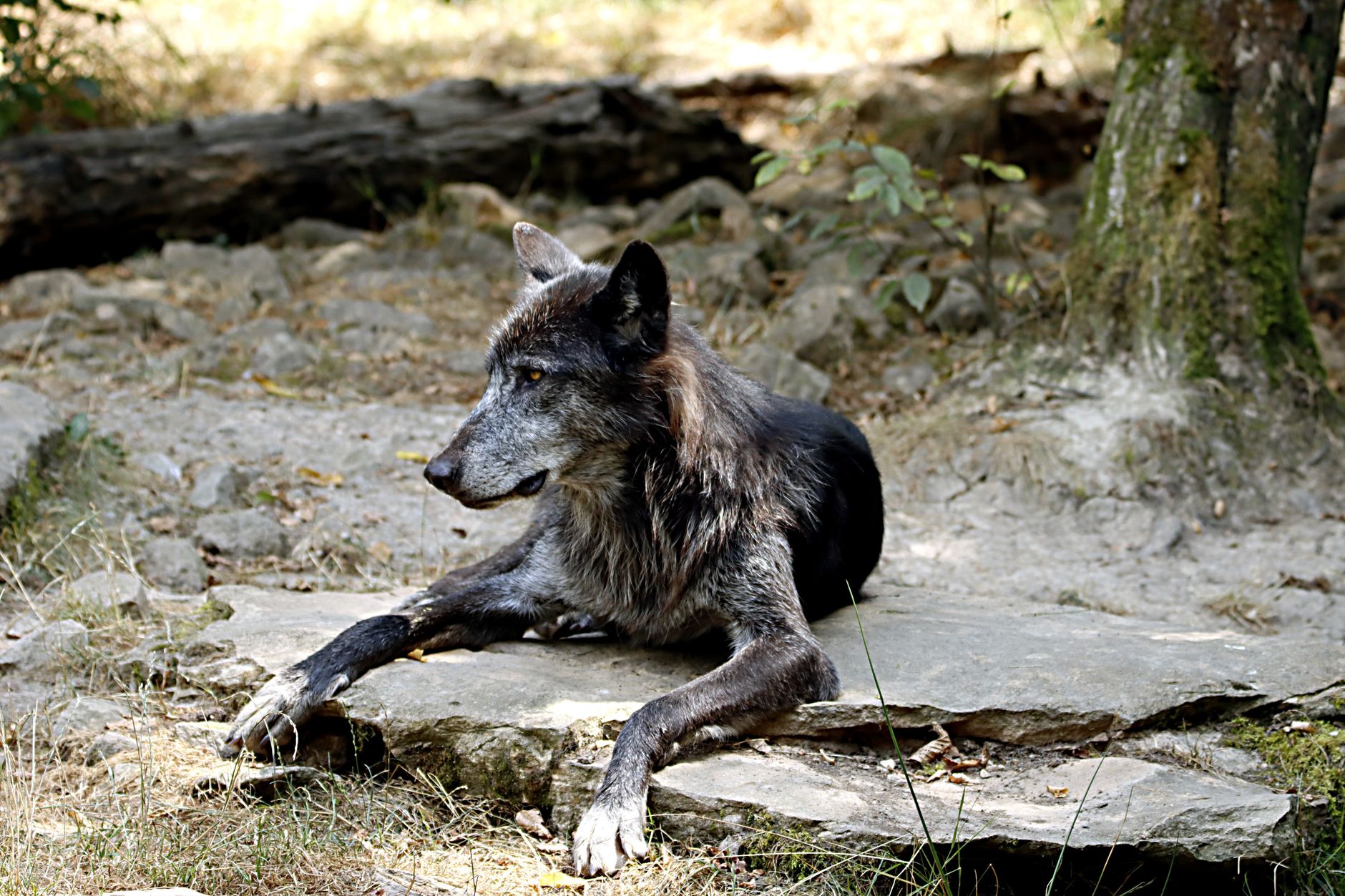
Eye color is determined by the amount and type of pigment, melanin, found in the iris. This principle applies to most mammals, including wolves. Different concentrations of melanin result in varying shades of brown, amber, yellow, and even green in some domestic dog breeds. In the absence, or near absence, of melanin, the underlying structures of the iris scatter light, resulting in a blue appearance. This scattering effect is known as Rayleigh scattering and is the same phenomenon that makes the sky appear blue.
- Melanin: The primary pigment responsible for eye color.
- Rayleigh Scattering: The scattering of light that produces blue coloration when melanin is scarce.
- Genetics: The ultimate regulator of melanin production.
Genetic Mutations and Blue Eyes in Wolves
The presence of blue eyes in a wolf is almost always linked to genetic mutations that affect melanin production or distribution. These mutations are often recessive, meaning that a wolf must inherit two copies of the mutated gene (one from each parent) to express the trait. Furthermore, blue eyes in wolves are frequently associated with other genetic conditions or hybridization.
There are a few primary ways a wolf might end up with blue eyes:
- Albinism or Leucism: While rare, complete albinism (lack of any pigment) or leucism (reduced pigmentation) can result in blue eyes. Albino wolves are exceptionally rare due to their vulnerability in the wild.
- Merle Gene: The merle gene, commonly found in domestic dogs like Australian Shepherds, can sometimes cause blue eyes. However, this gene is not naturally present in wolves and its presence suggests recent hybridization with dogs.
- Specific Gene Mutations: Although the precise genes responsible for blue eyes in wolves are not completely understood, research suggests that mutations in genes affecting melanin pathways, similar to those seen in blue-eyed dog breeds, can occur.
Hybridization: The Most Common Cause
The most common reason for blue eyes in a “wolf” is actually hybridization with domestic dogs. Many dog breeds, such as Siberian Huskies and Australian Shepherds, frequently have blue eyes. When wolves interbreed with these dogs, the resulting offspring can inherit the genes for blue eyes. These hybrids are often mistaken for pure wolves, leading to misconceptions about the prevalence of blue eyes in the wild wolf population.
Here’s a comparison:
| Feature | Pure Wolf | Wolf-Dog Hybrid (with Blue Eyes) |
|---|---|---|
| Eye Color | Typically brown, amber, gold | Frequently blue, or heterochromatic (two different colored eyes) |
| Coat Color | Varies, but generally earth tones | Wider range of colors and patterns |
| Behavior | More cautious and reserved | Can be more social and less predictable |
| Physical Build | Standard wolf build | Can vary depending on the dog breed involved |
The Impact of Blue Eyes on Wolf Survival
While aesthetically appealing to humans, blue eyes themselves likely do not significantly impact a wolf’s survival. However, if the blue eyes are associated with albinism or other genetic defects, the wolf may be more vulnerable. Albinism can reduce camouflage effectiveness, making hunting and avoiding predators more challenging. Furthermore, certain genetic mutations linked to blue eyes may also affect other physiological functions, potentially impacting overall health and fitness.
Frequently Asked Questions (FAQs)
What does it mean if a wolf has blue eyes?
Blue eyes in a wolf typically indicate a genetic anomaly, often related to reduced pigmentation or, most commonly, hybridization with a domestic dog breed that carries the blue-eye gene. It is not a common or natural trait for pure wolves.
How rare is it for a wolf to have blue eyes?
It is extremely rare for a pure wolf to have blue eyes. Sightings are uncommon, and often the reported “blue-eyed wolf” is actually a wolf-dog hybrid. Pure wolves typically exhibit brown, amber, or gold-colored eyes.
Can any wolf species have blue eyes?
Theoretically, any wolf species could potentially exhibit blue eyes due to a genetic mutation. However, the likelihood is extremely low, and any reported cases should be carefully examined to rule out hybridization.
Are blue-eyed wolves more prone to health problems?
Blue eyes, in themselves, do not necessarily indicate increased health problems. However, if the blue eyes are a result of albinism or another severe genetic mutation, the wolf may be more susceptible to health issues, such as increased sensitivity to sunlight.
Are blue-eyed wolves stronger or weaker than other wolves?
Eye color doesn’t directly correlate with strength or weakness. A wolf’s overall health, genetics, and environmental factors primarily determine its physical capabilities. If the mutation causing the blue eyes is linked to other detrimental traits, the wolf might be at a disadvantage, but the eye color itself is not the defining factor.
How can you tell the difference between a blue-eyed wolf and a wolf-dog hybrid?
Distinguishing between a pure blue-eyed wolf and a wolf-dog hybrid can be challenging. Look for other signs of dog ancestry, such as unusual coat patterns, ear shape, tail carriage, and behavior. Genetic testing is the most accurate method for determining species purity.
Are blue-eyed wolves protected by conservation laws?
Conservation laws typically protect wolves based on their species and subspecies, not on specific traits like eye color. A blue-eyed wolf is still protected if it’s a member of a protected wolf population.
Do blue-eyed wolves have better or worse vision than other wolves?
There is no evidence to suggest that blue eyes inherently affect a wolf’s vision. Vision quality is more closely linked to the overall health and structure of the eye, not just the pigmentation of the iris. However, if the blue eyes are associated with a genetic condition affecting the eye structure, vision could be impaired.
What is the evolutionary advantage (or disadvantage) of blue eyes in wolves?
Blue eyes offer no known evolutionary advantage in wolves. In fact, they could potentially be a slight disadvantage if associated with albinism or other conditions that reduce camouflage or overall health. The rarity of blue eyes in wild wolves suggests they are not naturally selected for.
Can wolves with blue eyes reproduce and pass on the trait?
Yes, wolves with blue eyes can reproduce and pass on the trait to their offspring, provided they also carry the recessive gene. However, if they mate with a wolf that does not carry the gene, the offspring will likely have brown or amber eyes.
How can I report a sighting of a blue-eyed wolf?
If you believe you have sighted a blue-eyed wolf, report it to your local wildlife agency or conservation organization. Provide as much detail as possible, including the location, date, time, and any photographs or videos you may have taken.
What should I do if I find a wolf-dog hybrid with blue eyes?
Wolf-dog hybrids are often not suited for life in the wild and can pose risks to both humans and wildlife. Contact your local animal control or wildlife rehabilitation center for guidance and assistance.