

What Eagles Do Daily: A Glimpse into the Lives of Majestic Birds
Eagles dedicate their days to survival and reproduction, primarily through hunting, maintaining their territory, and caring for their young. What do eagles do daily? The specifics vary based on species, season, and individual needs.
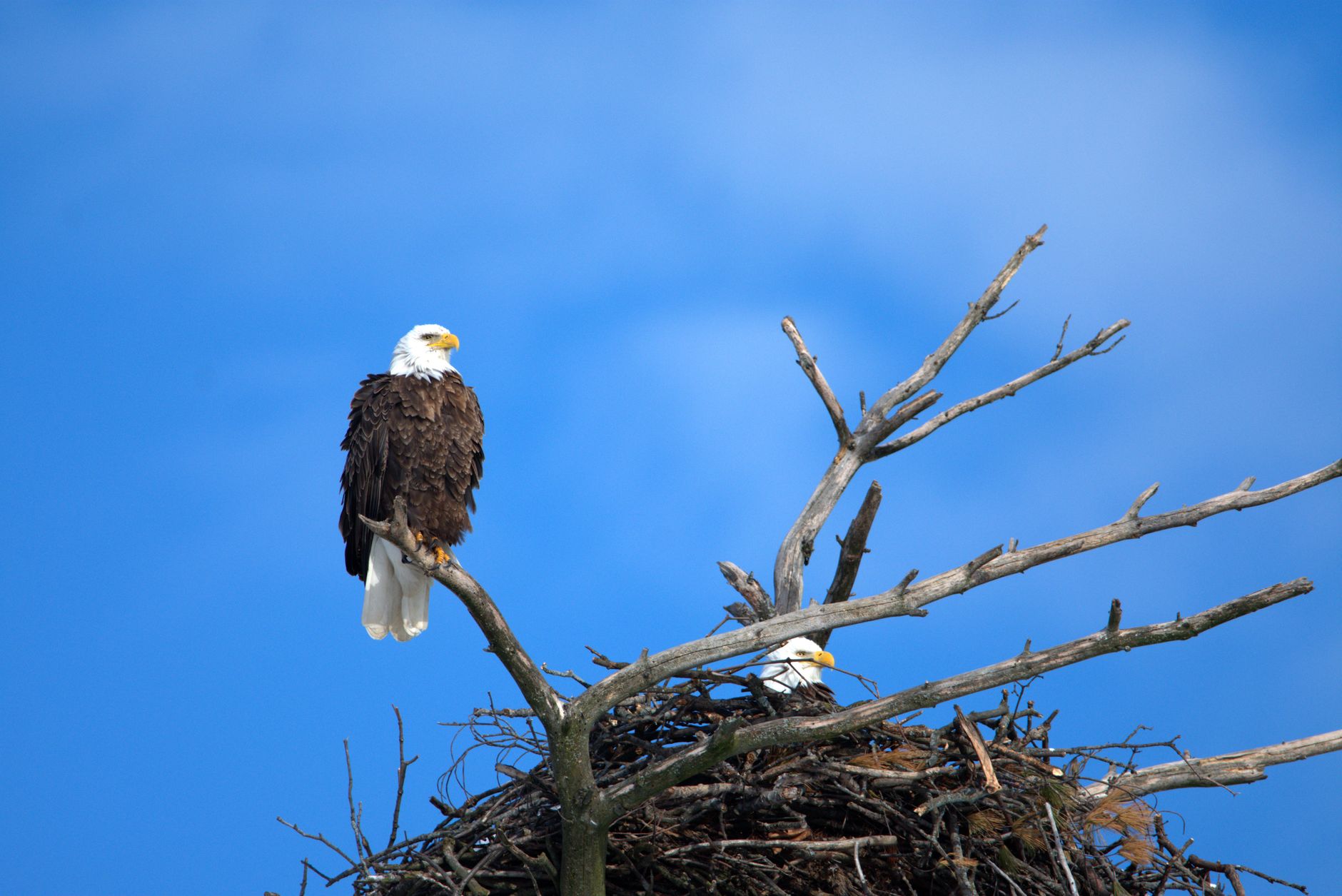
A Day in the Life of an Eagle: An Overview
Eagles, symbols of power and freedom, are apex predators whose daily routines are dictated by the need to find food, protect their territory, and ensure the survival of their offspring. Understanding their daily activities offers a fascinating look into the lives of these magnificent birds.

What colours are fish most attracted to?
Can you put your finger in a trout's mouth?
Is methylene blue anti bacterial?
Does aquarium salt raise pH in aquarium?
Hunting: The Cornerstone of Survival

Hunting is arguably the most crucial activity for eagles. Their success as hunters directly impacts their survival and reproductive success.
- Early Morning Hunt: Eagles typically begin their day at sunrise, utilizing the optimal visibility and cooler temperatures for hunting. They often scan their territory from a high perch or engage in soaring flights.
- Prey Selection: The diet of an eagle varies depending on its species and geographic location. Fish eagles, like the Bald Eagle, primarily hunt fish. Other eagles may prey on mammals, birds, reptiles, or even carrion.
- Hunting Techniques: Eagles employ various hunting techniques. They can swoop down from a perch, dive from the air, or even wade into shallow water to capture prey. Their powerful talons and sharp beaks are perfectly adapted for killing and consuming their catch.
- Food Storage: Eagles typically consume their prey immediately. While they don’t have a dedicated “storage” system, they might cache larger kills to be consumed later, especially during nesting season.
Territory Defense: Maintaining Boundaries
Eagles are territorial creatures and fiercely defend their hunting grounds and nesting sites.
- Vocalization: Eagles communicate through a variety of calls, often used to declare their territory and warn off intruders.
- Flight Displays: Eagles frequently engage in aerial displays, such as soaring, diving, and circling, to visually establish their dominance.
- Physical Confrontations: In some cases, eagles may engage in physical confrontations with other eagles or other birds of prey to defend their territory.
- Perch Selection: Eagles often perch in prominent locations to survey their territory and deter potential intruders.
Nest Maintenance and Chick Rearing
During the breeding season, much of an eagle’s day revolves around nest maintenance and caring for their young.
- Nest Building and Repair: Eagles invest significant time in building and maintaining their nests, often adding new material throughout the year.
- Incubation: Both male and female eagles typically share incubation duties, keeping the eggs warm and protected.
- Feeding the Young: Parent eagles spend a significant portion of their day hunting and bringing food back to the nest for their chicks.
- Protection from Predators: Parent eagles diligently protect their chicks from predators, such as raccoons, foxes, and other birds of prey.
- Fledgling Training: As the chicks grow, parent eagles begin to teach them how to hunt and survive on their own.
Rest and Preening: Essential Activities
While hunting, territory defense, and chick rearing are demanding, eagles also need time for rest and preening.
- Perching: Eagles spend a considerable amount of time perched on high branches or cliffs, conserving energy and observing their surroundings.
- Preening: Preening is essential for maintaining the health and condition of their feathers. Eagles use their beaks to remove parasites, distribute oil, and realign their feathers.
- Sunbathing: Eagles occasionally sunbathe to help dry their feathers and rid themselves of parasites.
Seasonal Variations in Daily Activities
What do eagles do daily? The answer varies depending on the time of year.
| Season | Focus | Activities |
|---|---|---|
| Spring | Breeding and Chick Rearing | Nest building, incubation, feeding and protecting chicks |
| Summer | Chick Fledging and Independence | Teaching chicks to hunt, expanding territory, preparing for migration (for some species) |
| Autumn | Migration (for some species) and Preparation | Migration to warmer climates (for some species), building up fat reserves, securing winter hunting grounds |
| Winter | Survival in Harsh Conditions | Hunting in challenging weather, conserving energy, roosting in sheltered locations, scavenging |
Threats and Conservation Efforts
Understanding the daily lives of eagles is crucial for effective conservation efforts. Habitat loss, human disturbance, and poisoning are significant threats. Conservation efforts include habitat protection, anti-poisoning campaigns, and promoting responsible tourism.
Frequently Asked Questions (FAQs)
What time of day are eagles most active?
Eagles are generally most active during the early morning and late afternoon hours, coinciding with the peak hunting times. They often take a mid-day rest during the hottest part of the day.
How far do eagles travel each day?
The distance an eagle travels each day can vary greatly depending on factors such as food availability, territory size, and whether it is migrating. Some eagles may only travel a few miles within their territory, while others may travel hundreds of miles during migration.
What do eagles eat besides fish?
While fish are a primary food source for many eagle species, their diet can also include mammals, birds, reptiles, amphibians, and even carrion. The specific prey depends on the eagle species and the availability of food in their habitat.
How long do eagles spend hunting each day?
The amount of time eagles spend hunting each day varies depending on their hunting success and the availability of prey. Some eagles may spend several hours hunting, while others may find food more quickly. The time spent hunting also increases during nesting season to provide food for the young.
How do eagles protect themselves from predators?
Eagles are apex predators with few natural enemies. Their large size, powerful talons, and keen eyesight deter most potential predators. They also fiercely defend their territory and nests from intruders.
How do eagles find their mates?
Eagles typically form monogamous pair bonds that can last for many years, sometimes for life. They attract mates through courtship displays, which can include aerial acrobatics, vocalizations, and gift-giving (e.g., presenting a potential mate with a fish).
How do eagles care for their young?
Parent eagles invest significant time and energy in caring for their young. They incubate the eggs, feed the chicks, protect them from predators, and teach them how to hunt and survive on their own. Both parents typically share these responsibilities.
How do eagles communicate with each other?
Eagles communicate through a variety of vocalizations, including screams, whistles, and chirps. They also use visual displays, such as soaring, diving, and wing displays, to communicate with each other.
Where do eagles sleep at night?
Eagles typically roost in high, sheltered locations, such as tall trees or cliffs, where they are protected from the elements and predators. They may roost alone or in small groups, depending on the species and location.
How long do eagles live?
The lifespan of an eagle varies depending on the species and environmental factors. In the wild, many eagle species can live 20-30 years, and some can even live longer. Eagles in captivity may live even longer due to the absence of natural predators and the provision of consistent food and care.
What are the biggest threats to eagles?
The biggest threats to eagles include habitat loss, human disturbance, poisoning (e.g., from lead ammunition or pesticides), and collisions with vehicles and power lines. Conservation efforts are crucial for mitigating these threats and ensuring the long-term survival of these magnificent birds.
What can I do to help eagles?
You can help eagles by supporting conservation organizations, reducing your use of pesticides, avoiding disturbance of nesting sites, and advocating for policies that protect eagle habitat. Educating others about eagles and the threats they face is also a valuable contribution. What do eagles do daily? By understanding their needs, we can better protect them.