
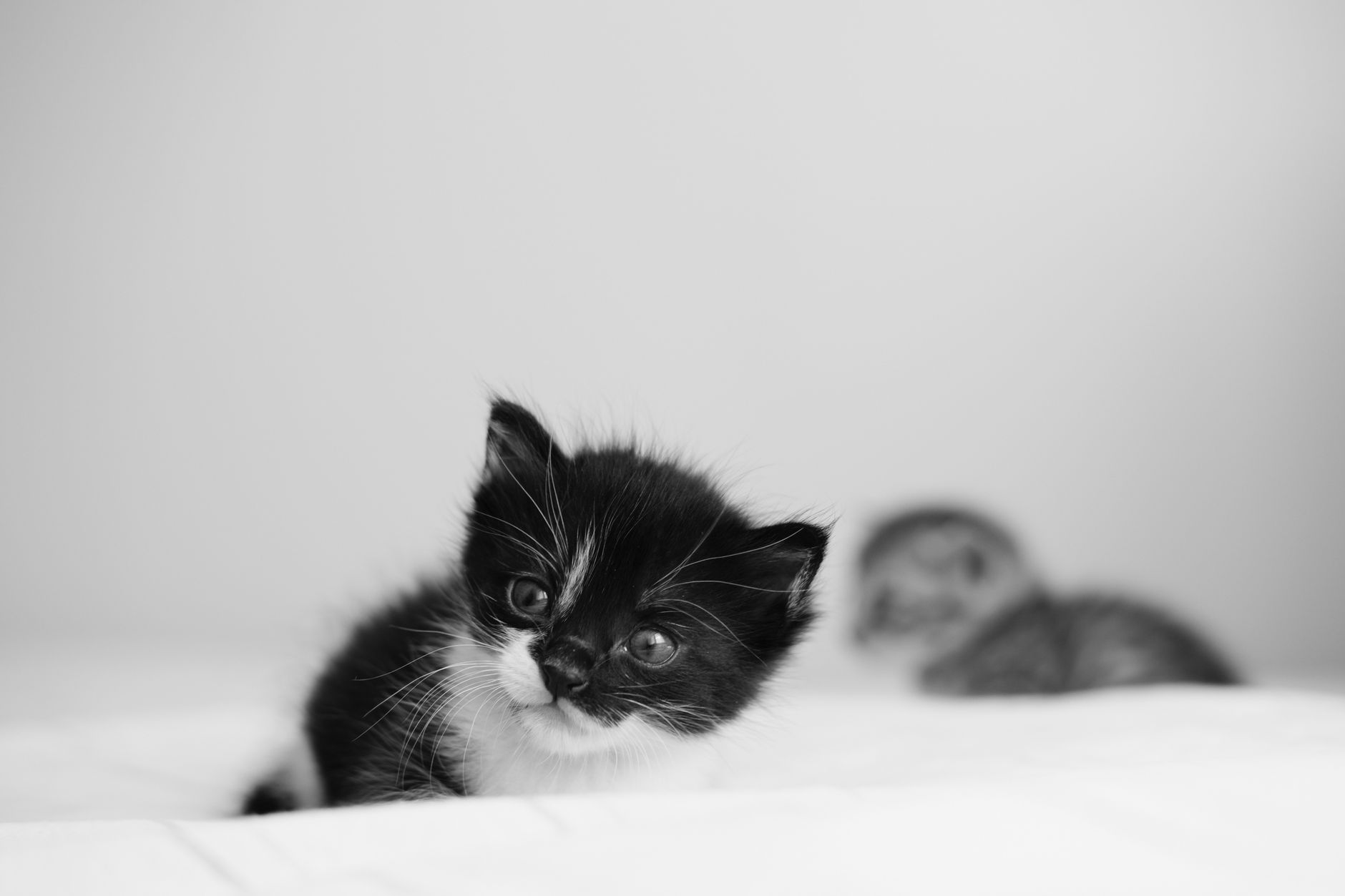
Can a 4-Week-Old Kitten Survive Pneumonia? Understanding the Risks and Recovery
Can a 4-week-old kitten survive pneumonia? The answer is potentially yes, but it hinges on swift diagnosis, aggressive treatment, and meticulous care. Pneumonia in such young kittens is extremely serious, demanding immediate veterinary intervention to increase the chances of survival.

Introduction: Pneumonia’s Threat to Tiny Kittens
Pneumonia, an inflammation of the lungs, is a grave concern in neonatal kittens, especially those around 4 weeks old. Their immune systems are still developing, making them highly vulnerable to infectious agents. Early detection and appropriate treatment are paramount for a positive outcome. This article will explore the causes, symptoms, treatment, and preventative measures relating to pneumonia in 4-week-old kittens. We will also delve into the factors that influence survival rates and provide essential information for kitten caregivers.

What colours are fish most attracted to?
Can you put your finger in a trout's mouth?
Is methylene blue anti bacterial?
Does aquarium salt raise pH in aquarium?
Causes of Pneumonia in 4-Week-Old Kittens

Several factors can lead to pneumonia in young kittens:
- Infectious Agents: Viruses (like feline herpesvirus and calicivirus), bacteria (such as Bordetella bronchiseptica and Pasteurella species), and fungi are common culprits.
- Aspiration Pneumonia: Occurs when a kitten inhales milk, food, or vomit into its lungs. This can happen due to improper feeding techniques or underlying health issues.
- Environmental Factors: Poor sanitation, overcrowding, and inadequate ventilation can increase the risk of infection.
- Weakened Immune System: Kittens with underlying health problems or those who have not received adequate colostrum (the first milk, rich in antibodies) are more susceptible.
Recognizing the Symptoms: A Critical Early Step
Early detection of pneumonia symptoms is vital for improving a kitten’s chances of survival. Key indicators include:
- Respiratory Distress: Rapid breathing, labored breathing (using abdominal muscles), open-mouth breathing (in severe cases).
- Coughing and Sneezing: May be present, but not always.
- Nasal Discharge: Can be clear, white, yellow, or green.
- Lethargy: Reduced activity levels and decreased appetite.
- Fever: May be present, but can also be absent in very young or weak kittens.
- Crackling Sounds in Lungs: Audible with a stethoscope.
It’s crucial to consult a veterinarian immediately if you observe any of these symptoms. A delayed diagnosis can significantly worsen the prognosis.
Diagnosis and Treatment: A Veterinary Imperative
A veterinarian will conduct a thorough physical examination and may recommend the following diagnostic tests:
- Chest X-rays: To visualize the lungs and confirm the presence of pneumonia.
- Blood Tests: To assess the kitten’s overall health and identify any underlying infections.
- Culture and Sensitivity Testing: To identify the specific bacteria or virus causing the pneumonia and determine the most effective antibiotic.
Treatment typically involves:
- Antibiotics: To combat bacterial infections. The choice of antibiotic will depend on the identified bacteria.
- Oxygen Therapy: To support breathing and improve oxygen levels in the blood.
- Fluid Therapy: To prevent dehydration, especially if the kitten is not eating or drinking.
- Nebulization and Coupage: Nebulization delivers medications directly to the lungs, while coupage involves gently tapping on the chest to help loosen mucus.
- Supportive Care: Keeping the kitten warm, clean, and well-fed.
The Critical Role of Supportive Care
Supportive care is just as important as medical treatment. The following measures are essential:
- Warmth: Maintain a warm environment (around 85-90°F for the first few weeks). A heating pad or incubator can be helpful.
- Nutrition: Provide frequent, small feedings of a high-quality kitten milk replacer. If the kitten is reluctant to eat, tube feeding may be necessary.
- Hygiene: Keep the kitten clean and dry to prevent secondary infections. Gently clean any nasal discharge.
- Monitoring: Closely monitor the kitten’s breathing, appetite, and overall condition. Report any changes to your veterinarian.
Factors Affecting Survival: A Complex Equation
Several factors influence whether can a 4 week old kitten survive pneumonia? These factors include:
- Severity of Pneumonia: The extent of lung involvement and the severity of respiratory distress.
- Underlying Health Conditions: Kittens with pre-existing health problems are less likely to survive.
- Age: Very young kittens (under 4 weeks) are more vulnerable.
- Type of Pathogen: Some pathogens are more virulent and difficult to treat.
- Timeliness of Treatment: Early diagnosis and prompt treatment significantly improve the chances of survival.
- Quality of Care: Meticulous supportive care is crucial for a positive outcome.
Prevention: A Proactive Approach
Preventative measures can help reduce the risk of pneumonia in kittens:
- Vaccination: Ensure the mother cat is vaccinated against common respiratory viruses (feline herpesvirus and calicivirus).
- Good Hygiene: Maintain a clean and sanitary environment. Disinfect surfaces regularly.
- Proper Nutrition: Provide the mother cat with a high-quality diet during pregnancy and lactation.
- Avoid Overcrowding: Reduce stress and the spread of disease by providing adequate space for kittens.
- Minimize Exposure to Sick Animals: Isolate sick cats to prevent the spread of infection.
Common Mistakes: Avoid These Pitfalls
Several common mistakes can hinder a kitten’s recovery from pneumonia:
- Delaying Veterinary Care: Waiting to see if the kitten improves on its own can be fatal.
- Improper Medication Administration: Following your veterinarian’s instructions carefully is crucial.
- Neglecting Supportive Care: Supportive care is just as important as medical treatment.
- Overfeeding: Can lead to aspiration pneumonia.
- Using Human Medications: Never give human medications to kittens without veterinary guidance.
A Comparative Table of Pneumonia Causes, Symptoms, and Treatments
| Cause | Symptoms | Treatment |
|---|---|---|
| Viral Infection | Sneezing, coughing, nasal discharge, lethargy | Supportive care, antiviral medications (sometimes), antibiotics for secondary infections |
| Bacterial Infection | Coughing, nasal discharge, fever, labored breathing | Antibiotics, oxygen therapy, nebulization |
| Aspiration Pneumonia | Coughing, gagging, difficulty breathing | Antibiotics, oxygen therapy, supportive care, proper feeding techniques |
Conclusion: Hope and Vigilance
Can a 4-week-old kitten survive pneumonia? The possibility exists, but survival depends heavily on prompt veterinary intervention, appropriate medical treatment, and diligent supportive care. Early recognition of symptoms and a proactive approach to prevention are also crucial. While pneumonia in young kittens is a serious and potentially life-threatening condition, with attentive and informed care, many kittens can recover and lead healthy lives.
Frequently Asked Questions (FAQs)
What are the long-term effects of pneumonia on a kitten’s health?
Some kittens may experience long-term lung damage following a bout of pneumonia, potentially leading to chronic respiratory problems such as asthma or increased susceptibility to future infections. Regular veterinary checkups are recommended to monitor their respiratory health.
How can I prevent aspiration pneumonia when bottle-feeding a kitten?
To prevent aspiration pneumonia, hold the kitten in an upright position during feeding, use a bottle with a nipple size appropriate for their age, and ensure the milk flows slowly. Avoid squeezing the bottle to force the milk out and stop feeding immediately if the kitten starts coughing or gagging.
How often should I feed a 4-week-old kitten with pneumonia?
A 4-week-old kitten with pneumonia should be fed small, frequent meals – ideally every 3-4 hours, even during the night. If the kitten is unwilling to eat, consult your veterinarian about tube feeding. Ensuring adequate nutrition is vital for their recovery.
Is pneumonia contagious to other cats in the household?
Yes, infectious pneumonia caused by viruses or bacteria is highly contagious to other cats, especially those that are unvaccinated or have weakened immune systems. Isolate the affected kitten to prevent the spread of infection and practice good hygiene measures.
What is the best way to keep a kitten with pneumonia warm?
Maintain a warm and stable environment for the kitten. Use a heating pad set on low, wrapped in a towel to prevent burns, or an incubator. Monitor the kitten closely to ensure they are not overheating or becoming chilled.
Can stress worsen pneumonia in kittens?
Yes, stress can weaken a kitten’s immune system and make it more susceptible to infections, potentially worsening the severity of pneumonia. Provide a calm, quiet environment and minimize handling to reduce stress.
Are there any home remedies that can help treat pneumonia in kittens?
There are no safe or effective home remedies for treating pneumonia in kittens. Prompt veterinary care is essential. Delaying treatment to try home remedies can be fatal.
What type of kitten milk replacer is best for a kitten with pneumonia?
Choose a high-quality kitten milk replacer specifically formulated for kittens. These formulas are designed to provide the necessary nutrients for optimal growth and development. Avoid cow’s milk, as it is not easily digestible for kittens.
How long does it take for a kitten to recover from pneumonia?
The recovery time varies depending on the severity of the pneumonia and the kitten’s overall health. It can take several days to weeks for a kitten to fully recover. Follow your veterinarian’s instructions carefully and continue supportive care until the kitten is completely healthy.
What is the cost of treating pneumonia in a 4-week-old kitten?
The cost of treatment can vary widely depending on the severity of the illness, the diagnostic tests performed, and the medications prescribed. Treatment can range from several hundred to several thousand dollars. It’s best to discuss the estimated costs with your veterinarian.
How do I clean nasal discharge from a kitten with pneumonia?
Gently clean nasal discharge with a soft, damp cloth or cotton ball. Wipe away any accumulated mucus to help the kitten breathe more easily. Dispose of the used cloth or cotton ball immediately to prevent the spread of infection.
Should I humidify the air for a kitten with pneumonia?
Increasing the humidity in the kitten’s environment can help to loosen mucus and make it easier to breathe. Use a humidifier or vaporizer in the room where the kitten is kept. Ensure that the humidity level is not too high, as this can promote the growth of mold and bacteria.