

What Destroys Rabies Virus? A Comprehensive Guide
The rabies virus is rendered inactive by a range of factors including heat, ultraviolet (UV) light, certain disinfectants, and even prolonged desiccation. Understanding what destroys rabies virus is crucial for preventing its spread and ensuring public safety.
Introduction to Rabies and its Vulnerabilities
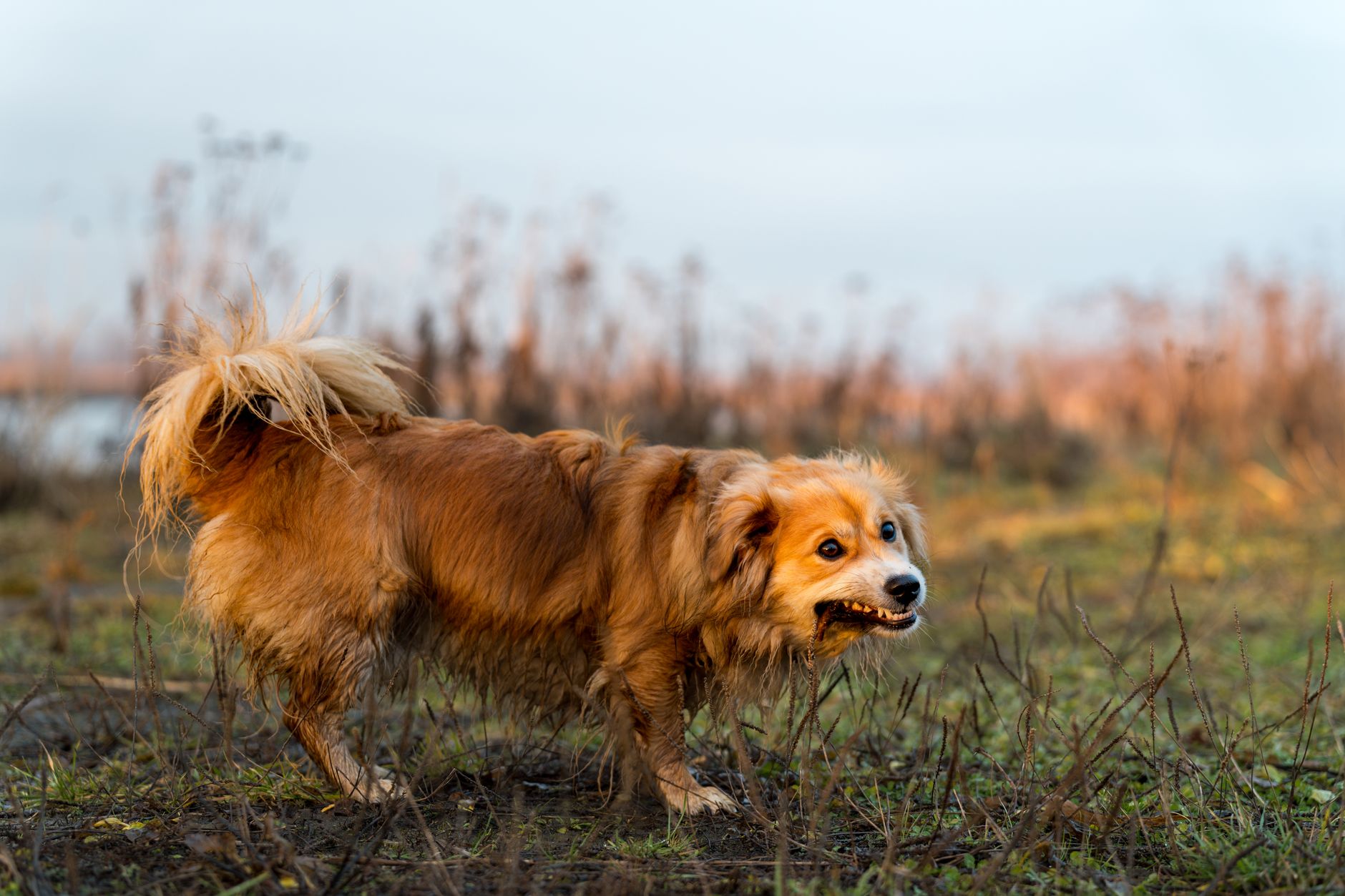
Rabies is a deadly viral disease that affects the central nervous system. Transmitted primarily through the saliva of infected animals, it poses a significant threat to both humans and animals. Fortunately, the rabies virus, while potent, is surprisingly fragile outside a host organism. Understanding its weaknesses allows for effective disinfection and prevention strategies. This article explores the various methods and substances effective in neutralizing the rabies virus, offering a detailed look at what destroys rabies virus.

What colours are fish most attracted to?
Can you put your finger in a trout's mouth?
Is methylene blue anti bacterial?
Does aquarium salt raise pH in aquarium?
Heat as a Rabies Virus Inactivator
Heat is one of the most reliable methods for inactivating the rabies virus. The virus is sensitive to elevated temperatures, making heat sterilization a common practice in laboratories and healthcare settings.
- Autoclaving: This process, using pressurized steam at high temperatures, effectively destroys the virus. Standard autoclaving cycles are sufficient.
- Boiling: While less effective than autoclaving, boiling contaminated items for a prolonged period (at least 5 minutes) can significantly reduce the risk of infection.
- Incineration: For animal carcasses or heavily contaminated materials, incineration is the most thorough method of virus destruction.
The Role of Disinfectants
Specific chemical disinfectants are also highly effective at neutralizing the rabies virus. Choosing the right disinfectant is critical for preventing transmission, especially in situations where contact with potentially infected saliva is likely.
- Sodium Hypochlorite (Bleach): A diluted bleach solution (e.g., 1:32 dilution of household bleach) is a powerful disinfectant against the rabies virus. Contact time is crucial; allow the solution to remain on the surface for at least 1 minute.
- Quaternary Ammonium Compounds: These are commonly used disinfectants in veterinary clinics and animal shelters. They are effective against a broad spectrum of pathogens, including the rabies virus. Follow manufacturer’s instructions for concentration and contact time.
- Iodine-Based Disinfectants: Solutions containing iodine are also effective in neutralizing the rabies virus.
It is important to note that the effectiveness of any disinfectant depends on proper application, concentration, and contact time. Always follow the manufacturer’s instructions.
Ultraviolet (UV) Light Inactivation
Exposure to UV light can disrupt the virus’s genetic material, rendering it non-infectious. This method is often used in laboratory settings and for disinfecting surfaces.
- UV Germicidal Lamps: These lamps emit UV-C radiation, which is particularly effective at destroying viruses, including the rabies virus.
- Sunlight: While less potent than UV lamps, prolonged exposure to direct sunlight can also contribute to virus inactivation. However, this method is less reliable due to variations in intensity and weather conditions.
Environmental Factors: Desiccation and Degradation
Outside a host, the rabies virus is relatively fragile and susceptible to environmental degradation. Desiccation, or drying, can significantly reduce its infectivity.
- Drying: The virus requires moisture to survive. Allowing potentially contaminated surfaces to dry completely can help reduce the risk of transmission.
- Natural Degradation: Over time, the virus will naturally degrade in the environment, especially when exposed to sunlight, heat, and dryness. However, this process can take varying amounts of time depending on environmental conditions.
Comparison of Rabies Virus Destruction Methods
| Method | Effectiveness | Advantages | Disadvantages |
|---|---|---|---|
| Autoclaving | High | Reliable, effective for heat-resistant materials | Requires specialized equipment, not suitable for all materials |
| Bleach Solution | High | Readily available, inexpensive | Corrosive, can damage some surfaces, potential for irritation |
| UV Light | Moderate | Non-chemical, suitable for surface disinfection | Requires specialized equipment, can be harmful to humans |
| Drying | Low | Simple, requires no special equipment | Time-consuming, effectiveness depends on environmental factors |
| Incineration | Highest | Complete destruction of the virus and contaminated material | Not always practical, can release pollutants |
FAQs: Understanding Rabies Virus Inactivation
What is the most effective method for destroying the rabies virus?
The most effective method for destroying the rabies virus is incineration, as it completely eliminates the virus and any contaminated materials. However, due to practical limitations, autoclaving is generally considered the most effective and readily applicable method in laboratory and healthcare settings.
How long does it take for bleach to kill the rabies virus?
A diluted bleach solution (e.g., a 1:32 dilution of household bleach) can effectively inactivate the rabies virus within approximately one minute of contact. Ensure the solution covers the contaminated surface thoroughly.
Can hand sanitizer kill the rabies virus?
While alcohol-based hand sanitizers are effective against many viruses, their effectiveness against the rabies virus is not conclusively established. It is always recommended to wash hands thoroughly with soap and water after potential exposure to the virus.
Is the rabies virus susceptible to freezing?
Freezing does not reliably destroy the rabies virus. While prolonged freezing may reduce its infectivity, it is not a recommended method for inactivation. The virus can remain viable even after being frozen.
Does soap and water kill the rabies virus?
Washing with soap and water is a critical first step after a potential rabies exposure. While soap and water may not directly kill the virus, it mechanically removes it from the wound, reducing the viral load and the risk of infection.
How long can the rabies virus survive outside a host?
The survival time of the rabies virus outside a host varies depending on environmental conditions. In warm, humid environments, the virus may survive for only a few hours. In colder, drier conditions, it may persist for longer, but generally degrades within a few days.
Can UV light from the sun kill the rabies virus?
Yes, prolonged exposure to direct sunlight can inactivate the rabies virus. The UV radiation disrupts the virus’s genetic material, rendering it non-infectious. However, this method is less reliable than using UV germicidal lamps due to variability in sunlight intensity.
What disinfectants are safe to use on skin after a potential rabies exposure?
After washing with soap and water, applying an iodine-based antiseptic solution is generally recommended for cleaning wounds after a potential rabies exposure. This helps to further reduce the risk of infection. Always consult with a healthcare professional for appropriate wound care.
Is there any way to test if a surface is free of the rabies virus?
Testing for the presence of the rabies virus on a surface is generally not practical in routine situations. Proper disinfection protocols using effective disinfectants like bleach are the most reliable way to ensure that a surface is safe.
Can vinegar kill the rabies virus?
Vinegar is not considered to be an effective disinfectant against the rabies virus. While it may have some antimicrobial properties, it is not reliable for inactivating the virus.
Are there any natural remedies that can kill the rabies virus?
There are no scientifically proven natural remedies that can kill the rabies virus. It is crucial to seek immediate medical attention after a potential rabies exposure and to follow recommended post-exposure prophylaxis (PEP) protocols.
What is the best approach for cleaning up potentially contaminated saliva?
The best approach is to wear gloves and use absorbent materials (paper towels or cloths) to wipe up the saliva. Then, disinfect the area with a diluted bleach solution (1:32), ensuring adequate contact time (at least one minute). Dispose of the contaminated materials properly.