
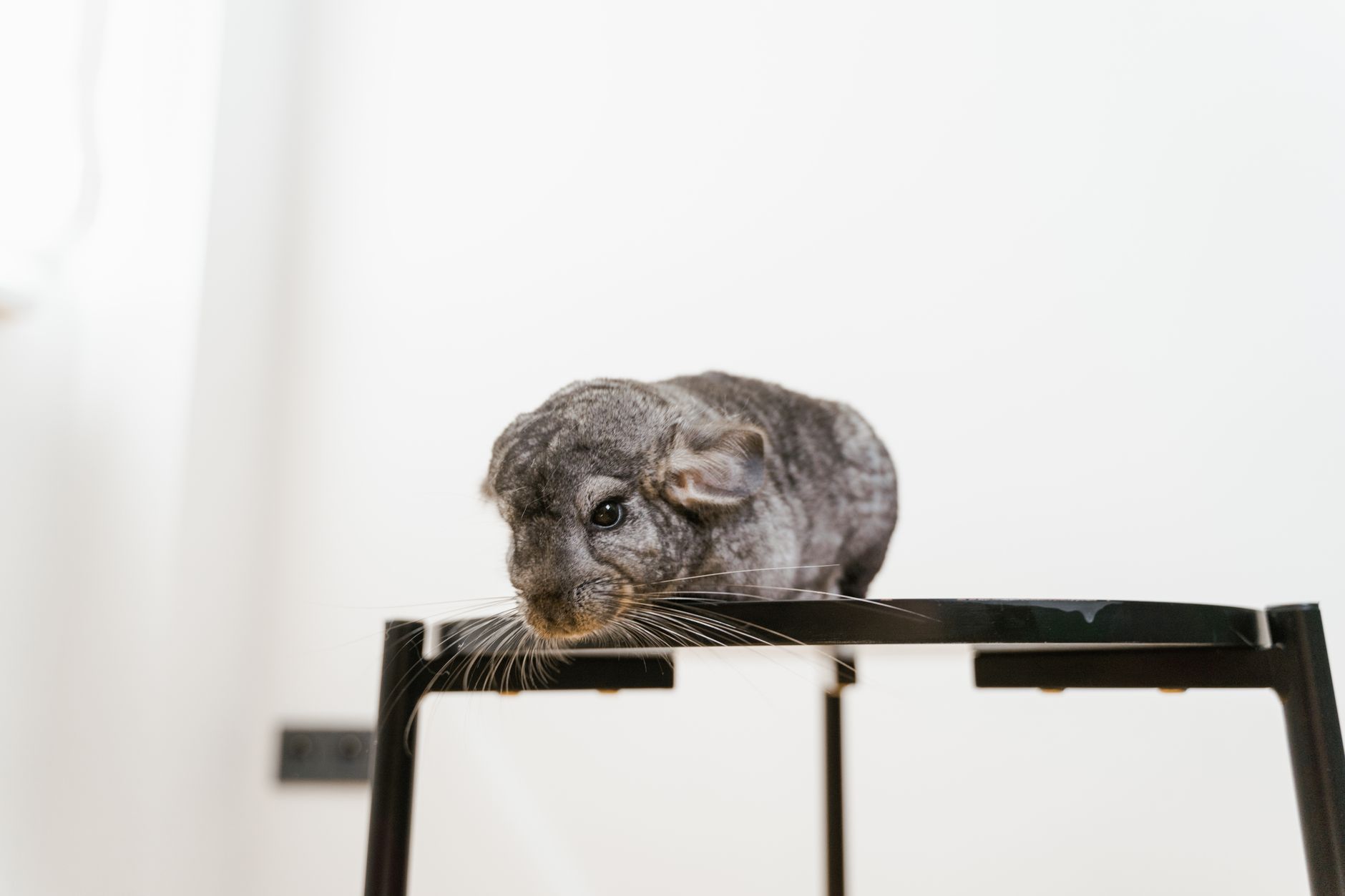
Are Chinchillas Very Friendly? Unveiling the Chinchilla’s Social Nature
Are chinchillas very friendly? Generally, yes, chinchillas can be quite friendly and affectionate, although their temperament varies and requires patience and understanding to build trust. They are social creatures who can form strong bonds with their human companions.
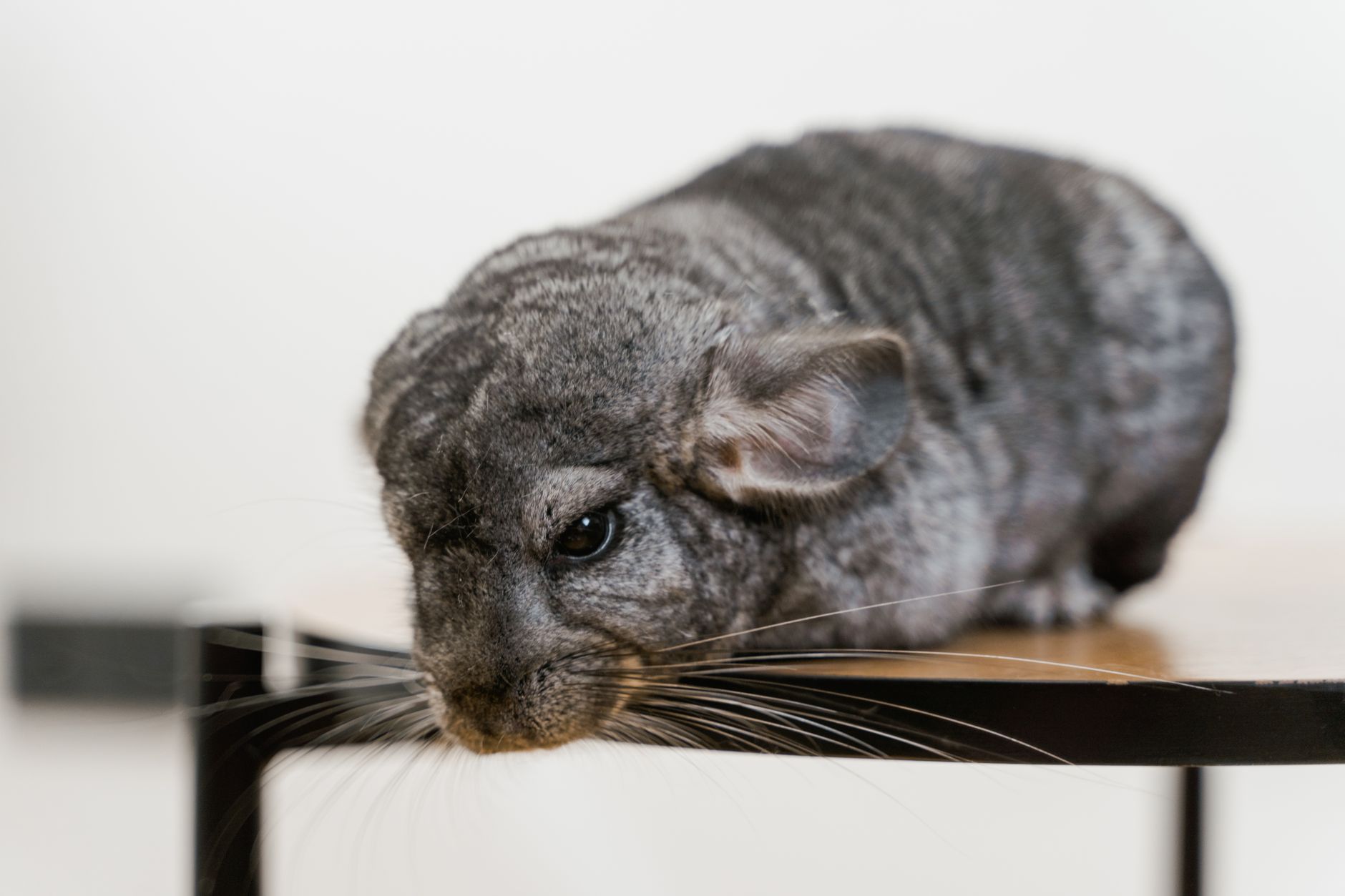
Understanding Chinchilla Temperament
Chinchillas, native to the Andes Mountains, are fascinating creatures with a unique blend of independence and sociability. While they may not be as outwardly demonstrative as dogs or cats, their capacity for affection and playful interaction is undeniable. Understanding their individual personalities and natural instincts is crucial to determining just how friendly they can be. The key lies in respecting their boundaries and building trust through consistent, gentle interaction.

What colours are fish most attracted to?
Can you put your finger in a trout's mouth?
Is methylene blue anti bacterial?
Does aquarium salt raise pH in aquarium?
The Myth of Instant Friendship

It’s important to dispel the myth that all chinchillas are instantly friendly. Just like people, each chinchilla possesses a unique personality. Some are naturally more outgoing and curious, readily approaching new people and experiences. Others are more reserved and cautious, requiring more time and patience to warm up. Don’t be discouraged if your new chinchilla doesn’t immediately cuddle; building a strong bond takes time and effort.
Factors Influencing Chinchilla Friendliness
Several factors can influence how friendly a chinchilla becomes:
- Genetics: Some chinchilla lines may be predisposed to being more sociable than others.
- Early Socialization: Chinchillas that are handled gently and exposed to positive human interaction from a young age are more likely to be comfortable and trusting.
- Environment: A safe, stimulating, and enriching environment reduces stress and promotes overall well-being, making a chinchilla more receptive to human interaction.
- Individual Personality: Some chinchillas are simply more outgoing and curious by nature, while others are more reserved and independent.
Building a Bond of Trust
The foundation of a friendly relationship with a chinchilla is built on trust. This involves consistent, gentle handling, respecting their boundaries, and providing a safe and enriching environment.
- Start Slowly: Begin by simply spending time near your chinchilla’s cage, talking softly and offering treats through the bars.
- Gentle Handling: Once your chinchilla seems comfortable, gradually introduce gentle handling. Avoid sudden movements or loud noises, which can scare them.
- Positive Reinforcement: Use positive reinforcement, such as treats and praise, to reward desired behaviors.
- Respect Boundaries: Pay attention to your chinchilla’s body language. If they are showing signs of stress or fear, back off and give them space.
- Routine: Chinchillas thrive on routine. Establish a consistent feeding and playtime schedule to help them feel secure and comfortable.
Signs of a Friendly Chinchilla
A friendly chinchilla will exhibit certain behaviors that indicate they are comfortable and trusting of their human companions. These can include:
- Approaching you willingly: Coming to the cage door when you approach.
- Taking treats from your hand: Accepting food offerings without hesitation.
- Allowing you to pet them: Enjoying gentle strokes on their head and back.
- Playful behavior: Engaging in playful antics around you, such as hopping and exploring.
- Napping near you: Feeling safe enough to sleep in your presence.
- Vocalization: Making soft, contented noises.
Addressing Challenges and Concerns
Even with the best efforts, some chinchillas may be more challenging to bond with. It’s important to be patient and understanding and to address any underlying issues that may be contributing to their behavior. For instance, ensure that their cage is large enough, that they have access to chew toys and dust baths, and that they are receiving proper veterinary care.
Frequently Asked Questions (FAQs) About Chinchilla Friendliness
Are chinchillas naturally aggressive?
No, chinchillas are not naturally aggressive. While they may bite if they feel threatened or scared, aggression is not typical behavior. Most often, what might seem like aggression is simply fear or defensiveness. Building trust and handling them gently will prevent most biting incidents.
Can chinchillas learn their names?
Yes, chinchillas are intelligent and can learn to recognize their names, particularly when paired with positive reinforcement like treats or gentle petting. Consistency is key; use their name frequently and in a positive context.
Do chinchillas enjoy being held?
This depends on the individual chinchilla. Some chinchillas enjoy being held briefly once they trust you, while others prefer not to be restrained. Always pay attention to their body language and respect their preferences. Never force a chinchilla to be held if they are struggling or showing signs of distress.
Are chinchillas good pets for children?
While chinchillas can be wonderful pets, they are not generally recommended for young children. Chinchillas are delicate animals that require gentle handling and a quiet environment. Young children may not have the necessary understanding and patience to properly care for them. Supervised interaction is critical if children are to be around a chinchilla.
What is the best way to pick up a chinchilla?
The best way to pick up a chinchilla is to gently scoop them up with both hands, supporting their chest and hindquarters. Avoid grabbing them by the tail or scruff of the neck, as this can be painful and frightening. Always approach them calmly and talk to them in a soothing voice.
Do chinchillas get lonely if kept alone?
Chinchillas are social animals and generally thrive in pairs or small groups. However, with sufficient attention and interaction from their human companion, a chinchilla can be content on its own. If you choose to keep a single chinchilla, be prepared to provide them with plenty of playtime, enrichment, and affection.
How much playtime do chinchillas need?
Chinchillas are active animals and require at least an hour of supervised playtime outside of their cage each day. This allows them to exercise, explore, and satisfy their natural curiosity. Ensure the play area is safe and free of hazards.
What are the signs of a stressed chinchilla?
Signs of stress in chinchillas can include: fur slip (releasing patches of fur), excessive grooming, hiding, refusing to eat, and aggression. If you notice any of these signs, assess their environment and routine to identify and address the source of stress.
How often do chinchillas need dust baths?
Chinchillas need dust baths 2-3 times per week to keep their fur clean and healthy. Dust baths help to absorb excess oils and moisture, preventing their fur from becoming matted. Use a special chinchilla dust made from finely ground pumice.
Can chinchillas be trained?
Yes, chinchillas can be trained using positive reinforcement techniques. You can teach them simple tricks, such as coming when called or standing on their hind legs, by rewarding them with treats and praise.
What kind of treats are safe for chinchillas?
Safe treats for chinchillas include small pieces of rose hips, unsweetened shredded wheat, and dried, unsweetened cranberries. Avoid giving them sugary treats, nuts, seeds, or anything high in fat, as these can be harmful to their health.
Are chinchillas very friendly?
Ultimately, the answer to Are chinchillas very friendly? is nuanced. While their friendliness can vary depending on the individual, their background, and how they are treated, with patience, understanding, and consistent effort, chinchillas can become affectionate and rewarding companions, forming strong bonds with their human families. They are intelligent, curious, and playful creatures that bring joy and enrichment to the lives of those who understand their unique needs and personalities.