
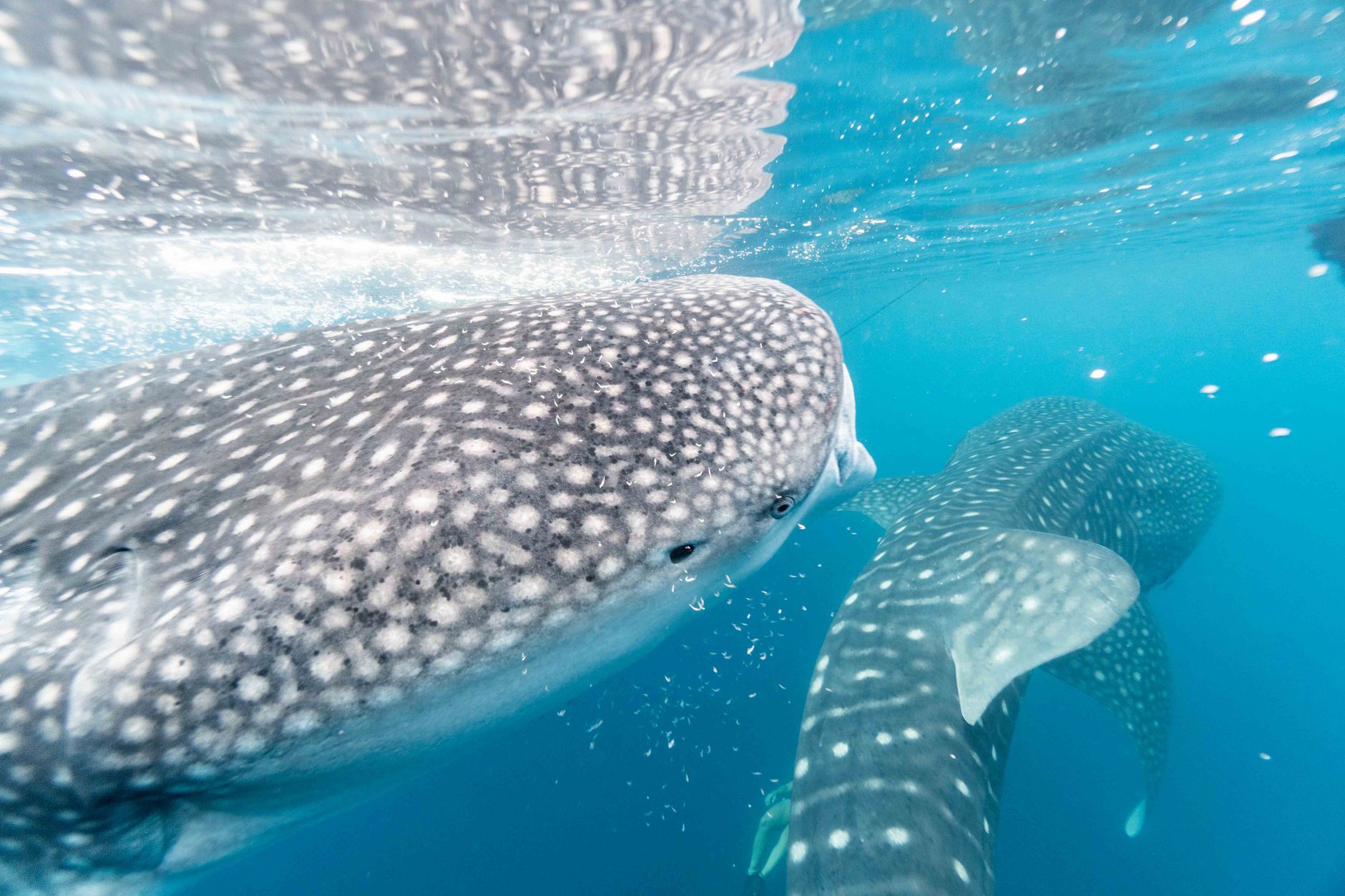
What are Whale Sharks Afraid Of? Unmasking the Fears of Gentle Giants
While seemingly invincible due to their massive size, whale sharks, like all creatures, possess vulnerabilities and potential triggers for fear. Whale sharks’ primary fear is human activity, specifically boat collisions, entanglement in fishing gear, and the impact of unsustainable tourism practices.

Introduction: The Vulnerable Giant
Whale sharks (Rhincodon typus) are the largest fish in the world, gentle giants cruising through tropical and warm-temperate oceans. Often perceived as apex predators with little to fear, the reality is far more nuanced. Understanding what are whale sharks afraid of? reveals critical insights into their conservation needs and the threats they face in an increasingly human-dominated ocean. This article will explore the various factors that contribute to stress and fear responses in these magnificent creatures.
What colours are fish most attracted to?
Can you put your finger in a trout's mouth?
Is methylene blue anti bacterial?
Does aquarium salt raise pH in aquarium?
Human Activities: The Primary Source of Fear
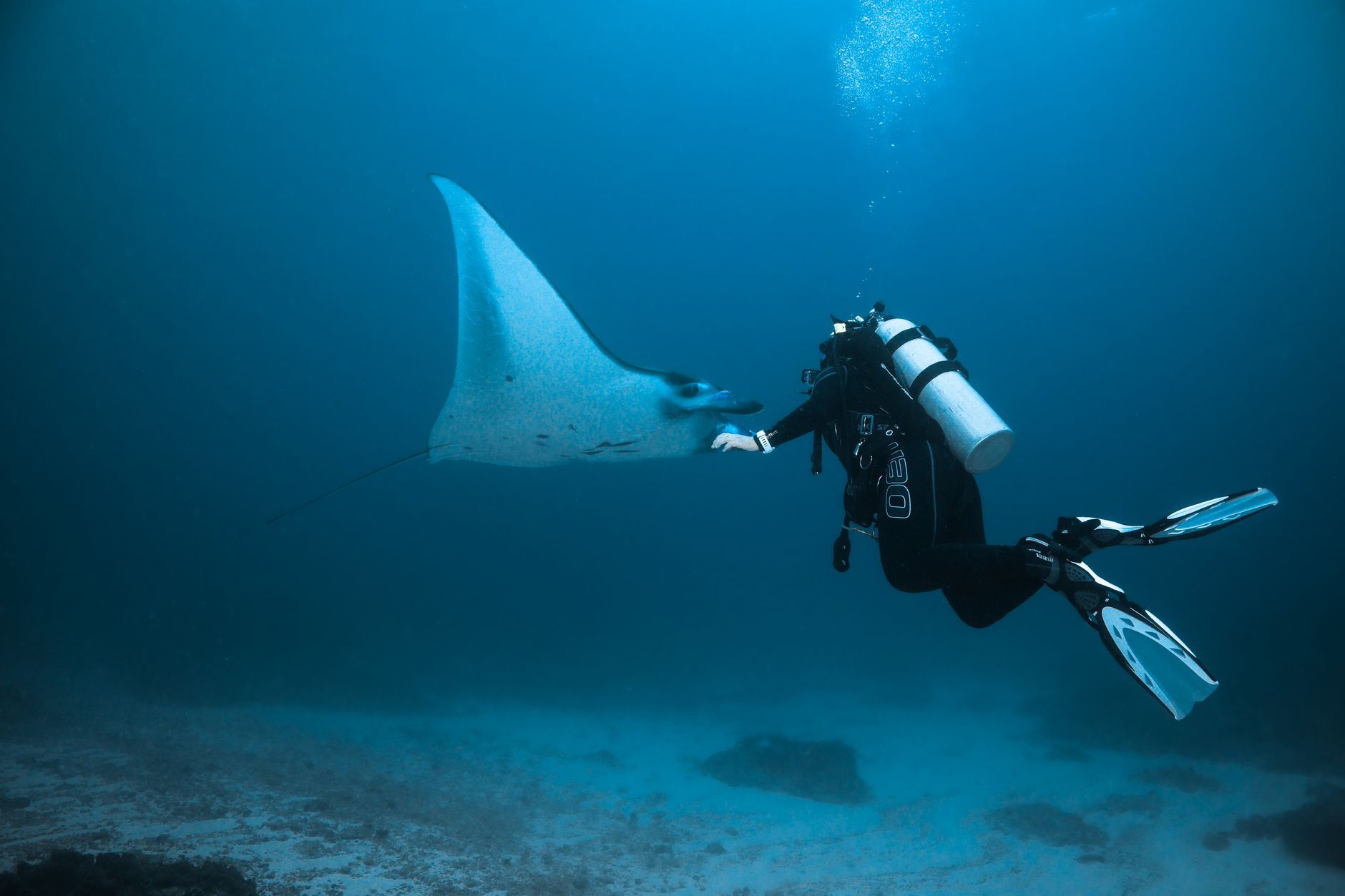
The overwhelming evidence suggests that human activities are the most significant contributors to fear and stress in whale sharks. These activities, often driven by economic gain or unawareness, pose direct and indirect threats to their well-being.
- Boat Strikes: Whale sharks often swim near the surface, making them vulnerable to boat strikes. The injuries sustained can be severe, often leading to death. The noise and sudden approach of vessels can also trigger a fear response, causing the shark to flee or alter its behavior.
- Fishing Gear Entanglement: Discarded or actively used fishing gear, such as nets and lines, poses a significant entanglement risk. Entanglement can restrict movement, cause lacerations, and lead to drowning. The struggle to free themselves undoubtedly induces fear and stress.
- Unsustainable Tourism: While whale shark tourism can be beneficial when managed responsibly, unregulated or aggressive interactions can harm the sharks. Chasing, touching, and disrupting their natural feeding behavior can create a stressful and potentially fearful environment.
Predation: A Natural, but Limited, Threat
Although whale sharks are large, they are not immune to predation, especially when young. While adult whale sharks have few natural predators, juveniles face greater risks.
- Predators of Juveniles: Smaller whale sharks are vulnerable to predation by larger sharks, such as tiger sharks and great white sharks, as well as orcas. These encounters are rare but can be fatal.
- Survival Strategies: Juvenile whale sharks often exhibit avoidance behaviors in areas with known predator populations. This instinctive fear contributes to their survival.
Environmental Changes: A Growing Concern
Changes in the marine environment, driven by climate change and pollution, also contribute to the stressors experienced by whale sharks.
- Ocean Acidification: Changes in ocean pH levels can impact the availability of prey, forcing whale sharks to search for food in unfamiliar or less productive areas. This can induce stress and anxiety.
- Pollution: Chemical pollutants and plastic debris can accumulate in whale sharks’ bodies, potentially affecting their health and behavior. Exposure to toxins can cause physiological stress, making them more vulnerable to other threats.
- Habitat Degradation: The destruction of coral reefs and other critical habitats reduces the availability of food and shelter, forcing whale sharks to venture into less suitable environments, increasing their risk of encountering threats.
The Impact of Stress and Fear
Chronic stress and fear can have detrimental effects on whale sharks’ health and survival. Understanding these impacts is crucial for developing effective conservation strategies.
- Reduced Feeding Efficiency: Stressed whale sharks may exhibit reduced feeding activity, leading to malnutrition and weakened immune systems.
- Impaired Reproduction: Stress can negatively impact reproductive success, reducing the number of offspring and hindering population growth.
- Increased Vulnerability to Disease: Chronic stress weakens the immune system, making whale sharks more susceptible to diseases and parasites.
Conservation Efforts: Mitigating Fear and Protecting Whale Sharks
Effective conservation strategies are essential for mitigating the threats faced by whale sharks and reducing their fear responses.
- Regulations and Enforcement: Implementing and enforcing regulations to prevent boat strikes, entanglement in fishing gear, and unsustainable tourism practices is crucial.
- Marine Protected Areas: Establishing marine protected areas (MPAs) provides safe havens for whale sharks, allowing them to feed, breed, and migrate without disturbance.
- Sustainable Tourism Practices: Promoting responsible whale shark tourism that minimizes disturbance and educates visitors about the importance of conservation.
- Research and Monitoring: Conducting ongoing research to better understand whale shark behavior, population dynamics, and threats is essential for informing conservation efforts.
- Education and Outreach: Raising awareness among local communities, fishermen, and the general public about the importance of whale shark conservation and the impact of human activities.
Table: Threats to Whale Sharks and Mitigation Strategies
| Threat | Mitigation Strategy |
|---|---|
| Boat Strikes | Speed restrictions, designated shipping lanes, education |
| Fishing Gear Entanglement | Gear modifications, responsible disposal, retrieval programs |
| Unsustainable Tourism | Regulated interactions, codes of conduct, education |
| Habitat Degradation | Marine protected areas, pollution control, restoration |
Conclusion: A Future of Harmony
Protecting whale sharks requires a multifaceted approach that addresses the various threats they face. By understanding what are whale sharks afraid of? and implementing effective conservation strategies, we can create a future where these gentle giants thrive in a healthy and safe ocean.
Frequently Asked Questions (FAQs) about Whale Shark Fears
What is the most common cause of death for whale sharks?
The most common cause of death for whale sharks is boat strikes. Due to their habit of swimming near the surface, they are particularly vulnerable to collisions with vessels, leading to severe injuries and fatalities.
Are whale sharks aggressive towards humans?
No, whale sharks are not aggressive towards humans. They are docile and gentle creatures that primarily feed on plankton and small fish. Incidents of aggression are extremely rare and usually attributed to misidentification or accidental encounters.
Do whale sharks have any natural predators as adults?
While rare, adult whale sharks can occasionally be preyed upon by larger predators like orca whales and large sharks, though this is not a common occurrence. Juvenile whale sharks face a higher risk of predation.
How does noise pollution affect whale sharks?
Noise pollution from shipping, construction, and other human activities can disrupt whale shark behavior and communication. Loud noises can cause stress, displace them from feeding areas, and interfere with their ability to navigate.
Can whale sharks feel pain when entangled in fishing gear?
Yes, whale sharks can feel pain when entangled in fishing gear. The pressure and abrasion from the gear can cause lacerations, restricted blood flow, and significant distress. The struggle to free themselves only exacerbates the pain and injury.
What are the best practices for sustainable whale shark tourism?
Best practices include maintaining a safe distance, avoiding touching or feeding the sharks, limiting the number of tourists per encounter, and using boats with quiet engines. Responsible tour operators should prioritize the well-being of the sharks and adhere to strict guidelines.
How are marine protected areas helping whale shark conservation?
Marine protected areas provide safe havens for whale sharks, allowing them to feed, breed, and migrate without disturbance. These areas restrict fishing, boating, and other human activities that can harm the sharks, contributing to their overall conservation.
What is the role of citizen science in whale shark research?
Citizen science initiatives engage the public in collecting data on whale shark sightings, behaviors, and threats. This information helps researchers monitor populations, track movements, and identify areas of concern, contributing valuable insights for conservation efforts.
Are there any specific diseases that commonly affect whale sharks?
While not widely documented, whale sharks are susceptible to various diseases and parasites, including skin lesions, fungal infections, and internal parasites. Stress and pollution can weaken their immune systems, making them more vulnerable to these ailments.
What are some strategies for reducing boat strikes on whale sharks?
Strategies include implementing speed restrictions in areas where whale sharks are frequently sighted, establishing designated shipping lanes to avoid key habitats, and educating boaters about whale shark presence and safe navigation practices.
How does climate change impact whale shark populations?
Climate change can impact whale shark populations by altering ocean temperatures, currents, and prey availability. Changes in ocean conditions can displace them from their preferred feeding grounds, disrupt their migration patterns, and affect their reproductive success.
What can individuals do to help protect whale sharks?
Individuals can support sustainable seafood choices, reduce their plastic consumption, participate in citizen science initiatives, donate to whale shark conservation organizations, and educate others about the importance of protecting these gentle giants. Understanding what are whale sharks afraid of? is the first step in mitigating the threats they face and ensuring their survival for future generations.