
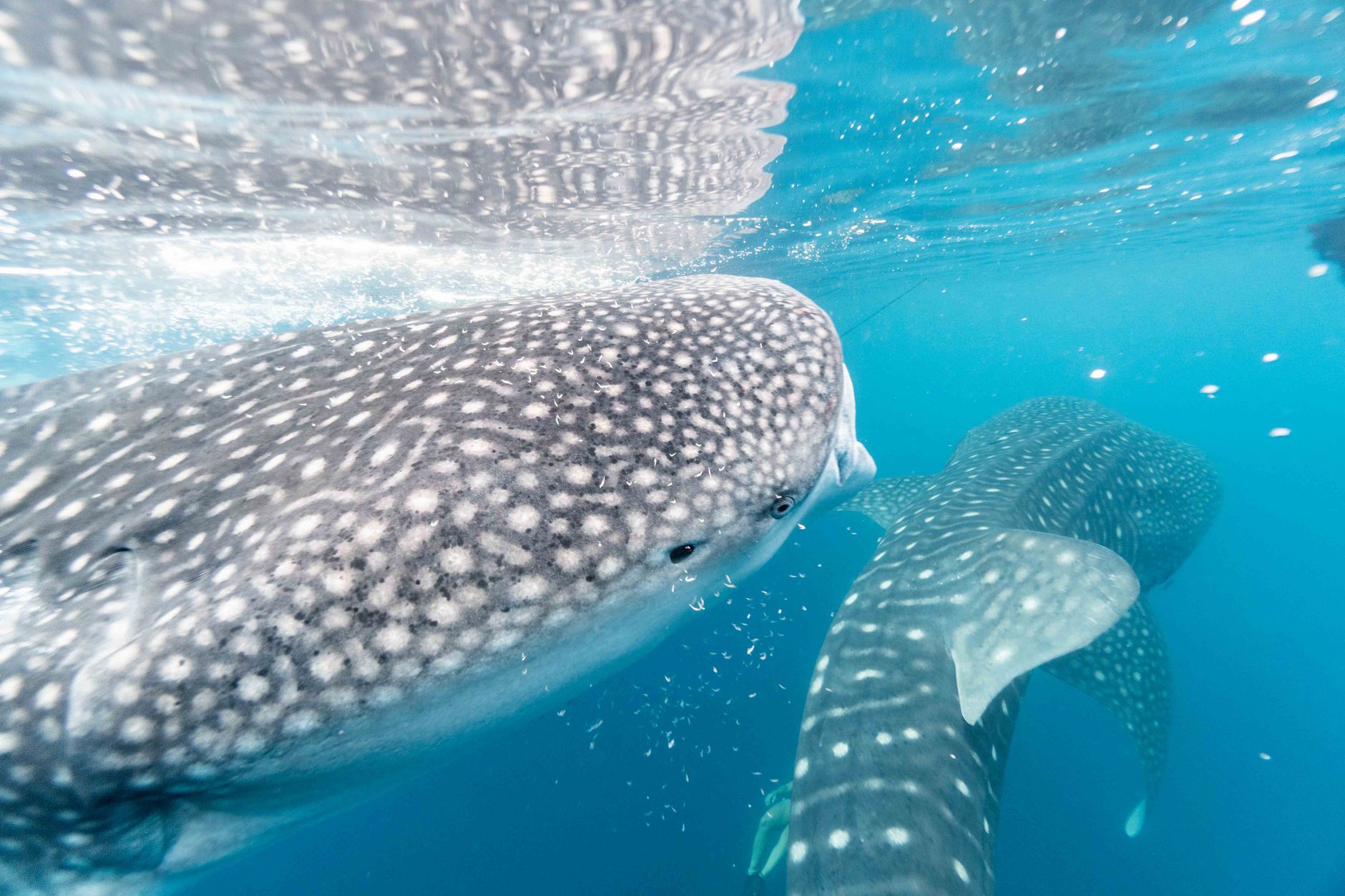
Can You See Whale Sharks While Snorkeling? A Comprehensive Guide
Yes, you can absolutely see whale sharks while snorkeling! Snorkeling offers an incredible opportunity to witness these gentle giants in their natural habitat, providing an unforgettable and surprisingly accessible wildlife encounter.
Introduction to Whale Shark Encounters
Whale sharks, the world’s largest fish, are often misunderstood. Despite their enormous size, they are filter feeders, posing no threat to humans. This makes them ideal candidates for close encounters while snorkeling. The opportunity to swim alongside these magnificent creatures is a truly transformative experience. It’s crucial, however, to approach these encounters responsibly and sustainably, ensuring the safety of both the snorkeler and the whale shark.
What colours are fish most attracted to?
Can you put your finger in a trout's mouth?
Is methylene blue anti bacterial?
Does aquarium salt raise pH in aquarium?
The Allure of Snorkeling with Whale Sharks

The popularity of snorkeling with whale sharks stems from several factors:
- Accessibility: Unlike scuba diving, snorkeling requires minimal training and equipment.
- Surface Observation: Whale sharks often feed near the surface, making them easily visible from above.
- Cost-Effective: Snorkeling tours are generally less expensive than scuba diving expeditions.
- Non-Invasive: Snorkeling minimizes disturbance to the marine environment compared to other activities.
Witnessing these gentle giants glide effortlessly through the water is an awe-inspiring spectacle. The sheer scale of the animal, combined with its graceful movements, leaves a lasting impression. Can you see whale sharks while snorkeling? The answer is a resounding yes, and the experience is well worth pursuing.
Prime Locations for Whale Shark Snorkeling
Several locations around the globe are renowned for their whale shark populations and snorkeling opportunities:
- Isla Holbox and Isla Mujeres, Mexico: The Yucatan Peninsula offers excellent snorkeling during the summer months.
- Ningaloo Reef, Western Australia: A renowned location with organized tours and predictable whale shark sightings.
- Donsol, Philippines: One of the first locations to offer responsible whale shark interaction.
- South Ari Atoll, Maldives: Year-round whale shark sightings in a stunning tropical setting.
- Utila, Honduras: Another popular Caribbean destination for whale shark encounters.
The table below compares key aspects of some popular locations:
| Location | Best Time to Visit | Typical Water Clarity | Conservation Efforts | Notes |
|---|---|---|---|---|
| Isla Holbox | June – September | Variable | Strong Regulations | High season can be crowded. |
| Ningaloo Reef | March – August | Excellent | Strict Permitting | Well-managed tourism. |
| Donsol | November – May | Good | Community-Based | Focus on sustainable tourism. |
| South Ari Atoll | Year-Round | Good | Monitoring Programs | Abundant plankton attracts whale sharks. |
| Utila | March – April, Aug-Sep | Variable | Ongoing Research | Known for smaller whale shark populations. |
Responsible Snorkeling Practices
Approaching whale sharks responsibly is paramount to their conservation and your safety. Here are essential guidelines:
- Maintain a Safe Distance: Always stay at least 3 meters (10 feet) away from the whale shark.
- No Touching: Refrain from touching or riding the whale shark.
- Limit Interaction Time: Minimize the time spent near the animal to reduce stress.
- Avoid Flash Photography: The flash can startle or disorient the whale shark.
- Respect Feeding Patterns: Do not interfere with the whale shark’s feeding behavior.
- Use Reef-Safe Sunscreen: Protect the marine environment from harmful chemicals.
Following these guidelines ensures a respectful and sustainable interaction with these magnificent creatures. Can you see whale sharks while snorkeling responsibly? Absolutely, by adhering to ethical guidelines.
Essential Snorkeling Gear for Whale Shark Encounters
Having the right gear can enhance your snorkeling experience and ensure your safety:
- Mask: A well-fitting mask provides a clear view of the underwater world.
- Snorkel: Choose a snorkel with a splash guard or dry top to prevent water from entering.
- Fins: Fins provide propulsion and maneuverability in the water.
- Wetsuit or Rash Guard: Provides thermal protection and protection from the sun.
- Life Vest or Buoyancy Aid: Enhances safety, especially for less experienced swimmers.
- Waterproof Camera: Capture stunning underwater photos and videos.
Choosing high-quality gear will significantly improve your comfort and confidence in the water.
Common Mistakes to Avoid
Avoid these common mistakes when snorkeling with whale sharks:
- Getting Too Close: Respect the recommended distance to avoid startling the animal.
- Chasing the Whale Shark: Allow the whale shark to move at its own pace.
- Using Inappropriate Gear: Ensure your gear is properly fitted and functional.
- Ignoring Tour Guide Instructions: Pay attention to the tour guide’s advice and directions.
- Not Being a Confident Swimmer: Basic swimming skills are essential for snorkeling safely.
- Disregarding Safety Briefings: Understand the potential risks and safety procedures.
Avoiding these errors ensures a safer and more enjoyable experience for everyone involved.
Frequently Asked Questions (FAQs)
Is it safe to snorkel with whale sharks?
Yes, snorkeling with whale sharks is generally safe. Whale sharks are filter feeders and pose no direct threat to humans. However, it’s crucial to follow the guidelines provided by your tour operator and maintain a safe distance. Accidents are rare but can occur if safety protocols are not followed.
What is the best time of year to see whale sharks while snorkeling?
The best time to see whale sharks while snorkeling varies depending on the location. For example, in Isla Holbox, Mexico, the peak season is from June to September, while in Ningaloo Reef, Australia, it’s from March to August. Research the specific location you plan to visit to determine the optimal time.
Do I need to be an experienced swimmer to snorkel with whale sharks?
While you don’t need to be an Olympic swimmer, basic swimming skills and comfort in the water are essential. Most tour operators require participants to be able to swim independently and tread water for a certain period. If you are not a confident swimmer, consider wearing a life vest or buoyancy aid.
What should I do if a whale shark approaches me unexpectedly?
If a whale shark approaches you unexpectedly, remain calm and maintain a safe distance. Avoid sudden movements or splashing, which could startle the animal. Allow the whale shark to pass by without interfering with its natural behavior.
Are there age restrictions for snorkeling with whale sharks?
Yes, most tour operators have minimum age requirements, typically around 8 or 10 years old. This is due to safety concerns and the physical demands of snorkeling. Check with the specific tour operator for their age restrictions before booking.
What kind of sunscreen should I use when snorkeling with whale sharks?
It’s crucial to use reef-safe sunscreen that is free of harmful chemicals like oxybenzone and octinoxate. These chemicals can damage coral reefs and harm marine life. Look for sunscreens labeled “reef-safe” or “reef-friendly.”
Can I use my own snorkeling gear, or do I need to rent it?
Most tour operators provide snorkeling gear, but you are welcome to use your own if you prefer. Ensure that your gear is properly fitted and in good condition. If you choose to rent gear, inspect it carefully before use.
What happens if I get seasick during the tour?
Seasickness is a common concern on boat tours. Take preventative measures such as taking seasickness medication before the tour, staying hydrated, and focusing on the horizon. Some tours provide ginger candies or wristbands to help alleviate seasickness.
Are there any ethical considerations I should be aware of?
Yes, it’s essential to choose a responsible tour operator that prioritizes the welfare of the whale sharks and the marine environment. Look for operators that adhere to ethical guidelines, such as maintaining a safe distance from the animals and avoiding feeding them. Can you see whale sharks while snorkeling ethically? Yes, by choosing responsible tourism.
What should I do if I see someone violating the responsible snorkeling guidelines?
If you witness someone violating the responsible snorkeling guidelines, report it to your tour guide or the relevant authorities. It’s important to protect these magnificent creatures and ensure that everyone follows the rules.
How long does a typical whale shark snorkeling tour last?
A typical whale shark snorkeling tour lasts between 3 to 6 hours, depending on the location and the tour operator. This includes the boat ride to the snorkeling site, the time spent in the water with the whale sharks, and the return journey.
What other marine life might I see while snorkeling with whale sharks?
In addition to whale sharks, you might see a variety of other marine life, such as sea turtles, dolphins, manta rays, and colorful reef fish. The diversity of marine life depends on the specific location and the time of year.