

What Are The Symptoms of a Parasite in the Gallbladder? Decoding the Infection
Identifying parasitic infections in the gallbladder can be tricky, but crucial for prompt treatment. The symptoms of a parasite in the gallbladder can range from subtle abdominal discomfort to intense pain, fever, and jaundice, often mimicking other gallbladder issues, making diagnosis challenging; recognizing these signs is essential for seeking timely medical attention and preventing serious complications.

Introduction: The Gallbladder and Parasitic Threats
The gallbladder, a small pear-shaped organ nestled under the liver, plays a vital role in digesting fats by storing and concentrating bile. While gallstones are a common gallbladder ailment, parasitic infections, though less frequent, can also significantly disrupt its function and cause a range of distressing symptoms. What are the symptoms of a parasite in the gallbladder? Recognizing these indicators is critical for prompt diagnosis and effective treatment.

What colours are fish most attracted to?
Can you put your finger in a trout's mouth?
Is methylene blue anti bacterial?
Does aquarium salt raise pH in aquarium?
Understanding Parasites and Their Route to the Gallbladder
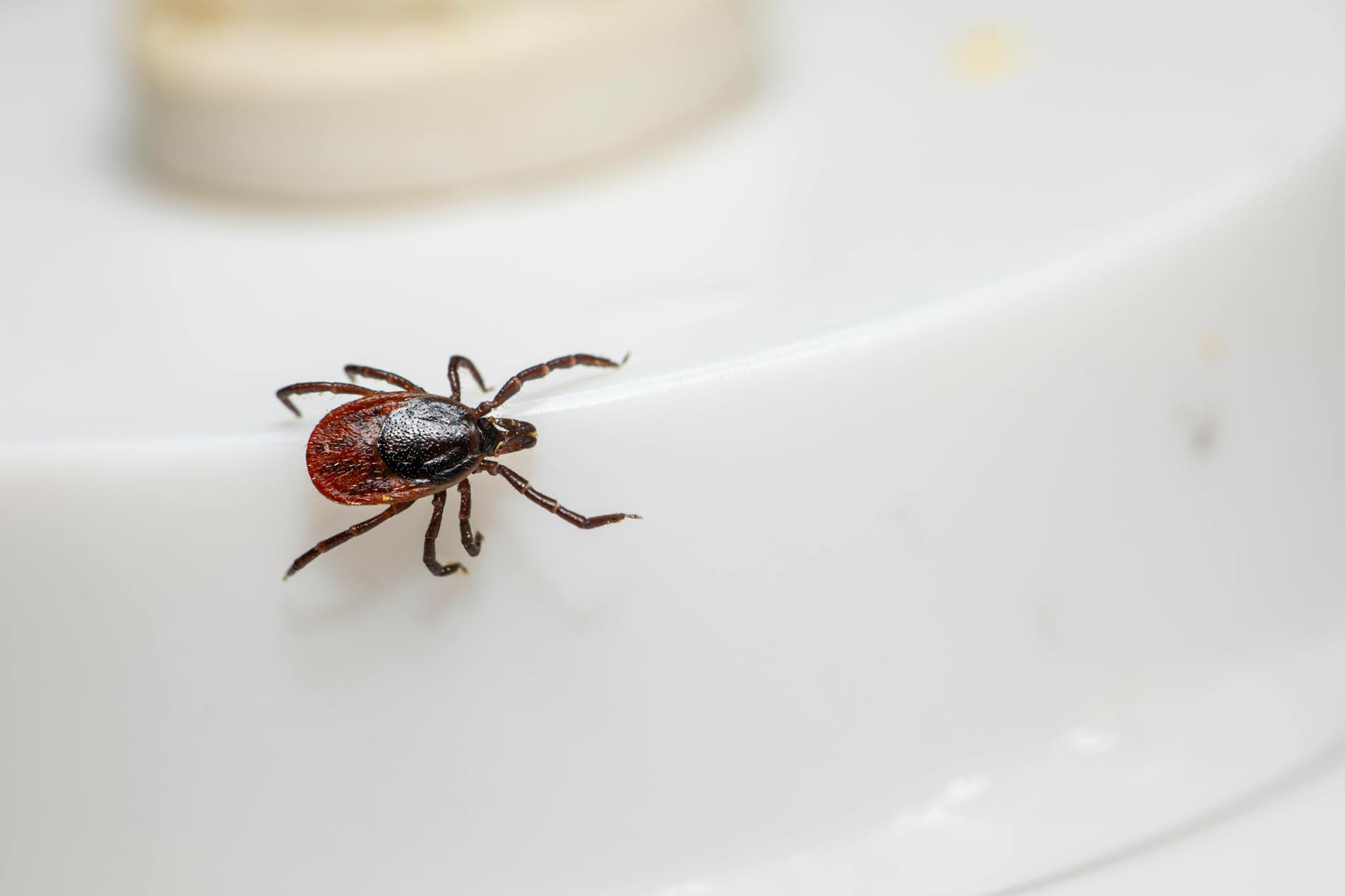
Parasites that can infect the gallbladder include:
- Ascaris lumbricoides (roundworm): These can migrate from the intestines, up the bile duct, and into the gallbladder.
- Clonorchis sinensis (Chinese liver fluke) and Opisthorchis viverrini (Southeast Asian liver fluke): These are acquired from eating raw or undercooked freshwater fish and can travel to the bile ducts and gallbladder.
- Giardia lamblia: Although primarily an intestinal parasite, Giardia can occasionally affect the biliary system.
These parasites often enter the body through contaminated food or water and then make their way to the gallbladder via the bile duct.
Common Symptoms of a Parasitic Gallbladder Infection
What are the symptoms of a parasite in the gallbladder? The symptoms can be varied and sometimes mimic other gallbladder conditions. Common signs include:
- Abdominal Pain: Often described as a dull ache or sharp pain in the upper right abdomen, which may radiate to the back or shoulder.
- Nausea and Vomiting: Feeling sick to the stomach and throwing up.
- Jaundice: Yellowing of the skin and whites of the eyes, caused by a buildup of bilirubin due to bile duct obstruction.
- Fever and Chills: Suggesting an infection.
- Loss of Appetite: Reduced desire to eat.
- Dark Urine: Urine may appear darker than usual.
- Clay-Colored Stools: Stools may appear pale or clay-colored, also indicative of bile duct obstruction.
- Weight Loss: Unexplained weight loss can occur due to malabsorption.
- Fatigue: Feeling tired and weak.
The severity and presence of these symptoms depend on the type and number of parasites present, as well as the individual’s overall health.
Diagnostic Methods: Identifying the Culprit
Diagnosing a parasitic gallbladder infection requires a multi-pronged approach. Doctors will typically use the following methods:
- Stool Examination: Identifying parasite eggs or larvae in stool samples. However, a negative stool test doesn’t rule out gallbladder involvement, as parasites may not be consistently shed in the stool.
- Blood Tests: Elevated white blood cell count and liver function tests can indicate an infection.
- Imaging Studies:
- Ultrasound: Can reveal thickening of the gallbladder wall, bile duct dilation, or the presence of parasites.
- CT Scan or MRI: Provides more detailed images of the gallbladder and surrounding structures.
- ERCP (Endoscopic Retrograde Cholangiopancreatography): A procedure where a thin, flexible tube with a camera is inserted through the mouth, esophagus, and stomach to visualize the bile ducts. It can also be used to collect bile samples for examination and to remove parasites or blockages.
Treatment Strategies: Eradicating the Parasites
Treatment for parasitic gallbladder infections typically involves antiparasitic medications. The specific medication used depends on the type of parasite identified. Common antiparasitic drugs include:
- Praziquantel: Effective against many types of flukes.
- Albendazole: Useful for treating roundworm infections.
- Metronidazole: Can be used for Giardia infections.
In some cases, surgical intervention may be necessary, especially if the parasites have caused significant blockage of the bile duct or gallbladder damage. Cholecystectomy (gallbladder removal) may be required.
Prevention: Minimizing Your Risk
Preventing parasitic gallbladder infections involves:
- Practicing Good Hygiene: Washing hands thoroughly with soap and water, especially before eating and after using the toilet.
- Cooking Food Thoroughly: Ensuring meat and fish are cooked to safe internal temperatures.
- Drinking Safe Water: Avoiding untreated water, especially in areas where parasitic infections are common. Consider boiling water or using a water filter.
- Avoiding Raw or Undercooked Freshwater Fish: This is a primary source of liver fluke infections.
Potential Complications: What Happens If Left Untreated
If left untreated, parasitic gallbladder infections can lead to serious complications, including:
- Cholangitis: Inflammation of the bile ducts, which can be life-threatening.
- Cholecystitis: Inflammation of the gallbladder.
- Biliary Obstruction: Blockage of the bile ducts, leading to jaundice and liver damage.
- Pancreatitis: Inflammation of the pancreas.
- Liver Abscess: A collection of pus in the liver.
- Sepsis: A life-threatening blood infection.
- Increased risk of certain cancers: Chronic infection with liver flukes increases the risk of cholangiocarcinoma (bile duct cancer).
Frequently Asked Questions (FAQs)
What are the symptoms of a parasite in the gallbladder, and are they always obvious?
The symptoms can range from mild discomfort to severe pain and jaundice, but they are not always obvious. Some people may experience only vague symptoms or no symptoms at all in the early stages, making diagnosis challenging. Early detection is key to preventing complications.
How can I tell the difference between gallbladder pain caused by gallstones and gallbladder pain caused by a parasite?
It can be difficult to differentiate between the two based solely on symptoms. Gallstone pain is often characterized by intense, sudden pain in the upper right abdomen, often after eating a fatty meal. Parasitic infections can cause a more chronic, dull ache or sharp pain, along with other symptoms like fever, fatigue, and weight loss. Diagnostic testing is essential for accurate differentiation.
Is it possible to have a parasitic gallbladder infection without any noticeable symptoms?
Yes, it is possible. Some individuals may harbor parasites in their gallbladder without experiencing any noticeable symptoms, particularly in the early stages of infection. This is why routine checkups and being aware of risk factors (such as travel to endemic areas or consumption of raw fish) are important.
Are certain people more at risk for developing a parasitic gallbladder infection?
Yes, certain populations are at higher risk. This includes people who:
- Live in or travel to areas where parasitic infections are common (e.g., Southeast Asia).
- Eat raw or undercooked freshwater fish.
- Have poor hygiene practices.
- Have compromised immune systems.
What types of imaging tests are most effective for diagnosing parasites in the gallbladder?
Ultrasound is often the first-line imaging test, but CT scans, MRIs, and ERCP can provide more detailed information and help identify the presence of parasites, inflammation, or blockages. ERCP is particularly useful for visualizing the bile ducts and collecting bile samples.
How are parasitic gallbladder infections typically treated?
The primary treatment is with antiparasitic medications, such as praziquantel, albendazole, or metronidazole, depending on the type of parasite identified. In some cases, surgery may be necessary to remove the gallbladder or clear blockages.
How long does it take to recover from a parasitic gallbladder infection after treatment?
Recovery time varies depending on the severity of the infection and the individual’s overall health. Most people respond well to antiparasitic medications within a few weeks, but complications such as cholangitis or liver damage may require longer treatment and recovery periods.
Can parasitic gallbladder infections be prevented naturally?
While there are no guaranteed natural prevention methods, practicing good hygiene, avoiding raw or undercooked freshwater fish, and drinking safe water can significantly reduce the risk. Boosting the immune system through a healthy diet and lifestyle may also help.
What are the long-term effects of having a parasitic gallbladder infection?
If left untreated, parasitic gallbladder infections can lead to chronic inflammation, liver damage, and an increased risk of bile duct cancer (cholangiocarcinoma). Early diagnosis and treatment are crucial to prevent these long-term complications.
Are there any alternative therapies for treating parasitic gallbladder infections?
There is no scientific evidence to support the use of alternative therapies as a replacement for conventional medical treatment for parasitic gallbladder infections. Always consult with a qualified healthcare professional before trying any alternative treatments.
How often should I get tested for parasites if I live in an area where they are common?
The frequency of testing depends on individual risk factors and exposure levels. Consult with your doctor to determine the appropriate testing schedule based on your specific circumstances. Regular checkups are particularly important for those at higher risk.
What are the symptoms of a parasite in the gallbladder? that should prompt immediate medical attention?
Severe abdominal pain, jaundice, high fever, dark urine, and clay-colored stools are symptoms that warrant immediate medical attention. These could indicate serious complications such as cholangitis or biliary obstruction, requiring prompt medical intervention.