
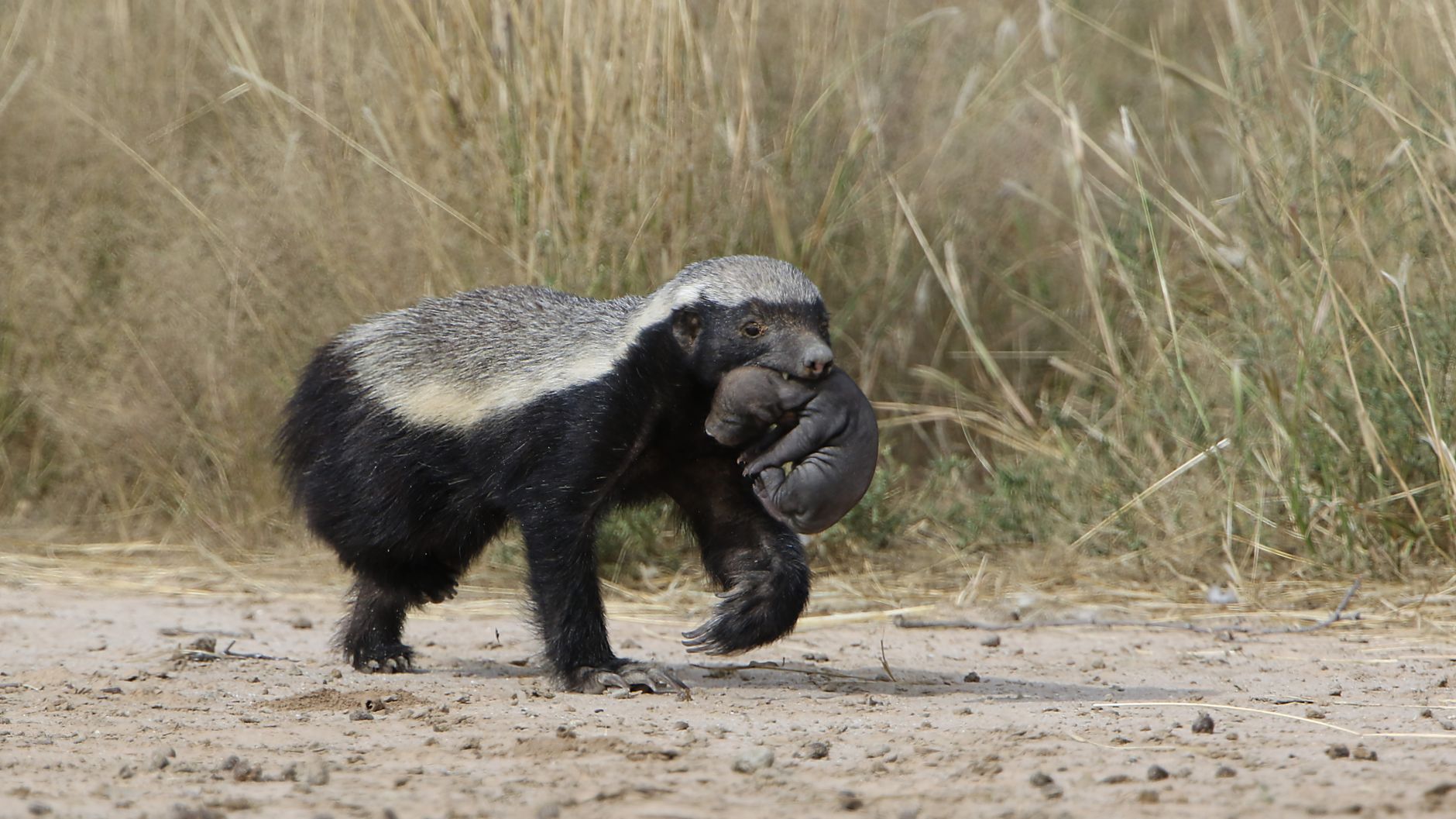
How Ferocious is the Honey Badger? Unveiling a Fearless Reputation
The honey badger’s reputation precedes it: these creatures are undeniably ferocious, exhibiting a level of aggression and tenacity that belies their size. Determining How ferocious is a honey badger? reveals an animal willing to confront predators and prey alike, earning its place as one of the most fearless and persistent creatures in the animal kingdom.

A Reputation Forged in Fearlessness
The honey badger, Mellivora capensis, also known as the ratel, is a member of the mustelid family, which includes weasels, otters, and badgers. Found across Africa and Asia, from savannas to rainforests, the honey badger has carved a niche for itself as an adaptable and, most importantly, unbelievably courageous predator. Its reputation for ferocity is not simply folklore; it’s based on observable behaviours and physiological adaptations that allow it to take on challenges that would deter other animals of similar size.

What colours are fish most attracted to?
Can you put your finger in a trout's mouth?
Is methylene blue anti bacterial?
Does aquarium salt raise pH in aquarium?
Understanding the Ferocity

What contributes to the honey badger’s fearsome reputation? It’s not just about aggression; it’s a combination of physical attributes, behavioral traits, and a seemingly inexhaustible supply of tenacity.
- Thick, Loose Skin: This is perhaps their most well-known defense. The honey badger’s skin is exceptionally thick and loose, allowing it to turn around within its own skin, even when held by a predator. This makes it difficult for predators to get a grip or inflict serious damage.
- Powerful Jaws and Sharp Teeth: Despite its relatively small size, the honey badger possesses strong jaws and sharp teeth capable of crushing bone and penetrating tough hides.
- Aggressive Temperament: Honey badgers are known for their fearless and aggressive nature. They are quick to defend themselves and their territory, and they are not afraid to take on animals much larger than themselves.
- Intelligence and Resourcefulness: They are clever and resourceful animals, capable of problem-solving and using tools to access food. This intelligence contributes to their hunting success and their ability to survive in challenging environments.
- Resistance to Venom: Honey badgers possess a degree of resistance to the venom of bees and snakes, a significant advantage in their environment. While not completely immune, their tolerance allows them to survive encounters that would be fatal to other animals.
The Honey Badger’s Hunting Style
The hunting style of the honey badger further demonstrates how ferocious is a honey badger. They are opportunistic predators, meaning they will eat almost anything they can get their paws on. Their diet includes insects, reptiles, small mammals, birds, eggs, and, of course, honey. Their methods are often direct and aggressive.
- Persistence: When hunting, a honey badger is incredibly persistent. They will tirelessly pursue their prey, even if it means digging through the earth or climbing trees.
- Fearless Confrontation: They will confront venomous snakes, scorpions, and even larger predators to secure a meal. This fearlessness is a key component of their ferocity.
- Opportunistic Feeding: They are known to raid beehives, enduring numerous stings to get to the honey. Their thick skin and venom resistance allow them to withstand the bees’ defenses.
Challenging Misconceptions
While the honey badger’s ferocity is well-documented, some misconceptions need to be addressed. They are not mindlessly aggressive; their actions are often driven by a need to defend themselves, their young, or their food. They are also not invincible; they can be killed by larger predators or suffer serious injuries. However, their determination to survive and their willingness to fight back often give them the upper hand. Determining How ferocious is a honey badger? requires weighing these factors.
Summary of Ferocity Indicators:
| Feature | Description | Contribution to Ferocity |
|---|---|---|
| Thick, Loose Skin | Protects against bites and allows for maneuverability during attacks. | High |
| Powerful Jaws | Can crush bones and inflict significant damage. | High |
| Venom Resistance | Allows them to hunt venomous prey and survive bee stings. | Medium |
| Aggressive Temperament | Fearless and quick to defend themselves. | High |
| Intelligence | Allows for problem-solving and resourcefulness in hunting and survival. | Medium |
| Persistence | Tirelessly pursue prey and do not give up easily. | High |
Frequently Asked Questions About Honey Badgers
What exactly makes a honey badger so tough?
The honey badger’s toughness stems from a combination of factors, including its thick, loose skin, powerful jaws, and aggressive temperament. The skin is particularly noteworthy, as it allows the badger to withstand bites and even twist around when grabbed by a predator.
Are honey badgers immune to snake venom?
They are not completely immune, but they possess a degree of resistance to the venom of some snakes. This resistance is not universal, and some snake venoms can still be harmful or even fatal to honey badgers, particularly those with a high dose.
Do honey badgers really eat honey?
Yes, honey badgers do eat honey, but it’s not their primary food source. They consume a wide range of foods, and honey is just one item on their menu. They are known for raiding beehives despite the stings they endure.
How big are honey badgers?
Honey badgers are relatively small animals. They typically measure between 22 to 28 inches in length (excluding the tail) and weigh between 15 to 30 pounds. Despite their size, they possess immense strength and ferocity.
Are honey badgers dangerous to humans?
Honey badgers can be dangerous to humans if provoked. They are known to attack if they feel threatened or if their young are in danger. It’s important to give them space and avoid approaching them.
What is the lifespan of a honey badger?
In the wild, honey badgers typically live for 7 to 10 years. In captivity, they can live for up to 24 years.
How do honey badgers defend themselves?
Honey badgers primarily defend themselves using their thick skin, powerful jaws, and aggressive behavior. They will also emit a foul-smelling odor from their anal glands to deter predators.
Where do honey badgers live?
Honey badgers are found across Africa and Asia. They inhabit a wide range of environments, including savannas, grasslands, forests, and even deserts.
What is the conservation status of honey badgers?
The honey badger is currently listed as Least Concern by the International Union for Conservation of Nature (IUCN). However, their populations are declining in some areas due to habitat loss and persecution by humans.
Do honey badgers live alone or in groups?
Honey badgers are typically solitary animals, except during mating season or when females are raising their young.
What do honey badgers eat besides honey?
Honey badgers have a highly varied diet that includes insects, rodents, birds, reptiles, and even carrion. They are opportunistic omnivores.
Are honey badgers intelligent?
Yes, honey badgers are considered intelligent animals. They have been observed using tools and problem-solving to access food. Their cunning contributes significantly to How ferocious is a honey badger?, as their intelligence enhances their ability to hunt and defend themselves.