
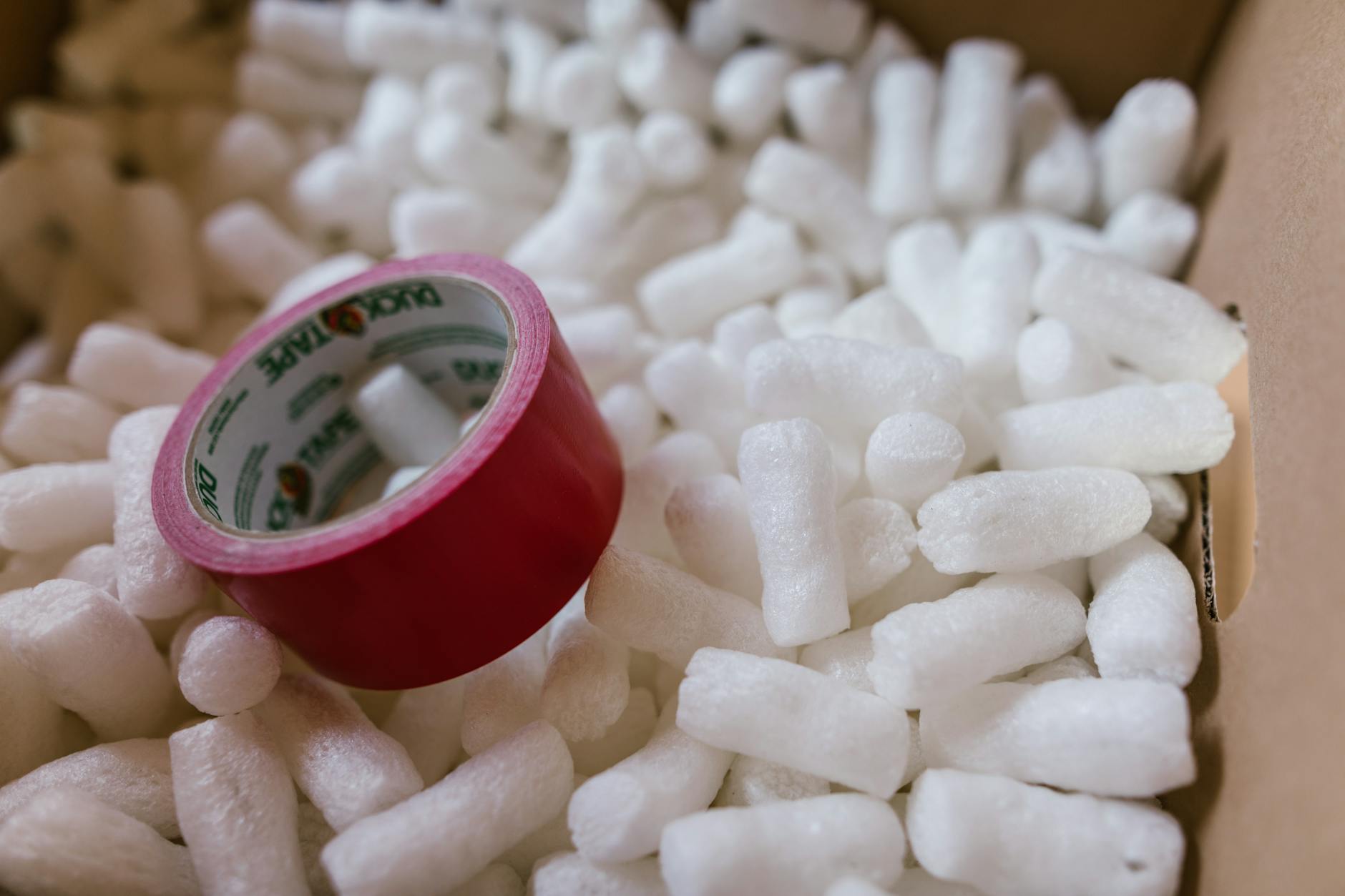
What Are the Cons of Packing Peanuts?
Packing peanuts, while seemingly convenient, have several drawbacks. These include their environmental impact, messiness, potential for static cling, and limited cushioning ability compared to modern alternatives.
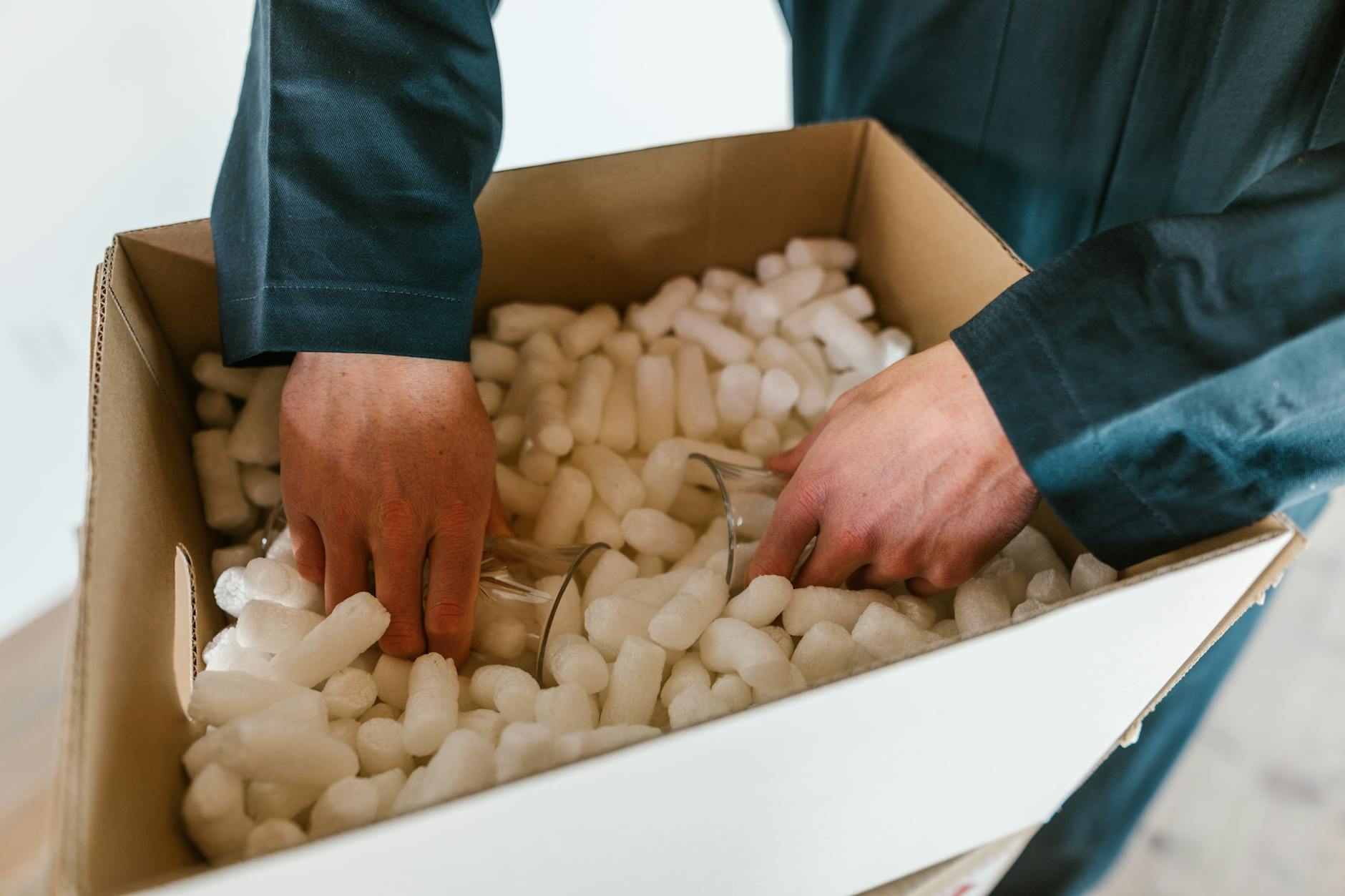
Introduction: The Ubiquitous Packing Peanut
Packing peanuts, also known as polystyrene foam peanuts or loose-fill packaging, have been a common sight in shipping boxes for decades. Their purpose is simple: to protect fragile items during transit by cushioning them against shocks and vibrations. However, what are the cons of packing peanuts that have led many businesses and individuals to seek alternative solutions? While seemingly inexpensive and lightweight, packing peanuts present several challenges ranging from environmental concerns to practical usability issues. This article will delve into these disadvantages, exploring the reasons why packing peanuts are increasingly being phased out in favor of more sustainable and effective packaging materials.
What colours are fish most attracted to?
Can you put your finger in a trout's mouth?
Is methylene blue anti bacterial?
Does aquarium salt raise pH in aquarium?
The Environmental Impact: A Sea of Plastic

One of the most significant criticisms leveled against packing peanuts is their environmental impact.
- Non-Biodegradability: Traditional polystyrene packing peanuts are made from expanded polystyrene (EPS), a plastic derived from petroleum. This material is not biodegradable, meaning it can persist in the environment for hundreds, if not thousands, of years.
- Pollution: The production and disposal of EPS contribute to pollution. Manufacturing processes can release harmful chemicals into the air and water. Landfills become inundated with these non-degradable materials.
- Recycling Challenges: While some recycling programs accept polystyrene, it is often difficult and expensive to recycle. Many facilities simply lack the capacity or technology to process it, leading to most EPS ending up in landfills.
- Marine Debris: Packing peanuts that escape into the environment can find their way into waterways and eventually the ocean, contributing to marine debris. Marine animals often mistake them for food, leading to ingestion and potentially fatal consequences.
The Practical Drawbacks: Mess, Static, and Cushioning
Beyond environmental concerns, packing peanuts also present several practical disadvantages for users.
- Messiness: Packing peanuts are notoriously messy. They tend to scatter easily, creating a frustrating cleanup challenge. Their lightweight nature makes them susceptible to drafts, allowing them to blow around and spread throughout a workspace.
- Static Cling: Polystyrene packing peanuts are prone to static electricity. This can cause them to cling to surfaces, clothing, and the packaged items themselves, further exacerbating the mess.
- Inconsistent Cushioning: While packing peanuts provide some cushioning, their effectiveness is variable. They can compress under heavier items, leaving vulnerable areas unprotected. This inconsistent cushioning can lead to damage during shipping.
- Storage Issues: Packing peanuts take up a significant amount of storage space. Businesses that use them regularly need to dedicate considerable room to storing these bulky materials.
Cost Considerations: Beyond the Initial Price
While packing peanuts may appear to be a cheap packaging solution, the overall cost can be higher than it seems.
- Volume Required: Because of their inconsistent cushioning, a large volume of packing peanuts is often needed to adequately protect items. This can increase the overall cost of packaging materials.
- Disposal Costs: Depending on local regulations, there may be costs associated with disposing of packing peanuts, especially for businesses that generate large quantities of waste.
- Potential for Damage Claims: Inadequate cushioning can lead to damage during shipping, resulting in costly returns and damage claims.
- Labor Costs: The messiness and time required to pack and unpack items with packing peanuts can increase labor costs.
Alternatives to Packing Peanuts: A Greener Future
Fortunately, several eco-friendly and effective alternatives to packing peanuts are available.
- Biodegradable Packing Peanuts: Made from cornstarch or other renewable resources, these peanuts decompose naturally in water or compost.
- Recycled Paper: Shredded or crumpled paper provides excellent cushioning and is easily recyclable.
- Bubble Wrap (Recycled): Using bubble wrap made from recycled materials can reduce the environmental impact.
- Air Pillows: Air pillows are lightweight, inflatable cushions that provide excellent protection and take up minimal storage space.
- Molded Pulp: Molded pulp is made from recycled paper and can be customized to fit specific items, providing superior protection and reducing the need for loose-fill packaging.
Table: Comparing Packaging Options
| Feature | Packing Peanuts (EPS) | Biodegradable Packing Peanuts | Recycled Paper | Air Pillows | Molded Pulp |
|---|---|---|---|---|---|
| Environmental Impact | High | Low | Medium | Low | Low |
| Cushioning | Medium | Medium | Medium | High | High |
| Messiness | High | Medium | Medium | Low | Low |
| Cost | Low | Medium | Low | Medium | Medium |
| Storage | High | High | Medium | Low | Medium |
Why Are Biodegradable Packing Peanuts Not Always the Best Choice?
Even though biodegradable packing peanuts are a better option than polystyrene, they aren’t perfect. They can be more expensive, and require specific conditions to properly decompose. If improperly stored, they may also attract pests or moisture.
Conclusion: Rethinking Packaging
What are the cons of packing peanuts? As we’ve explored, the cons extend far beyond a simple inconvenience. The environmental impact, practical drawbacks, and hidden costs associated with packing peanuts make them a less desirable option compared to more sustainable and effective alternatives. By embracing these alternatives, businesses and individuals can reduce their environmental footprint, improve the packaging process, and ensure the safe arrival of their goods.
Frequently Asked Questions (FAQs)
Are all packing peanuts bad for the environment?
No, not all packing peanuts are equally harmful. Traditional polystyrene peanuts are the worst offenders, as they are non-biodegradable. Biodegradable packing peanuts made from cornstarch or other renewable resources are a much better choice, as they decompose naturally.
How can I tell if my packing peanuts are biodegradable?
Biodegradable packing peanuts typically have a distinctive, starchy smell. You can also try dissolving a few in water. Biodegradable peanuts will dissolve readily, while polystyrene peanuts will not. Also, check the packaging for labeling that indicates biodegradability.
Can I reuse packing peanuts?
Yes, reusing packing peanuts is a great way to reduce waste. If you receive a package containing packing peanuts, save them for future use. You can also donate them to local shipping stores or packaging companies.
Are there any health risks associated with packing peanuts?
Polystyrene packing peanuts are generally considered safe for handling, but some people may be sensitive to the dust or chemicals released during manufacturing. Biodegradable packing peanuts are considered even safer.
Are air pillows better than packing peanuts?
Air pillows often offer better cushioning than packing peanuts, especially for heavier items. They are also lighter, cleaner, and take up less storage space. However, they may be more expensive than packing peanuts.
What is the best way to dispose of packing peanuts?
The best way to dispose of packing peanuts depends on the type and your local regulations. Polystyrene peanuts should be taken to a recycling facility that accepts EPS. Biodegradable peanuts can be composted or dissolved in water.
Why do packing peanuts cling to everything?
The clinging is due to static electricity. Polystyrene is prone to static buildup, which attracts dust, particles, and other surfaces. Using an anti-static spray can help reduce this issue.
How much do biodegradable packing peanuts cost compared to polystyrene?
Biodegradable packing peanuts are typically more expensive than polystyrene, but the price difference is decreasing as demand for sustainable packaging increases. The environmental benefits often outweigh the higher cost.
Are there any regulations regarding the use of packing peanuts?
Some municipalities have regulations regarding the disposal of polystyrene foam products, including packing peanuts. It’s best to check with your local waste management authority to determine the specific requirements in your area.
What are the advantages of using recycled paper as packing material?
Recycled paper is a sustainable and readily available option. It provides good cushioning, is easily recyclable, and is relatively inexpensive. It’s also a good alternative for those seeking a plastic-free packaging solution.
How effective are packing peanuts in protecting fragile items?
Packing peanuts can be effective, but their performance depends on the size and weight of the item being shipped. They are best suited for lighter items that are not particularly fragile. Heavier or more delicate items may require more robust packaging solutions.
Where can I buy biodegradable packing peanuts?
Biodegradable packing peanuts are available from many online retailers, packaging supply stores, and some big-box stores. Look for products that are certified compostable to ensure they meet environmental standards.