

How Can We Stop Extinction? A Global Imperative
Stopping extinction requires a multifaceted approach, combining habitat preservation, aggressive conservation efforts, and a fundamental shift in human behavior toward a more sustainable relationship with the natural world to ensure species survival and ecosystem health. We must act now.

The Looming Shadow of Extinction: A Stark Reality
Extinction, the complete disappearance of a species from Earth, is a natural process. However, the current rate of extinction is far exceeding the background rate, driven primarily by human activities. This sixth mass extinction event threatens the delicate balance of ecosystems and the future of our planet. Losing biodiversity weakens ecosystems, making them less resilient to climate change and other environmental stresses, ultimately impacting human well-being. Addressing how can we stop extinction? is not just about saving individual species; it’s about safeguarding the entire web of life.

Is distilled water good for goldfish?
What colours are fish most attracted to?
Can you put your finger in a trout's mouth?
Is methylene blue anti bacterial?
The Primary Drivers of Extinction
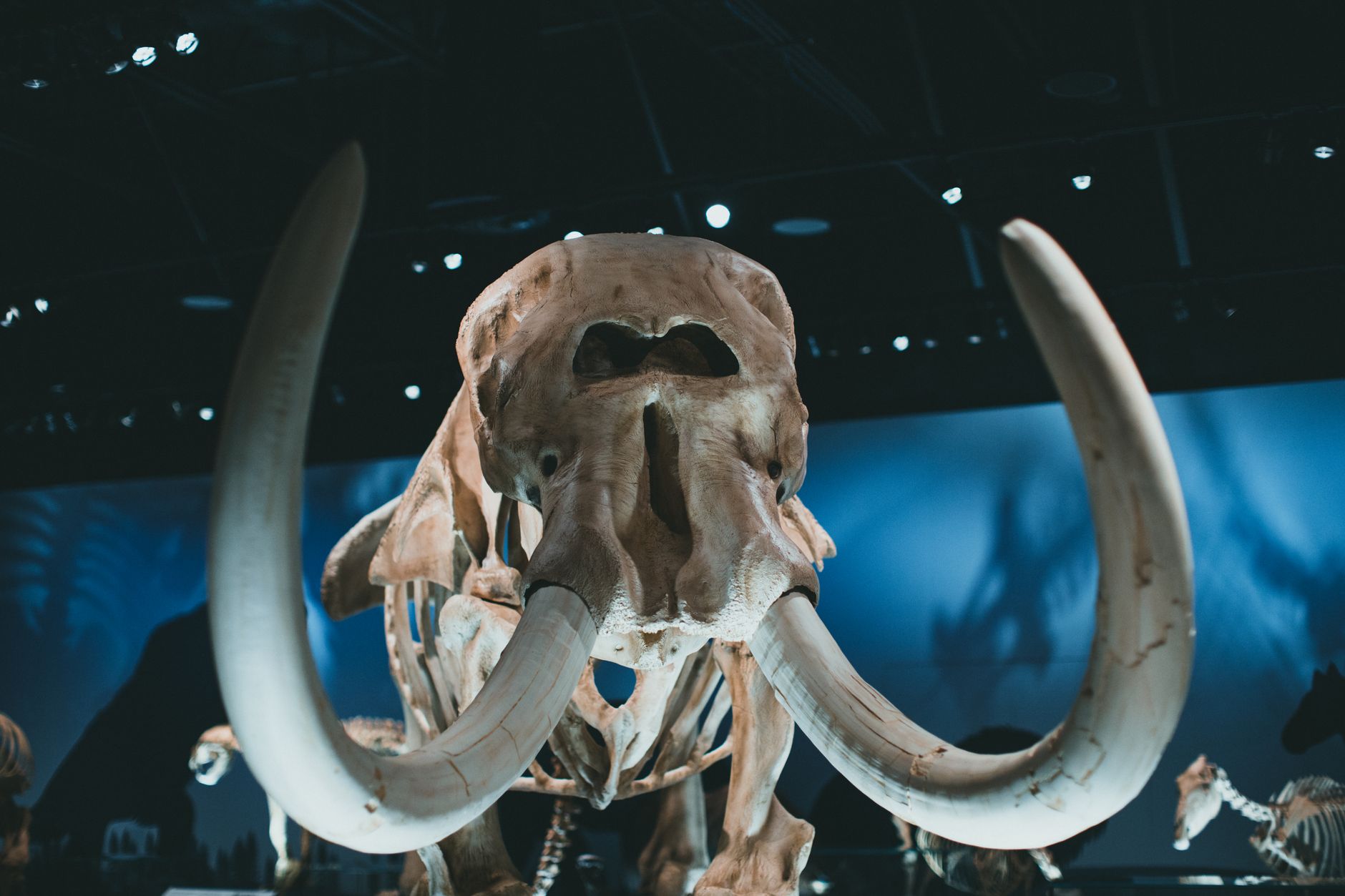
Understanding the causes of extinction is crucial for devising effective solutions. Several interconnected factors contribute to the current crisis:
- Habitat Loss and Degradation: Deforestation, urbanization, agriculture, and mining destroy and fragment habitats, leaving species with nowhere to live and reproduce.
- Climate Change: Rising temperatures, altered precipitation patterns, and increased frequency of extreme weather events disrupt ecosystems and force species to adapt or perish.
- Pollution: Chemical pollutants, plastics, and other forms of pollution contaminate air, water, and soil, harming wildlife and disrupting food chains.
- Overexploitation: Unsustainable hunting, fishing, and harvesting of resources deplete populations and drive species to extinction.
- Invasive Species: Non-native species can outcompete native species for resources, introduce diseases, and alter ecosystems, leading to declines in native populations.
A Multifaceted Approach: Strategies for Survival
How can we stop extinction? It requires a comprehensive and coordinated approach involving governments, organizations, and individuals. Here are some key strategies:
- Habitat Protection and Restoration:
- Establishing and expanding protected areas, such as national parks and wildlife reserves.
- Restoring degraded habitats, such as forests, wetlands, and coral reefs.
- Implementing sustainable land-use practices that minimize habitat loss and fragmentation.
- Climate Change Mitigation and Adaptation:
- Reducing greenhouse gas emissions through renewable energy, energy efficiency, and sustainable transportation.
- Helping species adapt to climate change through habitat connectivity, assisted migration, and other strategies.
- Pollution Reduction:
- Reducing the use of pesticides, fertilizers, and other harmful chemicals.
- Improving waste management and recycling practices.
- Cleaning up polluted sites.
- Sustainable Resource Management:
- Regulating hunting, fishing, and harvesting to ensure sustainable populations.
- Combating illegal wildlife trade.
- Promoting sustainable agriculture and forestry practices.
- Invasive Species Control:
- Preventing the introduction of invasive species through strict biosecurity measures.
- Controlling or eradicating established invasive species.
- Conservation Breeding and Reintroduction Programs:
- Breeding endangered species in captivity and releasing them back into the wild.
- Translocating species to new habitats to establish new populations.
- Raising Awareness and Education:
- Educating the public about the importance of biodiversity and the threats facing wildlife.
- Promoting responsible environmental behavior.
- Engaging communities in conservation efforts.
The Role of Technology and Innovation
Technology plays an increasingly important role in conservation efforts. Drones, satellite imagery, and artificial intelligence can be used to monitor wildlife populations, track illegal activities, and analyze environmental data. Advanced genetic techniques can help conserve genetic diversity and manage endangered populations.
The Importance of Collaboration and Funding
Effective conservation requires collaboration among governments, organizations, scientists, and local communities. Adequate funding is also essential to support research, conservation programs, and law enforcement efforts. International agreements and treaties are crucial for addressing transboundary environmental issues.
The Power of Individual Action: Making a Difference
Even individual actions can make a significant contribution to preventing extinction. Here are some ways to get involved:
- Reduce your carbon footprint by using less energy, driving less, and eating sustainably.
- Support conservation organizations and initiatives.
- Make informed consumer choices by buying products from sustainable sources.
- Advocate for policies that protect wildlife and the environment.
- Educate yourself and others about the importance of biodiversity.
Frequently Asked Questions (FAQs)
What is the difference between endangered and threatened species?
Endangered species are those at high risk of extinction in the near future, while threatened species are likely to become endangered in the foreseeable future. Both classifications highlight species needing immediate conservation attention.
Why is biodiversity important?
Biodiversity is essential for the health and stability of ecosystems, providing vital services such as pollination, water purification, and climate regulation. A diverse ecosystem is also more resilient to environmental changes.
What is habitat fragmentation and why is it a problem?
Habitat fragmentation occurs when large, continuous habitats are broken up into smaller, isolated patches. This prevents species from moving, finding mates, and accessing resources, leading to population declines.
How does climate change affect extinction rates?
Climate change disrupts ecosystems by altering temperature and precipitation patterns. Many species are unable to adapt quickly enough to these changes, leading to increased extinction risk.
What is the role of zoos in conservation?
Zoos can play a crucial role in conservation by participating in captive breeding programs, conducting research, and educating the public about endangered species. Ethical considerations, however, are vital.
What is the IUCN Red List?
The IUCN Red List is the world’s most comprehensive inventory of the global conservation status of biological species. It uses a set of criteria to evaluate the extinction risk of thousands of species and subspecies.
How can sustainable agriculture help prevent extinction?
Sustainable agricultural practices, such as crop rotation, integrated pest management, and reduced tillage, minimize environmental impacts and promote biodiversity. Avoiding deforestation for agriculture is also critical.
What are some examples of successful conservation stories?
Several species have been brought back from the brink of extinction through dedicated conservation efforts. Examples include the California Condor, the Arabian Oryx, and the Black-Footed Ferret, illustrating the power of targeted interventions.
What is the impact of plastic pollution on wildlife?
Plastic pollution poses a significant threat to wildlife through entanglement, ingestion, and habitat contamination. Reducing plastic consumption and improving waste management are crucial for protecting wildlife.
How does overfishing contribute to extinction?
Overfishing depletes fish populations, disrupting marine ecosystems and endangering marine species. Sustainable fishing practices and marine protected areas are essential for preventing overfishing.
What are some international agreements aimed at protecting biodiversity?
Key international agreements include the Convention on Biological Diversity (CBD), the Convention on International Trade in Endangered Species (CITES), and the Ramsar Convention on Wetlands. These agreements promote international cooperation in conservation.
How can individuals contribute to scientific research on extinction?
Individuals can contribute through citizen science programs, reporting wildlife sightings, and supporting research institutions. Even small contributions can help scientists gather valuable data.
How can we stop extinction? This requires a collective effort across all levels of society. By acting now, we can create a more sustainable future for both humans and wildlife.