

What Are The Characteristics of Coralline Algae? Unveiling the Secrets of Marine Architects
Coralline algae are a diverse group of red algae distinguished by their hard, calcium carbonate cell walls, a characteristic that allows them to play a crucial role in marine ecosystems. They contribute to reef building, stabilize substrates, and provide habitat for numerous marine organisms.
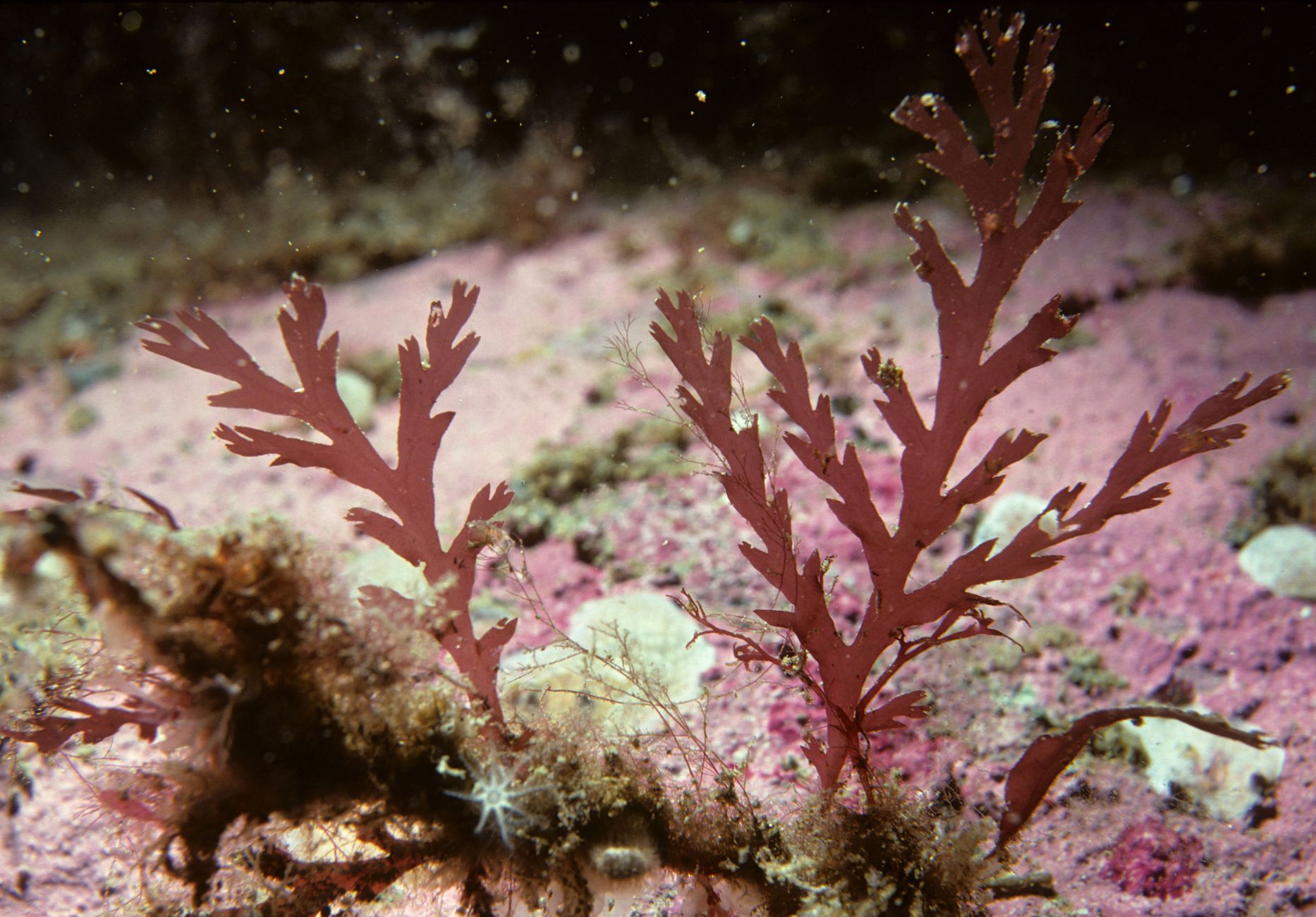
Introduction to Coralline Algae
Coralline algae, members of the Rhodophyta phylum, are not just pretty faces on the seabed; they are ecosystem engineers. These unassuming organisms possess a remarkable ability to deposit calcium carbonate within their cell walls, creating a hard, rock-like structure. This calcification process is the defining characteristic of coralline algae and sets them apart from other algal groups. This ability impacts the stability of the reef, protecting from wave erosion and maintaining a habitat for other sea life. Understanding the properties of these algae is increasingly important as our coral reefs face challenges from climate change.

What colours are fish most attracted to?
Can you put your finger in a trout's mouth?
Is methylene blue anti bacterial?
Does aquarium salt raise pH in aquarium?
Morphology and Anatomy

The appearance of coralline algae varies widely, ranging from thin, crustose forms that adhere tightly to rocks (encrusting coralline algae or ECA) to branched, upright structures resembling miniature coral. Regardless of their external form, all coralline algae share a common anatomical feature: a cell wall impregnated with calcium carbonate.
- Crustose Forms: These grow in thin layers, often appearing as pink or reddish patches on rocks and shells.
- Branched Forms: These form upright, branching structures, adding to the complexity of reef habitats.
- Articulated Forms: These are comprised of calcified segments connected by uncalcified joints, allowing for flexibility.
The internal structure is also significant. Coralline algae have specialized cells called meristematic cells that are responsible for growth. These cells divide and differentiate to form the various tissues of the alga, including the epithallial cells on the surface and the perithallial cells that make up the bulk of the thallus.
Ecological Importance
The ecological role of coralline algae is far-reaching and fundamental to the health of marine environments. They serve several critical functions:
- Reef Building: They contribute significantly to the construction and maintenance of coral reefs. Their calcified skeletons provide a stable substrate for coral settlement and growth.
- Habitat Provision: The complex structures formed by coralline algae create diverse habitats for a wide variety of marine organisms, including fish, invertebrates, and other algae.
- Substrate Stabilization: By encrusting loose sediments, coralline algae help to stabilize the seafloor and prevent erosion.
- Inducer of Coral Larval Settlement: Certain species produce chemical cues that attract and induce the settlement of coral larvae, aiding in reef recovery.
Physiology and Calcification
The calcification process is central to understanding coralline algae. It involves the precipitation of calcium carbonate within the cell walls. While the exact mechanisms are still being researched, it is believed to involve active transport of calcium and carbonate ions into the cell walls.
Factors affecting calcification include:
- Light: Calcification is generally enhanced by light, as photosynthesis provides energy for the process.
- Temperature: Calcification rates are typically higher at warmer temperatures, within optimal ranges for the species.
- pH: The pH of the surrounding water can influence calcification, with lower pH (more acidic) potentially inhibiting the process.
- Nutrient Availability: Nutrient levels can also affect calcification, with excess nutrients sometimes leading to algal overgrowth and competition.
Sensitivity to Environmental Change
Like many marine organisms, coralline algae are vulnerable to environmental changes, particularly ocean acidification and warming.
- Ocean Acidification: As atmospheric carbon dioxide increases, the ocean absorbs more CO2, leading to a decrease in pH. This makes it more difficult for coralline algae to calcify, potentially weakening their skeletons and making them more susceptible to erosion.
- Ocean Warming: Elevated temperatures can stress coralline algae, leading to reduced growth and calcification rates, and increased susceptibility to disease.
- Pollution: Nutrient pollution and other forms of pollution can also negatively impact coralline algae by promoting the growth of competing algae.
What are the characteristics of coralline algae? – Research and Conservation Efforts
Given their ecological importance and vulnerability, research and conservation efforts focused on coralline algae are vital. These efforts include:
- Monitoring: Tracking the abundance and health of coralline algae populations to assess the impacts of environmental change.
- Research: Investigating the physiological mechanisms of calcification and the response of coralline algae to various stressors.
- Conservation: Implementing measures to protect coralline algae habitats, such as reducing pollution and managing fishing activities.
- Restoration: Developing techniques to restore degraded coralline algae habitats, such as transplanting healthy individuals to damaged areas.
Frequently Asked Questions
What makes coralline algae red even though they aren’t always red in color?
Coralline algae belong to the red algae (Rhodophyta) phylum. This is determined by the presence of pigments, such as phycoerythrin, that absorb blue light and reflect red light. While some coralline algae appear pink or reddish due to these pigments, others can appear purple, white, or even greenish, depending on the specific pigment composition and light conditions.
How do coralline algae reproduce?
Coralline algae can reproduce both sexually and asexually. Asexual reproduction can occur through fragmentation, where pieces of the algae break off and grow into new individuals. Sexual reproduction involves the production of spores, which are released into the water column and settle to form new algae. The reproductive cycle is complex and can vary depending on the species.
Are all red algae coralline algae?
No, not all red algae are coralline algae. Coralline algae are a specific group within the red algae phylum that are characterized by their calcified cell walls. While many red algae have calcium carbonate in their cell walls, only those that deposit it in a significant and structural way are considered coralline.
How can I identify different types of coralline algae?
Identifying coralline algae can be challenging as their morphology can be quite variable. However, certain characteristics can be helpful. Look at the shape (crustose vs. branched), color, and texture. Microscopic examination of cell structure and reproductive structures is often necessary for accurate identification. Specialized taxonomic keys and guides are available for specific regions.
What is the difference between encrusting and articulated coralline algae?
Encrusting coralline algae (ECA) grow as a thin, tightly adhered layer over rocks and other surfaces. They are usually very hard and provide a strong substrate for other organisms. Articulated coralline algae, on the other hand, are composed of calcified segments connected by flexible joints. This allows them to move with the water current, a characteristic not found in ECA.
Why are coralline algae important for coral reef restoration?
Coralline algae play a critical role in coral reef restoration. They provide a suitable substrate for coral larvae to settle on. Certain species of coralline algae also release chemical cues that attract and induce coral larvae to settle, significantly enhancing reef recovery.
What are the main threats to coralline algae?
The main threats to coralline algae include ocean acidification, ocean warming, pollution, and destructive fishing practices. Ocean acidification reduces their ability to calcify, while ocean warming can stress them and make them more susceptible to disease. Pollution and destructive fishing practices can damage their habitats and disrupt their growth.
Can coralline algae grow in aquariums?
Yes, coralline algae can grow in aquariums, especially in reef tanks. They require sufficient light, appropriate water chemistry (calcium, alkalinity, magnesium), and stable temperatures. Providing these conditions can encourage their growth, adding to the aesthetic appeal and ecological function of the aquarium.
How do I get rid of coralline algae in my aquarium if it is growing where I don’t want it?
While many aquarists value coralline algae, sometimes it can grow in unwanted areas. Manual scraping with a razor blade or algae scraper is often the most effective method. Maintaining proper water chemistry can also help control their growth. Some invertebrates, such as certain snails and urchins, can also graze on coralline algae.
Are there any commercial uses for coralline algae?
Yes, coralline algae have some commercial uses. They are used in soil conditioning due to their high calcium carbonate content. They are also used in aquaculture as a source of calcium and other nutrients for rearing marine organisms. Additionally, they have potential applications in biomedical research due to their unique properties.
How does ocean acidification affect the calcification process in coralline algae?
Ocean acidification reduces the availability of carbonate ions in seawater. Carbonate ions are essential for the calcification process, as they are used to form calcium carbonate. As the ocean becomes more acidic, coralline algae find it more difficult to extract these ions from the water, which slows down or inhibits their calcification, weakening their structure.
Where can I find coralline algae?
Coralline algae are found in marine environments worldwide, from tropical coral reefs to temperate rocky shores. They are particularly abundant in shallow, well-lit areas. You can often find them encrusting rocks, shells, and other surfaces, as well as forming part of the reef structure. Their distribution and abundance can vary depending on local environmental conditions.