
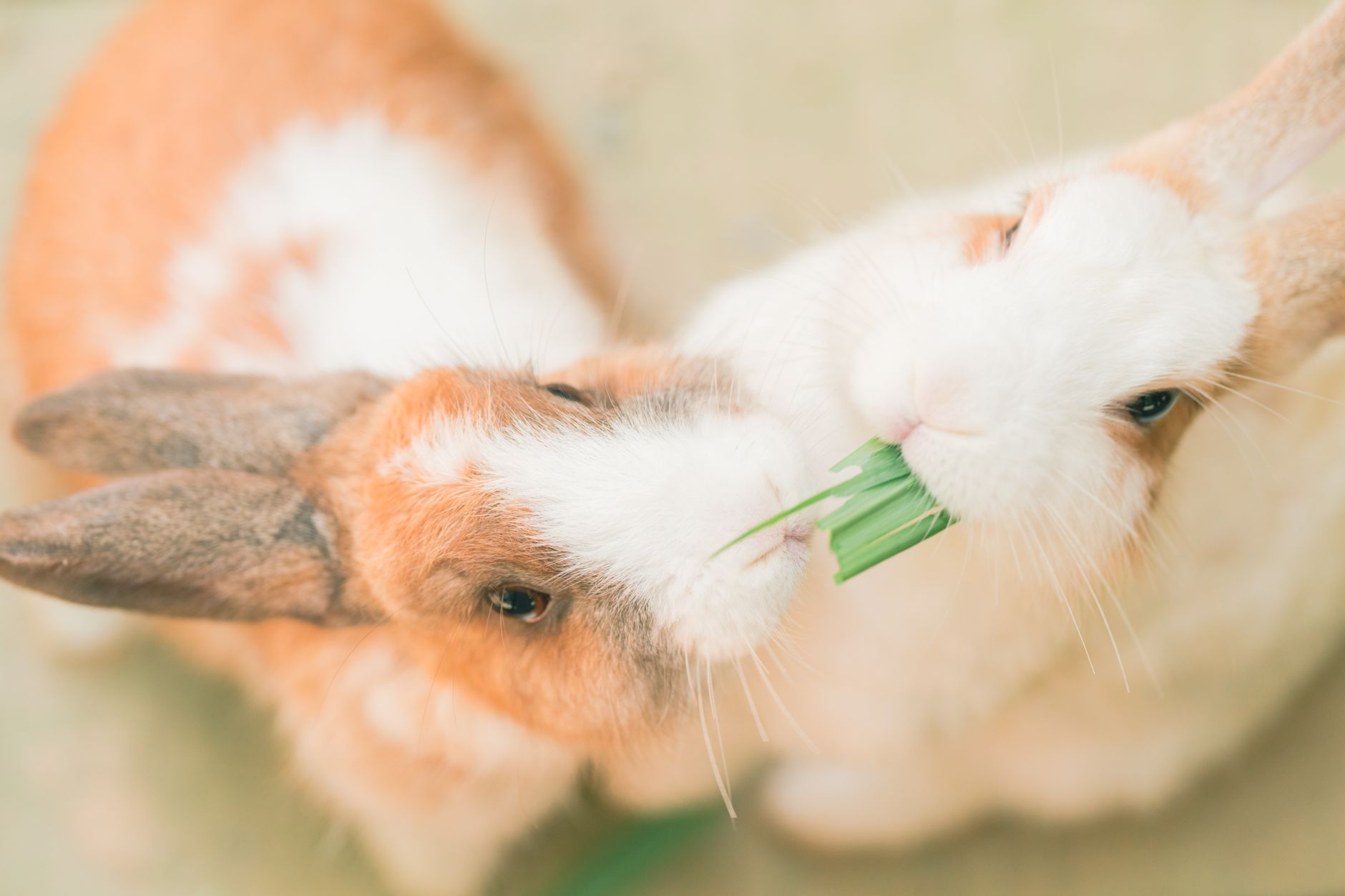
Can Rabbits Eat Ritz Crackers? A Risky Nibble Explained
No, rabbits should not eat Ritz crackers. These crackers are highly processed, high in salt, sugar, and unhealthy fats, and offer absolutely no nutritional benefit to rabbits, potentially causing serious health problems.

Understanding a Rabbit’s Dietary Needs
Rabbits have a highly specialized digestive system designed for processing high-fiber plant matter. Their diet primarily consists of hay (at least 80%), followed by fresh leafy greens (about 10-15%) and a small amount of high-quality rabbit pellets (around 5%). Treats should be minimal and consist of healthy options like small pieces of fruit or vegetables. Can rabbits eat Ritz crackers? The answer, unequivocally, is no, because Ritz crackers fall far outside this healthy dietary framework.
What is the GREY African clawed frog?
Is distilled water good for goldfish?
What colours are fish most attracted to?
Can you put your finger in a trout's mouth?
Why Ritz Crackers Are Harmful to Rabbits
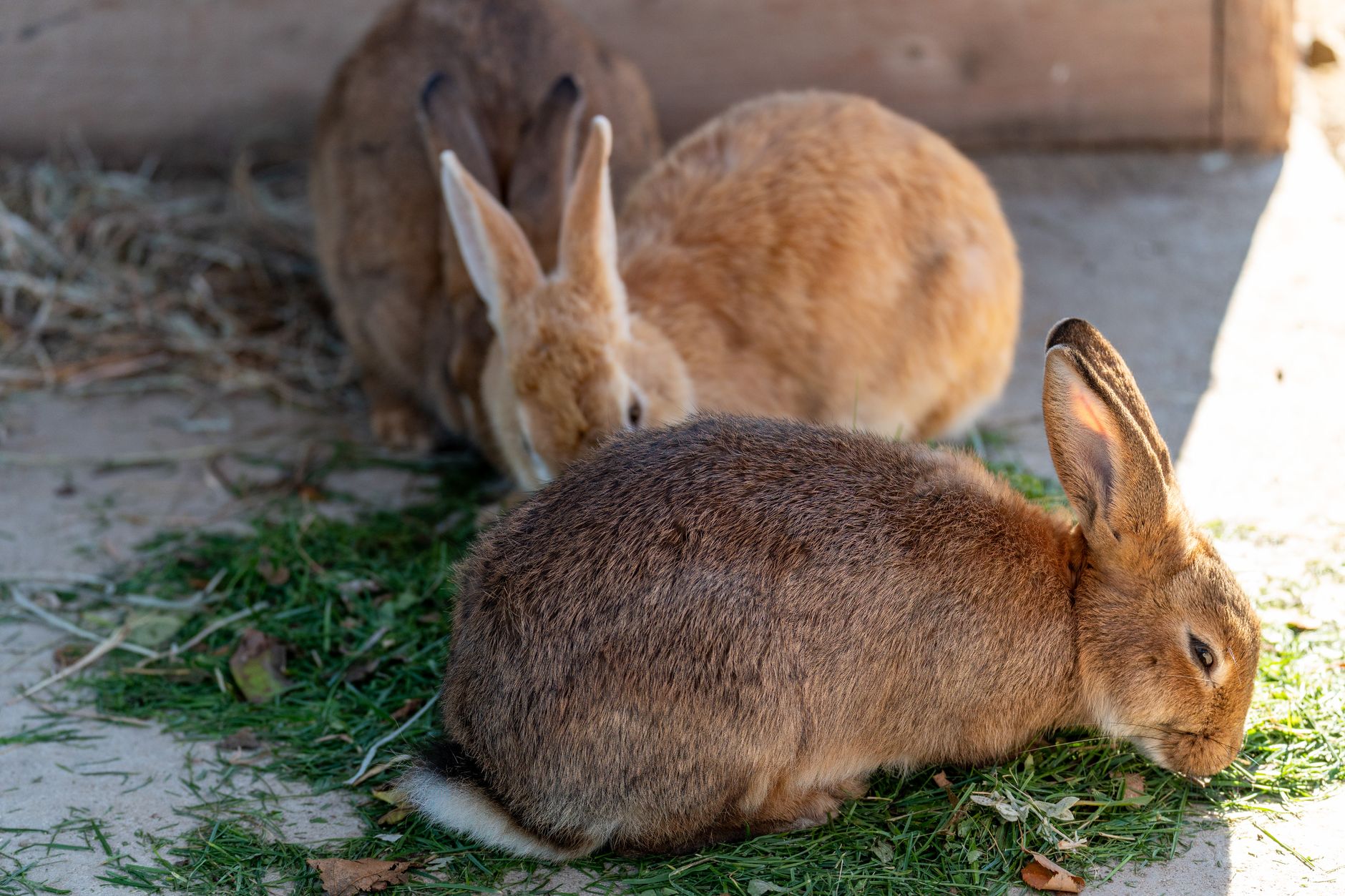
Ritz crackers are a far cry from the nutritious greens and hay that constitute a rabbit’s natural diet. Several factors make them particularly dangerous:
- High Sugar Content: Rabbits have a limited ability to process sugar. Excess sugar can lead to digestive upset, including gas, bloating, and even potentially fatal conditions like GI stasis (gut slowdown or stoppage).
- High Salt Content: A rabbit’s kidneys are not designed to process large amounts of salt. Excess sodium can lead to dehydration and place undue stress on their organs.
- High Fat Content: Ritz crackers are loaded with unhealthy fats. These fats can contribute to weight gain, obesity, and associated health problems such as liver disease and heart complications.
- Lack of Fiber: Fiber is crucial for a rabbit’s digestive health. Ritz crackers contain virtually no fiber, further disrupting the delicate balance of their gut flora.
- Processed Ingredients: Ritz crackers contain numerous artificial ingredients, preservatives, and additives that are unnecessary and potentially harmful to rabbits.
The Risk of GI Stasis
GI stasis is a serious and potentially life-threatening condition in rabbits. It occurs when the digestive system slows down or stops completely. The high sugar, fat, and low fiber content of foods like Ritz crackers greatly increase the risk of GI stasis. The symptoms of GI stasis include:
- Loss of appetite
- Decreased fecal production
- Lethargy
- Abdominal bloating
- Teeth grinding (a sign of pain)
If you suspect your rabbit has GI stasis, seek immediate veterinary care.
Alternatives to Ritz Crackers for Rabbit Treats
Rather than offering harmful snacks like Ritz crackers, opt for healthy alternatives that provide nutritional benefits:
- Timothy Hay: A constant supply of fresh timothy hay should always be available.
- Leafy Greens: Offer a variety of safe leafy greens, such as romaine lettuce, kale, cilantro, parsley, and dandelion greens.
- Small Pieces of Fruit: Offer small pieces of fruit like apple (without seeds), banana, or berries as occasional treats. Remember moderation is key.
- Vegetables: Carrot tops, bell peppers (without seeds), and cucumber are also suitable treats.
Accidental Ingestion: What to Do
If your rabbit accidentally consumes a small piece of Ritz cracker, don’t panic immediately. Monitor your rabbit closely for any signs of digestive upset, such as:
- Changes in appetite
- Altered fecal production (diarrhea or lack of feces)
- Bloating
- Lethargy
If you observe any of these symptoms, contact your veterinarian immediately. For larger ingestions, prompt veterinary attention is crucial to prevent serious complications.
Comparing Ritz Crackers to Healthy Rabbit Treats
The table below illustrates the dramatic difference in nutritional value between Ritz crackers and appropriate rabbit treats:
| Nutrient | Ritz Crackers (per serving) | Romaine Lettuce (per serving) | Timothy Hay (per serving) |
|---|---|---|---|
| Fiber | Less than 1g | 1g | 15-20g |
| Sugar | 1g | 1g | 2-3g |
| Fat | 3g | 0g | 1-2g |
| Sodium | 105mg | 14mg | 20-30mg |
| Nutritional Value | Very Low | Moderate | High |
Frequently Asked Questions (FAQs)
Can rabbits eat Ritz crackers if it’s just a tiny piece?
Even a tiny piece of Ritz cracker offers absolutely no nutritional value and still poses the risks associated with high sugar, salt, and fat content. It’s best to avoid giving them any at all. Prevention is always the best approach to maintain your rabbit’s health.
What if my rabbit seems to like Ritz crackers?
Rabbits often enjoy the taste of sugary and salty foods because they are novel and stimulating. However, just because they like it doesn’t mean it’s good for them. Think of it like a child wanting to eat candy all day—it’s your responsibility to provide healthy and appropriate options for their well-being.
Are there any crackers that are safe for rabbits?
Generally, all commercially produced crackers are unsuitable for rabbits. Even “healthier” crackers often contain ingredients that are problematic for their digestive systems. Stick to natural, unprocessed foods. Avoid crackers altogether.
What are the best treats to give my rabbit?
The best treats for rabbits are small portions of fresh fruits and vegetables, such as apple slices (without seeds), berries, banana, carrot tops, bell pepper, cucumber, romaine lettuce, kale, cilantro, parsley, and dandelion greens. Always introduce new foods gradually.
What happens if my rabbit eats too many sugary treats?
Excessive sugar intake can lead to digestive upset, obesity, dental problems, and increased susceptibility to infections. The gut flora is very sensitive to dietary changes. Consistent intake of high-sugar foods will permanently damage the rabbits gut, ultimately decreasing their quality of life.
How much should I feed my rabbit?
A rabbit’s diet should consist primarily of hay (80%), followed by fresh leafy greens (10-15%), and a small amount of high-quality rabbit pellets (around 5%). Treats should only be offered in very small amounts and infrequently.
Why is fiber so important for rabbits?
Fiber is essential for maintaining a healthy digestive system. It promotes gut motility, helps prevent GI stasis, and supports the growth of beneficial bacteria in the gut. Hay is the primary source of fiber for rabbits.
What should I do if my rabbit stops eating?
Loss of appetite is a serious symptom that can indicate a variety of health problems. If your rabbit stops eating, seek veterinary care immediately.
How can I tell if my rabbit is bloated?
A bloated rabbit will have a distended abdomen, appear uncomfortable, and may exhibit signs of pain such as teeth grinding or a hunched posture. Bloating is often associated with GI stasis.
What are the signs of dehydration in rabbits?
Signs of dehydration include lethargy, sunken eyes, and dry, sticky gums. Dehydration can be caused by excessive salt intake. Ensure your rabbit always has access to fresh, clean water.
Is it okay to give my rabbit human food in general?
Most human foods are not suitable for rabbits. They often contain ingredients that are toxic or harmful to rabbits. Stick to foods that are specifically designed for rabbits or are known to be safe for them.
Where can I find more information about rabbit nutrition?
Consult with your veterinarian for personalized advice on your rabbit’s diet. You can also find reliable information on reputable websites such as the House Rabbit Society (rabbit.org).