
What are the Big 4 Animals in Different Contexts?
The “big four” animal concept refers to different sets of animals depending on the context. In African wildlife tourism, the term commonly refers to the lion, leopard, elephant, and rhino – animals historically sought after by big-game hunters, and now sought after for wildlife viewing. In the context of certain mythologies or conservation efforts, different “big four” groupings exist.

The “Big Four” of African Wildlife Tourism
The most widely recognized use of the term “What are the big 4 animals?” pertains to wildlife tourism, particularly in Africa. This refers to the lion, leopard, elephant, and rhino. Initially, the term emerged from big-game hunting, denoting the most challenging and dangerous animals to hunt on foot. Today, thankfully, the focus has shifted to conservation and ecotourism, with visitors eager to observe these majestic creatures in their natural habitats.
- Lion (Panthera leo): The apex predator, known for its social structure and powerful roar.
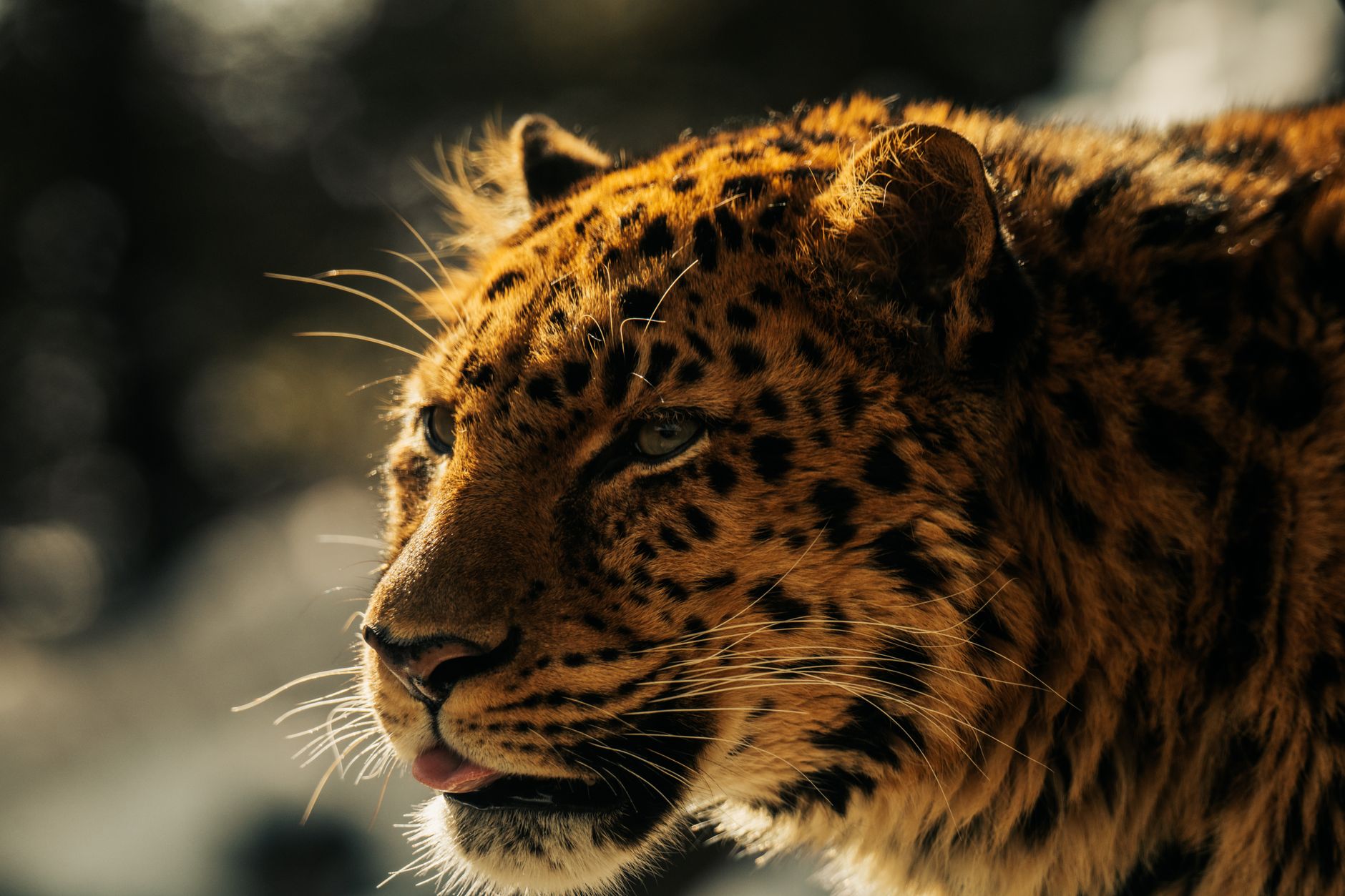
- Leopard (Panthera pardus): Elusive and adaptable, known for its distinctive spotted coat and arboreal lifestyle.
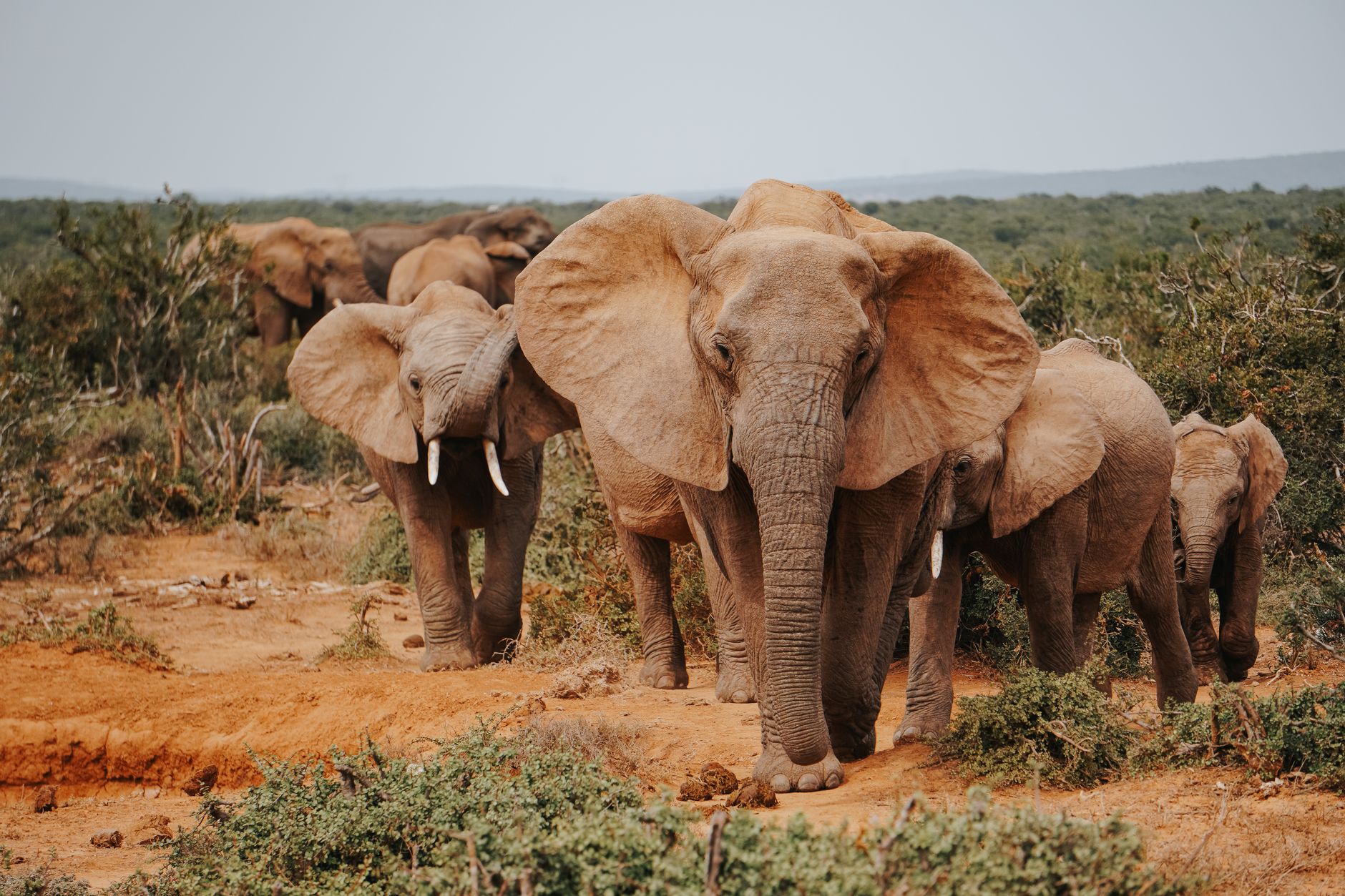
- Elephant (Loxodonta africana): The largest land animal, known for its intelligence, social complexity, and ecological role.
- Rhino (Diceros bicornis & Ceratotherium simum): Critically endangered due to poaching, known for its unique horn and herbivorous diet.
The allure of seeing these animals remains a significant driver of tourism to African countries with rich biodiversity.

What colours are fish most attracted to?
Can you put your finger in a trout's mouth?
Is methylene blue anti bacterial?
Does aquarium salt raise pH in aquarium?
Historical Context and Evolution of the Term
The phrase “What are the big 4 animals?” has a dark origin, stemming from the thrill and challenge experienced by hunters seeking to bag these prestigious animals. The term reflected not only their physical size and power but also the risks involved in hunting them. Over time, as awareness of conservation issues grew, the focus shifted from hunting to protection. The term “big four” gained a new, more conservation-oriented meaning. Eco-tourism embraced the term as a way of promoting wildlife viewing and raising awareness about the importance of protecting these magnificent species.
Beyond Africa: Other “Big Four” Concepts
While the African “big four” is the most common association, it’s important to acknowledge that other contexts use similar classifications. For example:
- Big Four Game Animals (North America): In some circles, this might include the elk, deer, bear, and wild turkey. The specific species can vary depending on the region.
- Mythological/Symbolic Big Fours: Various cultures ascribe special significance to certain animals, creating “big four” groupings based on spiritual or symbolic relevance. For instance, the Four Auspicious Beasts in Chinese culture.
Therefore, when considering the question “What are the big 4 animals?“, context is crucial.
Threats and Conservation Efforts
Sadly, the popularity of the African “big four” also contributes to the threats they face. Poaching for ivory and rhino horn, habitat loss due to human encroachment, and climate change all pose significant risks to their survival. Many organizations are working tirelessly to protect these animals through:
- Anti-poaching patrols: Protecting animals from illegal hunting.
- Habitat preservation: Protecting and restoring their natural environments.
- Community engagement: Involving local communities in conservation efforts.
- Sustainable tourism: Promoting responsible tourism practices that benefit both the animals and local communities.
- Education and awareness: Raising awareness about the importance of conservation.
The Economic Impact of Wildlife Tourism
Wildlife tourism based on the “big four,” among other iconic species, contributes significantly to the economies of many African countries. It generates revenue through:
- Park entrance fees: Revenue collected from visitors entering national parks and reserves.
- Accommodation: Spending at lodges, hotels, and campsites.
- Tour operators: Fees paid to tour companies for safaris and guided tours.
- Local crafts and souvenirs: Purchases made from local artisans and vendors.
This revenue can be used to fund conservation efforts and support local communities, creating a positive feedback loop. However, it’s crucial to ensure that tourism is managed sustainably to minimize its environmental impact and maximize its benefits for local people.
Viewing Etiquette and Sustainable Practices
To ensure the long-term survival of the “big four” and their habitats, it’s important to practice responsible tourism. This includes:
- Maintaining a safe distance from animals: Avoid disturbing or stressing them.
- Avoiding feeding animals: This can alter their natural behavior and make them dependent on humans.
- Choosing tour operators that follow sustainable practices: Look for companies that are committed to conservation and community development.
- Respecting local customs and traditions: Be mindful of the culture and beliefs of local communities.
- Reducing your environmental footprint: Conserve water and energy, and avoid using single-use plastics.
By practicing responsible tourism, visitors can help ensure that future generations will be able to enjoy these incredible animals.
| Factor | Sustainable Tourism | Unsustainable Tourism |
|---|---|---|
| Impact on Wildlife | Minimizes disturbance, supports conservation | Disrupts behavior, contributes to habitat loss |
| Economic Benefits | Benefits local communities, funds conservation | Profits primarily external entities |
| Environmental Impact | Reduces pollution, conserves resources | Contributes to pollution, depletes resources |
| Cultural Sensitivity | Respects local traditions, promotes understanding | Exploits culture, disregards local values |
Frequently Asked Questions (FAQs)
What defines an animal as one of the “big four”?
The definition is largely historical and geographical. In the African context, it initially referred to the most dangerous and challenging animals to hunt on foot. Now, it primarily refers to the most iconic and sought-after animals for wildlife viewing.
Are the “big four” the only endangered animals in Africa?
No, many other species in Africa face significant threats. The “big four” are particularly vulnerable due to poaching and habitat loss, but numerous other animals and plants are also endangered or threatened.
Is there a “big five”? If so, what is it?
Yes, the “big five” adds the African buffalo to the list. It’s a common extension of the “big four” concept in African wildlife tourism.
Do all African countries have the “big four”?
While many African countries have populations of these animals, the abundance and accessibility vary. Countries like Botswana, Tanzania, Kenya, and South Africa are particularly known for their “big four” populations.
What are the biggest threats to the “big four” in Africa?
The biggest threats include poaching for ivory and rhino horn, habitat loss due to agricultural expansion and deforestation, and human-wildlife conflict. Climate change is also an increasing threat.
How can I ensure my safari is ethical and sustainable?
Choose tour operators that are committed to conservation and community development. Look for certifications like Fair Trade Tourism and ask about their environmental practices. Avoid contributing to any activities that exploit animals or harm their habitats.
What role do local communities play in protecting the “big four”?
Local communities are crucial for the long-term success of conservation efforts. They can act as custodians of the land, participate in anti-poaching patrols, and benefit from tourism revenue, creating an incentive to protect wildlife.
Are there alternative “big four” or “big five” lists in other regions?
Yes, as mentioned earlier, some regions have their own “big” game animal lists. In North America, for example, the elk, deer, bear, wild turkey or bighorn sheep are sometimes included. The specific species depend on regional hunting and conservation interests.
What is the economic value of the “big four” to African economies?
The “big four” generate significant revenue through tourism. This includes park fees, accommodation, tour operator fees, and spending on local crafts and souvenirs. This revenue can be used to fund conservation efforts and support local communities.
How is climate change affecting the “big four”?
Climate change is altering habitats, reducing water availability, and increasing the frequency of droughts and floods, all of which can negatively impact the survival of the “big four”. Changes in vegetation patterns also affect their food sources.
What conservation organizations are working to protect the “big four”?
Numerous organizations are working to protect the “big four,” including the World Wildlife Fund (WWF), the African Wildlife Foundation (AWF), and Save the Rhinos International. You can support their efforts through donations, volunteering, or raising awareness.
What should I do if I encounter the “big four” in the wild?
The most important thing is to maintain a safe distance and follow the instructions of your guide. Avoid making sudden movements or loud noises, and never try to approach or feed the animals. Respect their space and observe them from afar.