

Can a Coyote Outpace a Wolf? Speed Showdown in the Wild
While both are skilled runners, Can a coyote run faster than a wolf? Yes, typically, a coyote can achieve a higher top speed than a wolf, though this difference is complex and depends on factors beyond just peak velocity.

Introduction: The Speed Demons of North America
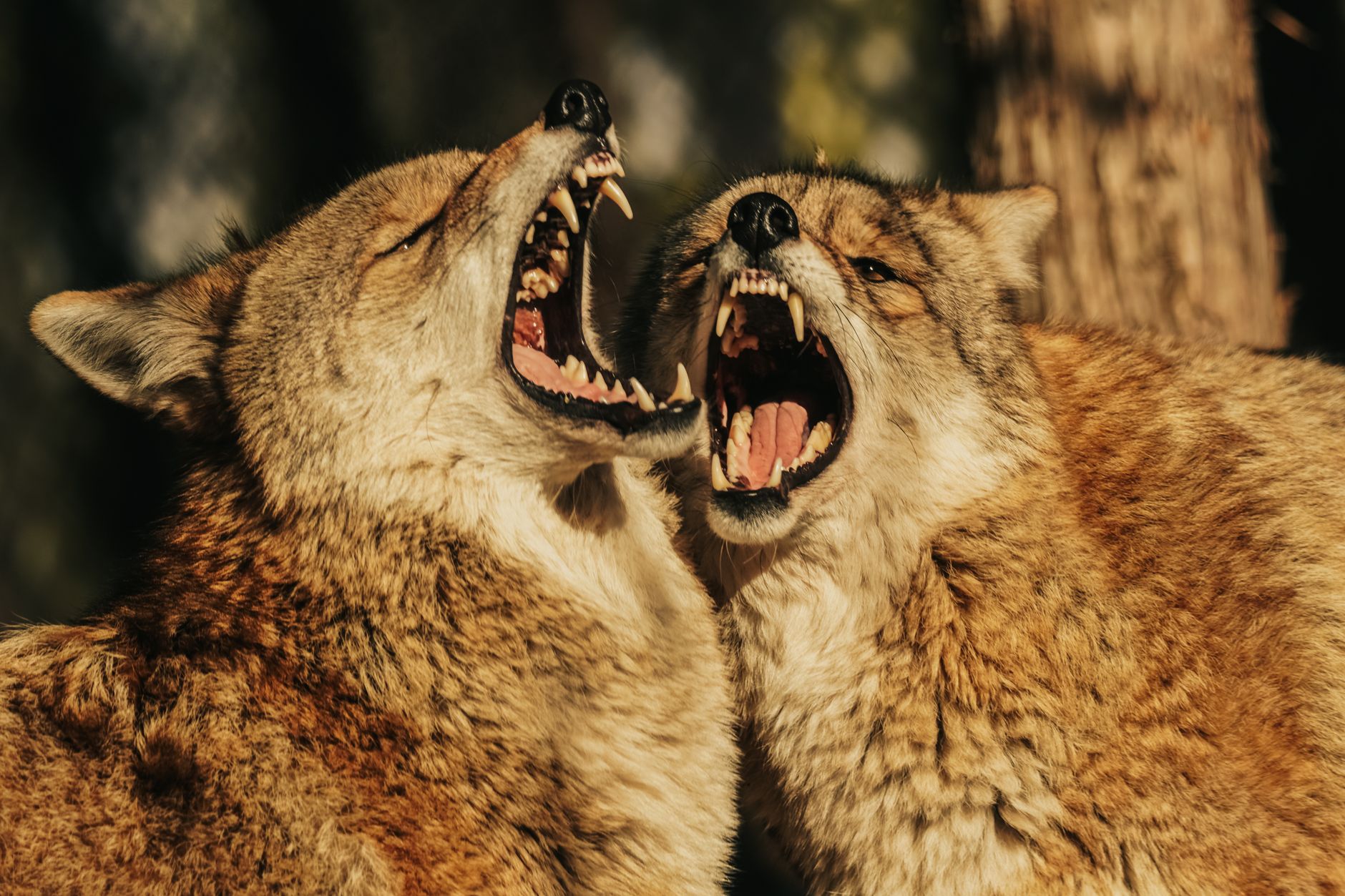
The wild landscapes of North America echo with the howls and yips of two iconic canids: the coyote ( Canis latrans) and the wolf (Canis lupus). Often sharing similar habitats, these creatures have evolved different hunting strategies and physical adaptations, leading to fascinating differences in their athletic abilities. A common question arises: Can a coyote run faster than a wolf? While both are capable runners, the answer isn’t as straightforward as it seems. Let’s delve into the factors that determine their speed and agility.
What colours are fish most attracted to?
Can you put your finger in a trout's mouth?
Is methylene blue anti bacterial?
Does aquarium salt raise pH in aquarium?
Anatomy and Physiology: Built for Speed

Understanding the physical attributes of coyotes and wolves is crucial for understanding their running capabilities.
-
Coyote Anatomy: Coyotes are built for endurance and agility. They possess a leaner physique, longer legs relative to their body size, and a more flexible spine compared to wolves. This design allows them to navigate uneven terrain with ease and achieve bursts of speed. Their weight typically ranges from 20 to 50 pounds.
-
Wolf Anatomy: Wolves are larger and more powerfully built, designed for strength and sustained chases of larger prey. Their heavier build and muscular physique support their endurance in prolonged hunts. Wolves typically weigh between 60 and 175 pounds.
This table summarizes the key differences:
| Feature | Coyote | Wolf |
|---|---|---|
| Size | Smaller, leaner | Larger, more muscular |
| Weight | 20-50 pounds | 60-175 pounds |
| Leg Length | Longer relative to body size | Shorter relative to body size |
| Spine Flexibility | More flexible | Less flexible |
Running Style and Top Speeds
When discussing “Can a coyote run faster than a wolf?”, it is essential to consider running style.
-
Coyote Running Style: Coyotes are known for their bursts of speed and agility. They can reach top speeds of up to 43 miles per hour in short sprints. Their flexible spine allows for quick turns and maneuvers, making them adept at hunting smaller, faster prey.
-
Wolf Running Style: Wolves excel at endurance running. While their top speed is slightly lower, typically around 36-38 miles per hour, they can maintain a steady pace for much longer distances. This stamina is crucial for chasing down large ungulates like deer and elk.
Factors Influencing Speed
Several factors can affect both coyote and wolf speeds:
- Terrain: Both animals’ speeds are affected by the terrain. Rough or uneven terrain slows down both species, but the agility of a coyote can give it an edge.
- Age and Health: Young or injured animals, regardless of species, will be slower. A healthy adult is naturally at its peak performance.
- Motivation: A coyote fleeing a predator or chasing prey will likely run faster than one simply traversing its territory. Similarly, a wolf pack pursuing a large elk will exhibit remarkable endurance.
When Does Speed Matter? Hunting Strategies
The difference in running styles reflects their respective hunting strategies:
-
Coyote Hunting: Coyotes often hunt alone or in small family groups, targeting smaller prey such as rabbits, rodents, and birds. Their burst speed and agility are invaluable for ambushing these quick-moving animals.
-
Wolf Hunting: Wolves typically hunt in packs, targeting large ungulates like deer, elk, and moose. Their strategy relies on coordinated teamwork and endurance to wear down their prey over long distances.
Can a Coyote Run Faster Than a Wolf? A Final Answer
While wolves have the advantage of stamina and power for prolonged chases, the answer to “Can a coyote run faster than a wolf?” is generally yes, at least in short bursts. The coyote’s leaner build and more flexible spine give it a higher top speed, which is advantageous in its typical hunting scenarios. However, in a long-distance pursuit, the wolf’s superior endurance would likely prove decisive. The question is less about which can run faster, but more about which is built to run fastest for specific purposes.
Frequently Asked Questions (FAQs)
What is the average lifespan of a coyote in the wild?
Coyotes in the wild typically live between 6 and 14 years. However, many do not survive their first year due to predation, disease, or starvation. Human activities, such as hunting and vehicle collisions, also contribute to their mortality rates.
How far can a coyote travel in a single day?
A coyote can travel considerable distances in a single day. On average, they might cover 5 to 20 miles, but this depends on the availability of food, territory size, and the presence of rivals or mates.
Do coyotes and wolves ever interbreed?
Yes, coyotes and wolves can interbreed, producing hybrids sometimes referred to as “coywolves.” This is more common in areas where wolf populations are declining, as coyotes may fill the void and interact with the remaining wolves. The offspring often exhibit characteristics of both species.
What is the main diet of a wolf?
Wolves are primarily carnivores and their main diet consists of large ungulates like deer, elk, moose, and caribou. They also prey on smaller animals such as beavers and rabbits when larger prey is scarce.
How does a wolf pack typically hunt?
Wolf packs utilize a cooperative hunting strategy. They work together to surround and pursue their prey, using their endurance to wear down the target animal. They often target the weakest or most vulnerable members of the herd.
Are coyotes dangerous to humans?
Coyotes are generally wary of humans and avoid direct contact. However, they can become habituated to human presence if they are frequently fed or encounter readily available food sources. In rare instances, coyotes may exhibit aggressive behavior, especially during breeding season or when protecting their young.
What is the ecological role of the coyote?
Coyotes play an important role in maintaining the balance of ecosystems. They help control populations of rodents and other small animals, preventing overgrazing and promoting biodiversity. They also scavenge carcasses, contributing to nutrient cycling.
How can I protect my pets from coyotes?
To protect your pets from coyotes, keep them indoors, especially at night. If you must let them outside, keep them on a leash and supervise them closely. Secure your garbage cans to prevent coyotes from being attracted to your property. Also, avoid leaving pet food outside.
What are the main threats to wolf populations?
Wolf populations face several threats, including habitat loss, hunting, trapping, and human-wildlife conflict. Persecution by humans, often due to livestock depredation, remains a significant challenge to wolf conservation.
How do coyotes communicate with each other?
Coyotes communicate using a variety of methods, including vocalizations, body language, and scent marking. Their vocalizations include howls, yips, barks, and growls, each serving a different purpose, such as territorial defense, mate attraction, or alarm signals.
Are wolves pack animals or solitary hunters?
Wolves are primarily pack animals, living and hunting in tightly knit social groups. However, solitary wolves do exist, either due to dispersing from their natal pack or being forced out. Solitary wolves typically target smaller prey or scavenge.
What are the key differences in the habitats of coyotes and wolves?
While both coyotes and wolves can inhabit a variety of environments, they have different habitat preferences. Wolves typically prefer large, undisturbed wilderness areas with abundant prey. Coyotes, on the other hand, are more adaptable and can thrive in a wider range of habitats, including urban and suburban areas. This adaptability contributes to their broader distribution across North America.