
What Are Ductless Air Conditioners?

Ductless air conditioners, also known as mini-split systems, provide targeted cooling and heating without the need for extensive ductwork. They consist of an outdoor compressor/condenser unit connected to one or more indoor air-handling units, offering a flexible and energy-efficient solution for individual rooms or zones.
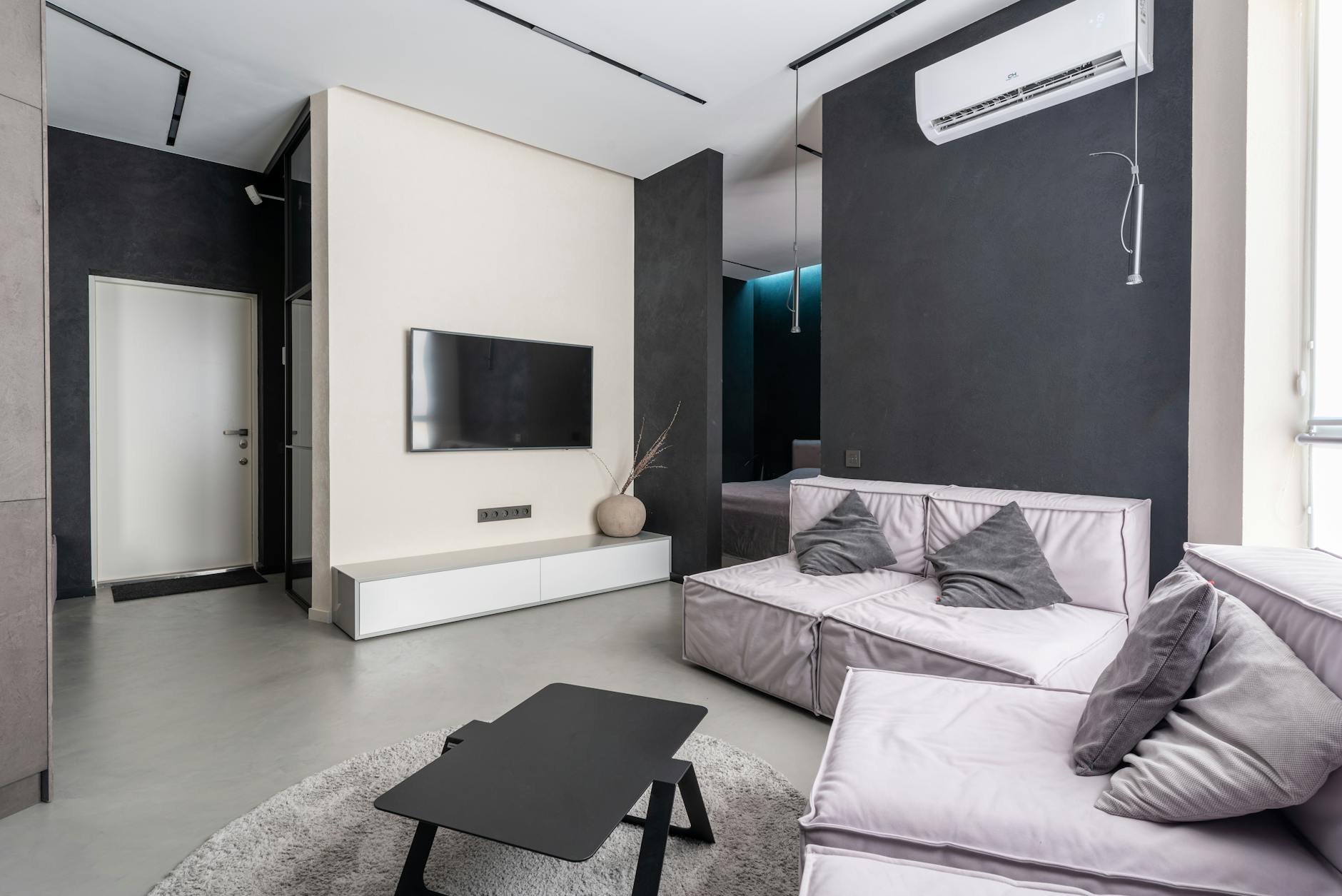
Understanding Ductless Technology
Ductless air conditioners offer a compelling alternative to traditional central air conditioning, particularly in situations where ductwork is impractical or non-existent. Imagine the charm of a historic home, untouched by modern duct systems, or a sunroom addition where extending existing ductwork is simply too costly. This is where the beauty of ductless shines. They are also ideal for supplemental cooling in areas that struggle to reach the desired temperature with a central system. Understanding how these systems operate and their potential benefits is crucial for homeowners and building managers seeking effective climate control solutions.
Key Components of a Ductless System
A typical ductless system comprises two main components:
- Outdoor Unit (Compressor/Condenser): This unit is installed outside the building and houses the compressor, condenser coil, and fan. It’s responsible for extracting heat from the indoor air during cooling and releasing it outside. During heating, the process is reversed.
- Indoor Unit (Air Handler): Mounted on the wall or ceiling inside the room being conditioned, the air handler contains the evaporator coil, fan, and air filters. It circulates cool or warm air into the room. Refrigerant lines and electrical wiring connect the indoor and outdoor units through a small hole in the wall, typically only 3 inches in diameter.
Benefits of Ductless Air Conditioners
Ductless systems offer several advantages over traditional air conditioning:
- Energy Efficiency: Ductless systems are often more energy-efficient than ducted systems because they don’t suffer from duct leakage, which can waste significant energy. Many models boast high SEER (Seasonal Energy Efficiency Ratio) and HSPF (Heating Seasonal Performance Factor) ratings, leading to lower energy bills.
- Zoned Cooling and Heating: Ductless systems allow you to control the temperature in individual rooms or zones, rather than cooling or heating the entire house. This can save energy and improve comfort.
- Easy Installation: Installation is generally simpler and less disruptive than installing a ducted system, requiring only a small hole in the wall for the refrigerant lines and electrical wiring.
- Improved Air Quality: Many ductless systems include advanced filtration systems that remove dust, pollen, and other allergens from the air, improving indoor air quality.
- Quiet Operation: Ductless units are typically quieter than window units or central air conditioning systems, both indoors and outdoors.
- Versatility: Ductless systems can be used for both cooling and heating, making them a versatile option for year-round comfort.
FAQs About Ductless Air Conditioners
Q1: How much does it cost to install a ductless air conditioner?
The cost of installing a ductless air conditioner varies depending on several factors, including the number of indoor units, the size and complexity of the installation, and the brand and model of the system. Generally, expect to pay between $3,000 and $8,000 for a single-zone system (one outdoor unit and one indoor unit), including installation. Multi-zone systems will cost more, depending on the number of zones. Getting quotes from several qualified HVAC contractors is essential to determine the most accurate cost for your specific situation.

What colours are fish most attracted to?
Can you put your finger in a trout's mouth?
Is methylene blue anti bacterial?
Does aquarium salt raise pH in aquarium?
Q2: Are ductless air conditioners noisy?

No, ductless air conditioners are generally very quiet. The indoor units typically operate at noise levels between 19 and 30 decibels, which is quieter than a whisper. The outdoor unit may be slightly louder, but it is still significantly quieter than a traditional central air conditioning unit.
Q3: How long do ductless air conditioners last?
With proper maintenance, a ductless air conditioner can last 15-20 years. Regular maintenance, such as cleaning the filters and coils, is essential for maximizing the lifespan of the system.
Q4: What is the difference between a single-zone and a multi-zone ductless system?
A single-zone system consists of one outdoor unit connected to one indoor unit, providing cooling and heating for a single room or area. A multi-zone system consists of one outdoor unit connected to multiple indoor units, allowing you to control the temperature in several different rooms or zones independently.
Q5: Can ductless air conditioners be used for heating as well as cooling?
Yes, most ductless air conditioners are heat pumps, meaning they can be used for both cooling and heating. They work by transferring heat from one place to another, either extracting heat from the inside air and releasing it outside during cooling or extracting heat from the outside air and bringing it inside during heating.
Q6: How do I maintain a ductless air conditioner?
Regular maintenance is crucial for ensuring the efficient and long-lasting performance of your ductless air conditioner. Key maintenance tasks include:
- Cleaning the air filters: Clean the air filters every month or two to remove dust and debris.
- Cleaning the coils: Clean the indoor and outdoor coils annually to remove dirt and grime.
- Checking the refrigerant levels: Have a qualified HVAC technician check the refrigerant levels annually.
- Inspecting the condensate drain: Ensure the condensate drain is clear and free of clogs.
- Professional inspection: Schedule a professional inspection annually to identify and address any potential problems.
Q7: Can I install a ductless air conditioner myself?
While some homeowners might consider DIY installation to save money, it’s highly recommended to have a qualified HVAC technician install a ductless air conditioner. The installation process involves working with refrigerant lines, electrical wiring, and specialized tools. Improper installation can lead to performance issues, void the warranty, and even pose safety hazards.
Q8: What is a SEER rating, and why is it important?
SEER (Seasonal Energy Efficiency Ratio) is a measure of the cooling efficiency of an air conditioner. The higher the SEER rating, the more efficient the unit is. A higher SEER rating means lower energy bills and a smaller environmental footprint. Look for ductless air conditioners with a SEER rating of 16 or higher for optimal energy savings.
Q9: What is an HSPF rating, and why is it important for heat pumps?
HSPF (Heating Seasonal Performance Factor) is a measure of the heating efficiency of a heat pump. Similar to SEER, a higher HSPF rating indicates a more efficient heating system. This translates to lower heating costs and a more environmentally friendly operation. When selecting a ductless heat pump, prioritize models with a higher HSPF rating, especially if heating is a primary concern.
Q10: Are ductless air conditioners suitable for every home?
While ductless air conditioners offer numerous benefits, they might not be the ideal solution for every home. Homes with existing, well-maintained ductwork might find it more cost-effective to upgrade their central air conditioning system. However, ductless systems are particularly well-suited for:
- Homes without existing ductwork
- Home additions or renovations
- Rooms that are difficult to cool or heat with a central system
- Homes with multiple zones or areas that require different temperature settings
Q11: What size ductless air conditioner do I need?
The appropriate size of a ductless air conditioner depends on several factors, including the size of the room, the climate, the insulation levels, and the number of windows. A qualified HVAC technician can perform a load calculation to determine the correct BTU (British Thermal Unit) rating for your specific needs. Using an undersized unit will result in insufficient cooling or heating, while an oversized unit can lead to short cycling and wasted energy.
Q12: How do I choose the right ductless air conditioner for my home?
Choosing the right ductless air conditioner involves considering several factors:
- Size: Determine the appropriate BTU rating based on the size of the room and other factors.
- Efficiency: Look for models with high SEER and HSPF ratings.
- Features: Consider features such as remote control, programmable timers, and advanced filtration systems.
- Brand: Choose a reputable brand known for quality and reliability.
- Budget: Balance your needs and desired features with your budget.
- Professional Advice: Consult with a qualified HVAC contractor for personalized recommendations and installation.