
What Are Early Signs of Bed Bugs?

The earliest signs of bed bugs often manifest as unexplained itchy bites, particularly in a line or cluster, and the discovery of small blood stains on bedding or mattresses. Detecting these subtle clues quickly is crucial to preventing a full-blown infestation, which can be significantly harder and more expensive to eradicate.
Understanding the Bed Bug Problem
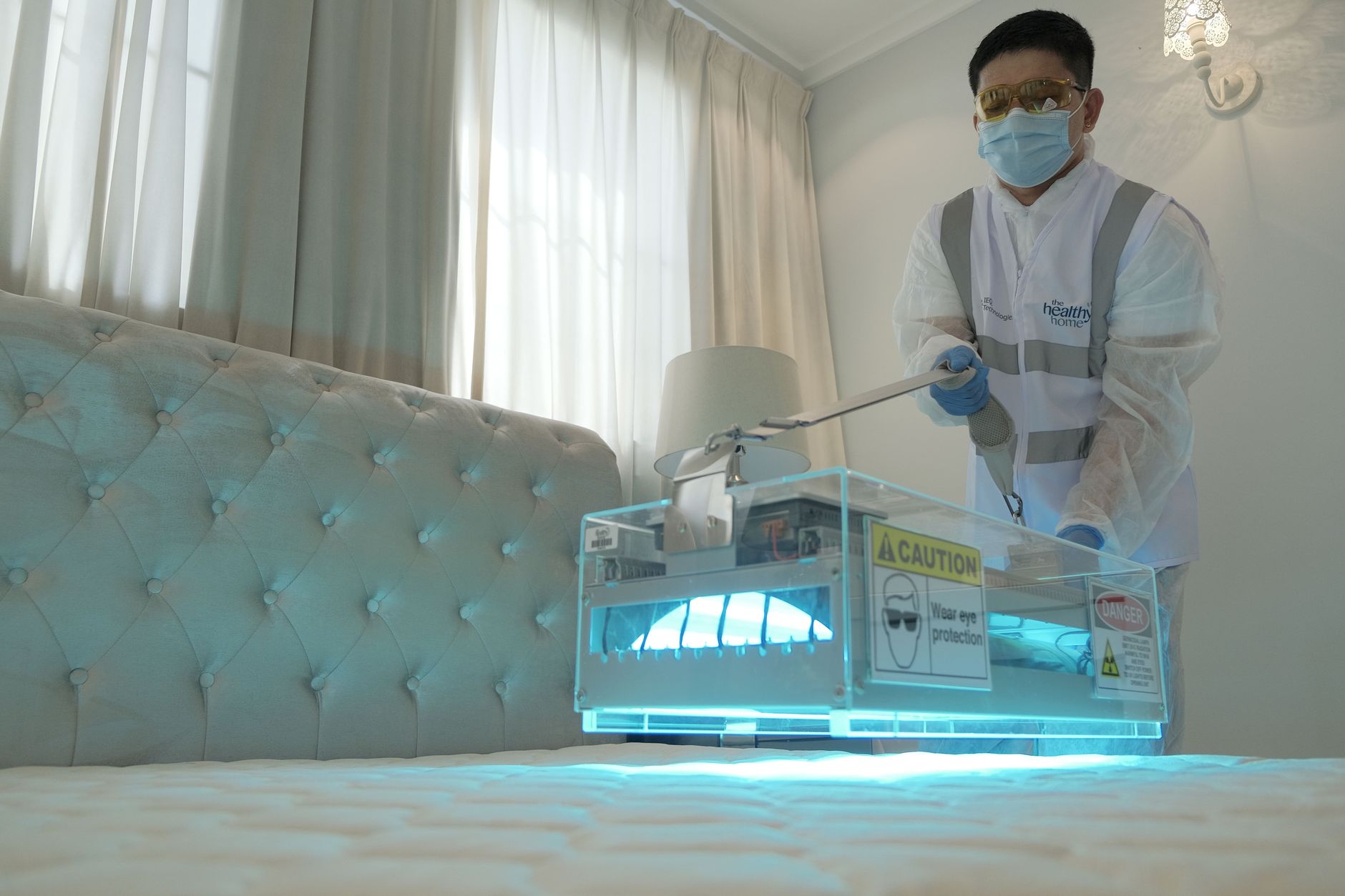
Bed bugs are nocturnal insects that feed on human blood. They are increasingly prevalent in homes, hotels, and even public transportation. Identifying an infestation early is essential because bed bugs reproduce rapidly. A single female can lay several eggs daily, leading to exponential population growth if left unchecked. This rapid multiplication quickly transforms a minor inconvenience into a major problem.
Early Indicators of a Bed Bug Infestation
Recognizing the initial signs of bed bugs is the key to effective control. Here’s what to look for:
- Bites: This is often the first indication. Bed bug bites are typically small, red, and itchy. They often appear in a line or cluster, usually on exposed skin areas like the neck, arms, or legs. However, not everyone reacts to bed bug bites, so the absence of bites doesn’t necessarily mean bed bugs aren’t present. Keep in mind that other insects, such as mosquitoes and fleas, can also cause similar bites.
- Blood Stains: Check your bedding, particularly the sheets, pillowcases, and mattress cover. Look for small, rust-colored or reddish stains. These are caused by crushed bed bugs or their excrement.
- Fecal Spots: These are tiny, dark spots (similar to the size of a pen tip) found on mattresses, bedding, or walls near the bed. They are bed bug excrement and a definite sign of their presence.
- Shed Skins: Bed bugs shed their skin (exoskeletons) as they grow. These skins are pale yellow or brown and can be found on bedding, furniture, or in cracks and crevices.
- Live Bed Bugs: This is the most definitive sign. Bed bugs are small, flat, oval-shaped insects. They are typically reddish-brown but may appear redder after feeding. They are often found in cracks and crevices near the bed, such as along mattress seams, headboards, and baseboards. Adult bed bugs are about the size of an apple seed.
Where to Look for Early Signs
Bed bugs are masters of hiding. Start your search in these key areas:
- Mattress Seams and Tufting: These are prime hiding spots due to the darkness and protection they offer.
- Box Spring: Check the underside of the box spring, as well as any fabric covering.
- Headboard and Footboard: Carefully inspect any cracks, crevices, or seams on the headboard and footboard.
- Bed Frame: Look for bed bugs hiding in the joints or under the bed frame.
- Bedding: Examine sheets, pillowcases, and blankets for blood stains, fecal spots, or shed skins.
- Nearby Furniture: Bed bugs can also hide in furniture near the bed, such as nightstands, dressers, and chairs.
- Walls and Baseboards: Check cracks and crevices in the walls and along the baseboards near the bed.
- Luggage and Personal Belongings: If you’ve recently traveled, inspect your luggage and personal belongings carefully, especially if you stayed in a hotel.
Preventing Bed Bug Infestations
While early detection is crucial, prevention is even better. Here are some tips to minimize your risk of bed bugs:
- Inspect Hotel Rooms: Before settling into a hotel room, inspect the bed and furniture for signs of bed bugs. Place luggage on a luggage rack away from the bed and walls.
- Use Luggage Liners: Consider using luggage liners to prevent bed bugs from hitching a ride in your suitcase.
- Vacuum Frequently: Regular vacuuming can help remove bed bugs and their eggs.
- Seal Cracks and Crevices: Seal any cracks and crevices in walls and furniture to eliminate potential hiding places.
- Wash Bedding Regularly: Wash your bedding in hot water and dry it on high heat to kill any bed bugs or eggs.
- Inspect Used Furniture: Carefully inspect any used furniture before bringing it into your home.
Frequently Asked Questions (FAQs)
1. How can I differentiate bed bug bites from mosquito or flea bites?
Bed bug bites are often arranged in a line or cluster, whereas mosquito bites are typically scattered. Flea bites commonly occur around the ankles. However, reactions vary, so visual identification isn’t always definitive.

Is distilled water good for goldfish?
What colours are fish most attracted to?
Can you put your finger in a trout's mouth?
Is methylene blue anti bacterial?
2. Can bed bugs transmit diseases?
There is no scientific evidence to suggest that bed bugs transmit diseases to humans. Their bites can, however, cause significant itching and anxiety.
3. Do bed bugs only live in beds?
No, while they are often found in beds, bed bugs can also infest other areas such as furniture, walls, and even electrical outlets near their food source (humans).
4. Are bed bugs more common in dirty homes?
While clutter can provide more hiding places, bed bugs are not attracted to dirt or filth. They are attracted to warmth, carbon dioxide, and blood. Even the cleanest homes can be infested.
5. What is the lifespan of a bed bug?
Bed bugs can live for several months without feeding, depending on environmental conditions. This makes eradication challenging, as they can survive even if the host is absent for extended periods.
6. Can I get rid of bed bugs myself?
While DIY methods might seem appealing, a professional pest control service is usually necessary for complete eradication. Bed bugs are resilient, and store-bought treatments often fail to reach all hiding places.
7. What does a bed bug egg look like?
Bed bug eggs are tiny, pearly white, and about the size of a pinhead. They are often found in clusters in cracks and crevices.
8. How quickly do bed bugs reproduce?
A female bed bug can lay 1-5 eggs per day, and hundreds of eggs during her lifetime. This rapid reproduction rate makes early detection and intervention essential.
9. Are bed bugs active during the day?
Bed bugs are primarily nocturnal, but they may come out during the day if they are hungry and the environment is dark enough.
10. What is the best way to clean bedding after discovering bed bugs?
Wash bedding in hot water (at least 120°F or 49°C) and dry it on high heat for at least 30 minutes. This will kill both bed bugs and their eggs.
11. Can I use rubbing alcohol to kill bed bugs?
While rubbing alcohol can kill bed bugs on contact, it is not a reliable solution for complete eradication. It’s flammable and evaporates quickly, making it difficult to reach all hiding places.
12. How long does it take for bed bug bites to appear?
The appearance of bed bug bites can vary from person to person. Some people may experience a reaction immediately, while others may not notice bites for several days. Some individuals may not react at all.
By remaining vigilant and aware of these early signs, you can take swift action to prevent a minor annoyance from becoming a significant infestation. Early detection and professional intervention are key to reclaiming your peace of mind and a bed bug-free home.