
What Are Distinguishing Characteristics of Wetlands?

Wetlands are unique ecosystems distinguished primarily by the presence of hydric soils, hydrophytic vegetation, and saturated or inundated conditions for at least a portion of the growing season. These characteristics interact to create an environment unlike any other, supporting a diverse range of specialized plant and animal life.

The Triad of Wetland Characteristics
Understanding wetlands requires recognizing the interplay of three key components: soil, vegetation, and hydrology. The existence of a wetland is contingent upon the sustained interaction of these factors.
Hydric Soils: The Foundation of Wetland Ecology
Hydric soils are soils that have formed under conditions of saturation, flooding, or ponding long enough during the growing season to develop anaerobic conditions. These conditions arise due to the depletion of oxygen caused by microbial activity in saturated environments. The lack of oxygen profoundly alters soil chemistry and morphology.
- Identifying Features: Key indicators of hydric soils include:
- Mottling: Patches of different colors (red, orange, gray) due to oxidation and reduction reactions of iron and other minerals.
- Gleying: A bluish-gray or greenish-gray color due to the presence of reduced iron compounds.
- Organic Matter Accumulation: High concentrations of decaying plant matter due to slow decomposition rates in anaerobic conditions.
- Sulfidic Odors: The smell of rotten eggs, indicating the presence of hydrogen sulfide produced by anaerobic bacteria.
The specific hydric soil indicators vary depending on the region and climate, but the underlying principle remains the same: evidence of prolonged saturation and anaerobic conditions.

What colours are fish most attracted to?
Can you put your finger in a trout's mouth?
Is methylene blue anti bacterial?
Does aquarium salt raise pH in aquarium?
Hydrophytic Vegetation: Plants Adapted to Wet Environments
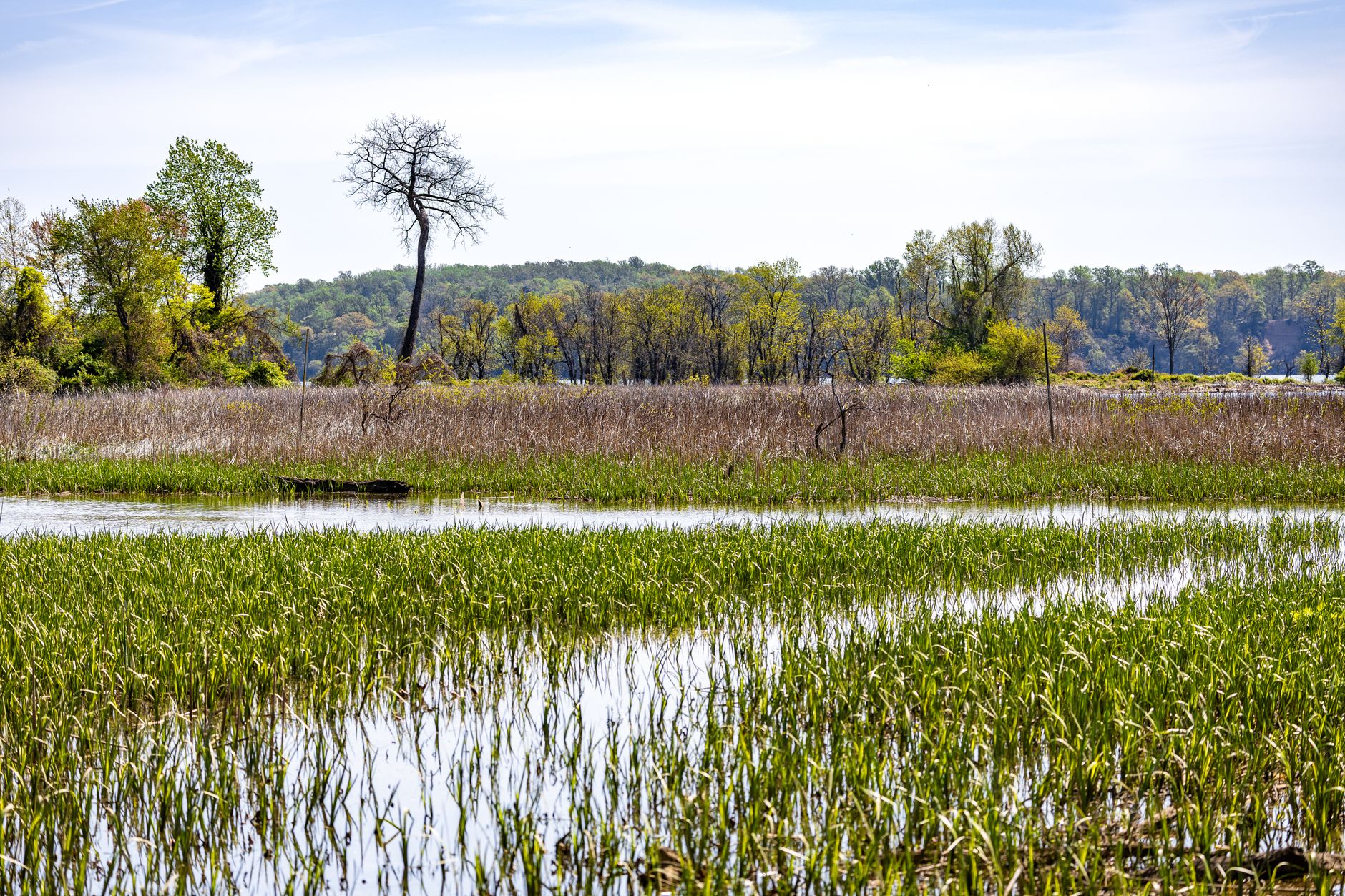
Hydrophytic vegetation comprises plants adapted to thrive in saturated or flooded conditions. These plants possess specialized adaptations that allow them to survive in environments where oxygen is scarce.
- Adaptations for Survival: Common adaptations include:
- Aerenchyma: Tissues with large air spaces in stems and roots that allow for oxygen transport from the above-ground parts of the plant to the submerged roots.
- Adventitious Roots: Roots that develop from the stem above the water line, providing increased access to oxygen.
- Buttressed Trunks: Enlarged trunks that provide stability in unstable, saturated soils.
- Shallow Root Systems: Roots concentrated near the soil surface where oxygen is more readily available.
Examples of hydrophytic vegetation include cattails, bulrushes, mangroves, cypress trees, and various sedges and grasses. The specific types of plants found in a wetland depend on factors like water depth, salinity, and nutrient availability.
Hydrology: The Driving Force of Wetland Ecosystems
Hydrology refers to the water regime of a wetland, including the frequency, duration, and depth of flooding or saturation. This is arguably the most crucial factor determining the type of wetland and the species that can inhabit it.
- Key Hydrological Characteristics:
- Water Source: Wetlands can be fed by rainfall, groundwater, surface runoff, or tidal action.
- Water Depth and Duration: The depth and duration of flooding influence which plant and animal species can survive.
- Water Flow: The rate of water flow affects nutrient cycling, sediment deposition, and oxygen levels.
- Seasonal Fluctuations: Wetlands often experience significant seasonal variations in water levels.
Understanding the hydrology of a wetland is essential for its proper management and conservation. Alterations to hydrology, such as drainage or dam construction, can have devastating consequences for wetland ecosystems.
Frequently Asked Questions (FAQs) About Wetlands
Q1: Are all wetlands the same?
No. Wetlands are incredibly diverse, ranging from freshwater marshes and swamps to saltwater mangroves and tidal flats. This variation depends on factors such as climate, hydrology, soil type, and vegetation.
Q2: What are some different types of wetlands?
Common types include: marshes (dominated by herbaceous vegetation), swamps (dominated by trees and shrubs), bogs (acidic peatlands), fens (peatlands fed by groundwater), and tidal wetlands (influenced by tides).
Q3: Why are wetlands important?
Wetlands provide a multitude of ecosystem services, including flood control, water filtration, erosion control, habitat for wildlife, carbon sequestration, and recreational opportunities.
Q4: How do wetlands help control floods?
Wetlands act like natural sponges, absorbing and storing excess rainfall and runoff. This reduces the peak flow of floods and helps prevent damage to downstream communities.
Q5: How do wetlands filter water?
Wetland plants and soils remove pollutants, such as excess nutrients, sediments, and toxins, from the water. This improves water quality and protects drinking water supplies.
Q6: What is the difference between a swamp and a marsh?
The primary difference is the dominant vegetation. Swamps are dominated by trees and shrubs, while marshes are dominated by herbaceous vegetation (non-woody plants).
Q7: What are some threats to wetlands?
Major threats include draining for agriculture or development, pollution from runoff, invasive species, and climate change (leading to sea-level rise and altered precipitation patterns).
Q8: How can I help protect wetlands?
Support wetland conservation efforts by organizations dedicated to protecting these ecosystems. Advocate for policies that protect wetlands and reduce pollution. Reduce your own impact by practicing responsible water use and avoiding the use of harmful chemicals.
Q9: Are there laws protecting wetlands?
Yes, in many countries, including the United States, there are laws and regulations designed to protect wetlands. In the US, Section 404 of the Clean Water Act is the primary law protecting wetlands. These laws regulate activities that could impact wetlands, such as filling or draining them.
Q10: What is a “jurisdictional wetland?”
A jurisdictional wetland is a wetland that falls under the regulatory authority of specific laws, such as Section 404 of the Clean Water Act in the US. Determining if a wetland is jurisdictional requires a professional wetland delineation, involving assessing the presence of hydric soils, hydrophytic vegetation, and wetland hydrology.
Q11: How can I tell if I have a wetland on my property?
Look for signs like saturated soils, standing water, and plant species that are known to grow in wet environments. A professional wetland delineation by a qualified environmental consultant is often necessary for a definitive determination.
Q12: What is wetland mitigation?
Wetland mitigation involves compensating for unavoidable wetland losses by restoring, creating, enhancing, or preserving other wetlands. This is often required as a condition of permits for activities that impact wetlands. The goal is to achieve “no net loss” of wetland acreage and function.
The Future of Wetlands
Protecting and restoring wetlands is crucial for ensuring the health of our planet. By understanding the distinguishing characteristics of these valuable ecosystems and supporting efforts to conserve them, we can help safeguard the vital services they provide for future generations. The unique interaction of hydric soils, hydrophytic vegetation, and hydrology makes wetlands irreplaceable components of the natural world. Their preservation is not just an environmental imperative, but an economic and social one as well.