

What Animal Represents Adaptability? The Unparalleled Survivor
The cockroach is widely considered the animal that best represents adaptability, showcasing a remarkable ability to thrive in diverse and often hostile environments thanks to its unique physiological and behavioral traits. This makes the cockroach a symbol of resilience and survival in the face of adversity.
Introduction: The Astonishing World of Animal Adaptation
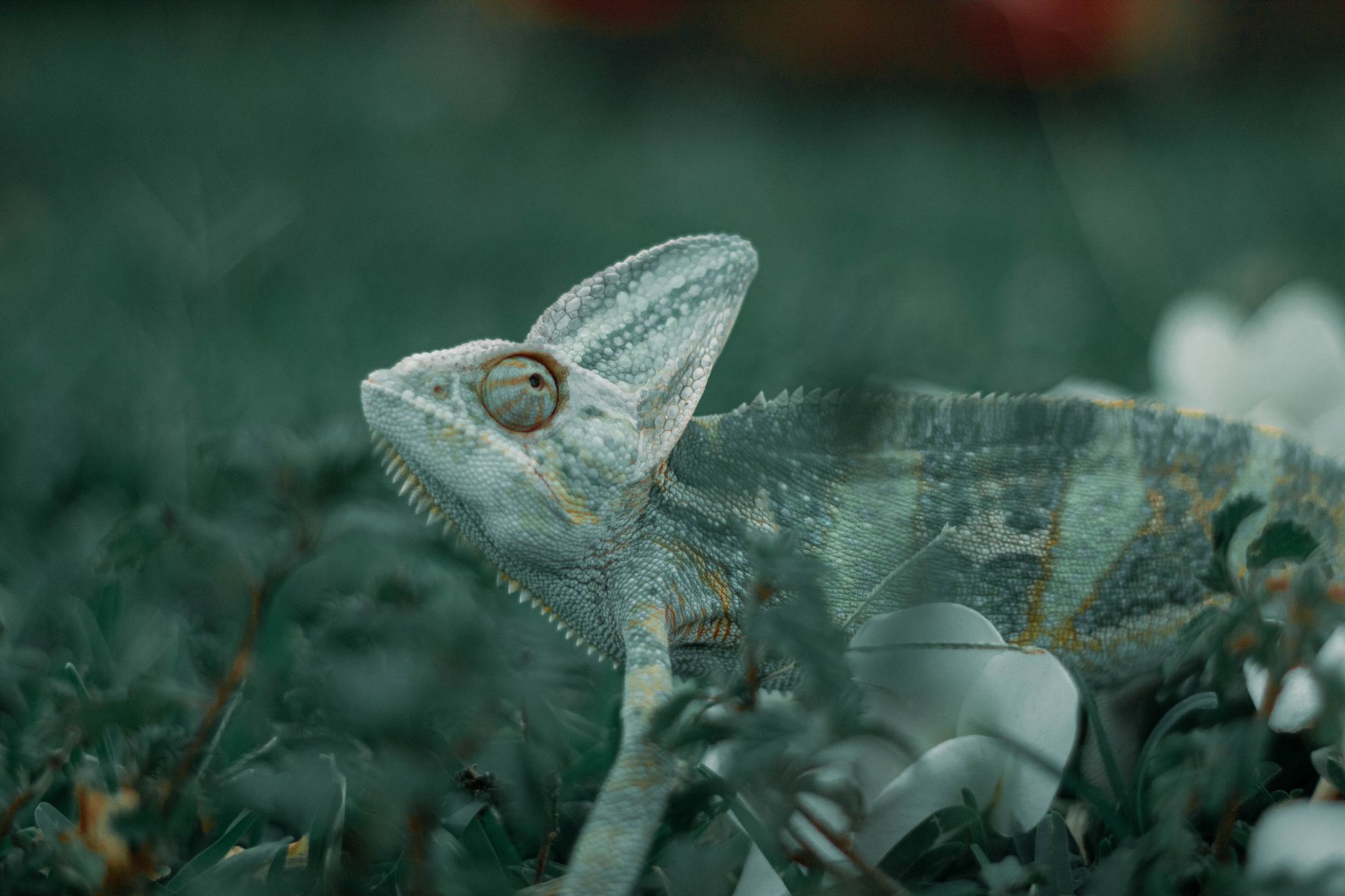
The natural world is a theatre of evolution, where organisms constantly adapt to survive. From the chameleon’s camouflage to the arctic fox’s thick fur, adaptation is the key to enduring ecological pressures. But what animal represents adaptability? More than any other, the cockroach earns this title, boasting a range of exceptional characteristics that enable it to flourish where others perish.

What colours are fish most attracted to?
Can you put your finger in a trout's mouth?
Is methylene blue anti bacterial?
Does aquarium salt raise pH in aquarium?
Evolutionary History and Global Distribution

Cockroaches have been scurrying across the planet for over 300 million years, predating dinosaurs. This long history has provided ample time for evolution to hone their adaptive abilities. Today, they are found on every continent except Antarctica, inhabiting a vast array of environments from tropical rainforests to urban dwellings. Their resilience is a testament to their successful adaptation strategies.
Key Adaptations of the Cockroach
What animal represents adaptability? The answer lies in the suite of features that allow cockroaches to thrive. These adaptations can be broadly categorized into physiological and behavioral traits:
-
Physiological Adaptations:
- Omnivorous Diet: Cockroaches can eat almost anything, from decaying organic matter to glue and paper. This dietary flexibility allows them to survive in environments with limited resources.
- Water Conservation: Cockroaches can survive for weeks without water by efficiently absorbing moisture from their surroundings and producing metabolic water.
- Resistance to Radiation: While not immune, cockroaches are significantly more resistant to radiation than humans, a fact often exaggerated but still indicative of their robust cellular repair mechanisms.
- Cuticle Structure: Their tough exoskeleton provides protection against physical damage and dehydration.
- Rapid Reproduction: Short life cycles and high reproductive rates enable rapid population growth and adaptation to changing environments.
-
Behavioral Adaptations:
- Nocturnal Behavior: Most cockroaches are active at night, avoiding predators and desiccation during the day.
- Aggregation Behavior: Cockroaches congregate in groups, facilitating mate finding and increasing their chances of survival.
- Escape Response: They possess highly sensitive sensory organs that detect vibrations and air currents, allowing them to quickly escape danger.
- Burrowing Behavior: Many species burrow into the ground or other sheltered locations, providing protection from predators and harsh environmental conditions.
Comparison with Other Adaptable Animals
While other animals exhibit remarkable adaptations, the cockroach’s versatility is unmatched. Consider these comparisons:
| Animal | Key Adaptation | Limitation |
|---|---|---|
| Camel | Water conservation | Primarily adapted to arid environments |
| Polar Bear | Cold tolerance | Restricted to Arctic regions |
| Chameleon | Camouflage | Dependent on specific background environments |
| Cockroach | Broad tolerance | Adapts to diverse environments |
This table highlights that what animal represents adaptability? The cockroach surpasses other creatures in its ability to thrive across a wider range of conditions.
Implications of Adaptability
The cockroach’s adaptability has significant implications for both human society and the environment:
- Pest Control Challenges: Their resilience makes cockroaches difficult to eradicate, requiring integrated pest management strategies.
- Public Health Concerns: Cockroaches can transmit pathogens and trigger allergies, posing risks to human health.
- Ecological Roles: They play a role in nutrient cycling and decomposition, contributing to ecosystem functioning.
- Biomimicry Inspiration: Scientists are studying cockroach adaptations to develop new technologies, such as resilient robots and materials.
Conclusion: The Undisputed Champion of Adaptability
What animal represents adaptability? The answer remains clear: the cockroach. Its combination of physiological and behavioral adaptations, coupled with its evolutionary history and global distribution, solidify its position as the ultimate survivor. While often reviled, the cockroach’s resilience serves as a powerful reminder of the remarkable capacity of life to adapt and endure.
Frequently Asked Questions (FAQs)
What makes cockroaches so resilient?
Cockroaches possess a unique combination of physiological and behavioral adaptations that contribute to their resilience. These include a flexible diet, efficient water conservation, a tough exoskeleton, rapid reproduction, nocturnal behavior, and a strong escape response, making them capable of surviving in diverse and challenging environments.
Are cockroaches really resistant to radiation?
While cockroaches are more resistant to radiation than humans, they are not immune. Their cellular repair mechanisms allow them to withstand higher doses of radiation than many other organisms, but extreme levels of radiation are still lethal.
How long can a cockroach live without its head?
A cockroach can survive for up to a week without its head. This is because they do not rely on their head to breathe or circulate blood. They eventually die due to dehydration.
What do cockroaches eat?
Cockroaches are omnivorous and can eat almost anything, including decaying organic matter, food scraps, paper, glue, and even other cockroaches. This dietary flexibility allows them to survive in environments with limited resources.
How do cockroaches breathe?
Cockroaches breathe through spiracles, small holes located on their body segments. These spiracles are connected to a network of tubes that deliver oxygen directly to the tissues, bypassing the need for lungs or a head.
What is the best way to get rid of cockroaches?
The most effective way to get rid of cockroaches is through integrated pest management (IPM), which combines various strategies such as sanitation, exclusion, trapping, and targeted pesticide applications.
Are cockroaches dangerous to humans?
Cockroaches can pose health risks by transmitting pathogens and triggering allergies. Their droppings and shed skins can contaminate food and surfaces, leading to the spread of diseases such as salmonellosis and gastroenteritis.
Where do cockroaches typically live?
Cockroaches prefer warm, dark, and moist environments, such as kitchens, bathrooms, and basements. They often hide in cracks, crevices, and behind appliances.
What attracts cockroaches to a home?
Cockroaches are attracted to food, water, and shelter. Poor sanitation, leaky pipes, and cluttered spaces can provide ideal conditions for cockroach infestations.
What is the difference between a cockroach and a water bug?
The term “water bug” is often used to refer to large cockroaches, particularly American cockroaches, due to their preference for damp environments. However, true water bugs are aquatic insects belonging to the order Hemiptera.
How do cockroaches contribute to the ecosystem?
Cockroaches play a role in nutrient cycling and decomposition by breaking down organic matter. They also serve as a food source for other animals.
Can cockroaches fly?
Some species of cockroaches can fly, while others can only glide. The ability to fly depends on the species and the environmental conditions.