

Do Bearded Dragons Change Color When They Shed?
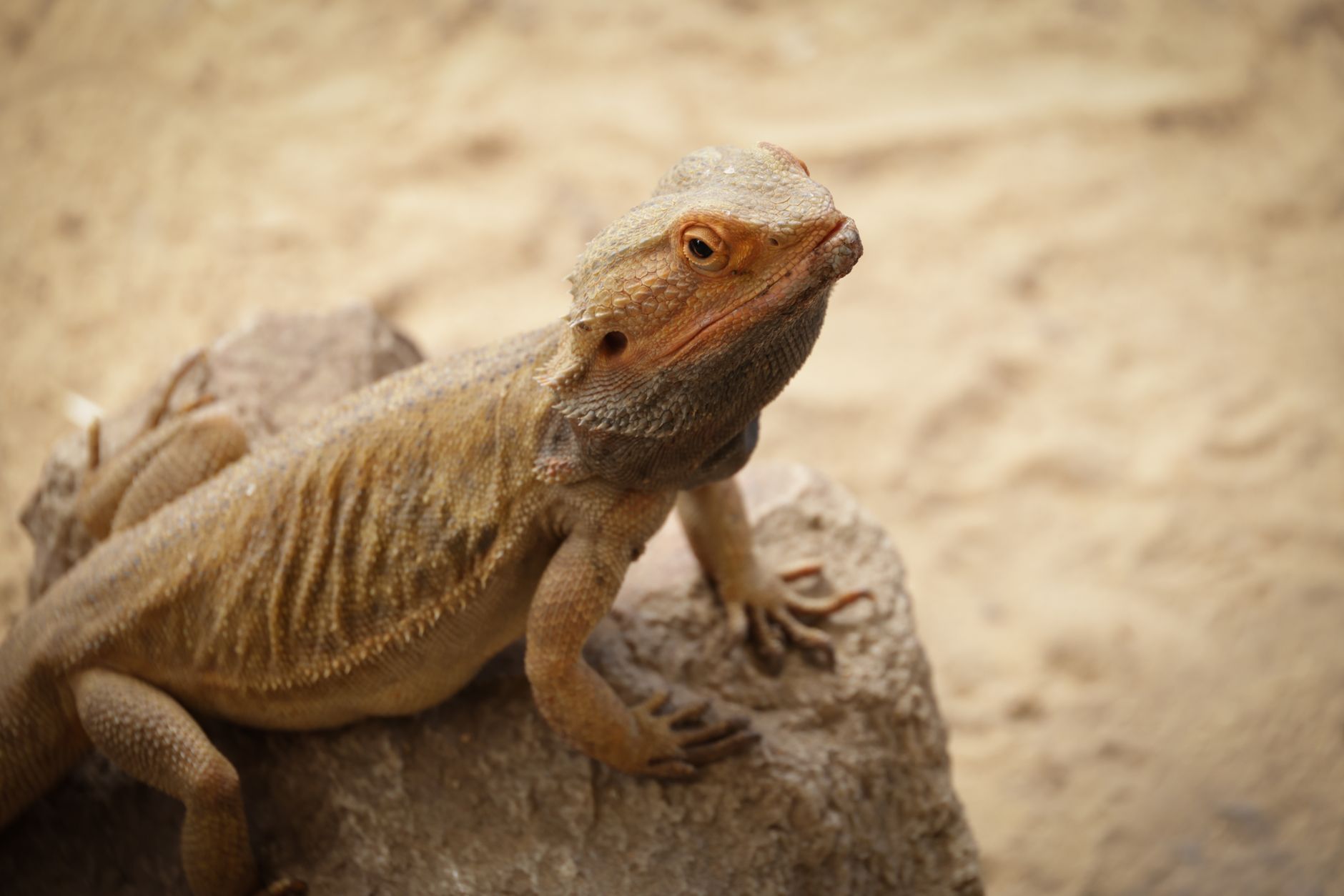
While bearded dragons don’t undergo dramatic color changes like chameleons, minor color variations can occur during the shedding process, making it appear as though they change color when they shed.

Understanding Bearded Dragon Shedding
Bearded dragons, like all reptiles, shed their skin as they grow. This process, called ecdysis, involves the replacement of their outer layer of skin with a new, larger one. Shedding is a natural and essential part of a bearded dragon’s life cycle.
Is distilled water good for goldfish?
What colours are fish most attracted to?
Can you put your finger in a trout's mouth?
Is methylene blue anti bacterial?
The Shedding Process: A Step-by-Step Guide
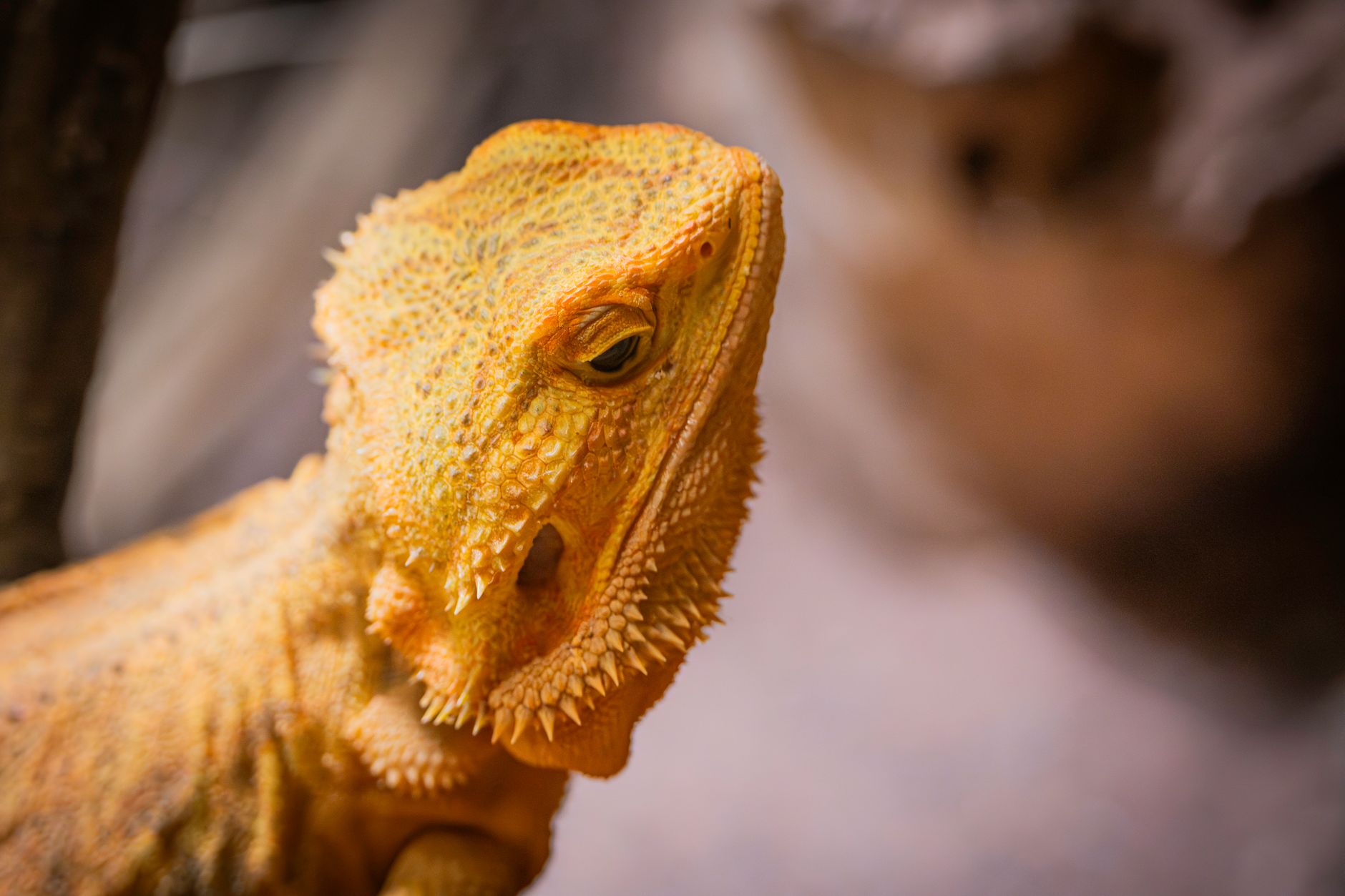
The shedding process typically occurs in stages:
- Dulling: The skin appears duller and less vibrant than usual. This is because the new skin is forming underneath the old skin.
- Separation: The old skin begins to separate from the new skin. This may be visible as small patches or flakes of skin lifting away.
- Shedding: The old skin peels away, revealing the fresh, new skin underneath. This can happen in patches or in one complete piece.
Why Color Appears to Change During Shedding
The perceived color change during shedding is primarily due to these factors:
- Dullness: The old skin becomes duller and opaque before shedding. This layer obscures the vibrant colors of the underlying skin, giving the dragon a washed-out or grayish appearance.
- Dehydration: Dehydration can exacerbate the dullness and make the skin appear less vibrant. Proper hydration is crucial for a healthy shed.
- New Skin Brightness: The new skin underneath the shed is often brighter and more vibrant than the old skin, creating a noticeable contrast once the shedding process is complete. This contrast contributes to the perception that the dragon has changed color.
So, while they don’t fundamentally change color when they shed in the way a chameleon might, the process of shedding can alter their appearance, making them appear duller or lighter for a time.
Factors Influencing Shedding
Several factors can influence a bearded dragon’s shedding process, including:
- Age: Younger dragons shed more frequently than older dragons, as they are growing at a faster rate.
- Health: A healthy dragon will typically have a smoother and more complete shed.
- Humidity: Adequate humidity is essential for proper shedding. Low humidity can lead to dry, flaky skin and difficult sheds.
- Diet: A balanced diet rich in vitamins and minerals supports healthy skin and shedding.
Common Problems Associated with Shedding
- Stuck Shed: Patches of old skin that remain attached to the dragon.
- Dysecdysis: Abnormal or difficult shedding, often caused by underlying health problems or improper husbandry.
- Toe Constriction: Shed skin that constricts the toes, potentially cutting off circulation.
Addressing Shedding Problems
- Provide a Humid Hide: A humid hide can help to loosen stuck shed.
- Soak the Dragon: Soaking the dragon in warm water can also help to loosen stuck shed.
- Seek Veterinary Care: If the shedding problems are severe or persistent, consult a veterinarian.
The Importance of Proper Shedding
Proper shedding is crucial for maintaining a bearded dragon’s health and well-being. A complete and healthy shed allows the dragon to grow properly and prevents skin infections and other health problems.
Table: Shedding Timeline & Visual Changes
| Stage | Description | Visual Changes |
|---|---|---|
| Pre-Shed | New skin is forming underneath the old skin. | Skin appears duller, color less vibrant. |
| Separation | Old skin begins to separate from the new skin. | Patches of skin lifting away. |
| Shedding | Old skin peels away, revealing new skin. | Fresh, bright skin visible as old skin peels. |
| Post-Shed | New skin is fully exposed. | Vibrant, healthy skin. |
Conclusion
While bearded dragons don’t truly change color when they shed in the dramatic sense, the shedding process does affect their appearance. Understanding the process and providing proper care can ensure a healthy and comfortable shedding experience for your bearded dragon. The key is to focus on maintaining healthy hydration and providing appropriate humidity levels to help facilitate the shedding process.
FAQs about Bearded Dragon Shedding and Color
Do bearded dragons change color when they are stressed?
Yes, stress can cause a bearded dragon to darken its color. This is a common response to perceived threats or uncomfortable situations. This darkening is different from the gradual dulling associated with shedding.
Is it normal for a bearded dragon to shed its skin in pieces?
Yes, it is perfectly normal for a bearded dragon to shed its skin in pieces. Shedding in one complete piece is less common.
How often do bearded dragons shed?
The frequency of shedding depends on the bearded dragon’s age. Young dragons shed more frequently (sometimes weekly) as they grow rapidly, while older dragons may only shed a few times a year. Increased shedding in adults can indicate they are unhealthy or overfed.
Can I help my bearded dragon shed?
Yes, you can help your bearded dragon shed by providing a humid hide and soaking it in warm water. Avoid peeling off the shed skin yourself, as this can damage the underlying skin.
What is a humid hide?
A humid hide is an enclosed space within the enclosure that is kept moist. It can be as simple as a plastic container with damp paper towels inside.
How do I know if my bearded dragon is dehydrated?
Signs of dehydration include sunken eyes, wrinkly skin, and lethargy. Dehydration can make shedding difficult and painful.
What is dysecdysis?
Dysecdysis is abnormal or difficult shedding, often caused by underlying health problems or improper husbandry. It can lead to skin infections and other health problems.
What should I do if my bearded dragon has stuck shed around its toes?
Stuck shed around the toes can restrict circulation and cause serious problems. Soaking the feet in warm water and gently removing the shed with a cotton swab can help. If you’re not comfortable doing this, consult a veterinarian.
Does shedding affect my bearded dragon’s appetite?
Some bearded dragons may experience a slight decrease in appetite during shedding. This is usually temporary and not a cause for concern.
What is the best temperature for shedding?
Maintaining the proper temperature gradient in the enclosure is essential for shedding. The basking spot should be around 95-105°F, and the cool side should be around 75-85°F.
Is it normal for my bearded dragon to be more irritable when shedding?
Yes, bearded dragons can be more irritable and sensitive to touch when they are shedding. Be gentle and avoid handling them unnecessarily during this time.
Can I give my bearded dragon vitamins to help with shedding?
A balanced diet containing all necessary vitamins and minerals is essential for healthy shedding. Supplementation may be beneficial in some cases, but consult a veterinarian before giving your bearded dragon any vitamins.