
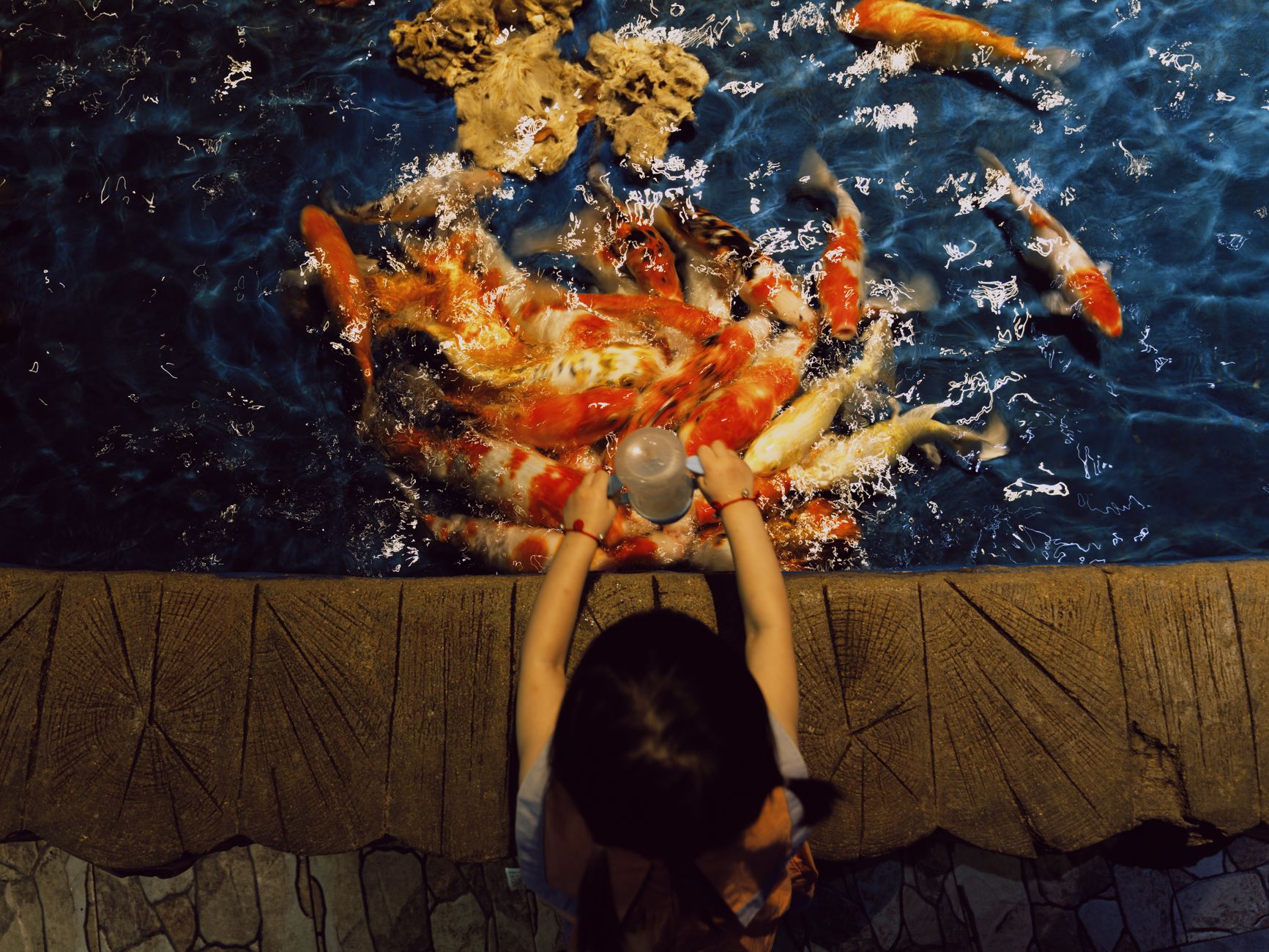
Should You Feed Koi in Cold Weather? Navigating Winter Koi Care
Whether to feed your beloved koi in cold weather is a crucial decision. The short answer: Generally, no. As water temperatures drop, a koi’s metabolism slows dramatically, and providing food can do more harm than good.

Understanding Koi Metabolism in Cold Water
Koi, being cold-blooded creatures (poikilothermic), are profoundly affected by the temperature of their environment. As water temperatures decrease, their metabolic rate slows significantly. Think of it as their internal engine winding down for the winter. This impacts everything from digestion to immune function.
-
Digestion Slows: In warmer months, koi can efficiently digest food. However, as temperatures dip below 50°F (10°C), their digestive systems become sluggish, making it difficult for them to properly process nutrients. Undigested food can rot in their gut, leading to bacterial infections and other health problems.
-
Reduced Energy Needs: Koi enter a state of semi-hibernation in cold water. Their activity levels decrease dramatically, requiring far less energy than during the active growing season. Their bodies begin to rely on stored fat reserves.

What colours are fish most attracted to?
Can you put your finger in a trout's mouth?
Is methylene blue anti bacterial?
Does aquarium salt raise pH in aquarium?
Temperature Thresholds and Feeding

Knowing the specific water temperature is critical when deciding whether should you feed koi in cold weather? There’s no one-size-fits-all answer; it depends on the actual water temperature.
-
Above 70°F (21°C): Koi can be fed regularly with a high-protein diet to promote growth.
-
60°F – 70°F (16°C – 21°C): Reduce feeding frequency and amount. Use a wheat germ-based food, which is easier to digest.
-
50°F – 60°F (10°C – 16°C): Feed sparingly, only a couple of times a week, with a wheat germ-based food. Observe their behavior closely. If they don’t seem interested, don’t force it.
-
Below 50°F (10°C): Stop feeding entirely. Their digestive systems are too slow to process food, and it’s detrimental to their health.
Dangers of Overfeeding
Even if your koi seem interested in food, resist the urge to overfeed them in cold weather. The consequences can be severe:
-
Poor Water Quality: Undigested food will decompose in the pond, releasing harmful ammonia and nitrites. This pollutes the water and can lead to toxic conditions that harm or even kill your koi.
-
Bacterial Infections: Undigested food in the koi’s gut can create a breeding ground for harmful bacteria.
-
Swim Bladder Issues: Feeding inappropriate food or overfeeding in cold weather can lead to swim bladder problems, making it difficult for koi to maintain proper buoyancy.
Alternatives to Feeding
If should you feed koi in cold weather? is not recommended, what can you do to support their health?
-
Maintain Good Water Quality: Regularly test your water parameters (ammonia, nitrite, nitrate, pH) and perform water changes (10-20%) to keep the water clean. Proper filtration is also essential.
-
Ensure Adequate Oxygen Levels: Cold water holds more oxygen than warm water, but ice cover can reduce oxygen exchange. Use a pond de-icer or air pump to maintain oxygen levels.
-
Provide Shelter: Ensure your koi have access to deeper areas of the pond, where the water temperature is more stable. Floating plants or submerged structures can provide additional shelter.
Choosing the Right Food
If you do choose to feed your koi during the transition period (50°F – 60°F), use a specialized cold-water food.
-
Wheat Germ-Based Food: Wheat germ is much easier for koi to digest than other ingredients.
-
Lower Protein Content: Choose a food with a lower protein content (around 30%) to reduce the strain on their digestive system.
-
Small Pellet Size: Smaller pellets are easier for koi to consume and digest.
Recognizing Signs of Trouble
Observe your koi closely for any signs of distress, such as:
-
Lethargy: Reduced activity levels can be normal in cold weather, but extreme lethargy could indicate a problem.
-
Loss of Appetite: If your koi consistently refuse to eat, it could be a sign of illness.
-
Abnormal Swimming Behavior: Difficulty maintaining buoyancy or swimming erratically could indicate swim bladder issues.
-
Visible Sores or Ulcers: These could be signs of bacterial infections.
If you notice any of these signs, consult with a qualified koi veterinarian or pond expert.
Table: Koi Feeding Guidelines Based on Water Temperature
| Water Temperature | Feeding Frequency | Food Type | Notes |
|---|---|---|---|
| Above 70°F (21°C) | Daily | High-Protein Koi Food | Promote growth and vibrant colors. |
| 60°F – 70°F (16°C – 21°C) | Every Other Day | Wheat Germ-Based Food | Reduce amount. Monitor water quality closely. |
| 50°F – 60°F (10°C – 16°C) | Twice a Week | Wheat Germ-Based Food | Very small amounts. Stop feeding if koi aren’t interested. |
| Below 50°F (10°C) | Do Not Feed | N/A | Koi are in a state of semi-hibernation. Feeding can be harmful. |
H3 Common Mistakes to Avoid
- Overfeeding in Cold Weather: The most common mistake. This leads to poor water quality and digestive problems.
- Using the Wrong Type of Food: High-protein foods are not suitable for cold weather.
- Ignoring Water Quality: Neglecting water quality can exacerbate problems in cold weather.
- Failing to Provide Adequate Oxygen: Ice cover can trap harmful gases and reduce oxygen levels.
Frequently Asked Questions
Can I feed my koi treats during the winter?
No, you should avoid giving your koi treats such as fruits or vegetables during the winter. These treats are often difficult for them to digest in cold water and can further contribute to water quality issues. Stick to the recommended feeding guidelines based on water temperature.
What if my koi are begging for food?
Koi are opportunistic feeders and will often beg for food, even when they don’t truly need it. Resist the urge to give in, as overfeeding can be harmful. It’s crucial to prioritize their long-term health over their immediate desires.
How do I know if my koi are healthy during the winter?
Monitor your koi closely for signs of illness, such as lethargy, loss of appetite, or abnormal swimming behavior. Healthy koi will generally remain relatively still near the bottom of the pond and exhibit normal coloration.
Should I remove uneaten food from the pond?
Yes, it’s essential to remove any uneaten food from the pond promptly, especially in cold weather. This prevents the food from decomposing and polluting the water. Use a pond net to remove any visible debris.
What is the best way to measure water temperature?
Use a reliable pond thermometer to accurately measure the water temperature. Place the thermometer in a shaded area of the pond to avoid direct sunlight, which can skew the readings. Check the temperature regularly, especially during periods of fluctuating weather.
Is it safe to break the ice on my pond?
While breaking the ice can help with gas exchange, do so carefully. Avoid using sharp objects that could damage the pond liner or harm your koi. The best approach is to use a pond de-icer or air pump to keep a small area of the pond ice-free.
How often should I perform water changes in the winter?
Reduce the frequency of water changes during the winter months, as large water changes can disrupt the stable water temperature. Perform smaller water changes (10-20%) only when necessary to maintain good water quality.
What should I do if my koi get sick during the winter?
If your koi show signs of illness, consult with a qualified koi veterinarian or pond expert immediately. They can help diagnose the problem and recommend appropriate treatment options. Isolation and quarantine may be necessary.
Does pond size affect feeding in cold weather?
The size of your pond doesn’t change the basic rule of should you feed koi in cold weather? Regardless of size, a koi’s metabolism is driven by temperature. Larger ponds are generally more stable, but water temperature remains the key factor.
Can I use an automatic feeder in the winter?
Avoid using automatic feeders during the winter months. These feeders can dispense food even when it’s not appropriate, leading to overfeeding and water quality problems. Manual feeding, when necessary, allows for closer monitoring of your koi’s needs.
Is it okay to move my koi indoors for the winter?
Moving koi indoors requires careful planning and a suitable environment. The indoor tank must be large enough to accommodate the koi, properly filtered, and maintained at a stable temperature. A sudden temperature change can shock them. Do not relocate unless you are fully prepared.
If the water temperature fluctuates around 50°F, should I feed them one day, then not the next?
Yes, if the temperature is bouncing around 50°F (10°C) and should you feed koi in cold weather? is something you’re still considering, it’s best to err on the side of caution and avoid feeding them if the temperature is expected to drop again soon. If temperatures stay above 50°F for a few days, you might give them a very small portion of wheat germ food.