

Can Humans Make Their Ferrets Ill? Understanding Zoonotic Risks and Ferret Health
Yes, humans can indeed get ferrets sick, and vice versa. It is crucial to understand the risks and take precautions to protect both yourself and your furry companion from zoonotic diseases.

Introduction: A Shared World, A Shared Responsibility
Ferrets, with their playful antics and endearing personalities, have become cherished members of countless households. Their unique needs, however, extend beyond specialized diets and enrichment activities. Understanding the potential for zoonotic disease transmission – illnesses that can pass between animals and humans – is paramount for responsible ferret ownership. Just as we take precautions to protect ourselves from illness, we must also be aware of how our actions can impact our ferrets’ health. This article delves into the complex world of interspecies disease transmission, offering practical advice and insights to help keep both you and your ferret happy and healthy.

Is distilled water good for goldfish?
What colours are fish most attracted to?
Can you put your finger in a trout's mouth?
Is methylene blue anti bacterial?
The Vulnerable Ferret: Why They Are Susceptible
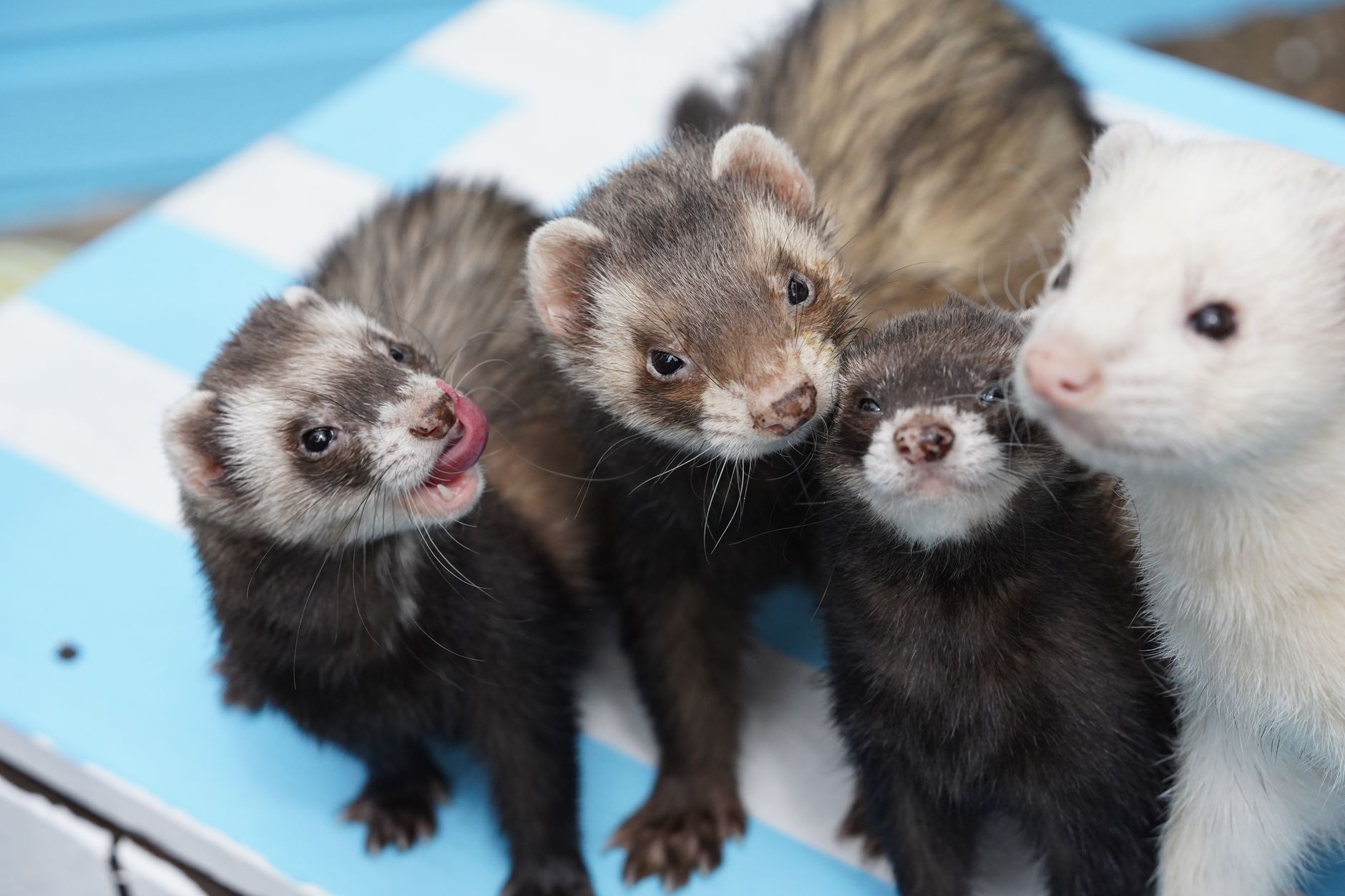
Ferrets, like many other domestic animals, are susceptible to a range of human illnesses. Their close proximity to humans within the home environment increases their exposure risk. Furthermore, their physiology makes them particularly vulnerable to certain viruses and bacteria.
- Similar Respiratory Systems: Ferrets’ respiratory systems are surprisingly similar to humans’, making them prone to contracting influenza and other respiratory infections.
- Susceptibility to Human Viruses: Some human viruses, like the common cold, can easily jump to ferrets.
- Limited Immune Response: Ferrets may have a less robust immune response to certain pathogens compared to humans, leading to more severe illness.
Common Illnesses Humans Can Pass to Ferrets
Several illnesses commonly contracted by humans can be passed to ferrets. Being mindful of these potential threats is crucial for preventing your ferret from becoming ill.
- Influenza (Flu): Ferrets are highly susceptible to human influenza strains. Symptoms in ferrets mirror those in humans: fever, lethargy, sneezing, and coughing.
- Common Cold (Rhinovirus): While often milder than influenza, the common cold can still cause discomfort and respiratory distress in ferrets.
- COVID-19: Studies have shown that ferrets are susceptible to SARS-CoV-2, the virus that causes COVID-19. They can experience similar symptoms to humans, including respiratory distress.
- Gastrointestinal Illnesses: Although less common, some bacterial or viral gastrointestinal illnesses can potentially be transmitted to ferrets, leading to diarrhea and vomiting.
Preventing Transmission: A Proactive Approach
Preventing the transmission of illnesses between humans and ferrets requires a multi-faceted approach, focusing on hygiene, vaccination (where applicable), and responsible pet ownership practices.
- Handwashing: Frequent and thorough handwashing is the cornerstone of preventing disease transmission. Always wash your hands before and after handling your ferret, their food, or their environment.
- Isolation When Sick: If you are feeling unwell, especially with respiratory symptoms, limit your contact with your ferret. Enlist the help of another healthy member of your household to care for your pet.
- Vaccination: While there is no vaccine to prevent all human illnesses in ferrets, ensure your ferret is up-to-date on their vaccinations, particularly for canine distemper and rabies.
- Sanitization: Regularly clean and disinfect your ferret’s cage, toys, and bedding. Use pet-safe cleaning products.
- Respiratory Hygiene: Practice good respiratory hygiene. Cover your mouth and nose when you cough or sneeze, and dispose of tissues properly.
- Wear a Mask: If you are feeling unwell but must interact with your ferret, wear a mask to minimize the risk of transmission.
Recognizing Symptoms of Illness in Ferrets
Early detection of illness in your ferret is crucial for prompt treatment and a better prognosis. Being aware of the common signs of illness is essential.
- Lethargy: A noticeable decrease in activity level.
- Loss of Appetite: Refusal to eat or drink.
- Sneezing and Coughing: Respiratory symptoms indicative of a cold or flu.
- Nasal Discharge: Runny nose.
- Vomiting and Diarrhea: Signs of gastrointestinal upset.
- Difficulty Breathing: Labored breathing or wheezing.
- Fever: Elevated body temperature (consult your veterinarian for normal temperature range).
What to Do If You Suspect Your Ferret Is Sick
If you suspect your ferret is ill, seek veterinary attention immediately. Delaying treatment can worsen the condition and potentially lead to complications.
- Contact Your Veterinarian: Schedule an appointment with a veterinarian experienced in treating ferrets.
- Isolate the Ferret: Keep the sick ferret separated from other pets in the household to prevent the spread of illness.
- Provide Supportive Care: Follow your veterinarian’s instructions regarding medication, diet, and supportive care.
- Maintain Hygiene: Practice strict hygiene protocols to prevent further spread of infection.
Frequently Asked Questions (FAQs)
Can my ferret give me the flu?
Yes, ferrets can transmit influenza to humans, and vice versa. While the specific strains may vary, the virus can jump between species. It’s essential to practice good hygiene if either you or your ferret is exhibiting flu-like symptoms. Monitor for signs of illness and take appropriate precautions.
How common is it for ferrets to catch colds from humans?
It is relatively common for ferrets to catch colds from humans, given the close proximity and the similarity in their respiratory systems. Ferrets are highly susceptible to rhinovirus, the virus that causes the common cold.
What are the long-term effects of human illnesses on ferrets?
The long-term effects of human illnesses on ferrets vary depending on the specific illness and the ferret’s overall health. Some ferrets may recover fully, while others may experience lasting respiratory issues or other complications. Severe cases of influenza or COVID-19 can even be fatal.
Can I give my ferret over-the-counter medications for a cold?
Never give your ferret over-the-counter medications without consulting your veterinarian. Many human medications are toxic to ferrets or can be harmful. Always seek professional veterinary advice for appropriate treatment options.
Is there a vaccine for ferrets to prevent human illnesses?
There is no vaccine specifically designed to prevent ferrets from contracting human illnesses like the flu or the common cold. Regular vaccinations are still essential for canine distemper and rabies, which are serious threats to ferret health.
Are elderly ferrets more susceptible to catching illnesses from humans?
Yes, elderly ferrets, like elderly humans, often have weakened immune systems and are more susceptible to catching illnesses from humans. Extra precautions should be taken with older ferrets.
Can ferrets transmit COVID-19 to humans?
While studies have shown that ferrets are susceptible to SARS-CoV-2, the evidence regarding ferret-to-human transmission is still limited. However, it is crucial to exercise caution and practice good hygiene if you or your ferret has been exposed to COVID-19.
What type of bedding is safest for a ferret during an illness?
During an illness, avoid using dusty or irritating bedding, such as cedar or pine shavings. Opt for soft, absorbent, and easily washable materials like fleece or recycled paper bedding to minimize respiratory irritation.
How often should I clean my ferret’s cage to prevent the spread of illness?
To prevent the spread of illness, clean your ferret’s cage thoroughly at least once a week, and more frequently if the ferret is sick. Remove soiled bedding daily and disinfect the cage and accessories with a pet-safe disinfectant.
Are there any natural remedies I can use to support my ferret’s immune system?
While some natural remedies may offer supportive benefits, it is crucial to consult your veterinarian before using them. Vitamin C and Echinacea are sometimes suggested, but their efficacy in ferrets is not definitively proven. Always prioritize professional veterinary care.
Can my ferret get a fever from a human cold?
Yes, a ferret can get a fever as a result of contracting a cold from a human. A fever is a sign of infection, and it is important to monitor your ferret’s temperature and consult your veterinarian if you suspect they have a fever.
If I’m pregnant, should I avoid contact with my ferret during cold and flu season?
If you are pregnant, it’s wise to take extra precautions during cold and flu season. While ferrets themselves don’t directly pose a pregnancy risk, the potential for contracting illnesses that your ferret carries could be concerning. Discuss your concerns with your doctor and veterinarian to determine the best course of action. Limit handling and interactions if possible or enlist the help of another household member to care for your ferret.